
Table of Contents >> Show >> Hide
- What Is a Twisted Glass Globe Lamp (and Why Does It Look So Fancy)?
- Why Twisted Glass Globes Are Everywhere Right Now
- Popular Types of Twisted Glass Globe Lamps
- Choosing the Right Size and Placement
- Finish and Glass Color: How to Get the Look You Want
- Bulbs: The Secret Ingredient Nobody Thinks About Until It’s Too Late
- Safety and Installation: What to Look for Before You Buy
- Cleaning and Maintenance: Keeping the Globe Gorgeous
- Styling Ideas That Make a Twisted Globe Look Intentional
- Buying Checklist: A Quick “Don’t Regret This Later” Guide
- Common Mistakes (So You Don’t Join the “Why Does This Look Weird?” Club)
- FAQ
- of Real-World Experiences With Twisted Glass Globe Lamps
- Conclusion
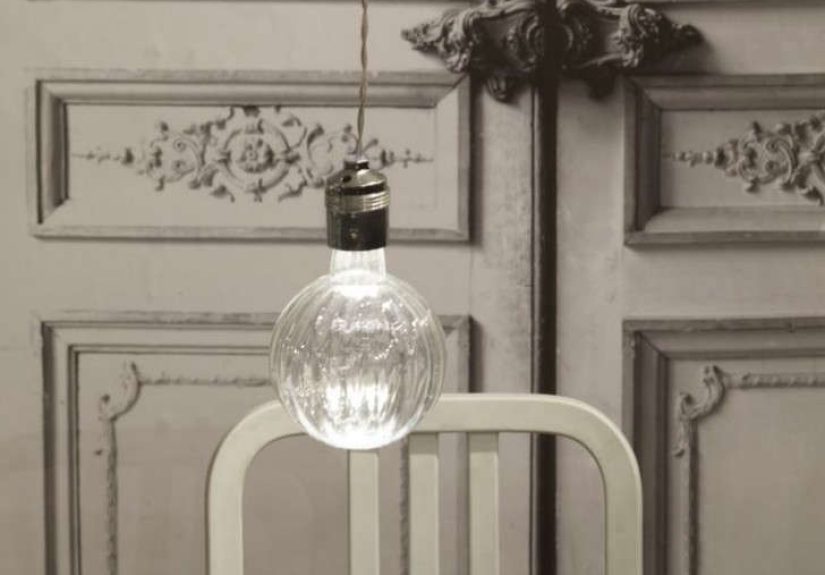
A twisted glass globe lamp is one of those “I didn’t know I needed that” lighting piecesuntil you switch it on and your room suddenly looks
like it hired a stylist. The basic idea is simple: a globe-shaped glass shade with a spiral, ribbed, or swirled texture (sometimes subtle, sometimes
dramatic) wrapped around a bulb. But the effect is anything but basic. The twist catches light, bends it, and tosses it around the room in a way
that feels equal parts cozy and crisplike wearing sweatpants with a blazer, but for your ceiling.
In this guide, we’ll break down what a twisted glass globe lamp actually is (and why it looks so good), the most popular styles and finishes,
how to choose the right size for your space, which bulbs work best, how to hang it without turning your kitchen island into a dodgeball course,
and how to keep the glass looking clean (because glass shades are gorgeous… and also very honest about fingerprints).
What Is a Twisted Glass Globe Lamp (and Why Does It Look So Fancy)?
“Twisted” can mean a few different things in lighting descriptions:
- Swirl texture: an organic spiral that looks like the glass was gently stirredgreat for soft, watery reflections.
- Ribbed/optic twist: vertical ribs that appear to spiral around the globemore structured, with sharper highlights.
- Twist-lock installation: some globes attach by aligning slots and twisting into place (more on that later).
The visual magic comes from texture. Smooth clear glass gives you straightforward brightness (and full bulb visibility).
Twisted or ribbed glass adds micro-shadows and sparklelike a built-in Instagram filter that doesn’t require an app update.
Depending on the pattern density, the lamp can feel airy and modern or richly vintage.
A quick glass-nerd moment (the fun kind)
Many twisted/ribbed looks echo traditional glassblowing techniques where hot glass is inflated into a ribbed mold and then rotated to create a
spiral effect. Even in mass-produced lighting, designers borrow that “optic twist” language because it’s timelessand because it makes light do
interesting things without needing a chandelier the size of a small satellite dish.
Why Twisted Glass Globes Are Everywhere Right Now
Twisted glass globes hit a sweet spot in interior design: they’re decorative, but not loud. They add texture without adding clutter.
And they work across stylesmid-century modern, contemporary, transitional, even a little coastal if you pair them with warm metals and natural
materials.
Three reasons designers (and regular humans) love them
- They soften “modern” spaces: If your room has lots of straight linesflat cabinets, slab counters, square furniturethe globe’s curve and twist adds relief.
- They amplify light without harshness: The texture breaks up glare and makes the light feel more “designed.”
- They read as “upgraded”: A twisted globe can make an otherwise simple fixture feel customlike you meant to do that.
Popular Types of Twisted Glass Globe Lamps
1) Pendant lights
The classic use: a single twisted glass globe pendant over a kitchen island, sink, breakfast nook, or bedside table.
It’s the lighting equivalent of a perfect white T-shirtgoes with everything, never looks try-hard.
2) Chandeliers and multi-light clusters
Multiple globes (often three, five, or more) can create a “floating” effectespecially when the globes are clear or lightly tinted.
In a foyer or stairwell, a cluster of twisted globes can add drama without feeling like a ballroom demanded rent money.
3) Wall sconces
A twisted glass globe sconce is a smart upgrade for hallways, bathrooms (when properly rated), or reading nooks. It adds texture at eye level,
which is basically interior design’s version of flattering lighting.
4) Table and floor lamps
Twisted glass globe table lamps feel especially good on nightstands and consoles. They’re easier to move than ceiling fixtures, and they let you
try the “twisted glass glow” vibe without committing to electrical work.
Choosing the Right Size and Placement
A twisted glass globe looks best when it has room to breathe. Too small and it feels like an afterthought. Too big and it feels like the room is
being interrogated under a spotlight.
Kitchen island placement (the practical rules people actually use)
-
Hanging height: A common starting point is about 30–36 inches from the countertop to the bottom of the pendant.
Adjust higher if ceilings are taller or if anyone in your home plays energetic charades. -
Spacing: When using multiple pendants, many installers aim for roughly 24–36 inches between fixtures (often measured on center),
and they keep a little clearance from each end of the island so the lights don’t feel cramped.
Dining tables and banquettes
Similar idea: keep the pendant low enough to feel intimate, but high enough that you can see the person across from you without playing peekaboo
around a glass orb. If your fixture has multiple globes, make sure the total width feels proportional to the table.
Entryways and foyers
In a foyer, the fixture should feel proportional to both the ceiling height and the footprint of the space. A twisted glass globe chandelier can
look stunning here because it reads elegant during the day and glowy at night. Just make sure it’s installed at a safe clearance so tall guests
don’t develop a personal feud with your lighting.
Finish and Glass Color: How to Get the Look You Want
Clear twisted glass
Clear glass is bright, classic, and works with almost anything. It also shows the bulb clearly, so bulb choice matters more.
If you want a crisp, airy look, clear glass is your best friend.
Smoked or tinted glass (gray, amber, champagne)
Tinted globes soften the bulb’s visibility and create moodier ambiance. Amber warms the light; smoke glass adds modern drama.
If your goal is “cozy cocktail lounge,” tinted is the shortcut.
Opal/milk glass with twist texture
Opal glass diffuses light evenly and hides the bulb. With a twisted texture, it can glow like a soft lanterngreat for bedrooms and living rooms
where you want gentle light without spotlight vibes.
Metal finishes that pair well
- Brass: warm, vintage-friendly, makes clear glass feel more inviting.
- Matte black: modern contrast, especially good with clear or smoke glass.
- Chrome/nickel: crisp and reflective, pairs well with contemporary kitchens and bathrooms.
- Bronze: traditional warmth with a slightly moody edge.
Bulbs: The Secret Ingredient Nobody Thinks About Until It’s Too Late
With twisted glass, the bulb isn’t just a bulbit’s part of the design. Clear and lightly tinted globes will showcase the bulb shape, filament style,
and even tiny manufacturing quirks. Choose thoughtfully and your lamp looks curated. Choose randomly and it looks like you borrowed a bulb from a
closet you’ve never organized.
Brightness: think lumens, not watts
Modern guidance focuses on lumens (brightness) rather than watts (energy use). For a pendant used as task lighting (like over an island), you’ll
typically want more lumens than a pendant used purely for ambiance. When in doubt, choose a dimmable bulb so you can dial it in.
Color temperature: 2700K vs 3000K (the vibe check)
- 2700K: warm, cozy, “movie night” lighting. Great for living rooms and bedrooms.
- 3000K: still warm, but a bit cleaner and brighter. Often great for kitchens and multipurpose spaces.
High CRI matters in kitchens and bathrooms
CRI (Color Rendering Index) affects how accurate colors look under the light. If your twisted globe is in a place where you care about food color,
makeup, or artwork, consider bulbs marketed as high CRI (often 90+). Your tomatoesand your mirrorswill thank you.
Dimmers and compatibility
Dimmers are fantastic, but not every LED bulb plays nicely with every dimmer. If you want flicker-free, smooth dimming, match dimmable bulbs with
dimmer-compatible fixtures and consider a modern LED-rated dimmer if you’re upgrading older wiring.
Safety and Installation: What to Look for Before You Buy
UL/ETL listing and location ratings
For hardwired fixtures, look for recognized safety certification (like UL listing or equivalent testing marks) and confirm the fixture is rated for
the location where you’re installing it:
- Dry rated: bedrooms, living rooms, dining rooms.
- Damp rated: bathrooms (away from direct spray), covered porches, laundry rooms.
- Wet rated: exposed outdoor locations and direct water contact zones.
Twist-lock glass shades (yes, “twisted” can be literal)
Some glass globes attach by aligning slots on the glass with small stoppers or tabs on the fixture, then twisting the shade until it locks in.
It’s secure and sleekjust don’t over-tighten. Glass is strong, but it’s not emotionally prepared for Hulk-level torque.
Cleaning and Maintenance: Keeping the Globe Gorgeous
Twisted glass is great at one thing besides looking pretty: revealing dust. The ridges can catch grime, cooking residue, and fingerprints.
The good news is that cleaning is straightforward if you use gentle tools.
Best practice: gentle soap, soft cloth, no drama
- Turn off power and let bulbs cool completely.
- Use warm water with a small amount of mild dish soap for routine cleaning.
- For smudges, a water-and-vinegar mix can help, followed by a clear-water wipe.
- A microfiber cloth helps avoid streaks and tiny scratches.
- Avoid abrasive pads and harsh chemicals that can haze the glass over time.
Pro tip for kitchen pendants
If your twisted glass globe hangs near the stove, it may collect a thin film of grease. Clean a little more often than you think you need to.
The goal is “sparkly glow,” not “mystery fog.”
Styling Ideas That Make a Twisted Globe Look Intentional
Modern kitchen
Pair clear twisted globes with matte black or polished nickel hardware. Use 3000K bulbs for a clean, bright look, and put them on a dimmer so you
can shift into softer evening lighting.
Warm transitional
Use brass or bronze finishes with either clear or lightly tinted glass. Add warm 2700K bulbs and layer with under-cabinet lighting or sconces so
the room feels balanced.
Mid-century nod
Choose a globe with more pronounced ribbing or a visible spiral. Pair it with walnut, leather, and simple silhouettes. A single sculptural pendant
over a round table can do more for a room than a dozen tiny decor objects that just collect dust and judgment.
Bedroom glow-up
Replace bedside table lamps with two matching twisted glass pendants hung on either side of the bed. It frees up surface space and looks custom.
Use warm, dimmable bulbs for reading and winding down.
Buying Checklist: A Quick “Don’t Regret This Later” Guide
- Size: Does the globe feel proportional to the space and ceiling height?
- Glass type: Clear, tinted, or opaldo you want brightness, mood, or diffusion?
- Bulb base: Confirm socket type (common: medium/E26) and max wattage rating.
- Dimming: Is the fixture dimmer compatible, and do you have the right dimmer switch?
- Rating: Dry vs damp vs wetmatch it to the installation location.
- Safety certification: Look for recognized testing/labeling on hardwired fixtures.
- Maintenance: Are shades easy to remove and clean?
Common Mistakes (So You Don’t Join the “Why Does This Look Weird?” Club)
Buying a clear globe and ignoring the bulb
Clear twisted glass highlights everythingincluding an unattractive bulb. Choose a bulb shape you actually like looking at, and consider warm,
high-quality LEDs with good color rendering.
Hanging pendants too low
Too low blocks sightlines and feels cramped. Start with the common height range, then adjust based on ceiling height and how you use the space.
Over-lighting with super-cool color temperatures
Twisted glass can intensify sparkle. Pairing that with very cool light can feel harsh. If you want a comfortable home vibe, stay in the warm to
warm-neutral range and rely on dimming for flexibility.
Skipping layered lighting
A twisted glass globe is a star, but even stars need supporting cast members. Add ambient lighting (recessed or ceiling), task lighting (under-cabinet),
and accent lighting (sconces or lamps) so the room feels complete.
FAQ
Do twisted glass globes provide enough light for tasks?
Often, yesespecially with the right bulb brightness and placement. For task-heavy zones (prep areas, desks), prioritize adequate lumens and consider
multiple pendants or supplemental lighting.
Are twisted glass globe lamps hard to clean?
Not hard, just frequent. The ridges catch dust and fingerprints. Gentle soap-and-water cleaning with a soft cloth is usually enough.
Can I use smart bulbs in a twisted glass globe?
Usually, yesif the fixture allows the bulb type and size. Just remember: clear glass will reveal the bulb shape, so choose a smart bulb that doesn’t
look like a tiny robot hiding in a glass ball (unless that’s your vibe).
of Real-World Experiences With Twisted Glass Globe Lamps
People tend to buy a twisted glass globe lamp for the lookbut they keep it for the daily “wow, that’s nice” moments. One of the most common
experiences is the way the texture changes throughout the day. In bright daylight, clear twisted glass can look almost invisible, like the fixture
is politely staying out of the conversation. Then evening hits, the lamp turns on, and suddenly the globe becomes the main characterthrowing soft
highlights across nearby walls and making the whole room feel warmer and more dimensional.
Another recurring theme: twisted glass makes “ordinary” bulbs feel more intentional. Even with a standard LED, the pattern breaks up the light and
adds a gentle shimmer. But homeowners also learn quickly that clear globes are honest. If you install a bulb with a harsh color temperature or
noticeable flicker, the twisted texture can amplify the problem. That’s why so many people end up swapping bulbs after a weekmoving from “Why does
my kitchen feel like a gas station?” to “Okay, this is the cozy glow I wanted.” The fix is usually simple: warmer color temperature, dimmable bulbs,
and a dimmer that’s designed for LEDs.
In kitchens, the most practical lesson is that a twisted glass globe pendant is both beautiful and slightly needy. Cooking residue can collect on
the inside and outside of the shade, especially near a range. People who love the look long-term tend to adopt a quick maintenance routine:
wipe with a microfiber cloth every couple of weeks and do a deeper clean when the glass starts looking “mysteriously foggy.” The surprising upside?
Once you get into the habit, the lamp stays consistently sparklyand the room looks noticeably more polished with almost no extra decorating.
In bedrooms, twisted glass globes often become a favorite upgrade because they make small spaces feel layered and intentional. Hanging matching
pendants beside the bed frees up nightstand space (goodbye, lamp base; hello, book stack and water glass). People also like how the twisted glass
softens light for nighttime routinesespecially when paired with warm bulbs and dimmers. The glow feels calmer, and the texture adds interest even
when the rest of the room is minimal.
Finally, there’s the “installation reality check” experience. Some globes attach with a twist-lock mechanism, and the first time you do it, it can
feel like you’re solving a gentle puzzle: align the slots, lift, twist, and securewithout over-tightening. Once you’ve done it once, it’s easy,
but many people learn to keep one hand supporting the glass while the other guides the twist. The overall takeaway from real homes is consistent:
twisted glass globe lamps deliver high visual impact for relatively little effortas long as you pick the right bulb, hang them at a sensible
height, and give the glass a quick clean before it starts auditioning for the role of “blurry.”
Conclusion
A twisted glass globe lamp is a small design move with a big payoff. The textured globe adds sparkle and softness at the same time, works across
a wide range of interior styles, and can shift from bright task lighting to warm ambiance with the right bulb and a dimmer. Get the sizing and
hanging height right, choose bulbs that flatter the glass (and your space), and keep the shade clean with gentle methodsand your lamp will look
elevated for years without demanding constant attention. In other words: stylish, practical, and only mildly high-maintenance. The best kind.





 Close
Close