
Table of Contents >> Show >> Hide
- Why Water Matters More Than Your Dog’s Opinion About It
- How Much Water Should a Dog Drink Per Day?
- First: Is This an Emergency or a “Hydration Negotiation”?
- Why Dogs Don’t Drink Water (Even When They Should)
- How to Make Your Dog Drink Water: 13 Tricks That Actually Help
- Trick #1: Refresh the water like it’s your job
- Trick #2: Add more water stations
- Trick #3: Change the bowl
- Trick #4: Try a pet water fountain
- Trick #5: Offer “dog water with a hint of flavor” (safely)
- Trick #6: Turn meals into hydration opportunities
- Trick #7: Make ice cubes a “toy you can lick”
- Trick #8: Offer water after micro-bursts of activity
- Trick #9: Make “Drink” a trained cue
- Trick #10: Fix the environment (stress kills thirst)
- Trick #11: Keep water with you on walks and outings
- Trick #12: Watch the “bathroom math”
- Trick #13: Don’t force water (use safer alternatives)
- Special Situations: Sick Dogs, Heat, and “I’ll Only Drink From the Toilet”
- FAQ: Quick Answers for Worried Dog Parents
- Real-World Experiences: What Actually Worked (and What Flopped)
- Conclusion
Your dog can sprint across the backyard like an Olympic athlete, bark at a leaf like it owes them money, and still act personally offended by… their water bowl. If your pup isn’t drinking enough water, it’s not just annoyingit can become a health issue fast.
The good news: most “my dog won’t drink water” situations have a fix that’s simple, safe, and surprisingly effective. The better news: you don’t need to become a canine sommelier who pairs “still water” with “kibble notes.” You just need a smart plan, a little detective work, and a few tricks that make water more appealing than whatever suspicious puddle your dog found on the sidewalk.
Why Water Matters More Than Your Dog’s Opinion About It
Water supports nearly every basic functioncirculation, digestion, temperature regulation, and normal organ function. When a dog becomes dehydrated, blood volume can drop and the body has a harder time delivering oxygen and nutrients where they’re needed. Dehydration can escalate quickly, especially if vomiting, diarrhea, fever, or heat are involved.
How Much Water Should a Dog Drink Per Day?
A widely used guideline is about 1 ounce of water per pound of body weight per day. That’s a starting pointnot a strict rulebecause diet, activity, weather, life stage, and health conditions can change needs.
Quick reference table
| Dog Weight | Approx. Daily Water | In Cups |
|---|---|---|
| 10 lb | 10 oz | ~1.25 cups |
| 25 lb | 25 oz | ~3.1 cups |
| 40 lb | 40 oz | ~5 cups |
| 60 lb | 60 oz | ~7.5 cups |
| 80 lb | 80 oz | ~10 cups |
Dogs may drink less if they eat wet food or extra-moist meals, and they may drink more in hot weather, after exercise, during nursing/pregnancy, or with certain medical conditions. If your dog suddenly drinks dramatically more (or less) than usual, treat that as a cluenot a quirky personality update.
First: Is This an Emergency or a “Hydration Negotiation”?
Before you start flavoring water like a fancy café, do a quick safety check. Mild dehydration can often be addressed at home, but moderate to severe dehydration needs veterinary care.
Signs your dog may be dehydrated
- Tacky or dry gums (gums should be moist and slick, not sticky)
- Skin tenting (skin pulled gently over the shoulders/neck returns slowly)
- Thick, ropey saliva
- Sunken or dull-looking eyes
- Lethargy, weakness, wobbliness, or collapse
- Vomiting or diarrhea (these can cause dehydration and worsen it)
Important nuance: the skin tent test is not perfect. Older dogs and breeds with loose or wrinkly skin can fool you. That’s why it’s best to look at the whole picture (gums, energy, appetite, eyes, and bathroom habits), not a single test.
When to call a vet ASAP
- Your dog is vomiting, has diarrhea, seems very weak, or won’t keep water down
- You see severe dehydration signs (collapse, extreme lethargy, very dry/pale gums)
- Your dog refuses water and is acting “off,” especially in heat or after heavy activity
- Puppies, seniors, and dogs with chronic conditions (kidney disease, diabetes) show reduced drinking
Why Dogs Don’t Drink Water (Even When They Should)
If your dog won’t drink water, it’s usually one of these categories:
1) The water situation is “meh”
- Stale water (changed once a day… last week)
- Bowl is dirty or smells like old drool
- Bowl placement is inconvenient or stressful (near loud appliances, crowded areas, or another pet)
- The bowl feels weird (too deep, too narrow, slides on the floor, makes scary clanging noises)
2) Your dog feels unwell
Nausea, fever, pain (including dental pain), injury, and many illnesses can reduce drinking. Dehydration can also occur when dogs lose fluid (vomiting/diarrhea) or can’t drink normally (weakness, trouble swallowing).
3) Diet and routine changes
Dogs eating wetter food may naturally drink less. Travel, boarding, a new home, a new bowl, or even a new water source can make some dogs suspicious. Yes, some dogs will boycott water like it’s a protest. No, they do not provide a written list of demands.
How to Make Your Dog Drink Water: 13 Tricks That Actually Help
Trick #1: Refresh the water like it’s your job
Start with the basics: clean, fresh water. Wash bowls daily (soap + hot water), rinse well, and refill. Many dogs prefer cool, fresh waterbut note that some seniors or dogs with dental pain may prefer room temperature.
Trick #2: Add more water stations
Put multiple bowls in spots your dog naturally hangs out: near their bed, in the living room, and near (but not inside) feeding areas. The goal is “easy access,” not “hydration scavenger hunt.”
Trick #3: Change the bowl
A wider, shallower bowl can be easier for flat-faced breeds. Some dogs dislike bowls that slide, tip, or clank. Try a heavier bowl or a silicone mat underneath. It’s a small change with weirdly big results.
Trick #4: Try a pet water fountain
Many dogs are drawn to moving water. A fountain can encourage drinking, keep water fresher, and help dogs who prefer “stream water vibes.” If you try this, clean it as recommendedfountains can collect slime like a tiny science experiment.
Trick #5: Offer “dog water with a hint of flavor” (safely)
If your dog needs encouragement, flavor can help:
- Low-sodium broth/bouillon diluted in water
- Tuna water (from tuna packed in water, used sparingly)
- Very diluted “chicken soup” (cool, not hot)
Keep it light: you’re aiming for aroma and interest, not a salt bomb. If your dog has heart disease, kidney issues, or is on a prescription diet, ask your vet before adding anything.
Trick #6: Turn meals into hydration opportunities
Add warm water to kibble and let it soak for a few minutes. Or mix in wet food as a topper. You can also blend a “slurry” with a favorite food and extra water for a short-term hydration boost (especially helpful for picky or sick dogs who need fluids).
Trick #7: Make ice cubes a “toy you can lick”
In warm weather, try a few ice cubes in the bowl or offer ice chips. Some dogs will happily crunch ice like it’s a gourmet snack. In heat waves, adding ice to water can also help keep it appealing.
Trick #8: Offer water after micro-bursts of activity
Instead of expecting your dog to chug a full bowl, offer water after short play sessions, after potty breaks, and after walks. Some dogs drink better when it’s part of a routine: play → drink → chill.
Trick #9: Make “Drink” a trained cue
If your dog likes praise (or treats), you can shape the behavior:
- Bring your dog to the bowl.
- When they take even one sip, mark it (“Yes!”) and reward.
- Add a cue word like “Drink” right before you expect the sip.
Over time, you’re building a habit. It won’t fix dehydration from illness, but it’s great for chronic “I forgot water exists” dogs.
Trick #10: Fix the environment (stress kills thirst)
Some dogs don’t drink when they’re anxiousnew pets, loud noises, renovations, travel, fireworks, vet visits. In those cases, quiet space + familiar bowl + familiar water can make a difference. For travel, bring a portable bowl and, if needed, bring water from home to avoid sudden taste/smell changes.
Trick #11: Keep water with you on walks and outings
Hot pavement and humidity can stress dogs quickly. Carry water, offer small drinks, and avoid peak heat hours. Make shade and water non-negotiable when outside.
Trick #12: Watch the “bathroom math”
If you’re worried, measure water intake for 24 hours. Fill a measured container, top bowls from it, and see how much disappears (accounting for spills). This gives you a concrete number to share with your vetsuper helpful if your dog’s drinking changes suddenly.
Trick #13: Don’t force water (use safer alternatives)
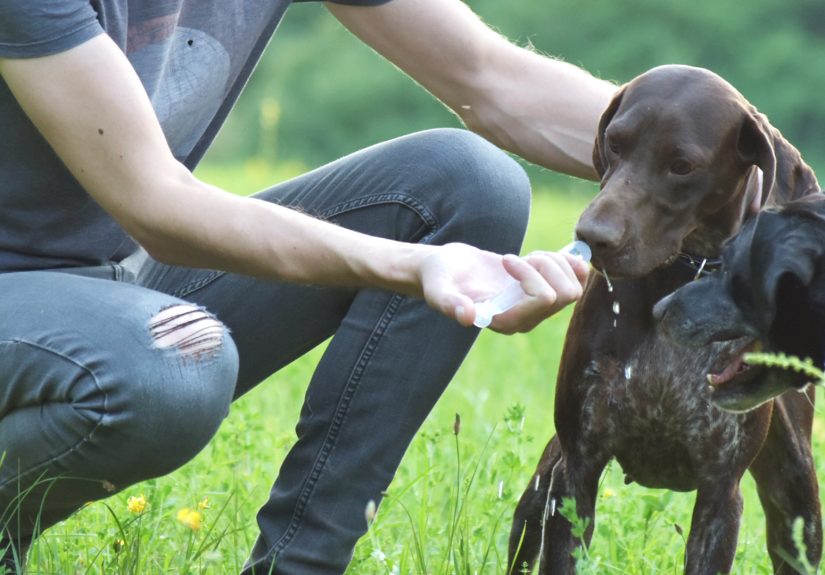
Trying to pour water into your dog’s mouth can cause choking or aspiration. If your dog won’t drink and you’re worried, offer ice chips or water-rich food and call your vetespecially if vomiting or lethargy is involved.
Special Situations: Sick Dogs, Heat, and “I’ll Only Drink From the Toilet”
If your dog is sick (or nauseated)
Sick dogs may avoid water because it worsens nausea. Offer small amounts more frequently, try ice chips, and consider adding aroma (very diluted broth) if your vet says it’s okay. If your dog can’t keep water down, contact a veterinarian promptlymoderate to severe dehydration often needs professional fluids.
If it’s hot or humid
Heat and humidity raise dehydration risk. Provide shade, avoid over-exercise, bring water on outings, and keep your dog cool. Dogs with short noses, seniors, overweight dogs, and dogs with heart/lung disease are at higher risk in heat.
If your dog prefers “forbidden water”
Dogs who ignore their bowl but drink from puddles, pools, or toilets may be chasing cooler water, interesting smells, or novelty. Your job: make the bowl more appealing than the gross alternatives (fresh water, clean bowl, fountains, and better placement). Also block access to unsafe sourcesstanding water can carry bacteria, chemicals, and parasites.
FAQ: Quick Answers for Worried Dog Parents
How long can a dog go without drinking water?
This varies, but waiting it out is riskyespecially for puppies, seniors, and sick dogs. If your dog is refusing water and acting unwell, or if there’s vomiting/diarrhea, contact your vet right away.
Should I restrict water to prevent accidents in the house?
For healthy adult dogs, access to water should generally remain available. If you’re housetraining a puppy, follow veterinarian/trainer guidance carefully and never restrict daytime water in a way that risks dehydration. If your dog is drinking excessively and having accidents, that can signal a medical problemget veterinary advice before changing access to water.
What if my dog is drinking way more than usual?
Increased thirst can be linked to heat/exercise, diet changes, or medical issues (including endocrine or kidney concerns). Measure intake for a day and call your veterinarian to discuss next steps.
Real-World Experiences: What Actually Worked (and What Flopped)
Here’s what dog owners and veterinary pros commonly notice in the real world: most hydration “mysteries” are actually a stack of small issues. No single trick is magic, but the right combination can turn a stubborn non-drinker into a normal, casual sipper.
One of the most consistent patterns is the “dirty bowl boycott.” Dogs don’t write one-star reviews, but they absolutely have standards. Owners often report that simply scrubbing bowls daily and swapping them out (especially if the old one held a lingering smell) increased drinking within 24–48 hours. It’s unglamorous, but it worksand it’s a lot cheaper than buying five fancy gadgets in a hydration panic.
Another common win is the “location upgrade.” Dogs that are timid around other pets, startled by noisy appliances, or bothered by foot traffic may avoid the bowl even when thirsty. Moving water to a quiet, predictable cornersometimes just a few feet awaycan make a surprising difference. Multi-dog households often do best with multiple stations so no one has to “negotiate” their turn at the bowl like it’s a busy coffee shop.
Then there’s the temperature preference twist. Many dogs drink more when water is cool and fresh, especially in warm weather. But owners of senior dogs or dogs with dental soreness frequently report the opposite: cold water can be uncomfortable, and room-temperature water goes down easier. The takeaway: if you’re adding ice and it’s not helping, don’t assume your dog is being dramatictry the other direction.
Fountains are a love-it-or-ignore-it category. Some dogs become instantly obsessed with running water (and will follow you to the bathroom for “sink time”), while others treat fountains like suspicious alien technology. The dogs most likely to benefit tend to be novelty-seekers or “moving water” fans. The dogs least impressed are often the ones who prefer predictable routines. If you try a fountain, owners consistently report two make-or-break factors: quiet operation (no scary hum) and easy cleaning (because a slimy fountain gets rejected fast).
For picky drinkers, flavoring waterused lightlyoften works when nothing else does. Many owners say a teaspoon or two of low-sodium broth diluted into a full bowl gets initial interest, then they slowly reduce flavor over time until plain water is accepted again. A frequent “flop” is overdoing it: too salty, too rich, or changing flavors constantly can backfire and create a dog who now expects a rotating menu.
Finally, when dogs are mildly off their food or recovering from illness, owners often see success with hydration through meals: soaking kibble, mixing in wet food, or blending a simple slurry with extra water. It’s less about convincing a dog to “go drink water” and more about sneakily increasing total fluid intake in a way that feels like dinner. The key lesson from these experiences is simple: start basic, change one variable at a time, and if your dog seems truly unwell, stop experimenting and call your veterinarian.
Conclusion
Getting your dog to drink water isn’t about winning a battle of willsit’s about making hydration easy, appealing, and routine. Start with clean bowls and fresh water, add extra stations, consider a fountain, and use safe flavor boosts or water-rich meals when needed. Most importantly, know the warning signs of dehydration and involve your veterinarian early if your dog is sick, vomiting, lethargic, or showing severe symptoms. Your goal is a hydrated dog, not a “fine, I guess I’ll drink” compromise that arrives too late.







 Close
Close