
Table of Contents >> Show >> Hide
- What Does “Male Fertility” Really Mean?
- 1. Start With a Semen Analysis and Medical Checkup
- 2. Reach and Maintain a Healthy Weight
- 3. Eat a Fertility-Friendly, Antioxidant-Rich Diet
- 4. Exercise Consistently, But Avoid Overtraining
- 5. Quit Smoking, Vaping, Cannabis, and Recreational Drugs
- 6. Limit Alcohol and Protect Hormone Balance
- 7. Sleep Better and Manage Stress
- 8. Keep the Testicles Cool
- 9. Prevent STIs and Reduce Environmental Toxin Exposure
- 10. Time Sex Well and Be Patient for the 90-Day Window
- Should Men Take Fertility Supplements?
- Common Mistakes That Can Lower Sperm Count
- Real-World Experiences: What Men Often Notice During a Fertility Reset
- Conclusion
Note: This article is for educational purposes only and is not a substitute for medical advice, diagnosis, or treatment. If pregnancy has not happened after 12 months of regular unprotected sex, or after 6 months when the female partner is 35 or older, a fertility evaluation is a smart next step.
Male fertility rarely gets the spotlight it deserves. In many couples trying to conceive, the conversation immediately jumps to ovulation calendars, prenatal vitamins, and whether the moon is in a suspiciously fertile mood. But sperm health mattersa lot. Fertility depends on sperm count, sperm movement, sperm shape, hormone balance, ejaculation, reproductive anatomy, and overall health. In plain English: sperm need to be produced, protected, delivered, and energetic enough to finish the job.
The good news is that many habits that support better sperm count also support better overall health. The less thrilling news is that sperm do not change overnight. Sperm production takes roughly two to three months, so improvements from diet, exercise, sleep, stress reduction, and avoiding harmful exposures may take about 90 days to show up on a semen analysis. Think of it as a quarterly performance review for your reproductive systemwithout the awkward meeting room.
Below are 10 evidence-informed ways to boost male fertility and increase sperm count naturally, safely, and realistically. No magic powders. No miracle promises. Just practical steps that can help create a more sperm-friendly body.
What Does “Male Fertility” Really Mean?
Male fertility is not only about sperm count. A healthy semen analysis usually looks at several factors: sperm concentration, total sperm number, motility, morphology, semen volume, and sometimes DNA fragmentation or hormone levels. Low sperm count, also called oligospermia, can make conception more difficult, but it does not always make pregnancy impossible. Some men with low counts can still father children, while others with “normal” numbers may struggle because of motility, anatomy, infection, hormones, or sperm quality.
That is why the best approach is not simply “more sperm at any cost.” The goal is healthier sperm, better reproductive function, and a body environment that supports conception.
1. Start With a Semen Analysis and Medical Checkup
Before buying every supplement with a muscular label and a suspiciously shiny capsule, start with data. A semen analysis is the basic test for male fertility. It can show whether sperm count, motility, morphology, or semen volume may be contributing to trouble conceiving.
A medical evaluation can also identify treatable causes of male infertility, including varicocele, hormonal imbalance, infection, blockage, diabetes, thyroid problems, medication effects, or prior injuries. A varicocele, for example, is an enlargement of veins around the testicle and is one of the more common correctable causes of male infertility. It may affect testicular temperature and sperm quality.
When to see a specialist
Consider seeing a reproductive urologist or fertility specialist if you have testicular pain, swelling, a history of undescended testicles, cancer treatment, testosterone use, erectile or ejaculation problems, repeated pregnancy loss with a partner, or no pregnancy after a year of trying. A semen analysis is not a judgment of masculinity. It is a lab test. The cup is awkward; the information is useful.
2. Reach and Maintain a Healthy Weight
Body weight can influence testosterone, sperm production, inflammation, insulin resistance, and reproductive hormones. Higher body mass index has been linked in research with lower sperm count and reduced sperm movement. Excess abdominal fat may also affect hormone balance by increasing the conversion of testosterone into estrogen-like signals.
This does not mean every man needs a six-pack. Fertility does not require looking like a superhero action figure who eats only chicken breast and emotional restraint. The goal is a sustainable weight range that supports metabolic health. Even modest weight loss, when needed, may help improve hormone function, energy, and semen parameters over time.
Practical steps
Build meals around lean protein, vegetables, fruit, whole grains, beans, nuts, olive oil, and fish. Reduce ultra-processed snacks, sugary drinks, and heavy late-night meals. If weight loss is the goal, aim for gradual progress instead of crash dieting, which can stress the body and backfire.
3. Eat a Fertility-Friendly, Antioxidant-Rich Diet
Sperm are vulnerable to oxidative stress, which can damage cell membranes and DNA. Antioxidants help protect cells from that damage. A fertility-friendly diet does not need to be fancy. It should look more like a colorful Mediterranean-style plate and less like a gas station treasure hunt.
Focus on foods rich in vitamin C, vitamin E, zinc, selenium, folate, omega-3 fatty acids, and polyphenols. Good choices include berries, citrus, leafy greens, tomatoes, bell peppers, beans, lentils, walnuts, pumpkin seeds, eggs, salmon, sardines, oats, avocado, and extra-virgin olive oil.
Foods that may support sperm health
Try oatmeal with berries and walnuts for breakfast, a salmon-and-greens bowl for lunch, and turkey chili with beans and vegetables for dinner. Snack on Greek yogurt, fruit, nuts, or carrots with hummus. Hydrate with water instead of turning every afternoon into a soda festival.
Diet alone cannot fix every fertility problem, but it can improve the internal environment where sperm are made. If sperm had a Yelp review system, they would probably give five stars to antioxidants, balanced blood sugar, and healthy fats.
4. Exercise Consistently, But Avoid Overtraining
Regular physical activity supports male fertility by improving weight management, insulin sensitivity, circulation, mood, sleep, and hormone balance. Moderate aerobic exercise and strength training are both useful. A practical weekly goal is about 150 minutes of moderate activity, plus two or three strength sessions.
Walking, cycling in moderation, swimming, jogging, resistance training, hiking, and sports can all help. The best exercise is the one you can keep doing without hating your entire calendar.
The warning about steroids and testosterone
A major fertility trap is anabolic steroids or testosterone therapy used without proper medical guidance. Many men assume more testosterone means more fertility, but external testosterone can suppress the brain signals that tell the testicles to make sperm. In some men, sperm production drops dramatically. If you are trying to conceive, never start testosterone, anabolic steroids, or “test boosters” without discussing fertility goals with a qualified clinician.
5. Quit Smoking, Vaping, Cannabis, and Recreational Drugs
Smoking is associated with poorer semen quality, lower sperm count, reduced motility, and increased oxidative stress. Vaping may expose the body to chemicals that are not ideal for reproductive health, and cannabis has been linked in some studies to changes in sperm concentration, motility, and hormone signaling. Recreational drugs can also interfere with libido, erections, hormones, and sperm production.
Quitting is not easy, but it is one of the highest-impact changes for male fertility and long-term health. Because sperm development takes a few months, stopping now may help improve the quality of sperm produced in the next cycle.
A realistic quitting strategy
Pick a quit date, remove triggers from your environment, tell someone supportive, and use evidence-based help such as counseling, nicotine replacement, or medical guidance when appropriate. The goal is not to become perfect overnight. The goal is to stop feeding the smoke machine and give your reproductive system a cleaner workspace.
6. Limit Alcohol and Protect Hormone Balance
Heavy alcohol intake can interfere with testosterone production, liver hormone metabolism, erections, sleep quality, and sperm development. Occasional moderate drinking may not ruin fertility, but frequent heavy drinking is a different story. Sperm prefer a stable, well-rested, well-nourished bodynot a weekend-long bachelor party that somehow became a lifestyle.
If you are actively trying to conceive, consider cutting alcohol sharply or avoiding it for at least three months. This gives your body time to produce a new batch of sperm under better conditions. If alcohol is difficult to reduce, talk with a healthcare professional. Fertility is one reason to cut back, but your liver, blood pressure, mood, and sleep will also applaud politely.
7. Sleep Better and Manage Stress
Sleep and stress affect reproductive hormones, inflammation, libido, and lifestyle choices. Poor sleep can lower energy, increase cravings, reduce motivation to exercise, and disrupt hormonal rhythms. Chronic stress may also affect sexual function and semen quality indirectly through cortisol, poor sleep, alcohol use, and tension in the relationship.
How to make sleep fertility-friendly
Aim for seven to nine hours of sleep when possible. Keep a consistent bedtime, reduce bright screens before bed, cool the room, and limit late caffeine. If you snore loudly, wake up gasping, or feel exhausted after a full night in bed, ask about sleep apnea. Untreated sleep apnea can affect testosterone, mood, and overall health.
Stress tools that actually fit real life
Try a 10-minute walk after dinner, breathing exercises, journaling, therapy, prayer or meditation, stretching, or simply building a less chaotic morning routine. Stress management does not have to involve a silent mountain retreat. Sometimes it is turning off work email after dinner and not arguing with strangers in comment sections.
8. Keep the Testicles Cool
Sperm production works best when the testicles stay slightly cooler than core body temperature. Regular exposure to high heat may temporarily reduce sperm production or sperm quality. Hot tubs, saunas, very hot baths, laptops placed directly on the lap, and tight heat-trapping underwear may be worth reconsidering while trying to conceive.
This does not mean you must live like a penguin. It means avoiding repeated, prolonged heat exposure. Choose breathable underwear, take breaks from sitting, keep laptops on a desk, and avoid frequent hot tub sessions during the fertility window. If you use a sauna occasionally, panic is unnecessary. But if you are dealing with low sperm count, reducing heat exposure is a reasonable experiment for three months.
9. Prevent STIs and Reduce Environmental Toxin Exposure
Some sexually transmitted infections can cause inflammation, epididymitis, scarring, pain, or reproductive tract damage. Chlamydia and gonorrhea are especially important because they can be silent and still cause complications. If there is any risk of exposure, testing and treatment matter. Condoms, mutual monogamy with a tested partner, and regular screening are not just responsible choices; they are fertility protection.
Everyday toxin reduction
Environmental exposures may also affect sperm health. Men who work around pesticides, solvents, heavy metals, radiation, high heat, or industrial chemicals should use protective equipment and follow workplace safety rules. At home, wash produce, avoid heating food in plastic containers, ventilate when using solvents or paints, and reduce unnecessary exposure to harsh chemicals.
You do not need to become afraid of every receipt, plastic bottle, or parking garage. The realistic approach is simple: reduce avoidable exposures, especially during the three months before trying to conceive.
10. Time Sex Well and Be Patient for the 90-Day Window
More sperm is not always better if the sperm are older, less motile, or exposed to oxidative stress during long abstinence. For most couples trying naturally, sex every one to two days during the fertile window is a practical strategy. The fertile window usually includes the five days before ovulation and the day of ovulation.
Ovulation predictor kits, cycle tracking, cervical mucus changes, or fertility apps may help estimate timing. However, do not turn intimacy into a military operation with a clipboard and a whistle. Pressure can drain the joy out of the process. A steady rhythm of sex every couple of days around mid-cycle often works better than trying to hit one “perfect” moment.
Why three months matters
Because sperm take roughly two to three months to develop, lifestyle improvements need time. If you improve diet, quit smoking, reduce alcohol, sleep better, and avoid heat for one week, your body appreciates itbut your semen analysis may not show the full effect yet. Give changes a realistic window of about 90 days before judging results.
Should Men Take Fertility Supplements?
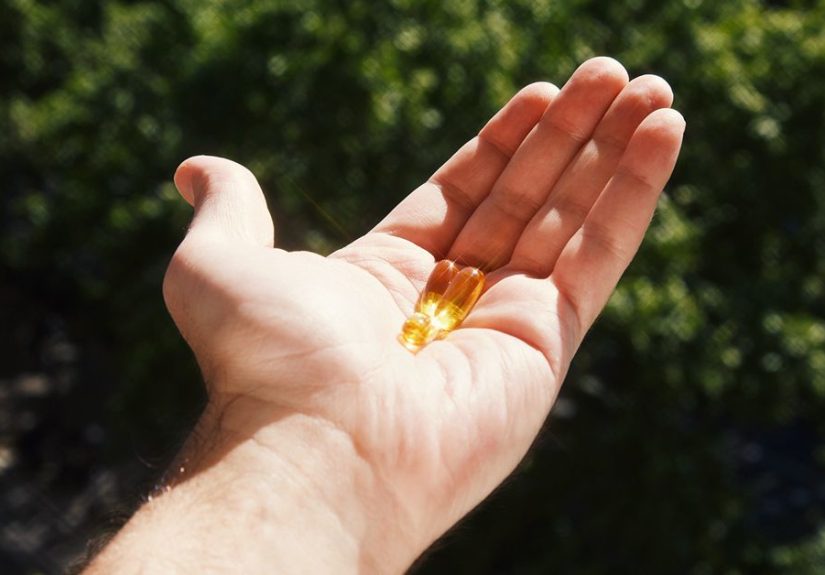
Supplements can be helpful in some cases, especially when there is a deficiency or oxidative stress, but they are not magic. Common ingredients in male fertility supplements include zinc, selenium, folate, vitamin C, vitamin E, CoQ10, L-carnitine, omega-3 fatty acids, and sometimes vitamin D. Some studies suggest antioxidant formulas may improve semen parameters, but results vary, and product quality is not always consistent.
Before starting supplements, consider talking with a clinician, especially if you take medication, have kidney disease, liver disease, clotting problems, cancer history, or hormonal conditions. More is not always better. Mega-dosing vitamins can create new problems while trying to solve old ones. Sperm like support, not chaos.
Common Mistakes That Can Lower Sperm Count
Ignoring male testing
Couples sometimes spend months focusing only on the female partner before checking semen quality. Since male factors contribute to many fertility challenges, semen testing should happen early.
Using testosterone while trying to conceive
This is one of the most important mistakes to avoid. External testosterone can suppress sperm production. Men who want children should discuss fertility-preserving options with a reproductive urologist.
Expecting instant results
A healthy dinner tonight will not transform tomorrow morning’s semen analysis. Consistency over three months is the more realistic target.
Buying “miracle” fertility pills
If a product promises explosive sperm count increases in seven days, treat it like a raccoon selling financial advice. Be skeptical.
Real-World Experiences: What Men Often Notice During a Fertility Reset
Many men start a fertility plan with one emotion: mild panic wrapped in confusion. The first semen analysis can feel personal, even though it is simply information. A common experience is surprise. A man may feel healthy, work full-time, exercise occasionally, and have no obvious symptoms, yet still discover low motility, borderline count, or abnormal morphology. That moment can be frustrating, but it can also be useful. Once the numbers are visible, the plan becomes clearer.
One typical experience is the “90-day mindset shift.” In the first week, people often want immediate proof that changes are working. They quit smoking, buy vegetables, drink more water, avoid hot tubs, and then wonder why nothing has happened yet. But male fertility is not a light switch. It is more like growing a garden. The seeds planted today are not harvested tomorrow. After several weeks, men often notice better energy, improved workouts, steadier mood, and better sleep before any fertility retest confirms change.
Another common experience involves relationships. Trying to conceive can make sex feel scheduled, measured, and strangely administrative. Couples may joke about “appointment intimacy,” but the pressure can be real. The healthiest approach is usually a balance: track the fertile window, but keep warmth and humor alive. Sex every one to two days during the fertile window is practical, but emotional connection matters too. A fertility plan should not turn partners into coworkers on a reproductive project.
Diet changes can also be surprisingly manageable when framed correctly. Many men do better when they add before they subtract. Add berries to breakfast. Add salmon once or twice a week. Add a big salad or vegetable side at dinner. Add nuts instead of chips. Over time, the less helpful foods naturally get crowded out. This feels less punishing than declaring war on every snack in the house.
Exercise often brings the fastest emotional reward. A consistent walking and strength routine can improve confidence, stress, weight, and sleep. However, some men need to learn that more is not always better. Extreme training, poor recovery, and steroid use can undermine fertility goals. The sweet spot is steady, moderate, repeatable movement.
The most encouraging experience is realizing that male fertility is not separate from overall health. Better sperm habits are also better heart, hormone, mood, and energy habits. Even when medical treatment is needed, lifestyle improvements still create a stronger foundation. The goal is not perfection. It is progress repeated long enough for the body to notice.
Conclusion
Boosting male fertility and increasing sperm count starts with realistic, science-informed action. Get tested, protect your reproductive health, eat a colorful antioxidant-rich diet, exercise consistently, sleep well, reduce stress, avoid smoking and heavy alcohol, keep the testicles cool, prevent STIs, and be cautious with testosterone or unproven supplements. These steps cannot guarantee pregnancy, because fertility is complex and involves both partners. But they can improve the odds by supporting healthier sperm and a healthier body.
If you remember one thing, make it this: give changes about three months. Sperm need time to develop. A better lifestyle today is an investment in the sperm your body produces tomorrow. That may not sound as glamorous as a miracle cure, but it is far more usefuland it comes with fewer suspicious internet ads.





 Close
Close