
Table of Contents >> Show >> Hide
- Why a Painted Black Brick Fireplace Works So Well
- Before You Paint: Understand the Trade-Off
- Choosing the Right Black: Not All Blacks Behave the Same
- How to Paint a Black Brick Fireplace the Right Way
- Firebox vs. Surround: The Safety Detail You Should Not Ignore
- Design Ideas That Make a Black Fireplace Look Incredible
- Mistakes to Avoid
- Is a Painted Black Brick Fireplace Worth It?
- Real-Life Experience: What Living With a Painted Black Brick Fireplace Actually Feels Like
- Conclusion
A painted black brick fireplace is one of those design moves that sounds slightly dramatic until you see it in the wild. Then suddenly it makes perfect sense. What looked dated, dusty, orange, or visually busy becomes crisp, moody, and intentionally architectural. A black fireplace can anchor a room, sharpen the lines of a traditional hearth, and make even an average living room feel like it finally hired a stylist.
That said, this is not a slap-some-paint-on-it-and-hope-for-the-best project. Brick is porous. Fireplaces collect soot. Black paint changes the way light behaves in a room. And once you paint brick, you are not making a casual commitment. You are basically entering a long-term relationship with it. A stylish relationship, sure, but a relationship nonetheless.
If you are considering a painted black brick fireplace, this guide walks through the design appeal, the prep work, the finish choices, the common mistakes, and the real-life experience of living with one. The goal is simple: help you decide whether black is the bold, beautiful answer your fireplace needs, or whether another finish might suit your home better.
Why a Painted Black Brick Fireplace Works So Well
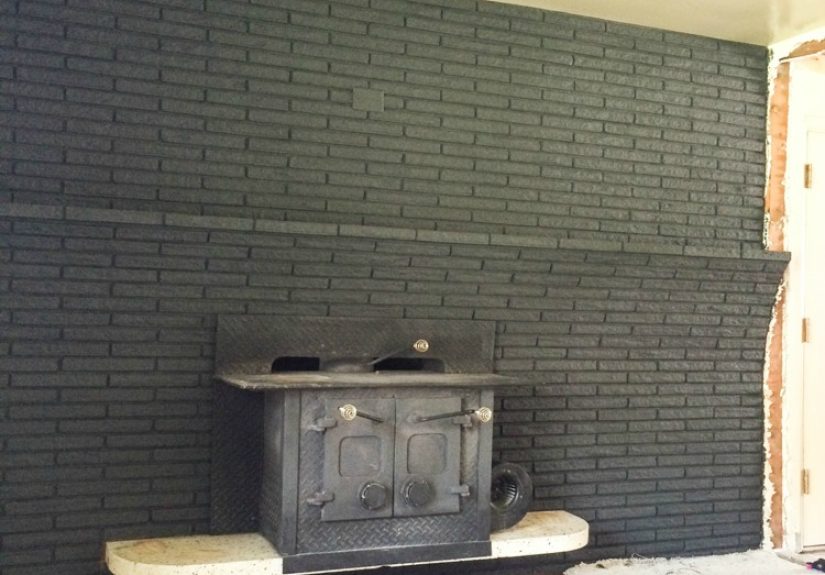
Black has a strange superpower in interior design. It can stand out and disappear at the same time. On a brick fireplace, that means it highlights the shape and texture of the masonry while toning down the patchy red, orange, tan, or pink undertones that often make older brick feel stuck in another decade.
In practical terms, a painted black brick fireplace can make a room feel more modern, more tailored, and more expensive. Even when the fireplace itself is not fancy, black gives it presence. The individual bricks read less like visual clutter and more like texture. The mortar lines feel intentional. The hearth becomes a focal point instead of an apology.
This look works especially well in homes that already have some contrast. Think white walls, warm oak floors, brass accents, black window frames, or clean-lined furniture. A black fireplace also plays beautifully with layered neutrals, natural linen, leather, and wood. It is dramatic without being loud. It says, “Yes, I have taste,” without screaming it across the room.
It modernizes without removing character
One reason homeowners love this update is that it preserves the physical texture of brick while refreshing the color story. You still get the depth, roughness, and handcrafted look of masonry. You just lose the dated tone that may be fighting your decor.
It can hide visual messiness
Old brick often has uneven coloration, previous repairs, stains, or mortar patches. Black unifies those inconsistencies. It does not make the texture disappear, but it can make the whole fireplace read as one cohesive feature rather than a collage of old building materials trying to relive their glory days.
It adds mood in the best way
There is a reason dark fireplaces show up so often in magazine-worthy living rooms. They add depth. They give a room gravity. And when styled with the right mantel decor, art, mirrors, or lighting, they create that cozy-but-sophisticated atmosphere people are always chasing and rarely naming correctly.
Before You Paint: Understand the Trade-Off
Painting brick is not the same as painting drywall. Brick is naturally varied, breathable, and textured. Once coated, its original color and some of its raw character are altered for good. That is why the decision deserves a little reflection before the paint can even thinks about leaving the can.
If you love the natural look of brick and just want it softened, alternatives like whitewashing, limewashing, or staining may be worth considering. Those finishes usually allow more of the original surface variation to show through. But if your goal is a clean, dramatic, fully transformed fireplace, black paint is often the stronger choice.
Ask yourself a few practical questions. Does the fireplace feel too orange or too rustic for the room? Do you want the hearth to stand out or blend in? Do you have enough natural light to support a dark focal point? Are you comfortable with the fact that painted brick will require upkeep over time? If the answers point toward bold contrast and a more current look, black may be exactly right.
Choosing the Right Black: Not All Blacks Behave the Same
This is where many people go wrong. They assume black is black, buy the first can with an intimidating name, and end up with a fireplace that looks either too blue, too flat, or oddly brown at sunset. Black paint is surprisingly nuanced. Some versions are warm and soft. Others lean cool and inky. Some feel velvety. Others feel harsh under bright daylight.
Testing samples matters here. A black that looks elegant in a product photo may look severe in a dim room. Another may read charcoal instead of true black once it hits textured brick. Because brick creates shadow and variation, the final result often appears softer than a smooth wall would. That can be a good thing. It keeps the fireplace from looking like a giant black rectangle dropped into the room by an overly confident algorithm.
Matte or flat black
This finish gives the most natural, architectural look. It downplays shine and lets the texture do the talking. If you want a fireplace that feels modern, quiet, and a little editorial, matte is hard to beat.
Satin black
Satin offers a subtle sheen and is generally easier to wipe down. It can be a smart choice if your fireplace surround tends to collect soot, dust, or fingerprints. It also works well when you want the black to feel refined but not glossy.
Glossy black
Gloss can be dramatic, but it is risky on brick. On the right fireplace, it looks chic and intentional. On the wrong one, it can make the surface feel artificial or plasticky. Most homeowners aiming for a painted black brick fireplace prefer matte or satin for a more believable finish.
How to Paint a Black Brick Fireplace the Right Way
A great result starts long before the paint goes on. Prep is the part everyone wants to rush and the part that determines whether the finish looks rich and durable or tired by next season.
1. Clean the brick thoroughly
Brick attracts soot, dust, ash, and oily residue, especially near the firebox opening. Start by vacuuming loose debris. Then scrub the brick with an appropriate cleaner so the paint is not bonding to years of fireplace history. Rinse if needed and let the brick dry completely. If you skip this, the paint may adhere poorly, and no one wants peeling elegance.
2. Repair cracks and loose mortar
Paint will not magically disguise structural issues. Fill obvious cracks, repair crumbling mortar if necessary, and make sure the surface is stable. Paint is a finish, not a miracle worker.
3. Prime porous brick
Primer helps create a more even surface, improves adhesion, and reduces the amount of topcoat the brick drinks like it just crossed a desert. On rough brick, primer is not optional if you want consistent color. It is part of the system.
4. Use the right tools
A roller with enough nap to reach the texture will speed up the larger areas, while a brush helps work paint into mortar lines and crevices. Most fireplaces need both. This is not a one-tool situation unless you enjoy unnecessary frustration.
5. Plan on two coats
Brick rarely looks finished after one coat, especially in black. The first coat often reveals how unevenly the masonry absorbs paint. The second coat brings the depth, richness, and consistency that make the fireplace look intentionally designed instead of casually attacked.
6. Let it cure and settle
Freshly painted brick often looks a little different once fully dry. Give it time before judging the final tone. And if the fireplace is functional, follow the paint manufacturer’s cure guidance before exposing the area to heat.
Firebox vs. Surround: The Safety Detail You Should Not Ignore
This is the part many DIY articles glide past too quickly. The visible brick surround outside the actual burn area is not the same as the firebox interior. They do not live the same life, and they should not automatically get the same coating.
If you are painting the outer surround, a properly matched masonry paint system is often appropriate. If you want to paint inside the firebox or on surfaces exposed to much higher heat, you need a product specifically labeled for that use. Some high-heat paints are intended for metal surfaces, not masonry. Others are made for fireboxes. Reading the product label is not glamorous, but it is smarter than discovering the wrong paint the smoky way.
In other words, the phrase “fireplace paint” is not specific enough. Match the product to the exact surface and heat exposure. Your future self, your finish, and probably your nose will appreciate it.
Design Ideas That Make a Black Fireplace Look Incredible
Pair it with warm wood
One of the best ways to keep a black fireplace from feeling too stark is to add a natural wood mantel. Oak, walnut, reclaimed wood, or even a simple stained shelf can soften the depth of black and make the whole feature feel grounded and warm.
Color drench the whole wall
Painting the fireplace, mantel, surrounding trim, and even the wall behind it in the same dark tone creates a cocooning, designer-forward look. This works especially well in living rooms with good natural light and minimal visual clutter.
Keep the decor simple
Black already makes a statement. You do not need to crowd the mantel with twenty-seven objects and an emotional support garland. A framed art piece, a mirror, a pair of candlesticks, or a small vase is often enough.
Balance it with lighter surroundings
If the room feels heavy, bring in contrast through creamy walls, pale textiles, or lighter furniture. Black loves balance. It shines when the rest of the room gives it space to breathe.
Mistakes to Avoid
The first mistake is painting dirty brick. The second is choosing the wrong sheen. The third is assuming every part of the fireplace can be treated the same way. Beyond that, homeowners often underestimate how black changes a room’s mood.
A black fireplace can make a bright room feel elegant and grounded. In a darker room, it can also make the space feel smaller if there is not enough contrast elsewhere. That does not mean it is a bad choice. It just means the room may need warmer lighting, lighter textiles, or a better balance of materials after the makeover.
Another common mistake is ignoring undertones. A cool black next to warm beige walls can feel disconnected. A softer black with warmer undertones may blend better in a traditional home. Sampling is not boring. Sampling is what separates “wow” from “well, that escalated.”
Is a Painted Black Brick Fireplace Worth It?
For many homeowners, yes. If you have a fireplace with good bones but tired color, black paint can deliver a major transformation without a full renovation. It is often more affordable than re-facing the fireplace with stone or tile, and the visual payoff can be enormous.
It is especially worth considering when the room already leans modern, transitional, or collected-and-curated. If your style is soft, airy, or cottage-inspired, a black fireplace can still work, but the styling around it matters more. The goal is to make it feel intentional, not like a dramatic plot twist.
At its best, a painted black brick fireplace feels timeless, grounded, and fresh. It can make an old hearth feel custom. It can turn an awkward focal point into a confident one. And it proves, once again, that sometimes the fastest way to update a room is not by adding more things, but by making one thing finally look right.
Real-Life Experience: What Living With a Painted Black Brick Fireplace Actually Feels Like
The experience of living with a painted black brick fireplace is usually a story in phases. At first, there is the nervous stage. Homeowners stare at the old red brick for a suspiciously long time, wondering whether painting it is brave, brilliant, or a mild design felony. Then the paint goes on, and the room changes so quickly that the reaction is often immediate: the fireplace finally looks intentional.
In real homes, one of the first things people notice is how black simplifies the room. Furniture that used to compete with orange or pink brick suddenly looks calmer. Artwork above the mantel feels more grounded. Wood floors look richer. Even inexpensive decor can seem more polished because the fireplace now reads as a clean architectural feature instead of a loud background element.
Another common experience is surprise at how textured black brick still looks. Many people worry that paint will flatten the fireplace completely, but on rough masonry, that usually does not happen. The brick lines remain visible. The mortar still adds depth. What changes is the visual noise. The fireplace often looks less busy and more sculptural, especially in morning light or under soft lamps in the evening.
There are a few practical lessons people tend to learn quickly. Dust is easier to spot in certain lighting, especially on very matte finishes. Soot around the opening may still need occasional wiping, even though black often hides minor discoloration better than lighter colors. And once the fireplace looks elevated, the mantel decor often has to catch up. A freshly painted black hearth has a funny way of exposing random decor choices that used to get a free pass.
Seasonally, the experience is also interesting. In fall and winter, a black fireplace can make a room feel incredibly cozy. Candles glow more warmly against it. Firelight looks sharper. Wood tones look richer. During spring and summer, the same fireplace can still feel stylish, but it may need lighter styling around it, such as a mirror, a simple vase, or airy branches, so the room does not feel too heavy.
Emotionally, many homeowners describe the project as one of those rare updates that makes the whole room feel finished. Not louder. Not trendier. Just resolved. It can be the design equivalent of putting on the right jacket and realizing the outfit worked all along; it just needed structure. That is the real appeal of a painted black brick fireplace. It does not merely change the brick. It changes how the entire room organizes itself around that one feature.
Of course, there are also people who discover they love black in photos more than in their own homes. That usually happens when the room lacks contrast, natural light, or warm materials to balance the darkness. But when the surrounding palette is thoughtful, the result often feels more timeless than trendy. The fireplace becomes a steady visual anchor, the kind of feature guests casually compliment and homeowners quietly admire every time they walk past it with coffee in hand.
Conclusion
A painted black brick fireplace is not just a cosmetic change. It is a mood shift. It can modernize a dated hearth, highlight beautiful texture, and give a room the kind of focal point that feels confident rather than cluttered. The secret is choosing the right black, respecting the difference between the surround and the firebox, and doing the prep work that makes the finish last.
If your existing fireplace feels too busy, too orange, or simply out of sync with your style, black paint can be a remarkably effective update. Done well, it delivers drama, warmth, and sophistication in one move. And unlike many home projects that promise magic and deliver dust, this one often looks even better once you live with it.






 Close
Close