
Table of Contents >> Show >> Hide
- Why Black Dogs and Cats Are Often Overlooked
- Beautiful Portraits Can Change the First Impression
- How Portraits Help Black Shelter Pets Get Noticed
- What Makes a Great Portrait of a Black Dog or Cat?
- Black Cats Deserve Better Than Old Superstitions
- Black Dogs Need More Than a Kennel Photo
- The Adoption Bio Should Match the Portrait
- How Shelters, Volunteers, and Foster Homes Can Help
- Adopting a Black Dog or Cat: What People Should Know
- Why This Portrait Project Matters
- Personal Experiences: What I Learned Photographing Black Dogs and Cats
- Conclusion
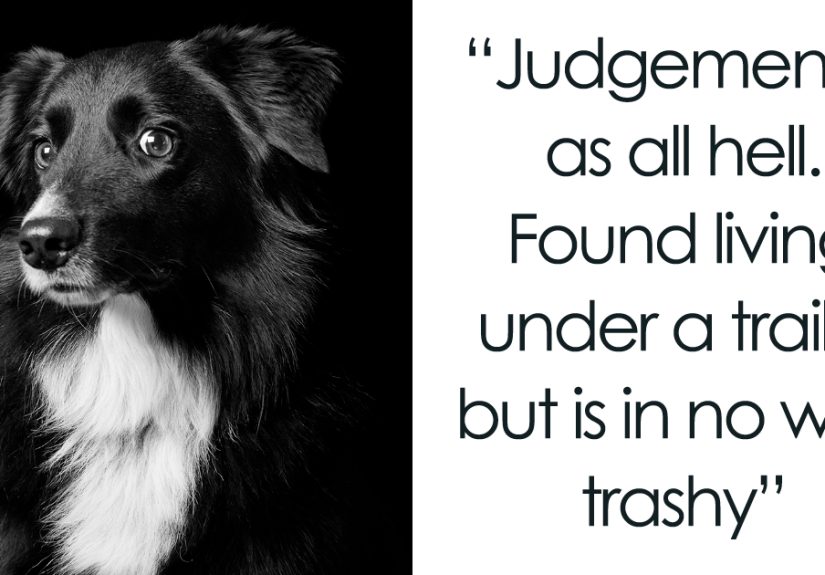
In a shelter full of hopeful faces, black dogs and cats can disappear in plain sight. Not because they are less loving, less playful, or less ready to become someone’s best friend, but because black fur has a strange talent for turning into a shadowy blob under bad lighting. One minute you have a majestic Labrador mix with soulful eyes; the next minute your adoption photo looks like someone dropped a velvet blanket on the floor and named it Kevin.
That is the problem I want to change with beautiful portraits. A great photograph cannot wag a tail, purr on your lap, or politely steal half your sandwich, but it can do the next best thing: it can make someone stop scrolling. For overlooked shelter pets, especially black dogs and black cats, that pause can be the beginning of a new life.
Across the United States, shelters and rescues continue to work under pressure. Millions of dogs and cats enter animal shelters each year, and adoption remains one of the most powerful ways to create space, reduce shelter stress, and give animals a second chance. Yet many shelter workers and volunteers have long noticed that dark-coated pets can be harder to market online. The reasons are not always simple. Sometimes it is old superstition. Sometimes it is poor photography. Sometimes it is the way people browse pet profiles like they are speed-dating with their thumbs. Whatever the reason, the solution starts with visibility.
Why Black Dogs and Cats Are Often Overlooked
The phrase “black dog syndrome” is often used to describe the belief that black dogs, especially large black dogs, are adopted more slowly than lighter-colored dogs. Black cats face a similar challenge, often tangled in outdated myths and Halloween-season stereotypes that should have retired centuries ago, preferably into a dusty broom closet.
The research is mixed, especially for dogs. Some studies and shelter reports suggest coat color can affect adoption outcomes, while others argue that size, age, breed label, behavior, shelter location, and photo quality may matter more than color alone. For cats, several shelter studies have found that darker-coated cats may face tougher odds in certain environments. The important point is not that every black animal everywhere is doomed to wait longer. That would be dramatic, and black cats already have enough undeserved drama. The point is that presentation matters, and black pets often need better presentation to compete fairly.
The “Black Blob” Problem
Black fur absorbs light. That sounds elegant until you try to photograph a black cat in a dim kennel and end up with two glowing eyes floating in a puddle of midnight. In many shelters, photos are taken quickly during intake. The animal may be nervous, the lighting may be harsh, and the background may be a stainless-steel cage, a concrete wall, or a blanket with the visual charm of a motel carpet.
For a tan dog, even an average photo may show eyes, eyebrows, ears, and expression. For a black dog, poor lighting can flatten every feature. The pet becomes a shape instead of a personality. On adoption websites, where people often make their first emotional connection through a thumbnail image, that is a serious disadvantage.
Online Adoption Is Visual First
Modern pet adoption often starts online. Potential adopters scroll through profiles, compare photos, read short bios, and decide who they want to meet. That first image is not just decoration. It is the handshake, the hello, the tiny digital paw tap that says, “Look at me.”
Animal welfare organizations frequently advise shelters and foster homes to use bright, clear photos and positive descriptions because they help animals stand out. A good adoption photo does not need to be fancy. It needs to be honest, flattering, and full of life. A black dog photographed outdoors with soft natural light can suddenly reveal amber eyes, shiny fur, goofy ears, and the kind of smile that says, “I may or may not have eaten a sock, but I will love you forever.”
Beautiful Portraits Can Change the First Impression
A portrait is more than a picture. It is a small act of translation. Shelter pets cannot explain that they love belly rubs, that they are gentle with children, that they have a championship-level head tilt, or that they purr like a tiny motorcycle when someone scratches under their chin. A portrait helps tell that story before a person ever walks through the shelter door.
For black dogs and cats, portrait photography is especially powerful because it restores detail. It shows the curve of a cheek, the shine of a coat, the softness of a gaze, and the personality hiding behind shelter stress. It turns “another black dog” into “Milo, the couch philosopher with satellite-dish ears.” It turns “black cat, domestic shorthair” into “Luna, the elegant biscuit-making professional with dramatic whiskers.”
Good Lighting Is Not Vanity; It Is Advocacy
Some people may hear “beautiful portraits” and think it sounds like glamour shots for pets. To be fair, if a black cat wants a wind machine and a feather boa, I am not here to crush anyone’s artistic vision. But adoption photography is not about making animals look unrealistic. It is about making them visible.
Good lighting separates black fur from the background. It catches the eyes. It reveals texture. It helps a viewer understand the animal’s size, shape, and expression. When the pet looks relaxed and approachable, the person viewing the profile can imagine meeting them. That imagination is where adoption begins.
Backgrounds Matter More Than People Think
A black animal against a dark kennel wall can vanish. A black animal against a clean, lighter background becomes the star of the frame. Simple choices make a huge difference: a pale blanket, green grass, a colorful toy, a soft neutral wall, or a bright bandana can create contrast without distracting from the pet.
The goal is not to turn shelter photography into a fashion magazine, although some cats absolutely believe they belong on the cover. The goal is clarity. Viewers should be able to see the animal’s face, body language, and personality quickly. In online adoption, speed matters. The photo has only a second or two to earn attention.
How Portraits Help Black Shelter Pets Get Noticed
When a portrait is done well, it creates an emotional bridge. A person does not merely see a pet; they feel invited to know that pet. This matters because adoption decisions are practical and emotional at the same time. People consider lifestyle, size, energy level, age, and cost, but the first spark is often visual.
A strong portrait can help a black dog or cat overcome three common barriers: low contrast in photos, unconscious bias, and generic descriptions. When the image is clear, the pet becomes memorable. When the pet is memorable, the bio gets read. When the bio gets read, the animal has a real chance.
From Shelter Animal to Individual Personality
One of the biggest problems in adoption marketing is sameness. A row of similar photos can make animals blur together. This is especially true when several black dogs or black cats are listed on the same page. Beautiful portraits make individuality visible.
Consider the difference between these two impressions:
“Black dog, 4 years old, mixed breed.”
Now compare that with:
“Nora is a gentle black mixed-breed dog with caramel eyes, a tiny white patch on her chest, and a habit of leaning into people like she is trying to become a weighted blanket.”
The second version gives adopters something to feel. Add a warm portrait where Nora’s eyes catch the light, and suddenly she is not a listing. She is Nora.
What Makes a Great Portrait of a Black Dog or Cat?
Photographing black pets is both simple and tricky. Simple because the subject is already beautiful. Tricky because the camera sometimes behaves like it has never seen the color black before and panics.
Use Soft, Even Light
Natural light is often the easiest option. Open shade, cloudy days, or light near a window can work beautifully. Direct noon sun can create harsh highlights and deep shadows, while dim indoor light can erase facial detail. The sweet spot is soft light that brightens the face without making the fur look flat.
For black cats, window light can be magic. Place the cat near the light source, not directly in a blazing sunbeam, and allow the eyes to catch a gentle reflection. For black dogs, outdoor shade or early morning light can reveal fur texture and expression. The goal is to make the eyes visible, because the eyes are usually where connection happens first.
Choose Contrast Without Chaos
A black pet on a black blanket is an invisibility spell. A black pet on a cream blanket, blue bench, green grass, or warm wood floor becomes easy to see. Contrast helps adopters recognize the animal’s shape and features. However, avoid backgrounds that are too busy. If the background looks like a craft store exploded, the pet has to compete for attention.
Get Down to Their Level
Photographing from above can make a dog look smaller or a cat look suspiciously like a furry puddle. Getting down to eye level creates intimacy. It lets the viewer meet the animal face-to-face. For shy pets, this angle can also feel less intimidating because the photographer is not looming like a tax auditor with a camera.
Show Personality, Not Just Appearance
One portrait should show the face clearly. Another can show personality: a dog carrying a toy, a cat stretching on a blanket, a puppy leaning into a volunteer, or a senior pet resting with calm dignity. Adopters want to know what life with that animal might feel like. Is this pet silly? Mellow? Curious? Snuggly? A tiny chaos goblin with excellent cheekbones? The photo can help answer that.
Black Cats Deserve Better Than Old Superstitions
Black cats have carried centuries of unfair baggage. Depending on culture and period, they have been seen as lucky, unlucky, magical, mysterious, elegant, spooky, or suspiciously good at sitting on clean laundry. In American shelters, old myths can still influence perception, even when people do not consciously believe them.
The truth is much simpler: black cats are cats. They nap in sunbeams, chase toys, knock things off counters with scientific precision, and judge humans from windowsills. Their coat color has nothing to do with their ability to bond, play, comfort, or become the household supervisor.
Portraits can help remove the Halloween costume from the public imagination. A black cat photographed in warm light, with bright eyes and relaxed body language, looks less like a symbol and more like a companion. That shift matters. It brings the cat back from myth into reality.
Black Dogs Need More Than a Kennel Photo
Large black dogs often face a combination of challenges. Size can intimidate some adopters. Breed labels may create assumptions. Dark fur can hide facial expressions in photos. If the dog is stressed in the kennel, barking or jumping may further reduce interest. None of these factors means the dog is a poor match. It often means the dog has not been shown in the right context.
Take that same dog outside. Let him sniff the grass. Give him a minute to relax. Photograph him sitting beside a volunteer, looking up with soft eyes, or walking calmly on a leash. Suddenly the viewer sees possibility instead of pressure. The portrait becomes a more accurate introduction.
This is why foster photos and field-trip photos can be so effective. They show the animal outside the shelter environment. A dog curled up in a home, riding politely in a car, enjoying a park walk, or gently accepting treats gives adopters useful information. It says, “This is who I can be when I feel safe.”
The Adoption Bio Should Match the Portrait
A beautiful portrait may get attention, but the adoption bio keeps it. The writing should be specific, positive, and honest. Instead of leading with restrictions, start with personality. Instead of saying, “Must be only pet, no apartments, no young kids, experienced adopter required,” try beginning with who the animal is and what kind of home will help them shine.
For example: “Raven is a smart, affectionate dog who loves puzzle toys, slow walks, and leaning against her favorite people. She would do best as the only pet in a calm home where she can enjoy routine and plenty of couch time.”
That version still communicates needs, but it does not make the dog sound like a complicated appliance with fur. It gives adopters a reason to care.
How Shelters, Volunteers, and Foster Homes Can Help
Changing outcomes for black dogs and cats does not require a Hollywood studio. It requires intention. Shelters can create a small photo corner with a clean backdrop and good light. Volunteers can take updated photos after the animal has settled in. Foster homes can send pictures of pets relaxing in real-life settings. Social media teams can highlight black pets with personality-driven captions and short videos.
Even small upgrades matter. Replace a blurry intake photo. Add one close-up of the eyes. Show the full body. Include a playful shot. Add a short video of the pet responding to their name or enjoying a toy. The more complete the story, the easier it is for adopters to imagine saying yes.
Practical Portrait Ideas
For black cats, try photos near a window, on a light blanket, or beside a colorful toy. Capture whiskers, eyes, and relaxed poses. Avoid using flash directly in the face, which can create harsh reflections and make the cat look like it is preparing to haunt a Victorian mansion.
For black dogs, photograph outdoors when possible. Use treats or squeaky toys to bring attention toward the camera. Keep the background lighter than the dog. Focus on the eyes. If the dog knows commands, capture a sit, paw, or head tilt. If the dog is goofy, let the goofy happen. The world has enough serious portraits. Sometimes the photo that gets a dog adopted is the one where his ear is inside out and he looks delighted about it.
Adopting a Black Dog or Cat: What People Should Know
If you are considering adoption, do not let coat color make the decision for you. Ask about temperament, energy level, health, age, behavior, and lifestyle fit. Spend time with the animal. Talk to staff and volunteers. If the pet is in foster care, ask what they are like at home. A black coat tells you almost nothing about personality, except that your future lint roller may need emotional support.
Black pets can be affectionate, athletic, calm, silly, independent, loyal, cuddly, dignified, ridiculous, and everything in between. In other words, they are pets. They are individuals. The right match depends on who they are, not how much light their fur reflects.
Why This Portrait Project Matters
Taking beautiful portraits of black dogs and cats is not just an art project. It is a visibility project. It challenges the way people see animals who have been overlooked. It helps shelters market pets more effectively. It gives adopters a better first impression. Most importantly, it gives each animal the dignity of being seen clearly.
Every black dog deserves more than a shadowy kennel photo. Every black cat deserves more than a superstition. A portrait says, “Look again.” It says, “There is someone here.” And sometimes, that is all it takes for the right person to fall in love.
Personal Experiences: What I Learned Photographing Black Dogs and Cats
The first thing I learned about photographing black shelter pets is that patience is more useful than any camera lens. You can have the best equipment in the world, but if a dog is nervous or a cat has decided your backdrop is personally offensive, the session will not go anywhere until you slow down. Animals do not care about your schedule. Cats especially treat schedules as light fiction.
One black dog I photographed had been passed over for weeks. In his kennel photo, he looked huge, tense, and impossible to read. His eyes disappeared into his face, and his body language looked stiff because he was standing behind bars. Outside, he changed completely. He sniffed the grass, leaned against a volunteer, and gave one of those slow, hopeful looks that make your heart quietly pack a suitcase and move in. The final portrait showed his brown eyes, glossy coat, and gentle expression. He was not a “big black dog” anymore. He was a soft-hearted goofball who wanted a person.
Another session involved a black cat who refused to sit anywhere except inside the empty prop basket. At first, I tried to coax her onto a blanket. She disagreed. Strongly. So the basket became her throne. With window light hitting her face and a pale background behind her, her whiskers glowed, her eyes turned bright gold, and her personality came through: confident, curious, and slightly annoyed that the humans had taken so long to recognize royalty. That photo became one of my favorites because it felt honest. Adoption portraits work best when they do not force an animal to be something they are not.
I also learned that volunteers and shelter staff are the secret heroes behind good photos. They know which dog loves tennis balls, which cat melts for chin scratches, which puppy needs five minutes to stop bouncing, and which senior pet just wants a soft bed and quiet hands. A photographer may press the shutter, but the people who care for the animals help reveal the real personality.
The biggest lesson is that beauty is not the opposite of truth. A beautiful portrait does not hide the reality that shelter animals need homes. It does not pretend every pet is perfect for every family. Instead, it gives each animal a fair introduction. For black dogs and cats, that fair introduction can be life-changing. When people can see their eyes, their softness, their humor, and their individuality, they stop seeing a shadow and start seeing a companion.
And that is why I keep taking the portraits. Not because every photo guarantees an adoption, but because every photo is a chance. A chance for someone to pause. A chance for an overlooked pet to be remembered. A chance for a black dog or cat to step out of the background and into the life they deserved all along.
Conclusion
Black dogs and cats are not harder to love. They are often harder to see in the fast-moving world of online adoption. Better portraits cannot solve every shelter challenge, but they can make a powerful difference. With thoughtful lighting, clean backgrounds, honest storytelling, and a little patience, these animals can finally be shown as they truly are: beautiful, individual, adoptable, and ready for home.
Note: This article was written for web publication and synthesizes current U.S. animal welfare information, shelter adoption guidance, pet photography recommendations, and real adoption-marketing practices without inserting external source links into the HTML.





 Close
Close