
Table of Contents >> Show >> Hide
- Introduction: Your Birth Control Should Grow Up With You
- How to Choose Birth Control at Any Age
- Birth Control in Your 20s: Flexibility, Freedom, and Fewer Surprises
- Birth Control in Your 30s: Career, Kids, Timing, and Long-Term Plans
- Birth Control in Your 40s: Perimenopause Is Not a Free Pass
- Birth Control in Your 50s and Beyond: When Can You Stop?
- Health Conditions That Can Change Your Birth Control Options
- Birth Control and Period Benefits
- Real-Life Experiences: What Birth Control Feels Like Across the Decades
- Conclusion: The Best Birth Control Is the One That Fits This Chapter
Note: This article is for educational purposes only. Birth control choices are personal medical decisions, so readers should talk with a qualified healthcare professional before starting, stopping, or switching contraception.
Introduction: Your Birth Control Should Grow Up With You
Birth control is not a “pick one at 19 and keep it forever” kind of decision. Your body changes. Your schedule changes. Your relationships, health history, period patterns, pregnancy plans, insurance, patience level, and ability to remember a tiny pill at exactly the same time every day can all change too. In other words, contraception is less like a tattoo and more like a playlist: it should match the season of life you are actually living.
Some people want a method that is nearly impossible to forget, such as an IUD or implant. Others want something they can stop quickly when they are ready to try for pregnancy. Some need help with heavy periods, cramps, acne, or perimenopause symptoms. Others simply want a hormone-free option that does its job quietly in the background, like a very responsible roommate.
The best birth control by age is not based on age alone. It is based on safety, effectiveness, lifestyle, medical history, sexual health needs, and reproductive goals. Your 20s may call for flexibility. Your 30s may bring postpartum decisions, career chaos, or long-term family planning. Your 40s and 50s may include perimenopause, irregular cycles, and the very important reminder that “less fertile” does not mean “infertile.”
How to Choose Birth Control at Any Age
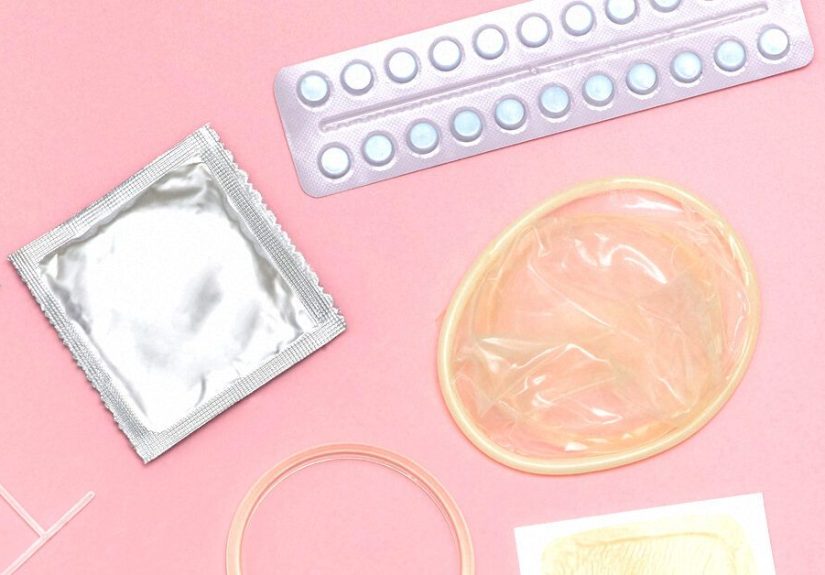
Before looking decade by decade, it helps to understand the main categories of birth control methods. Each option has strengths, trade-offs, and a level of “user effort.” That last part matters more than people admit. A method can be highly effective on paper, but if it depends on perfect timing and your mornings look like a sitcom fire drill, it may not be the best fit.
Long-Acting Reversible Contraception: IUDs and Implants
Long-acting reversible contraception, often called LARC, includes intrauterine devices and the birth control implant. These methods are popular because they are highly effective and low maintenance. Once placed by a healthcare professional, they work for years without requiring daily action. Hormonal IUDs may also make periods lighter or reduce cramps, while the copper IUD offers a hormone-free option and can last for many years.
Short-Acting Hormonal Methods
Pills, patches, vaginal rings, and shots are common hormonal birth control options. Combination methods contain estrogen and progestin, while progestin-only methods do not contain estrogen. These can be great choices for people who want cycle control, lighter periods, acne improvement, or a method that can be stopped without a removal appointment. The trade-off is consistency. Pills must be taken correctly, patches must be changed on schedule, rings must be used as directed, and shots require repeat appointments or self-administration on time.
Barrier Methods and STI Protection
Condoms, internal condoms, diaphragms, cervical caps, and spermicides are barrier methods. Condoms are especially important because most birth control methods do not protect against sexually transmitted infections. For many people, the smartest approach is “dual protection”: condoms for STI protection plus another method for stronger pregnancy prevention. Think of it as wearing both a seatbelt and having airbags. Not dramatic, just sensible.
Emergency Contraception
Emergency contraception is used after unprotected sex, condom failure, missed pills, or another birth control mishap. Options include levonorgestrel pills available over the counter, ulipristal acetate by prescription, and certain IUDs placed by a clinician. Emergency contraception works best as soon as possible, and some options can be used within five days. It is not meant to replace regular contraception, but it is an important backup plan. Life happens. Latex breaks. Calendars lie.
Birth Control in Your 20s: Flexibility, Freedom, and Fewer Surprises
Your 20s often come with transitions: college, early career, new relationships, moving cities, irregular sleep, and possibly a budget that treats guacamole as a luxury item. Birth control in this decade should be practical, affordable, and realistic.
For people who do not want pregnancy anytime soon, an IUD or implant can be a strong choice. These methods are “set it and don’t panic about it” options, which is useful when your calendar already contains work shifts, deadlines, weddings, travel, and that one group chat that never sleeps.
Birth control pills, patches, and rings may fit well for people who want more control over bleeding patterns or prefer not to have a device placed. Combination pills may help with cramps, heavy bleeding, and acne for some users. Progestin-only pills may be an option for those who cannot or should not use estrogen. The newer over-the-counter progestin-only pill has also made daily oral contraception easier to access in the United States, though correct daily use still matters.
Condoms deserve a starring role in the 20s conversation, especially when partners change or STI status is unknown. Even if someone uses an IUD, implant, pill, patch, ring, or shot, condoms can add STI protection. Birth control prevents pregnancy; condoms help protect sexual health. They are not rivals. They are teammates.
Best Questions to Ask in Your 20s
Instead of asking, “What does everyone else use?” ask: Can I remember a daily pill? Do I want lighter periods? Do I want hormones or not? Do I need STI protection? Would I be upset if I became pregnant this year? Do I have migraines with aura, high blood pressure, smoking habits, or other health factors that affect estrogen safety? These questions help move the decision from guesswork to real-world fit.
Birth Control in Your 30s: Career, Kids, Timing, and Long-Term Plans
Your 30s may look like many different things. Some people are trying to avoid pregnancy completely. Some are spacing pregnancies. Some are done having children. Some are unsure. Some are still waiting for life to stop being expensive, which, unfortunately, may require a committee meeting with the universe.
If pregnancy is not part of the near-term plan, IUDs and implants remain excellent options because they are effective and reversible. They can also be helpful for busy parents, frequent travelers, shift workers, and anyone whose daily routine changes faster than a toddler’s snack preference.
For people planning pregnancy within the next year, short-acting methods such as pills, condoms, patches, or rings may feel more flexible. Fertility can return quickly after stopping many reversible methods, although timing varies by method and person. The birth control shot may take longer for fertility to return after the last injection, so it is worth discussing future pregnancy goals with a clinician before choosing it.
Postpartum and Breastfeeding Considerations
After childbirth, contraception becomes a surprisingly urgent topic, even if sleep deprivation makes every topic feel like advanced calculus. Ovulation can return before the first postpartum period, meaning pregnancy can happen before someone realizes their cycle is back.
Postpartum birth control choices may include condoms, progestin-only pills, implants, IUDs, and other methods. IUDs and implants can sometimes be placed immediately after delivery or at a postpartum visit. If breastfeeding, many clinicians recommend avoiding estrogen-containing methods during the early postpartum period because estrogen may affect milk supply and because blood clot risk is higher shortly after birth. Progestin-only and nonhormonal options are often considered first, depending on personal health history.
When Family Planning Becomes “We Are Done” Planning
For people who are certain they do not want future pregnancies, permanent contraception may enter the conversation. Tubal procedures and vasectomy are long-term options. Vasectomy is typically simpler, but it is not immediately effective; follow-up semen testing is needed. Permanent methods should be chosen only when the decision feels truly permanent, not because the baby is screaming at 3:00 a.m. and everyone is emotionally negotiating with the moon.
Birth Control in Your 40s: Perimenopause Is Not a Free Pass
The 40s can be confusing because fertility declines, but pregnancy is still possible. Periods may become irregular, heavier, lighter, closer together, farther apart, or all of the above, because perimenopause enjoys keeping everyone humble. If pregnancy is not desired, contraception is still needed until menopause is confirmed or a clinician advises that birth control is no longer necessary.
Age alone does not automatically rule out most birth control methods. The bigger question is health history. Smoking, high blood pressure, migraine with aura, diabetes complications, blood clot history, breast cancer history, liver disease, and certain medications can affect which methods are safest. Estrogen-containing methods may not be appropriate for some people, especially as cardiovascular risk factors increase with age.
Good Options in the 40s
Hormonal IUDs can be especially useful in the 40s because they provide strong pregnancy prevention and may reduce heavy bleeding. The copper IUD remains a hormone-free option, though it may make periods heavier or crampier for some users. The implant and progestin-only pills may be good choices for those who need to avoid estrogen. Barrier methods can work for people who have infrequent sex, but they require correct use every time.
Combination pills, patches, or rings may still be appropriate for some healthy nonsmokers without major risk factors. They can help regulate bleeding and may reduce certain perimenopause-related cycle symptoms. However, they can also mask natural menstrual changes, making it harder to know when menopause has occurred. This is where a clinician becomes very useful, because “my period is weird” can mean several different things in the 40s.
Birth Control in Your 50s and Beyond: When Can You Stop?
Menopause is typically defined as 12 months without a period, but hormonal contraception can complicate that signal by creating scheduled bleeding, lighter bleeding, or no bleeding at all. Many people can stop contraception once menopause is confirmed, but the timing should be individualized. Some guidance notes that most women have reached menopause by their mid-50s, but personal medical advice matters.
One important distinction: menopausal hormone therapy is not birth control. Hormone therapy may help with hot flashes, night sweats, vaginal dryness, and other symptoms, but it does not reliably prevent pregnancy. If someone is still potentially fertile and wants to avoid pregnancy, contraception may still be needed even if they are using hormone therapy.
Sexual Health Still Matters
STI protection does not expire at 40, 50, or 60. People starting new relationships after divorce, widowhood, or a long break from dating may need condoms and STI testing even if pregnancy is no longer a concern. Good sexual health is not only for college health centers and awkward pamphlets. It belongs everywhere adults are having sex, which is to say: everywhere adults are adults.
Health Conditions That Can Change Your Birth Control Options
Birth control is safe for many people, but not every method is safe for every body. A healthcare professional may ask about blood pressure, smoking, migraines, clotting history, breast cancer, liver disease, diabetes, medications, postpartum status, and whether you have recently had surgery or limited mobility.
Estrogen-containing methods deserve special screening because they can raise the risk of blood clots in some users. That does not mean they are “bad.” It means they are not one-size-fits-all. Progestin-only methods, copper IUDs, and barrier methods may be better for people who should avoid estrogen.
Medications can also matter. Some anti-seizure drugs, tuberculosis medications, HIV medications, and certain supplements may reduce the effectiveness of hormonal contraception. If you take regular medication, bring the full list to your appointment. Yes, even the supplement you bought after a persuasive podcast episode.
Birth Control and Period Benefits
Many people use birth control for more than pregnancy prevention. Hormonal methods may reduce cramps, lighten heavy periods, improve cycle predictability, help with menstrual migraines in some situations, or reduce acne. Hormonal IUDs are often used for heavy menstrual bleeding. Combination pills may reduce bleeding and cramps. Continuous or extended-cycle pills can reduce how often bleeding happens.
On the other hand, some methods can cause irregular bleeding, especially in the first months. The implant, shot, hormonal IUD, and progestin-only pills can all change bleeding patterns. Copper IUDs may increase bleeding or cramps, particularly at first. The key is knowing what side effects are expected, what can be managed, and what should prompt a call to a clinician.
Real-Life Experiences: What Birth Control Feels Like Across the Decades
People often talk about birth control as if it is only a medical chart, but the lived experience is much messier and more human. In your 20s, the “best” method may be the one you can actually use during an unpredictable schedule. Someone working nights may find daily pills annoying, while a student with a steady morning routine may love them. One person may choose an implant because they do not want to think about pregnancy during graduate school. Another may prefer condoms and emergency contraception access because they are not sexually active often and do not want hormones.
In the 30s, birth control may become less about theory and more about logistics. A parent caring for a baby may not want another daily task. An IUD placed at a postpartum visit can feel like a gift from future self to exhausted present self. Someone hoping to conceive in six months may choose condoms or pills because they want an easy stopping point. Another person may decide their family is complete and start discussing permanent contraception with their partner. This is the decade when birth control conversations often include calendars, childcare costs, career timing, and the phrase “not right now” said with deep sincerity.
In the 40s, the experience can become more layered. A person may have irregular bleeding and wonder whether it is perimenopause, stress, fibroids, medication, pregnancy, or the universe pressing random buttons. A hormonal IUD may help with heavy bleeding and pregnancy prevention at the same time. Someone else may switch away from estrogen because of blood pressure or migraine changes. Another may use condoms after re-entering the dating world and discover that sexual health conversations are still awkward, but much easier than pretending risk disappears with age.
In the 50s, many people are ready to stop thinking about contraception altogether, but timing can be tricky. If hormonal birth control has stopped periods, it may be hard to know whether menopause has happened. A clinician may suggest a plan for stopping, testing, switching methods, or continuing until a safer endpoint. The emotional side matters too. For some, stopping birth control feels freeing. For others, it marks the end of a life stage and brings unexpected feelings. Both reactions are normal.
The biggest lesson from real life is that satisfaction matters. The most scientifically impressive birth control method is not ideal if it makes someone miserable, anxious, or unable to tolerate side effects. A method that fits one person beautifully may be wrong for another. Good contraception should support your life, not become your second job. If your method is causing problems, you are not being picky. You are gathering data. Take that data to a healthcare professional and adjust the plan.
Conclusion: The Best Birth Control Is the One That Fits This Chapter
Birth control at every age is not about following a strict decade-by-decade rulebook. It is about matching contraception to your current body, goals, relationships, medical history, and daily reality. Your 20s may prioritize flexibility and STI protection. Your 30s may focus on pregnancy timing, postpartum needs, or long-term planning. Your 40s may require perimenopause-friendly choices and closer attention to health risks. Your 50s and beyond may bring the question of when contraception is no longer needed.
The right method can change over time, and that is not failure. That is normal healthcare. Whether you choose an IUD, implant, pill, patch, ring, shot, condoms, emergency contraception, fertility awareness, sterilization, or a combination of methods, the goal is the same: informed control over your reproductive life. And honestly, in a world where your phone updates every three days and your body has its own mysterious software patches, reviewing your birth control now and then is simply good maintenance.







 Close
Close