
Table of Contents >> Show >> Hide
If your garden looks sleepy in winter, congratulations: that is exactly when some of your best pruning work can happen. While the lawn is sulking, the hydrangeas are wearing their crunchy old flower hats, and the grapevine looks like a pile of decorative spaghetti, smart winter pruning can quietly set up a much stronger spring. This is the season when many plants are dormant, branch structure is easier to see, and careful cuts can channel energy into healthier stems, better airflow, stronger flowering, and more productive fruit.
Of course, winter pruning is not a free-for-all. This is not your annual invitation to attack every shrub with enthusiasm and bypass pruners. Some plants love a late-winter cleanup. Others will punish you by refusing to bloom and then making you stare at your own mistakes all spring. The trick is knowing which plants bloom or fruit on new wood, which ones respond well during dormancy, and which ones should be left alone until after flowering.
Below are 10 plants to prune in winter for stronger spring growth, plus the timing tips, practical techniques, and common mistakes that separate a tidy, thriving landscape from a yard that looks like it lost an argument with hedge shears.
Why winter pruning works so well
Winter pruning has a few major advantages. First, leafless branches make it easier to see the plant’s framework. You can finally spot crossing limbs, weak growth, crowded centers, and dead wood without leaves playing hide-and-seek. Second, many plants are dormant, so pruning is less stressful than hacking away during active growth. Third, selective cuts can improve air circulation and light penetration, which helps reduce disease pressure and encourages stronger new shoots in spring.
That said, “winter” really means late winter to very early spring in many regions, after the coldest weather has passed but before strong new growth begins. If a plant already has swollen buds or has clearly started waking up, put the pruners down, back away slowly, and reassess.
Before you prune: a quick reality check
Not every plant belongs on a winter-pruning list. Many classic spring bloomers, including lilacs, azaleas, forsythia, and bigleaf hydrangeas, form flower buds on old wood. If you prune them in winter, you are not “tidying up.” You are removing the show. If a shrub blooms before May or early summer, it often needs pruning after flowering instead of during dormancy.
Now for the plants that really do appreciate a winter haircut.
10 plants to prune in winter for stronger spring growth
1. Apple trees
Apple trees are classic candidates for late-winter pruning. A yearly prune helps maintain a strong central leader, improves light penetration, and opens the canopy so air can move through the tree. That translates into healthier growth, easier harvests, and better-quality fruit later on.
Focus on removing dead, diseased, broken, downward-growing, or rubbing branches first. Then thin crowded growth to preserve a balanced, conical shape. Go lightly on young trees because over-pruning can delay fruiting and encourage a jungle of leafy growth instead of a well-structured tree. Think “editing for clarity,” not “dramatic reboot.”
2. Pear trees
Pear trees benefit from the same late-winter logic as apples: prune after the harshest cold has passed and before growth begins. The goal is a balanced tree with well-spaced scaffold branches, good sunlight access, and fewer competing limbs.
Pears are especially prone to sending up vigorous upright shoots, so remove water sprouts and any branches that cross, crowd, or grow at awkward angles. A strong central leader and wide branch angles create a sturdier, more manageable tree. If your pear has been neglected for years, resist the urge to fix everything in one season. Renovation pruning is a multiyear project, not a reality-show makeover.
3. Grapevines
Grapevines absolutely need winter pruning if you want good fruit. Left unpruned, they tend to overproduce weak growth and too much fruit, which sounds generous but usually results in delayed ripening, poor fruit quality, and a tired vine. Grapes fruit on the current season’s growth that comes from one-year-old wood, which is why dormant pruning matters so much.
In practical terms, remove a large share of last year’s growth and keep only the canes or spurs needed for your training system. Yes, it feels severe. Yes, it is supposed to. Grapevines are one of those plants where timid pruning often creates more trouble than bold, informed pruning.
4. Highbush blueberries
For many home gardeners, highbush blueberries respond beautifully to late-winter pruning during dormancy. Annual moderate pruning helps maintain strong canes, opens the center to sunlight, and improves berry size and overall yield. Skip pruning for too many years and you usually end up with dense twiggy growth and lots of small fruit.
Start by removing winter-damaged wood, weak shoots near the ground, and the oldest, least productive canes. Then thin the center so light can reach inside the bush. Mature plants often benefit from removing one or two of the oldest canes each year. The result is a bush that looks less cluttered and produces berries that feel less like a scavenger hunt.
5. Crape myrtles
Crape myrtles bloom on new growth, which makes late winter or very early spring a smart time to prune. But let us pause for an important public-service announcement: pruning a crape myrtle does not mean cutting the top off like you are angry at it. That practice has a name for a reason, and none of the reasons are flattering.
Instead, remove suckers at the base, thin crowded or crossing branches, and gradually lift lower limbs if you want to expose the attractive trunks. Keep the natural form. Keep the branch structure. Keep your dignity. Good crape myrtle pruning is subtle, structural, and aimed at health, not butchery.
6. Panicle hydrangeas
Panicle hydrangeas, including favorites like ‘Limelight,’ ‘Quick Fire,’ and ‘Pinky Winky,’ bloom on new wood. That means late winter is prime time for pruning. You can head stems back to strong buds and remove some older growth to shape the shrub and encourage robust stems for the coming season.
These plants can handle a moderate haircut, and many gardeners prune them to keep the shrub tidy and the blooms large. Just do not confuse them with bigleaf hydrangeas. Panicle hydrangeas welcome late-winter pruning. Bigleaf hydrangeas often respond by withholding flowers and judging you silently.
7. Smooth hydrangeas
Smooth hydrangeas, including the ever-popular ‘Annabelle,’ also bloom on new wood and are excellent candidates for late-winter pruning. These shrubs often benefit from cutting back by roughly one-third to one-half, depending on size, age, and how sturdy you want the stems to be.
A harder cut can encourage fresh new shoots and plenty of blooms, but going too low every single year may produce floppier stems in some gardens. A smarter approach is selective renewal: remove weak or old stems, shorten healthy ones, and keep the overall shape balanced. In other words, aim for strong architecture, not a seasonal buzz cut.
8. Modern shrub roses and floribunda roses
Many modern roses respond best to pruning in late winter or early spring, especially once winter protection is removed and you can clearly see what survived. The first job is easy: remove dead, blackened, or damaged canes. After that, thin crowded growth and cut back to outward-facing buds so the center stays open to light and air.
This kind of pruning encourages vigorous new growth, better flowering, and fewer disease issues. It also keeps the plant from turning into a thorny cage match by midsummer. One caution, though: not every rose wants the same treatment. Many repeat-blooming modern roses do well with late-winter pruning, but some old garden roses are better pruned after flowering.
9. Abelia
Abelia is one of those easygoing summer-flowering shrubs that sets buds on new growth, so late winter is a good time to shape it. If your plant has gotten leggy, overgrown, or oddly ambitious, winter pruning can restore a denser, fresher form before spring kicks in.
Use thinning cuts to remove older stems and shorten selected branches for shape. Avoid shearing it into a green meatball unless that is truly your artistic vision. Abelia looks best when it keeps its graceful arching habit, and selective pruning preserves that much better than hard, flat clipping.
10. American beautyberry
American beautyberry is a terrific late-winter pruning candidate because it flowers and fruits on new growth. That means pruning before spring begins can help rejuvenate the plant and encourage vigorous shoots that will later carry those famously electric purple berries.
You can thin older stems or cut the shrub back more substantially if it has become rangy. Either way, the goal is stronger new growth, a more manageable shape, and better berry display later in the season. It is one of the rare plants that can look slightly chaotic in one season and absolutely fabulous in the next after the right winter trim.
Winter pruning mistakes that can ruin spring
Do not prune the wrong plant at the wrong time
This is the big one. Spring bloomers that set buds the previous year should usually be pruned after flowering, not during winter. If you are not sure what hydrangea or rose you have, identify it first. Mystery pruning is how gardens become educational.
Do not remove too much at once
A good rule for many trees and shrubs is to avoid removing more than about one-quarter to one-third of live growth in a single season unless you are following a specific renovation plan. Severe pruning can trigger excessive weak regrowth and stress the plant.
Do not make sloppy cuts
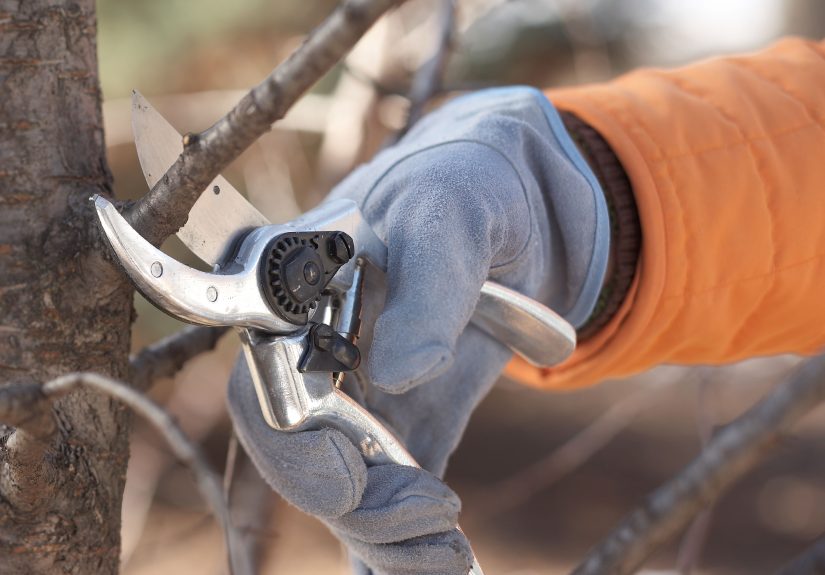
Use sharp, clean tools. Make cuts just outside the branch collar on woody plants, not flush against the trunk and not way out on a stub. Ragged cuts heal poorly and invite trouble.
Do not prune during wet weather
Wet conditions can help spread disease. Dry days are your friend. So are gloves, patience, and a willingness to step back every few minutes to see what you are actually doing.
of real-world experience: what winter pruning teaches you
There is something oddly satisfying about winter pruning that people do not always mention in glossy garden photos. It is not just about plant health. It is about seeing the bones of the garden. In summer, everything is performing. In winter, everything is telling the truth. The hydrangea shows you which stems were strong enough to hold the blooms. The apple tree reveals where the canopy got too crowded. The grapevine admits it has been absolutely out of control since August. Winter pruning turns you into a better observer because there is nowhere for the plant’s structure to hide.
One of the first lessons many gardeners learn is that restraint is harder than cutting. When you stand in front of an overgrown shrub with warm gloves and fresh confidence, every branch starts to look suspicious. But the best pruning sessions usually involve more looking than snipping. You study the center, trace a branch back to its origin, notice where two stems rub together, and start to understand how the plant grew through the previous season. That slower pace changes the way you garden. You stop reacting to mess and start shaping for the future.
Another lesson comes from mistakes, and winter pruning is generous with those. Almost every experienced gardener has made at least one legendary bad cut. Maybe it was topping a crape myrtle years ago because a neighbor said it would bloom more. Maybe it was pruning the wrong hydrangea and spending the entire summer pretending the lack of flowers was “a foliage year.” Maybe it was under-pruning grapes because cutting off so much healthy wood felt wrong, only to end up with a vine that produced a wild tangle and disappointing fruit. Those mistakes are frustrating, but they also teach precision. After one season of consequences, timing suddenly matters a lot more.
There is also a practical, almost emotional benefit to winter pruning. It gives gardeners a sense of momentum during a quiet season. You may not be planting tomatoes yet or filling borders with annual color, but you are still moving the garden forward. Each cut is a small act of optimism. You are improving airflow before mildew ever shows up. You are opening an apple tree before the blossoms arrive. You are choosing where the beautyberry’s energy will go long before it puts on its vivid berries. Spring does not start in spring, really. It starts in these small decisions made when the landscape still looks half asleep.
And then there is the payoff. New shoots emerge where you hoped they would. The panicle hydrangea fills in neatly instead of flopping into chaos. The blueberry bush produces fewer but better-framed canes. The rose opens up instead of becoming a thorn fortress. The garden feels more intentional, and not because you forced it into stiff perfection. It feels better because you worked with each plant’s growth habits instead of against them. That is the real magic of winter pruning: it is less about controlling plants and more about understanding them well enough to help them do their best work when spring finally arrives.
Conclusion
If you want stronger spring growth, winter pruning can be one of the smartest jobs on your gardening calendar. The key is choosing the right plants, waiting for the right moment, and making clean, selective cuts instead of dramatic ones made in a burst of cold-weather confidence. Apple trees, pear trees, grapes, highbush blueberries, certain hydrangeas, modern roses, crape myrtles, abelia, and beautyberry can all reward thoughtful late-winter pruning with healthier structure, better flowering, stronger fruiting, or more vigorous new growth.
So yes, winter may look quiet. But for a gardener with sharp pruners and a little self-control, it is one of the most powerful seasons of all.






 Close
Close