
Table of Contents >> Show >> Hide
- The Short Answer: Yes, It Is Usually Legal
- Why the Barefoot Driving Myth Refuses to Die
- Is It Legal to Drive Barefoot?
- Is It Legal to Drive in Sandals or Flip-Flops?
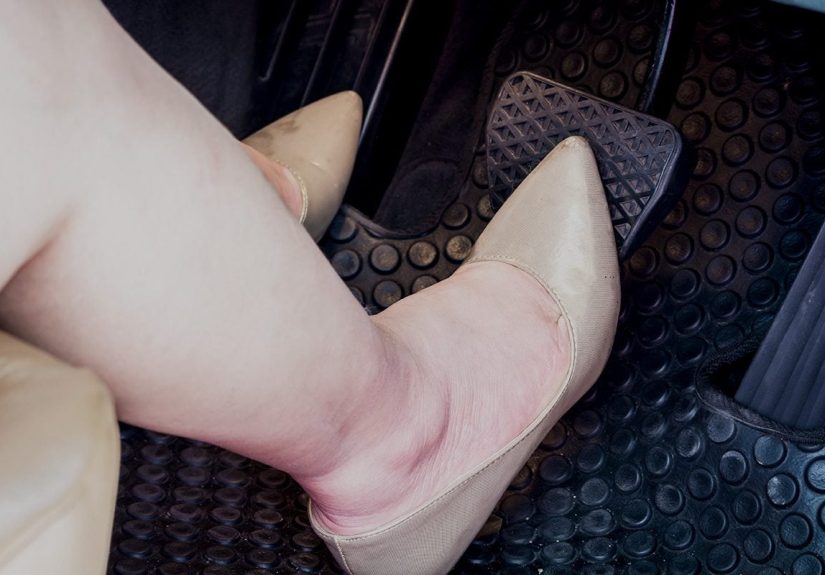
- Is It Legal to Drive in High Heels?
- What Can Get You in Trouble If the Footwear Itself Is Legal?
- What Footwear Is Best for Driving?
- Should You Take Off Unsafe Shoes Before Driving?
- What About Motorcycles and Special Cases?
- Bottom Line: Legal, But Not Automatically Smart
- Everyday Experiences Drivers Relate To
- Conclusion
Note: This article discusses general U.S. passenger-vehicle law and safety guidance as of March 2026. Local enforcement, accident facts, and non-passenger-vehicle rules can differ.
You are headed home from the beach, your flip-flops are flopping, your feet are sandy, and suddenly a question hits harder than the air conditioner: Is this actually legal? Or maybe you are leaving a wedding in skyscraper heels, staring at your pedals like they just became a pop quiz. Either way, this question has lived rent-free in American car culture for years.
Here is the good news: the law is not nearly as dramatic as the rumor mill. In the United States, the idea that driving barefoot is automatically illegal is mostly a myth. The same goes for sandals and high heels in ordinary passenger vehicles. But before you celebrate by yeeting your shoes into the back seat, there is an important catch: legal does not always mean smart, and smart definitely matters when your right foot is in charge of two pedals and a few thousand pounds of moving metal.
This guide breaks down what is legal, what is risky, and what can still get you into trouble if your footwear turns your brake pedal into a game of chance.
The Short Answer: Yes, It Is Usually Legal
For standard passenger vehicles in the United States, driving barefoot is generally legal. There is no widely recognized statewide ban that says you must wear shoes to drive a car. Likewise, there is no standard U.S. rule that specifically says sandals, flip-flops, or high heels are illegal for passenger-car drivers.
That is the part most people want to know, and it is also the part most people get wrong. The myth likely survives because it sounds believable. We already hear “no shirt, no shoes, no service” everywhere, so people assume “no shoes, no steering wheel” must be a law too. It is not.
Still, the legal answer is only half the story. Traffic law in the U.S. often focuses less on what you are wearing and more on whether you are driving safely. In other words, the law usually does not care whether you are barefoot. It cares very much if your footwear causes you to miss the brake, slip off the accelerator, or lose control during an emergency.
Why the Barefoot Driving Myth Refuses to Die
Some myths are harmless, like “goldfish have a three-second memory.” Others hang around because they sound exactly like something a stern uncle, a driving instructor, or a random guy at a barbecue would say with absolute confidence. Barefoot driving falls into that category.
Part of the confusion comes from mixing up illegal with unsafe. People hear that driving barefoot is not recommended, then mentally upgrade that warning into a law. Add a few decades of repeated hearsay, and suddenly everyone knows a law that does not actually exist.
Another reason the myth sticks is that there are vehicle-related footwear rules in some limited contexts. For example, Alabama requires shoes for motorcycle and motor-driven-cycle riders. That narrow rule is real, but it does not mean ordinary passenger-car drivers everywhere must wear shoes. That is how one specific legal requirement becomes a nationwide rumor with a life of its own.
Is It Legal to Drive Barefoot?
In ordinary passenger vehicles, yes. The bigger question is whether it is a good idea. Barefoot driving has some potential upsides and some obvious downsides.
Possible advantages of driving barefoot
Some drivers feel they have better pedal sensitivity when barefoot than when wearing unstable shoes. If your alternative is a floppy sandal, a slippery mule, or a giant platform heel, bare feet may give you more direct feel and fewer surprises. That is why some legal and insurance sources note that barefoot driving can actually be safer than driving in terrible shoes.
Possible disadvantages of driving barefoot
Being barefoot can also reduce traction, especially if your feet are wet, sweaty, cold, or dirty. Your foot may slip off the pedal more easily than it would in a flat shoe with grip. Bare feet also offer less protection if you need to step out quickly after a breakdown or crash. So while barefoot driving is generally legal, it is not automatically the safest option in every situation.
The practical takeaway is simple: barefoot is not prohibited, but it is not magic either. It is just one option, and sometimes it is the least-bad option compared with risky footwear.
Is It Legal to Drive in Sandals or Flip-Flops?
Generally, yes. Sandals and flip-flops are not usually singled out by passenger-car traffic laws. But if shoes ever deserved a dramatic warning soundtrack, flip-flops would be strong contenders.
Why? Because flip-flops are designed for convenience, not control. They slide on easily, and that is exactly the problem. They can shift under your foot, catch on a pedal edge, fold awkwardly while braking, or slide off and land in the footwell. That last part matters more than people think. A loose shoe near the pedals is not just annoying; it can become a real hazard.
Not all sandals are equally risky, though. A secure, flat sandal with a back strap is a very different animal from a flimsy beach flip-flop. If the shoe stays attached to your foot, has decent grip, and does not bend or twist unpredictably, it is a safer bet. The problem is not the word “sandal.” The problem is instability.
So yes, driving in sandals is usually legal. But if the sandal behaves like it has personal goals unrelated to braking, pick a different shoe.
Is It Legal to Drive in High Heels?
Usually yes, but this is where law and common sense start glaring at each other across the room.
High heels are not generally banned for passenger-car driving. However, they can be one of the worst choices behind the wheel. A narrow heel can snag on floor mats. A tall heel changes ankle position and can reduce the smooth, stable motion you need to move between pedals. Very chunky heels, wedges, and platforms can also reduce pedal feel, making it harder to judge pressure accurately in stop-and-go traffic or emergency braking.
Even government safety materials about roadside sobriety testing recognize that unusual footwear can affect physical performance. That is not the same as a driving law, of course, but it reinforces a commonsense point: if the shoe changes balance, movement, or control, it matters.
If you commute in heels, the smartest move is boring but brilliant: keep a pair of flat driving shoes in the car. Glamour can wait twenty seconds. So can the law office, the wedding reception, and your dramatic entrance.
What Can Get You in Trouble If the Footwear Itself Is Legal?
This is where many drivers miss the point. You can do something legal in a way that becomes unsafe, careless, or negligent.
1. Loss of pedal control
If your flip-flop gets stuck, your heel slips, or your bare foot misses the brake, that is no longer just a footwear choice. It is a vehicle-control problem.
2. Careless or reckless driving arguments
Even if an officer cannot cite you for “wearing high heels while driving,” they may still focus on the result of your driving. If your footwear contributed to unsafe operation, it could become part of a broader careless-driving or negligence argument.
3. Post-crash liability issues
After a collision, investigators, insurers, and lawyers often examine tiny details. If your shoe jammed under a pedal or slipped off during a panic stop, that detail may become part of the story about fault. That does not mean you automatically lose a claim. It does mean your footwear might stop being a fashion choice and start becoming evidence.
What Footwear Is Best for Driving?
The best driving shoe is not mysterious. It is just not very exciting. In general, the safest driving footwear is:
- Flat or only slightly raised
- Securely attached to your foot
- Thin enough to feel the pedals clearly
- Grippy rather than slippery
- Flexible without being floppy
That usually means sneakers, loafers with solid grip, or other flat, snug shoes. The worst choices tend to be flip-flops, backless sandals, slippers, heavy boots with bulky soles, long laces, wedges, and tall heels.
Think of it this way: your shoe should help your foot do exactly what your brain tells it to do, immediately, without negotiation. If the shoe adds delay, wobble, or drama, it is not a good driving shoe.
Should You Take Off Unsafe Shoes Before Driving?
Often, yes. If you are wearing footwear that obviously reduces control, removing it may be the safer short-term choice. But do not just kick your shoes into the driver-side footwell like you are ending a terrible date. Put them somewhere they cannot roll or slide under the pedals.
A smart routine looks like this: park safely, remove the problem shoes, place them in the back seat or passenger-side floor area, then drive either barefoot or in a safer spare pair. That tiny habit can eliminate one of the dumbest avoidable hazards in a car.
What About Motorcycles and Special Cases?
This article focuses on ordinary passenger vehicles because that is where the biggest myth lives. Motorcycle rules can be different. Alabama, for example, has a shoe requirement for motorcycle and motor-driven-cycle riders. That is a reminder not to take a general myth and stretch it across every type of vehicle. Cars, motorcycles, and commercial vehicles may be treated differently under different laws or safety standards.
Bottom Line: Legal, But Not Automatically Smart
So, is it legal to drive barefoot, in sandals, or in high heels? In most ordinary U.S. passenger-car situations, yes. But legality is the floor, not the ceiling.
The better question is this: Can I control the vehicle safely in what I am wearing right now? If the answer is “probably,” “sort of,” or “well, it is a short trip,” you already know the answer is no.
The law usually will not micromanage your shoe closet. It expects you to operate the vehicle safely. That means choosing footwear that lets you brake, accelerate, and move between pedals without hesitation, slippage, or surprise. If your shoes belong on a beach, a runway, or a construction site, they may not belong on the driver’s foot.
In short: barefoot is usually legal, sandals are usually legal, high heels are usually legal, but stable control beats technical legality every single time.
Everyday Experiences Drivers Relate To
One reason this topic stays popular is that it comes up in real life constantly. Nobody wakes up on a random Tuesday determined to research pedal feel and footwear geometry. People ask because they are living it. They leave the gym in slides, the beach in flip-flops, the office in heels, or the worksite in heavy boots, and then they sit in the driver’s seat wondering whether their shoes just became a legal issue, a safety issue, or both.
Take the classic beach-day scenario. You park near the water in sandals, spend a few hours walking around, and head back to the car with wet feet and a towel over your shoulder. Suddenly, those easy little flip-flops feel less charming. You notice one curling under your foot when you touch the brake. You kick them off, brush sand off your feet, and drive home barefoot because it feels steadier. That is probably the most common experience behind this question: not rebellion, just problem-solving.
Then there is the wedding or formal-event version. You spent the evening in high heels that looked fantastic in photos and absolutely terrible near pedals. The moment you sit down to drive, you realize your ankle angle is weird, your heel catches the floor mat, and every stop sign suddenly feels like a trust exercise. Plenty of drivers solve that problem by keeping flats in the car. It is not glamorous, but neither is accidentally braking like a nervous flamingo.
Work boots create a different kind of experience. They are sturdy, protective, and perfect for job sites, but some of them are bulky enough to make the pedals feel smaller than they really are. Drivers in thick-soled boots sometimes feel like they are operating a vehicle while wearing two compact sofas on their feet. The issue is not style; it is precision. Heavy soles can dull the feedback that tells you exactly how much pressure you are applying.
Some drivers say barefoot feels more natural because they can sense the pedals better. Others hate it and feel immediately less secure without a shoe sole between skin and metal. Both reactions make sense. Footwear comfort is personal, but safe driving still depends on stability, traction, and control. The most relatable experience is not that one option works for everyone. It is that drivers quickly notice when something feels off.
Parents also run into this question with teen drivers and new drivers. A teenager hops into the car in slides, Crocs, or platform shoes, and suddenly Mom or Dad transforms into a footwear prosecutor. The conversation usually sounds dramatic, but the concern is practical: new drivers already have enough to think about. Adding awkward shoes to the learning curve is like playing a video game on hard mode for no reason.
Another common experience happens on road trips. Drivers pack comfort clothes, wear easy shoes, and switch footwear at gas stations, rest stops, and roadside diners. After a few hours, they realize the best driving setup is usually the least exciting one: comfortable flats, clean floor space, and no loose shoe rolling around where it should not. Funny how adulthood keeps rewarding the boring answer.
These everyday situations explain why the question never goes away. People are not obsessing over weird legal trivia. They are trying to match real-world clothing choices with real-world driving. And that is exactly why the best advice remains so simple: wear what lets you control the car confidently, move unsafe shoes out of the footwell, and do not rely on myths when a safer habit will do.
Conclusion
If you remember only one thing, remember this: in a passenger car, the issue usually is not whether your feet are technically bare, strappy, or surrounded by heels worthy of a red carpet. The issue is whether you can operate the vehicle safely and predictably. The law may not care about your fashion choices nearly as much as your brake pedal does.






 Close
Close