
Table of Contents >> Show >> Hide
- Why This Cinnamon Rolls Recipe Works
- Ingredients You’ll Need
- Ingredient Notes That Actually Help
- How to Make Cinnamon Rolls
- Tips for Soft, Gooey Cinnamon Rolls Every Time
- Make-Ahead Cinnamon Rolls
- How to Store and Reheat Cinnamon Rolls
- Easy Variations
- Serving Ideas
- Final Thoughts
- Real-Life Cinnamon Roll Experiences: What Baking Them Actually Feels Like
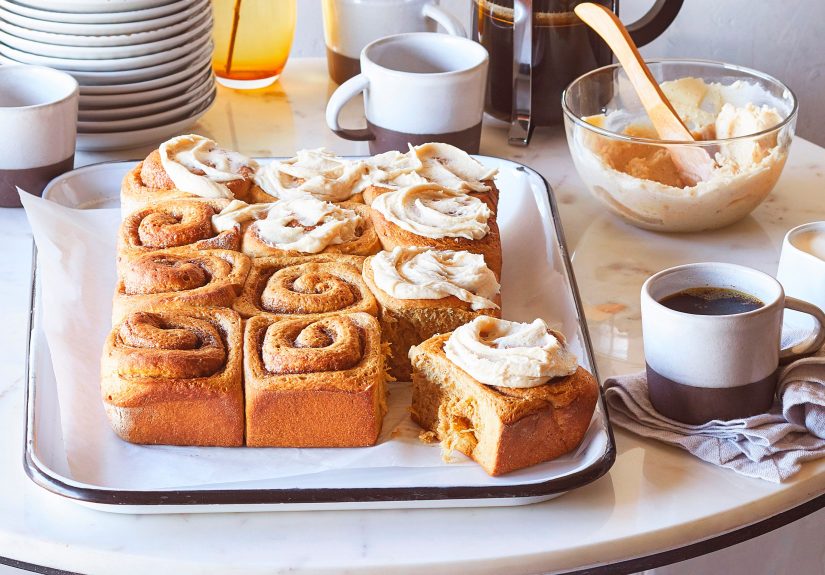
There are two kinds of mornings in this world: the regular kind, and the kind where a pan of homemade cinnamon rolls is cooling on the counter while everyone in the house suddenly becomes extremely interested in “helping.” This cinnamon rolls recipe belongs firmly in the second category. It gives you soft, fluffy rolls with a buttery swirl, a rich cinnamon-sugar filling, and a dreamy cream cheese frosting that melts into every crack and crevice like it was born for the job.
If you have ever been personally victimized by dry cinnamon rolls, dough that refused to rise, or frosting that slid off like it had somewhere better to be, this recipe is here to restore peace. It is designed to be approachable for home bakers, but detailed enough to help you understand why each step matters. That means better texture, better flavor, and far fewer kitchen meltdowns. Emotional and yeast-related.
Why This Cinnamon Rolls Recipe Works
A great homemade cinnamon roll is really a balancing act. You want a dough that is rich but not heavy, sweet but not dessert-level chaotic, and tender without collapsing into a buttery cinnamon puddle. The secret is using an enriched dough made with warm milk, butter, egg, sugar, and just enough flour to create structure while still keeping the rolls soft.
This recipe also uses a generous brown sugar and cinnamon filling, which gives the spirals that classic gooey center everyone fights over. The frosting is a smooth cream cheese glaze that lands right in the sweet spot: tangy enough to keep things interesting, sweet enough to make your brunch guests suspiciously quiet.
Ingredients You’ll Need
For the Dough
- 1 cup whole milk, warmed
- 2 1/4 teaspoons active dry yeast
- 1/3 cup granulated sugar
- 1 large egg
- 1 large egg yolk
- 1/4 cup unsalted butter, melted
- 1 teaspoon salt
- 3 3/4 to 4 cups all-purpose flour or bread flour
For the Filling
- 1/2 cup unsalted butter, very soft
- 3/4 cup packed brown sugar
- 1 tablespoon ground cinnamon
- Pinch of salt
For the Cream Cheese Frosting
- 4 ounces cream cheese, softened
- 2 tablespoons unsalted butter, softened
- 1 cup powdered sugar
- 1 teaspoon vanilla extract
- 1 to 2 tablespoons milk
- Pinch of salt
Ingredient Notes That Actually Help
Warm milk: Aim for warm, not lava. Think cozy bath, not hot tub for lobsters. If the milk is too hot, it can kill the yeast. If it is too cool, the dough may rise like it is on strike.
Bread flour vs. all-purpose flour: Bread flour can give you slightly chewier, taller, bakery-style cinnamon rolls. All-purpose flour works beautifully too and is easier for most home bakers. Use what you have.
Brown sugar: Brown sugar adds moisture and deeper flavor than white sugar, which is exactly what you want in the filling.
Cream cheese frosting: This is the classic move. You can do a vanilla glaze instead, but cream cheese frosting is hard to beat unless you are trying to start an argument at brunch.
How to Make Cinnamon Rolls
1. Activate the Yeast
Pour the warm milk into a large mixing bowl. Sprinkle in the yeast and add a spoonful of the sugar. Let it sit for 5 to 10 minutes until it looks foamy. If nothing happens, your yeast may be expired or your milk may have been too hot or too cold. Better to find out now than after kneading for twenty minutes like a hopeful optimist.
2. Make the Dough
Add the remaining sugar, egg, egg yolk, melted butter, salt, and 3 3/4 cups flour. Mix until a shaggy dough forms. Knead by hand for 8 to 10 minutes or with a stand mixer for 5 to 7 minutes, adding a little more flour only if the dough is painfully sticky. It should feel soft, slightly tacky, and elastic, not dry.
3. First Rise
Place the dough in a lightly greased bowl, cover it, and let it rise in a warm spot for about 1 to 1 1/2 hours, or until doubled in size. If your kitchen is cold, this may take longer. Dough does not care about your schedule.
4. Roll Out the Dough
Punch down the dough gently and transfer it to a lightly floured surface. Roll it into a rectangle about 14 by 18 inches. Do not obsess over perfect geometry. Cinnamon rolls are forgiving. They are not architecture.
5. Add the Filling
Spread the softened butter all over the surface, then sprinkle evenly with the brown sugar, cinnamon, and pinch of salt. Press the mixture in lightly so it stays put when you roll everything up.
6. Roll and Cut
Starting from the long side, roll the dough into a tight log. Slice into 12 even rolls. A sharp serrated knife works, but unflavored dental floss is a legendary trick because it cuts cleanly without squishing the dough. Yes, dental floss. No, not mint.
7. Second Rise
Place the rolls in a greased 9×13-inch baking dish. Cover and let them rise for 30 to 45 minutes, until puffed and touching. This second rise matters. Skip it, and your rolls may taste fine but look mildly offended.
8. Bake
Preheat the oven to 350°F. Bake for 25 to 30 minutes, until the rolls are golden on top and cooked through. The centers should look set, not doughy. If you use an instant-read thermometer, the middle of the pan should be around 190°F.
9. Make the Frosting
Beat the cream cheese and butter until smooth. Add powdered sugar, vanilla, milk, and salt, then mix until creamy and spreadable. Add a splash more milk if you want a looser glaze.
10. Frost While Warm
Spread the frosting over the warm rolls, not piping-hot and not cold. Warm is the sweet spot. Some of the frosting will melt into the swirls, which is not a problem. That is the goal. That is the dream.
Tips for Soft, Gooey Cinnamon Rolls Every Time
Do not overflour the dough. One of the biggest mistakes in any homemade cinnamon rolls recipe is adding too much flour. A slightly tacky dough bakes up soft; a dry dough bakes up sad.
Use enough filling. Cinnamon rolls should not taste like sweet dinner rolls with a polite dusting of spice. Be generous. You want a visible spiral and a clear cinnamon-brown sugar layer in every bite.
Let the rolls touch in the pan. Crowding the rolls a little helps keep the sides soft. If they are too spread out, you get more crust and less pillowy goodness.
Do not overbake. Pull them when they are just done. Overbaking is the fastest route from “bakery-style cinnamon rolls” to “why are these so dry?”
Frost them warm. This is one of those tiny decisions that changes everything. Warm frosting sinks into the layers and keeps the rolls extra tender.
Make-Ahead Cinnamon Rolls
If you want fresh cinnamon rolls in the morning without waking up before the birds, make them ahead. After placing the cut rolls in the pan, cover and refrigerate them overnight. The next day, let the pan sit at room temperature for 45 to 60 minutes before baking, until the rolls look puffy again.
This is one of the best parts of a good cinnamon rolls recipe. You do the work when you have time, then bake when you want applause.
How to Store and Reheat Cinnamon Rolls
Unfrosted cinnamon rolls can sit at room temperature in an airtight container for a short time, but once you add cream cheese frosting, refrigeration is the safer move. Chill leftovers in a covered container and reheat individual rolls in the microwave for about 15 to 20 seconds to bring back that soft, gooey texture.
You can also freeze baked rolls. Wrap them well and freeze for up to a month or two. Thaw in the refrigerator or at room temperature, then warm before serving. A cold cinnamon roll is still a cinnamon roll, but let’s not settle for less when reheating is so easy.
Easy Variations
Maple Cinnamon Rolls
Add a little maple extract to the frosting for a warm, cozy flavor that tastes especially good in fall and winter.
Pecan Cinnamon Rolls
Sprinkle chopped toasted pecans over the filling before rolling the dough. You get crunch, nuttiness, and an immediate brunch upgrade.
Orange Cinnamon Rolls
Add fresh orange zest to the filling and frosting. It brightens the sweetness and makes the whole pan taste a little more polished.
Extra Gooey Cinnamon Rolls
For a richer finish, drizzle a little heavy cream around the rolls just before baking. This can create extra softness and a more decadent center.
Serving Ideas
This cinnamon rolls recipe is perfect for holiday breakfasts, lazy weekends, bake sales, brunch spreads, or any day that could use a little more joy and a little more butter. Serve the rolls with coffee, hot chocolate, fruit, eggs, or bacon if you are pretending balance is the goal.
They also make an excellent “thank you,” “welcome,” or “I know I said I’d only stay for a minute but I brought cinnamon rolls” gift. Few foods create goodwill faster.
Final Thoughts
The best cinnamon rolls recipe is not just about ingredients. It is about texture, timing, and a few smart techniques that turn a good pan of rolls into a great one. Warm milk, soft dough, enough filling, a proper second rise, and frosting while warm all work together to give you that classic bakery-style result at home.
So whether you are making these for Christmas morning, a birthday breakfast, or a random Saturday when life feels a little too serious, this recipe delivers the kind of comfort food that makes people wander into the kitchen and ask, “Are those for everyone?” The answer is technically yes. Emotionally, you may need a minute.
Real-Life Cinnamon Roll Experiences: What Baking Them Actually Feels Like
There is something wonderfully theatrical about making cinnamon rolls from scratch. Bread dough on its own is already a little magical, but cinnamon roll dough has main-character energy. It starts out looking humble and slightly messy, then after a rise or two, it becomes this soft, puffy thing that feels alive in your hands. Rolling it out, spreading on the butter, showering it with brown sugar and cinnamon, and turning it into a spiral feels less like following a recipe and more like participating in a very delicious ritual.
For a lot of people, cinnamon rolls are tied to memory as much as flavor. They show up on Christmas morning, snow days, birthdays, family visits, and those rare weekends when nobody has anywhere urgent to be. The smell alone can change the mood of a house. Suddenly people are awake. Suddenly they are cheerful. Suddenly the person who “wasn’t hungry” is standing next to the oven like a detective working an active case.
One of the most common experiences with homemade cinnamon rolls is learning patience the sugary way. First you wait for the yeast to bloom. Then you wait for the dough to rise. Then you wait for the shaped rolls to puff up in the pan. Then you wait for them to bake. Then you attempt to wait for them to cool slightly before frosting, even though every survival instinct says to grab a fork immediately. Cinnamon rolls are basically a master class in delayed gratification, except the reward is covered in cream cheese frosting.
They are also one of those recipes that teach you not to panic. The dough may look sticky at first. The rectangle may be crooked. The slices may not all be identical unless you were apparently born with pastry-chef precision. None of that matters as much as home bakers think it does. Cinnamon rolls are surprisingly forgiving. Once they rise together in a baking dish and get covered with frosting, a lot of the little imperfections vanish. That is part of their charm. They are rustic in the best possible way: cozy, generous, and much more interested in tasting amazing than in looking fussy.
And then there is the first bite. The top is lightly golden, the center is soft, the filling is sticky, and the frosting has melted just enough to seep into the layers. It is warm, buttery, sweet, and deeply comforting without needing to be complicated. That is the thing people remember. Not whether the dough was rolled to exactly 18 inches, but how the kitchen smelled, how the frosting slid over the spirals, and how everyone suddenly became suspiciously interested in breakfast. A good cinnamon rolls recipe gives you more than a pastry. It gives you a moment people want to come back to.






 Close
Close