
Table of Contents >> Show >> Hide
- What Is a Barn Lamp, Exactly?
- Why the Clay Finish Works So Well
- Best Places to Use a Barn Lamp in Clay
- How to Choose the Right Size and Placement
- Materials, Ratings, and Other Grown-Up Details
- Best Bulbs for a Clay Barn Lamp
- How to Style a Barn Lamp in Clay Without Overdoing the Farmhouse Thing
- Common Mistakes to Avoid
- Living With a Barn Lamp in Clay: Real-World Experience and Everyday Appeal
- Final Thoughts
Some lights are here to dazzle. Others are here to quietly make a house look like it has its life together. A barn lamp in clay belongs firmly in the second camp. It is practical without being boring, rustic without smelling like a hay bale, and stylish without begging for attention. In other words, it is the kind of fixture that makes people say, “Wow, that looks good,” even if they cannot quite explain why.
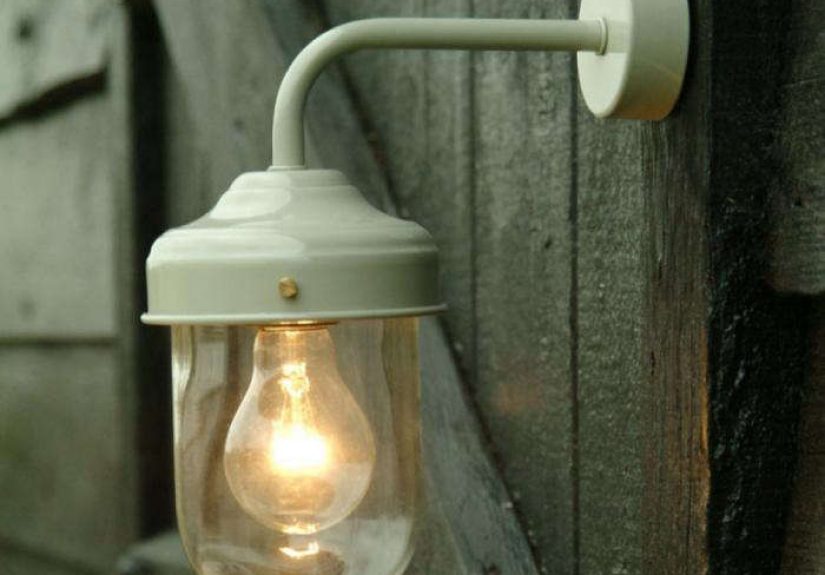
A clay barn lamp takes the familiar silhouette of farmhouse and gooseneck lighting and softens it with an earthy finish. Instead of harsh black or shiny metal, clay lands in that warm middle ground: muted, grounded, and easy to live with. It plays well with brick, white siding, natural wood, stone, limewash, and modern farmhouse exteriors. It can look vintage, minimal, coastal-rustic, or quietly contemporary depending on the shape and bulb you pair with it.
This is exactly why the clay barn lamp has become such a smart choice for homeowners, designers, and anyone trying to improve curb appeal without launching a full renovation. Below, we will break down what a barn lamp is, why the clay finish works so well, where to use it, how to choose the right size, what kind of bulb makes it shine, and how to keep the whole look charming instead of chaotic.
What Is a Barn Lamp, Exactly?
A barn lamp is a fixture inspired by traditional utility lighting once used on barns, workshops, farm buildings, and warehouses. The classic version features a downward-facing metal shade and, very often, a curved arm known as a gooseneck. That shape is not just for looks. It helps direct light downward where people actually need it: over a doorway, a garage bay, a sign, a workbench, or a path.
That is part of the appeal. Barn lamps do not usually try to create fussy sparkle or crystal drama. They are honest fixtures. Their job is to throw light where it matters while adding personality to the wall. The best ones manage to feel both hardworking and beautiful, which is a pretty rare combination outside of coffee and cast-iron pans.
Today, barn lamps come in many versions: compact sconces for porches, oversized gooseneck lights for garages, pendants for mudrooms and kitchens, and even damp- or wet-rated styles that can stand up to weather. A clay finish updates that heritage form with a softer, more decorator-friendly mood.
Why the Clay Finish Works So Well
The word clay usually signals an earthy, natural, muted tone. Depending on the brand, it may lean beige, taupe, greige, mushroom, terracotta-beige, or a dusty warm neutral. What matters most is the feeling: calm, grounded, and slightly sun-baked. It has enough warmth to feel inviting but enough restraint to stay versatile.
That balance is gold for exterior lighting. Black fixtures can look crisp and graphic, but they can also feel severe if the home already has a lot of contrast. Bright white can disappear on pale siding or look a little too fresh-from-the-box. Clay, by comparison, brings warmth without shouting. It softens a facade. It feels intentional. It looks especially good on homes that use natural materials or warm neutrals elsewhere, such as wood doors, limestone, tan brick, cream paint, or bronze hardware.
Design reasons people love clay barn lamps
First, they blend rather than fight. A clay fixture can support the architecture without becoming the entire conversation. Second, they age gracefully. Earthy tones tend to feel timeless because they echo materials found in nature. Third, they cross styles easily. A clay barn lamp can live on a farmhouse porch, a cottage entry, a garden wall, a modern rustic garage, or even a minimalist kitchen with the right shape.
There is also the emotional side. Clay tones feel warm and human. They are less “look at my fixture” and more “welcome home.” That matters more than people think. Good exterior lighting is not only about seeing the keyhole. It is about atmosphere.
Best Places to Use a Barn Lamp in Clay
Front entry
This is the classic placement. A single barn lamp beside the front door can make an entry feel friendlier and more finished. If the doorway is wide or formal, a matching pair can frame the entrance beautifully. Clay works especially well here because it adds visual softness to a space that often includes hard materials like trim, brick, concrete, and glass.
Garage exterior
Gooseneck barn lights are a favorite above garage doors for a reason. They provide downward illumination, architectural rhythm, and that instantly recognizable farmhouse-industrial character. A clay finish keeps a row of garage lights from feeling too stark, especially on wide facades where several fixtures repeat across the front of the house.
Porch, patio, and side door
A clay barn lamp can warm up transitional spaces that often get overlooked. A side entrance, a mudroom door, or a covered porch suddenly feels less like an afterthought and more like part of the house’s story. If the fixture is rated properly for exposure, it can also work near garden gates, sheds, and utility doors.
Kitchen, pantry, or mudroom interior
Barn lamps are not just outdoor stars. Indoors, a clay barn-style sconce or pendant can add shape and texture without introducing shiny finishes. In a mudroom, it feels durable and unfussy. In a pantry, it feels charming. In a kitchen, it can add an earthy counterpoint to white cabinets, wood shelves, or brushed metal hardware.
Retail or café-style applications
Because barn lights began as utilitarian fixtures, they also make sense in small commercial spaces. A clay finish helps the look feel edited and design-forward rather than purely industrial. It can be especially effective for signage, service windows, or cozy outdoor dining areas.
How to Choose the Right Size and Placement
Buying a great barn lamp is only half the battle. Hang it too high, too low, too tiny, or too close to the trim, and even a gorgeous fixture starts looking confused.
Start with proportion
For entry lighting, a reliable design guideline is to choose a fixture that feels proportional to the door. A good visual rule is that the fixture should look substantial enough to hold its own without swallowing the entrance. If you have a tall or dramatic entry, scale up. If your house is small and the light is the size of a satellite dish, maybe take a gentle step back.
Mount it at a human-friendly height
Most outdoor wall lights look best around eye level. That usually lands somewhere around five-and-a-half to six feet from the ground to the center of the fixture, depending on the specific entry and architecture. The goal is to create flattering, useful light without blasting guests in the eyeballs.
Mind the horizontal spacing
If the lamp sits beside a door, give it breathing room from the frame. Crowding the trim makes the whole setup look accidental. With pairs, symmetry matters. With singles, placement on the doorknob side often makes everyday use feel more practical when you are locking up or coming home after dark.
For garage lights, go bigger than you think
Garage-mounted barn lights often need more scale than homeowners expect. A small fixture can vanish against a large garage elevation. Larger shades and deeper gooseneck arms usually look more intentional and provide broader pools of light.
Materials, Ratings, and Other Grown-Up Details
Now for the boring but important part: weather, durability, and not buying the wrong fixture for the wrong spot.
Damp-rated vs. wet-rated
If your barn lamp will live in a fully exposed location where rain, wind, and weather hit it directly, choose a wet-rated fixture. If it is tucked under a porch roof or otherwise protected from direct exposure, a damp-rated fixture may be enough. This is not the glamorous part of shopping, but it is the difference between a fixture that lasts and one that ages like a cardboard sandwich.
Look for durable finishes
Powder-coated metal is common in barn-style lighting because it handles outdoor use well and supports a wide range of colors, including clay-inspired tones. Aluminum, steel, and weather-resistant hardware are all common choices. The clay finish should feel matte or softly textured rather than plastic-looking. Earthy colors do their best work when they feel a little natural, not like a toy truck.
Think about maintenance
Lighter earthy finishes often hide dust and pollen better than glossy black, which can be a surprisingly nice bonus. If the fixture includes a glass enclosure, make sure you can actually clean it without inventing new curse words. A pretty lamp is lovely. A pretty lamp that can be wiped down in three minutes is better.
Best Bulbs for a Clay Barn Lamp
The fixture gives you the silhouette. The bulb gives you the mood. Choose poorly and your dreamy clay barn lamp can end up casting the vibe of a convenience store parking lot.
Warm light for cozy charm
For most homes, a warm light bulb in the 2700K to 3000K range is the sweet spot. It feels comfortable, flattering, and welcoming. This range works beautifully with clay finishes because both share that soft, warm character.
Need more task lighting?
If the lamp is being used over a side entry, utility area, or workspace, you can move slightly cooler for more clarity. Just avoid going too blue unless you want your porch to feel like a dentist’s office had a hostile takeover.
LED is usually the smart move
LED bulbs are energy efficient, long-lasting, and easy to find in warm color temperatures. If your fixture supports dimming and the location calls for flexibility, pairing a dimmable bulb with a compatible setup can give you practical brightness when you need it and softer ambiance when you do not.
How to Style a Barn Lamp in Clay Without Overdoing the Farmhouse Thing
There is a fine line between “beautifully collected farmhouse-inspired home” and “gift shop that sells wooden signs about laundry.” The clay barn lamp sits on the right side of that line when styled with restraint.
Pair it with natural texture
Clay looks excellent next to wood, stone, brick, concrete, linen, jute, and matte metals. This is where the finish earns its keep. It loves texture. It loves subtle contrast. It loves materials that look like they came from the real world and not a futuristic spaceship.
Use it to soften black accents
If your home already has black windows, dark hardware, or charcoal roofing, clay can be a useful balancing tone. It keeps the palette from feeling too hard-edged and introduces warmth without adding visual clutter.
Repeat the warmth elsewhere
The easiest way to make the fixture feel intentional is to echo its warmth in nearby choices. Think terracotta pots, a wood bench, a natural fiber doormat, a warm front-door paint color, or brushed bronze hardware. These do not need to match. They just need to feel like they belong to the same family reunion.
Common Mistakes to Avoid
One, choosing a fixture that is too small. Two, ignoring the exposure rating. Three, using a bulb so cool and bright that the lamp loses all charm. Four, forcing barn lights onto a house style they clearly do not suit. And five, buying a beautiful earthy finish but surrounding it with clashing materials that make it look stranded.
The fix is simple: think in terms of architecture, proportion, and mood. A clay barn lamp is versatile, but it still wants context. Give it the right wall, the right scale, and the right light, and it will do a lot of heavy lifting for you.
Living With a Barn Lamp in Clay: Real-World Experience and Everyday Appeal
Here is something people do not always realize until after installation: a clay barn lamp tends to become part of the daily rhythm of a home. It is not just an object you admire once and forget. You notice it when you pull into the driveway after work. You notice it when you leave early and the porch is still dark. You notice it when delivery boxes show up, when guests arrive for dinner, when the dog insists on one last trip outside, and when the house glows back at you on a rainy evening.
That is where the clay finish really starts to win. In daylight, it reads soft and grounded. It does not glare. It does not pull focus in an aggressive way. Instead, it settles into the exterior like it has always belonged there. On a white house, it adds warmth. On brick, it feels earthy and cohesive. On wood siding, it can look almost custom because the tone feels connected to the natural materials around it.
At night, the effect changes again. A barn lamp throws light downward in a calm, purposeful way. That means you get a gentle pool of illumination under the shade rather than a messy explosion of brightness in every direction. The entry feels clearer. The path feels safer. The wall often picks up a little glow, too, which gives the house depth and character. Even a modest porch can suddenly feel like someone cared about it.
Indoors, the experience is different but equally satisfying. In a mudroom, a clay barn lamp has that hardworking charm that makes everyday mess feel slightly more manageable. Shoes still pile up, jackets still multiply, and somehow one family can still produce seventeen unmatched gloves, but the room feels designed instead of forgotten. In a kitchen, the clay finish can soften white cabinetry and stainless appliances, adding a warm note that keeps the space from drifting into cold territory.
There is also a practical emotional bonus: clay is forgiving. It hides dust better than glossy finishes. It hides fingerprints better than polished metal. It does not demand constant polishing or perfect styling. That makes it especially appealing for busy households where people want a home that looks beautiful but also functions in the presence of weather, backpacks, pets, pollen, groceries, and life in general.
And then there is the curb-appeal factor. A lot of home upgrades are expensive, disruptive, or both. A well-chosen barn lamp in clay is refreshingly efficient. It can change the feel of a facade without changing the whole facade. It can make a simple builder-grade entry look more tailored. It can make a detached garage feel intentionally designed. It can tie together a front door, planters, and trim with one quiet move.
In real life, that is why people keep gravitating toward this kind of fixture. It is attractive, yes, but it is also useful. It feels warm without being trendy, rustic without being theatrical, and modern enough to live comfortably in today’s homes. For many households, that combination is the sweet spot. The clay barn lamp does not just decorate a wall. It improves how the space feels every single day.
Final Thoughts
A barn lamp in clay succeeds because it combines classic form with a finish that feels current, warm, and easy to live with. It gives you the utility and downward light of a traditional barn fixture, but with a softer design personality than high-contrast black or industrial metallics. Used well, it can elevate an entry, warm up a garage, refine a porch, or add charm to an interior work space.
If you are choosing one for your home, focus on four things: proportion, placement, weather rating, and bulb warmth. Get those right, and the style part becomes a lot easier. The result is a light that works hard, looks beautiful, and makes your home feel more welcoming the minute the sun goes down.
Not bad for one humble fixture with a curved neck and excellent taste.







 Close
Close