
Table of Contents >> Show >> Hide
- What Back Market Actually Is (and What It Isn’t)
- How Back Market Works
- The Policies That Matter Most
- Understanding Back Market Condition Grades (Fair, Good, Excellent, Premium)
- Why People Buy from Back Market (The Legit Reasons)
- Common Concerns (and How Real the Risks Are)
- How to Buy Smart on Back Market (A Practical Checklist)
- Back Market vs Other Refurbished Options
- So… Is Back Market Legit?
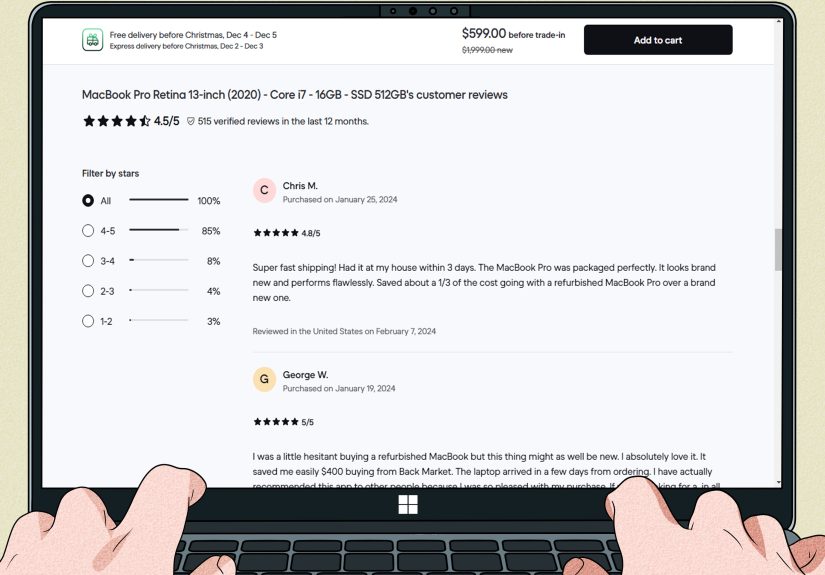
- Real-World Shopping Experiences (What Buyers Commonly Report)
Buying a refurbished phone can feel like ordering sushi from a gas station: technically possible, occasionally amazing,
and also the kind of decision that makes your friends say, “You did what?” If you’ve been eyeing Back Market
for a cheaper iPhone, a “new-to-you” MacBook, or a console that doesn’t cost the same as your monthly rent, you’re in the
right place.
Back Market is a popular online marketplace for refurbished electronics. “Marketplace” is the key wordBack Market
typically isn’t the company doing the refurbishing. Instead, it connects you with professional sellers/refurbishers,
adds a layer of standards and customer support, and backs purchases with policies like a return window and a limited
warranty. So is it legit? In most cases, yes. Is it foolproof? No. (Nothing is, except maybe gravity and your phone
slipping off your lap the moment you stand up.)
What Back Market Actually Is (and What It Isn’t)
Back Market is an online platform that lists refurbished devices from vetted sellers. Think of it more like an organized,
rules-heavy farmers market than a random yard sale. You’re not usually buying from a stranger who says, “It worked last time
I tried it.” You’re buying from a refurbishing business that’s expected to test devices, clean them up, and ship them in
a functional state.
That said, Back Market is still a marketplace, meaning experiences can vary because different refurbishers handle different
units. The platform’s job is to make the process more standardized (grading, policies, seller requirements) and to give you
more protection than pure peer-to-peer options.
How Back Market Works
1) You shop by device, condition, and price
Back Market listings usually show the device model, storage, color (when applicable), and condition grade. You’ll also see
the seller/refurbisher, and you can compare multiple offers for the same modelkind of like booking a flight, except instead
of “layovers” you’re worrying about “battery health.”
2) A refurbisher fulfills the order
The refurbisher ships the item to you. Packaging and accessories can vary. Some devices come with third-party chargers or cables,
and “original box” is not a standard expectation unless explicitly stated.
3) You test it quickly (this is your superpower)
The smartest Back Market buyers treat delivery day like a mini “quality inspection holiday.” You check the screen, buttons, speakers,
ports, cameras, biometrics, connectivity, andvery importantlybattery condition (more on that soon).
4) If something’s off, policies kick in
Back Market purchases typically come with a return window and a limited warranty. If you act quickly and keep good documentation,
you’ll be in the best position if you need a return, repair, replacement, or refund.
The Policies That Matter Most
Back Market’s legitimacy is less about having a flashy website and more about whether the rules are clear when things go wrong.
Here are the big policy ideas you should understand before you click “Buy.”
30-day returns (the “nope, not for me” window)
Back Market advertises a 30-day return period from the time you receive the order. This is your chance to return an item that’s
not what you expectedwhether it has an issue, feels “too used,” or just doesn’t fit your life the way you hoped.
1-year limited warranty (the “this should not be happening” window)
Many Back Market purchases include a 12-month limited warranty starting from delivery. In plain English: if the device has a defect
covered by the warranty during that time, the seller typically has to repair it or offer a replacement, and if that can’t happen,
you may be eligible for a refund depending on the circumstances.
Optional protection plans (the “extra padding” upgrade)
Back Market may offer additional paid coverage depending on your product and location. These plans can be worth considering if you’re
buying something expensive (like a laptop) and you want broader coverage or more convenience. But read the exclusions like you read
the terms of a group project: carefully, and with mild suspicion.
Understanding Back Market Condition Grades (Fair, Good, Excellent, Premium)
Here’s where many people get confused: condition grades are usually about cosmetics, not whether the device works.
A “Fair” phone can still be fully functional; it might just look like it’s been through a dramatic breakup with someone’s car keys.
Meanwhile, “Excellent” is closer to “I could probably pass this off as new to my aunt if I’m charming enough.”
Typical grading expectations
- Fair: More visible signs of wear (scratches, scuffs). Best for bargain hunters who don’t care about looks.
- Good: Normal cosmetic wear, fewer noticeable blemishes. A solid middle ground.
- Excellent: Minimal cosmetic wear; “looks pretty close to new” from a normal distance.
- Premium: A top-tier option often marketed as pristine, sometimes with stricter parts standards.
The practical takeaway: if you’re gifting a device, lean toward Excellent (or Premium) to avoid awkward “Is that a scratch?”
conversations. If you’re buying for yourself and you use a case anyway, “Good” can be the sweet spot. If you love savings more than aesthetics,
“Fair” can be a perfectly functional win.
Why People Buy from Back Market (The Legit Reasons)
1) The savings can be meaningful
Refurbished electronics often cost noticeably less than brand-new models. Depending on the device and the timing, the discount can be modest
or dramatic. This makes Back Market attractive for iPhones, MacBooks, iPads, gaming consoles, and accessories that hold value when new.
2) There’s usually more selection than a single-brand refurb store
Apple’s refurbished store is great if you want Apple devices and you’re okay with the inventory being “whatever Apple has today.”
Back Market can offer a broader mix: different brands, storage sizes, older models, and multiple price tiers based on condition.
3) It supports a more sustainable way to buy tech
Extending the life of electronics helps reduce e-waste and the demand for newly manufactured devices. If you like the idea of a circular economy
(or you just want to feel slightly less guilty about owning three pairs of earbuds), refurbished can be a smart compromise between saving money
and reducing waste.
Common Concerns (and How Real the Risks Are)
Back Market is legit, but “legit” doesn’t mean “magically immune to refurbished-tech problems.” Here are the most common issues buyers report
across refurbished marketplacesand what to watch for specifically.
1) Inconsistent refurbisher quality
Because multiple sellers operate on the platform, quality can vary. One refurbisher might do meticulous testing and replace worn parts.
Another might do the bare minimum that still counts as “functional.” This is why your own testing during the return window matters so much.
2) Battery health surprises
Batteries are the “expiration date” of portable electronics. A refurbished phone can look gorgeous but still have a battery that drains like a bathtub
with the plug missing. Some refurbishers replace batteries; others don’t unless the battery fails a threshold. Your job is to check battery health and
real-world usage earlystream a video, take calls, use navigation, and see whether it holds up.
3) Carrier compatibility and activation issues
For phones, you need the correct model for your carrier and region. In the U.S., buyers should confirm whether a phone is unlocked, GSM/CDMA-compatible
where relevant, and whether it supports needed bands (especially if you’re on a smaller carrier or an MVNO). Also check for activation locks (like
iCloud activation lock on iPhones) immediately.
4) Cosmetic expectations vs reality
“Good” is not the same as “brand new.” If you are sensitive to tiny scuffs, do not buy “Fair” and then act shocked when it has…fair-looking wear.
(That’s like ordering “spicy” wings and filing a complaint because your mouth learned a new emotion.)
5) Water resistance isn’t a promise
Even if a phone model originally shipped with water resistance, refurbished devices may not maintain the original seal. Treat “water-resistant”
like “I can probably handle light drizzle,” not “I’m ready for an underwater documentary.”
6) Complaints exist (because electronics are complicated)
Large marketplaces attract large numbers of reviews, including negative ones. Complaints often involve returns, seller communication, condition disputes,
or defective units slipping through. The presence of complaints doesn’t automatically mean a company is a scamit often means the company is big.
The question is whether policies exist and whether you’re prepared to use them effectively.
How to Buy Smart on Back Market (A Practical Checklist)
If you want the best odds of a happy purchase, do these steps. They aren’t glamorous, but neither is spending your Saturday arguing with a charging port.
Before you buy
- Pick the right grade: If you care about looks, aim for Excellent. If you care about price, Good can be ideal.
- Confirm compatibility: For phones, verify unlocked status and carrier support. For laptops, confirm keyboard layout and ports.
- Read what’s included: Look for notes on chargers, cables, original packaging, and accessories.
- Compare multiple listings: The same model can vary by seller, condition, and included extras.
When it arrives (do this within 24–48 hours if possible)
- Inspect cosmetics in good lighting: Check screen and corners for cracks, chips, and deep scratches.
- Test everything: Speakers, microphones, cameras, Face ID/Touch ID, buttons, Wi-Fi, Bluetooth, charging, ports, and sensors.
- Check battery behavior: Look at battery health stats if available, and do a real-life stress test (video + browsing + camera).
- Check activation lock / device management: Make sure the device isn’t tied to someone else’s account or an organization’s MDM.
- Run updates: Install OS updates and confirm stability afterward.
- Document issues: Photos and short videos can help if there’s a dispute.
If something’s wrong
- Don’t “wait and see”: Use the return window. Time is your ally only if you move fast.
- Keep packaging and shipping materials: Returns are easier when you can repack safely.
- Communicate clearly: Describe the issue, when it happens, and what you tried.
Back Market vs Other Refurbished Options
Back Market isn’t the only way to buy refurbished tech. Here’s how it generally stacks up against other popular routes, so you can pick what fits your
risk tolerance and budget.
Apple Certified Refurbished
Apple’s refurbished store is the “gold standard” if you want Apple products with a consistent process. You often get a one-year warranty and a very
predictable experience. The tradeoff is pricing and limited inventory. Great for buyers who value consistency over the absolute lowest price.
Amazon Renewed
Amazon Renewed can offer strong selection and fast shipping, often backed by a Renewed Guarantee return window (commonly 90 days, with exceptions).
Like any big marketplace, seller quality can vary, so you still want to read listing details carefully.
eBay Refurbished
eBay’s refurbished program uses defined condition tiers (such as Certified/Excellent/Very Good/Good) and typically involves seller performance standards.
Some listings include additional warranty coverage through third parties, which can be reassuringjust confirm the warranty terms and the seller’s reputation.
Best Buy Open-Box / Refurbished
Best Buy can be appealing if you want easy in-person returns, especially for laptops, TVs, and accessories. Return windows and conditions vary depending
on membership status and product category, so read the policy like it’s a movie spoiler: before you’re emotionally invested.
Local used marketplaces (Facebook Marketplace, Craigslist)
These can be the cheapestand the riskiest. You might get a perfect device for a steal, or you might get a phone that’s locked, blacklisted, or “fell off a truck.”
If you go this route, you need strong fraud awareness and a safe meetup process.
So… Is Back Market Legit?
Back Market is generally a legitimate refurbished marketplace: it’s a real company with established policies, a large customer base, and a structured way to buy
refurbished tech with more protections than pure peer-to-peer shopping. But it’s still refurbished electronics, which means occasional lemons happen and you have to
shop like an adult (unfortunately) rather than like someone impulse-buying a novelty toaster shaped like Darth Vader.
The best way to think about Back Market is this: it can be an excellent value if you understand what you’re buying, choose the right grade,
verify compatibility, and thoroughly test during the return window. If you want a near-zero-hassle experience and don’t mind paying more, manufacturer refurb stores
(like Apple’s) may feel safer. If you’re comfortable doing a quick “device audit” after delivery, Back Market can be a smart way to save.
Real-World Shopping Experiences (What Buyers Commonly Report)
Since refurbished shopping is part product and part process, “experience” is where things get real. Here are common patterns buyers describe when purchasing from
Back Market (and similar refurbished marketplaces), written as a composite of typical scenarios rather than any single person’s story.
The happy path: A buyer orders an iPhone in “Excellent” condition, and it arrives looking impressively cleanmaybe a tiny scuff if you angle it under
harsh light, but nothing noticeable in everyday use. Setup is smooth, the phone is unlocked as advertised, cameras work, Face ID works, speakers sound normal, and battery
performance is solid. The buyer tosses on a case, feels like a genius for paying less, and immediately becomes the friend who says, “You know you don’t have to buy new,
right?” at every brunch.
The “good but not perfect” path: Another buyer chooses “Good” condition to save money. The device works great, but the cosmetics are more obvious than they imagined:
light scratches on the body, maybe a faint screen mark visible only when the display is off. After a day or two, they stop noticing. This buyer tends to be happiest when they went
in with realistic expectations: “I’m paying less because it’s used, and used looks used sometimes.” The savings feel worth it, and the minor cosmetic wear becomes background noise.
The battery reality check: A frequent theme in refurbished tech is battery variability. Some buyers report batteries that feel close to new. Others discover quicker drain
than expectedespecially if they’re coming from an older device with a fresh battery replacement. The best outcomes happen when buyers test early: they stream video, use maps, take calls,
and see whether the device behaves normally. If it doesn’t, they use the return window rather than trying to “power through” and hoping their battery suddenly finds inner peace.
The compatibility gotcha: Phones can be tricky in the U.S. because carriers and supported bands matter. A buyer might order a model that’s technically the right brand and year,
but not the ideal variant for their carrier. Another may assume “unlocked” means “works everywhere instantly,” then run into activation or network issues. The smoothest experiences come from
buyers who confirm: unlocked status, carrier compatibility, and return terms before purchase. They also check for activation locks immediatelybecause discovering an account lock on day 20 is
the kind of plot twist nobody asked for.
The return-and-relief story: Some buyers do receive a defective unit: a microphone that cuts out, a keyboard that misses keystrokes, a laptop that runs hot, or a screen with
unexpected bright spots. The difference between a frustrating story and a “problem solved” story is usually speed and documentation. Buyers who contact support quickly, describe the issue clearly,
and provide photos/videos tend to report better outcomes. Buyers who wait weekshoping a glitch is just “temporary vibes”often find the process more stressful.
The refurbished mindset shift: Many buyers say their second purchase is smoother than their first, because they learn the rhythm: choose a realistic grade, test everything quickly,
keep packaging until they’re sure, and don’t be shy about using the return window. Refurbished shopping rewards prepared people. It’s less like buying a candy bar and more like adopting a pet:
delightful, cost-effective, and you should probably check it over before you bring it home.
If you go into Back Market expecting “new in every way,” you’ll be disappointed. If you go into it expecting “professionally refurbished, fully functional, with normal used-device quirks and
policies that protect me,” you’re much more likely to feel like you got a great deal.






 Close
Close