
Table of Contents >> Show >> Hide
- What Is the Wild Diet, Exactly?
- How the Wild Diet Claims to Support Weight Loss
- What You Can Eat on the Wild Diet
- So… Does the Wild Diet Work for Weight Loss?
- Pros and Cons of the Wild Diet
- Who Might Love the Wild Diet (and Who Should Skip It)
- How to Do the Wild Diet for Weight Loss (Without Losing Your Mind)
- Sample 1-Day Wild Diet Meal Plan (Weight-Loss Friendly)
- Common Mistakes That Stall Weight Loss on the Wild Diet
- FAQ: The Wild Diet and Weight Loss
- Verdict: Should You Try the Wild Diet for Weight Loss?
- Real-World Experiences: What It’s Like to Actually Live on the Wild Diet (About )
The Wild Diet is basically what happens when a Paleo-ish eating plan gets a makeover, buys some nicer olive oil,
and starts talking like it owns a cast-iron skillet. It’s marketed as a “go beyond Paleo” approachless about
caveman cosplay, more about whole foods, fewer processed carbs, and enough flavorful fat to make your
salad stop crying in the corner.
But the big question is the one your jeans are asking, too: Does the Wild Diet actually work for weight loss?
The honest answer: it can, especially for people who currently live on ultra-processed snacks, sugary drinks,
and “protein” bars that taste like sweetened drywall. Still, results depend on how you implement it, how consistent
you are, and whether you turn “eat wild” into “eat unlimited cheese because I’m basically a Viking.”
What Is the Wild Diet, Exactly?
The Wild Diet is a low-carb, whole-foods-focused plan popularized through a 40-day framework. It shares DNA with
Paleo and “clean eating,” but adds its own personality traits:
- Prioritize whole, minimally processed foods (meat, seafood, eggs, vegetables, fruits, nuts, seeds).
- Go low-carb by cutting refined grains and sugar (and typically most grains and legumes).
- Embrace “healthy fats” (olive oil, avocados, nuts, fatty fish) and often full-fat options.
- Use fermented foods (like sauerkraut, kefir, kimchi) as regular players, not occasional cameos.
- Allow flexibility with occasional “eat anything” meals for sanity and social life.
The plan leans into the idea that modern highly processed foodsand the sugar/refined-grain combodrive cravings,
overeating, and unstable energy. So the diet tries to reduce “food noise” by shrinking the menu of hyper-palatable,
easy-to-overeat options.
How the Wild Diet Claims to Support Weight Loss
Most weight loss comes down to sustaining a calorie deficit over time. The Wild Diet doesn’t obsess over calorie
counting (which many people secretly hate), but it often creates a deficit through a few predictable mechanisms:
1) Cutting Ultra-Processed Foods Makes Overeating Harder
Ultra-processed foods tend to be easy to eat quickly, easy to overeat, and engineered to keep you reaching for
“just one more.” When you replace them with whole foodsmeals you actually have to chewyou typically eat fewer
calories without feeling like you’re “dieting.”
2) Higher Protein Can Improve Fullness
Most versions of the Wild Diet land naturally higher in protein than the average standard American diet. Protein
is generally more satiating than carbs or fats, which can help people feel full on fewer caloriesespecially when
they’re swapping cereal-and-coffee breakfasts for eggs-and-veggies.
3) Lower Carbs Can Reduce Appetite Swings (For Some People)
If you’re used to high-sugar breakfasts and snacky afternoons, dropping refined carbs can mean fewer blood-sugar
spikes and crashesaka fewer “I’m starving” moments that magically appear 45 minutes after lunch.
4) “Real Food” Portions Are Naturally Self-Limiting
A bowl of vegetables, chicken, olive oil, and herbs is filling. A bag of chips is… a dare. Whole foods have more
volume, more fiber, and more bite. That usually means you stop eating because you’re satisfiednot because the bag
is empty and you’re ashamed.
What You Can Eat on the Wild Diet
If you like cooking or you’re willing to learn a few go-to meals, the Wild Diet menu can be surprisingly enjoyable.
Common staples include:
Wild Diet-friendly foods
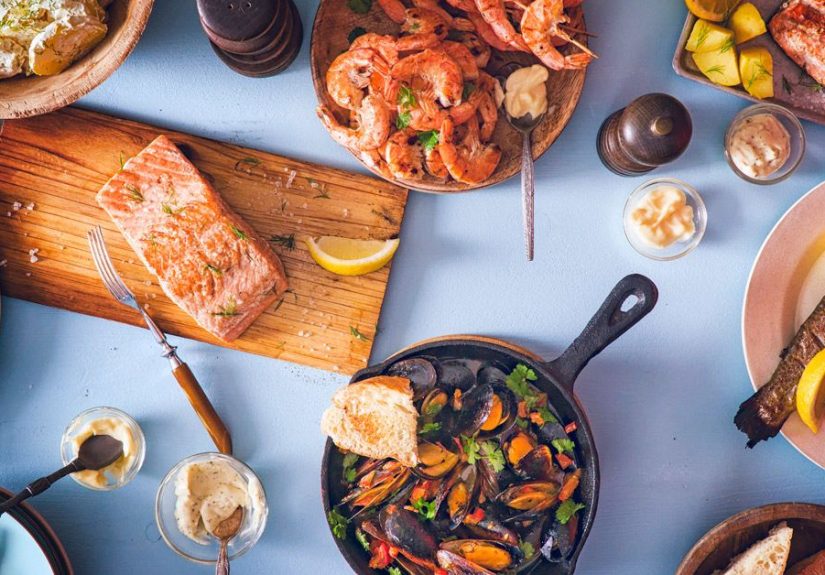
- Proteins: beef, chicken, turkey, bison, pork, eggs, wild-caught fish, shellfish.
- Vegetables: leafy greens, broccoli, cauliflower, peppers, zucchini, mushrooms, onions, etc.
- Fruits: berries, apples, citrus, melon (often in moderation depending on carb tolerance).
- Fats: olive oil, avocado, coconut, nuts/seeds, nut butters, fatty fish.
- Fermented foods: sauerkraut, kimchi, kefir, yogurt (often full-fat), pickles (properly fermented).
- Flavor boosters: herbs, spices, garlic, vinegar, mustard, hot sauce (watch added sugar).
Foods commonly limited or avoided
- Added sugar (including sweetened drinks, desserts, and most packaged snacks).
- Refined grains (white bread, pasta, crackers, many cereals).
- Often all grains and legumes (including whole grains and beans, depending on how strictly you follow it).
- Highly processed “diet” foods that look healthy but act like candy in disguise.
- Industrial seed oils are sometimes discouraged, depending on the interpretation.
Translation: you’ll be cooking more, label-reading more, and thinking less of “snack meals” as a personality.
So… Does the Wild Diet Work for Weight Loss?
For many people, yesespecially in the first 4–8 weeks. Here’s why it can feel “fast” at the start:
- Water weight drops when carb intake drops (carbs store water in the body).
- Hunger often decreases when you remove sugar/refined grains and increase protein/whole foods.
- Snacking usually declines because meals are more filling.
But there’s a catch (there’s always a catch): long-term success depends on whether you can stick with the plan
without turning it into a restrictive cycle. If you white-knuckle your way through 40 days, then “reward” yourself
with a month-long pasta festival, weight loss may not stick.
What the research reality suggests
There’s limited direct research on the Wild Diet itself as a branded program. However, its building blocks
(minimizing ultra-processed foods, emphasizing whole foods, often going lower-carb, prioritizing protein) overlap
with strategies that can support weight lossmainly because they can reduce calorie intake without deliberate
restriction.
In plain English: it works if it helps you consistently eat fewer calories while still feeling satisfied.
For many people, it does. For others, it’s too restrictive or too high in certain fats to feel comfortable long term.
Pros and Cons of the Wild Diet
Pros
- Whole foods focus: More cooking, fewer “mystery ingredients,” better overall diet quality.
- Satiety-friendly: Protein + fiber-rich vegetables can reduce hunger and cravings.
- Better relationship with sugar: Cutting added sugar often improves energy stability and appetite control.
- Simple rule set: Some people do better with “clear lines” than with moderation math.
- Fermented foods emphasis: Encourages gut-friendly options many people rarely eat.
Cons
- It can be overly restrictive: Eliminating all grains and legumes removes nutrient-rich, fiber-packed foods.
- Social friction: Restaurants, family meals, and travel can feel like obstacle courses.
- “Healthy fats” can become “infinite fats”: Calorie density matters. Nuts, oils, and cheese add up fast.
- Potential fiber gap: If you don’t replace grains/beans with lots of vegetables, fiber can drop.
- Not ideal for everyone: Athletes, endurance folks, and some medical conditions may need a different approach.
Who Might Love the Wild Diet (and Who Should Skip It)
This diet may be a good fit if you:
- Want structure and do better with clear “yes/no” rules.
- Currently eat a lot of packaged foods and want a reset toward real meals.
- Feel hungrier on high-carb, low-protein eating patterns.
- Enjoy savory foods and don’t mind cooking simple meals.
Consider another approach if you:
- Have a history of disordered eating or find restriction triggering.
- Prefer plant-forward diets and rely on beans/whole grains for protein and fiber.
- Have kidney disease, heart disease risk concerns, or other conditions where macros/fats need medical guidance.
- Need a plan that works smoothly for travel, dining out, or family meals.
Not medical advicejust reality: if you have health conditions or take medications, a registered dietitian or clinician
can help you adapt the plan safely.
How to Do the Wild Diet for Weight Loss (Without Losing Your Mind)
1) Build meals around “protein + produce + fat”
Every meal should have a solid protein source, at least two servings of vegetables, and a moderate amount of fat for
flavor and satisfaction. This keeps you full and makes snacking less seductive.
2) Treat fats like seasoning, not a food group you adopt
Olive oil is great. Avocados are great. But if your “healthy fats” are pouring in like a spa fountain, your calorie
deficit may vanish. Measure oils for a week. It’s enlightening. Slightly humiliating. Very useful.
3) Don’t go low-carb and low-fiber at the same time
If you remove grains and beans, you need to intentionally increase vegetables, berries, nuts/seeds (reasonable portions),
and possibly chia/flax to keep digestion happy.
4) Plan your “flex meals” like an adult
Flexibility helps sustainability, but “flex meal” doesn’t mean “I found a donut shop and now I live here.”
Choose one or two meals per week where you loosen the reins, then return to your baseline pattern.
Sample 1-Day Wild Diet Meal Plan (Weight-Loss Friendly)
Here’s a practical day that feels satisfying without becoming a calorie festival:
- Breakfast: veggie omelet (2–3 eggs) + sautéed spinach + salsa; coffee/tea unsweetened.
- Lunch: big salad with grilled chicken or salmon, mixed greens, cucumbers, peppers, olives, olive-oil vinaigrette.
- Snack (optional): Greek yogurt or kefir (plain) with berries; or carrots + hummus-style dip (if you include legumes).
- Dinner: steak or turkey burgers + roasted broccoli + cauliflower “rice” + fermented pickles or sauerkraut.
- Dessert: berries with a sprinkle of cinnamon; or dark chocolate (small portion).
Common Mistakes That Stall Weight Loss on the Wild Diet
- Overdoing calorie-dense foods: nuts, oils, cheese, and “keto treats” can quietly erase your deficit.
- Not eating enough vegetables: fewer carbs shouldn’t mean fewer plants.
- Relying on “approved” packaged foods: swapping chips for “paleo chips” is still… chips.
- Skipping protein early in the day: a light breakfast can lead to an afternoon snack spiral.
- Sleep and stress ignored: cravings and appetite are way louder when you’re exhausted.
FAQ: The Wild Diet and Weight Loss
Is the Wild Diet basically Paleo?
It’s Paleo-inspired, but versions of the Wild Diet often emphasize fermented foods and sometimes allow full-fat dairy,
which stricter Paleo plans usually avoid.
Do you have to cut all carbs?
No. Most people doing this for weight loss keep carbs lower by focusing on vegetables and moderate fruit,
while cutting refined grains and added sugar.
Can you lose 20 pounds in 40 days?
Some people may see dramatic early drops, especially if starting from a high-processed-food diet, but outcomes vary wildly.
Rapid loss isn’t guaranteed, and faster loss can be harder to maintain. Sustainable progress beats “crash-and-rebound.”
Is it safe long term?
A whole-foods diet can be healthy long term, but extreme restriction of entire food groups may not be appropriate for everyone.
If you’re unsure, consult a registered dietitian to tailor it to your needs.
Verdict: Should You Try the Wild Diet for Weight Loss?
If you want a structured, whole-foods, lower-carb plan that pushes you away from ultra-processed foodsand you can
handle some restrictionsthe Wild Diet can be effective for weight loss. Its biggest strength is that it
often reduces cravings and snacking by making meals more filling and less processed.
The biggest risk is that you treat it like a 40-day “boot camp,” then bounce back into old habits. If you use it as a reset
and keep the best parts (real meals, less sugar, more protein, more produce), you’re far more likely to keep the weight off.
Real-World Experiences: What It’s Like to Actually Live on the Wild Diet (About )
People’s experiences on the Wild Diet tend to follow a recognizable storylinelike a sitcom season where the first episodes
are chaos, the middle ones are progress, and the finale depends on whether the main character learns anything.
Week 1: The “Wait, What Do I Eat Now?” phase. A lot of folks start by cleaning out the pantry and suddenly
realize half their “meals” were crackers with confidence. The first few days are usually fineuntil the late afternoon,
when muscle memory sends you toward the snack drawer. If you’ve been living on refined carbs, you might notice headaches,
fatigue, or crankiness (sometimes called “carb withdrawal,” sometimes called “being hungry and mad about it”).
The fix is boring but effective: eat enough at mealsespecially protein and vegetablesand don’t fear adding some healthy fat
so food actually satisfies you.
Week 2–3: Cravings get quieter. Many people report they stop thinking about food every 30 minutes. Breakfast
becomes a turning point: switching from cereal or pastries to eggs, leftovers, or a savory bowl can dramatically reduce
mid-morning hunger. Energy feels steadier. Clothes may fit better, partly from reduced bloating and water weight.
This is also when “healthy fat enthusiasm” can sneak in: handfuls of nuts, extra olive oil, and “just a little more cheese”
may slow fat loss. People who keep losing steadily often do one simple thingportion calorie-dense foods like adults.
Week 4–6: The social-life test. This is when birthdays happen. Work travel appears. A friend suggests pizza.
And you’re forced to answer the question: “Is this a diet I can live with, or a rulebook I’m borrowing?”
Many Wild Diet followers find a rhythm by choosing a flexible approach: they stay consistent most days, then pick a couple of
meals per week where they loosen up without going full chaos. The people who struggle most often go to extremes:
hyper-restricting all week, then swinging into “I blew it anyway” overeating.
The best long-term experiences usually come from people who treat the Wild Diet as a framework, not a prison.
They keep the core habitswhole foods, less sugar, more produce, enough proteinwhile reintroducing certain foods strategically
if needed (like oats, beans, or brown rice) based on digestion, training needs, and sustainability. They also learn a key truth:
consistency beats perfection. You don’t need a flawless 40 days. You need a way of eating that still works when life is messy,
restaurants are involved, and stress is doing its best impression of a snack demon.
In other words, the Wild Diet “works” best when you stop trying to be wild and start trying to be repeatable.






 Close
Close