
Table of Contents >> Show >> Hide
- What Happens in the Body When Breast Cancer Develops?
- How Breast Cancer Affects the Breast
- How Breast Cancer Affects the Lymph Nodes
- How Breast Cancer Affects Energy Levels
- How Breast Cancer Treatment Affects Hair, Skin, and Nails
- How Breast Cancer Affects the Immune System
- How Breast Cancer Affects Hormones and Reproductive Health
- How Breast Cancer Affects Bones and Muscles
- How Breast Cancer Can Affect the Lungs, Liver, and Brain
- How Breast Cancer Affects Appetite, Weight, and Digestion
- How Breast Cancer Affects the Heart and Nerves
- How Breast Cancer Affects Mental and Emotional Health
- Long-Term Effects After Breast Cancer Treatment
- When to Call a Healthcare Professional
- Experiences Related to How Breast Cancer Affects the Body
- Conclusion
Breast cancer may begin in one area of the body, but its effects can ripple far beyond the breast. It can change the skin, lymph nodes, bones, energy levels, hormones, digestion, mood, sleep, sexuality, and daily routine. In other words, breast cancer is not just “a lump.” It is a full-body experience, and unfortunately, it did not send a polite calendar invite before showing up.
The good news is that understanding how breast cancer affects the body can make the disease feel less mysterious and more manageable. When people know what symptoms to watch for, why treatment causes certain side effects, and how recovery may feel, they can have better conversations with their healthcare team and make informed choices. This guide explains what breast cancer can do to the body, from early physical signs to treatment-related changes and long-term effects.
What Happens in the Body When Breast Cancer Develops?
Breast cancer starts when cells in breast tissue grow abnormally and multiply in an uncontrolled way. Most breast cancers begin in the ducts, which carry milk to the nipple, or in the lobules, which are the glands that make milk. Over time, these abnormal cells may form a tumor. Some tumors stay contained for a while, while others invade nearby tissue or spread through the bloodstream or lymphatic system.
The body is usually excellent at keeping cells organized. Healthy cells grow, divide, do their jobs, and eventually die when they are supposed to. Cancer cells are the rule-breakers. They ignore normal signals, keep multiplying, and can sometimes travel to new places. This is why breast cancer can affect not only the breast itself but also the lymph nodes, bones, lungs, liver, brain, immune system, and overall energy.
How Breast Cancer Affects the Breast
The most direct effects of breast cancer often appear in the breast. Some people notice a lump, thickening, swelling, or a change in breast shape. Others may have no symptoms at all, especially when the tumor is small. That is one reason screening mammograms are important: they can sometimes find breast cancer before it announces itself like an unwanted guest with a foghorn.
Common Breast Changes
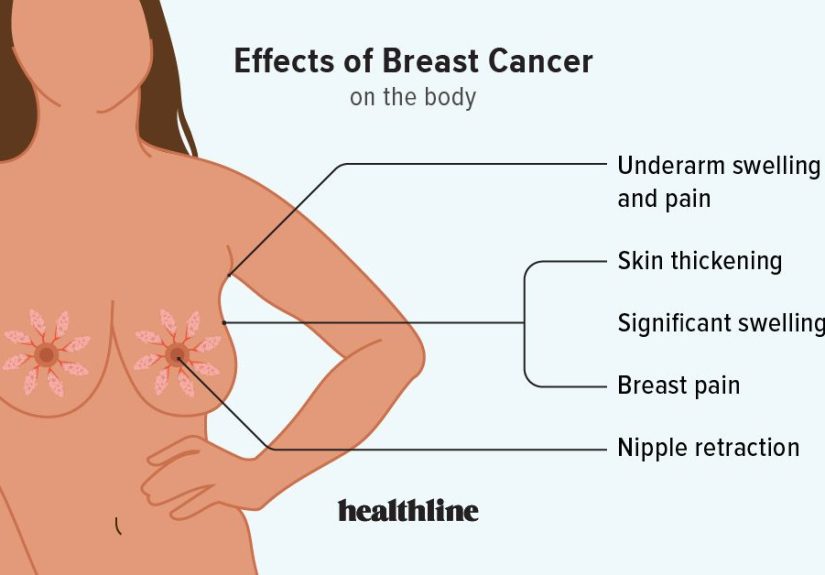
Breast cancer may cause a hard lump or mass, but not every lump is cancer. Still, a new lump in the breast or underarm should always be checked by a healthcare professional. Other possible signs include dimpling, puckering, redness, scaling, nipple discharge, nipple pulling inward, breast pain, or swelling in one area. Some changes may look subtle, so paying attention to what is normal for your body matters.
Inflammatory breast cancer, a rare but aggressive type, may cause the breast to look red, swollen, warm, or thickened, sometimes with skin that resembles an orange peel. This type may not always cause a clear lump, which makes fast medical evaluation especially important.
How Breast Cancer Affects the Lymph Nodes
The lymphatic system is part of the immune system. It carries lymph fluid, filters waste, and helps fight infection. Breast cancer can spread to nearby lymph nodes, especially those under the arm, near the collarbone, or around the chest. Swollen lymph nodes may feel like lumps in the armpit or upper chest area.
Doctors often check lymph nodes during diagnosis and surgery because lymph node involvement helps determine the stage of breast cancer and guides treatment. If cancer cells are found in the lymph nodes, it does not automatically mean the cancer has spread throughout the body, but it does mean the disease may need more intensive treatment.
Lymphedema: Swelling After Treatment
Breast cancer treatment can also affect the lymph system. Surgery that removes lymph nodes or radiation that damages lymph vessels may increase the risk of lymphedema. Lymphedema is swelling caused by a buildup of lymph fluid, often in the arm, hand, chest, or breast area. It may feel heavy, tight, achy, or uncomfortable.
Lymphedema can develop soon after treatment or months to years later. Gentle exercise, physical therapy, compression garments, skin care, and early treatment can help manage symptoms. The key is not to ignore swelling and hope it gets bored and leaves. It rarely takes the hint.
How Breast Cancer Affects Energy Levels
Fatigue is one of the most common body-wide effects of breast cancer and its treatment. Cancer-related fatigue is different from regular tiredness. It may not improve after a good night’s sleep, and it can make everyday tasks feel like climbing a mountain while carrying groceries and wearing flip-flops.
Fatigue may come from the cancer itself, chemotherapy, radiation therapy, surgery, hormone therapy, anemia, pain, sleep problems, emotional stress, or poor appetite. Some people feel exhausted during treatment, while others continue to experience fatigue long after treatment ends.
Why Fatigue Happens
The body uses energy to repair tissue, process medications, fight inflammation, and manage stress. Treatments such as chemotherapy and radiation can also affect healthy cells, which may leave the body feeling drained. Emotional strain adds another layer. Worrying about scans, appointments, side effects, finances, work, and family responsibilities can be physically exhausting.
Light movement, hydration, balanced meals, rest breaks, and support from loved ones can help. For some people, supervised exercise improves energy and mood. Still, severe fatigue should be discussed with a medical team because it may signal anemia, infection, thyroid changes, depression, or another treatable issue.
How Breast Cancer Treatment Affects Hair, Skin, and Nails
Chemotherapy can cause hair thinning or hair loss because it targets fast-growing cells, and hair follicle cells grow quickly. Hair loss may affect the scalp, eyebrows, eyelashes, underarms, legs, and other areas. For many people, this is one of the most visible and emotionally difficult side effects.
Radiation therapy may cause skin changes in the treated area. The skin may become red, dry, itchy, tender, darker, or more sensitive. It can sometimes peel, similar to a sunburn, though the exact reaction varies. The breast or chest area may also feel firmer or look slightly different after treatment.
Nails may become brittle, ridged, discolored, or tender during certain treatments. Skin may become dry, sensitive, or more prone to irritation. Gentle fragrance-free products, sun protection, and medical guidance can help protect the skin barrier during treatment.
How Breast Cancer Affects the Immune System
Breast cancer and its treatments can affect immune function. Chemotherapy may lower white blood cell counts, making it harder for the body to fight infection. When white blood cells drop too low, even a small infection can become serious.
Signs of infection can include fever, chills, sore throat, cough, burning with urination, redness around a wound, or feeling suddenly unwell. People receiving chemotherapy are often told to call their care team right away if they develop a fever. This is not the time to “tough it out.” Your immune system may be running on airplane Wi-Fi, and it needs backup.
How Breast Cancer Affects Hormones and Reproductive Health
Some breast cancers grow in response to hormones such as estrogen or progesterone. Hormone therapy can help block these signals or lower hormone levels, reducing the risk of recurrence in hormone receptor-positive breast cancer. However, changing hormone levels can affect the entire body.
Hormone therapy may cause hot flashes, night sweats, vaginal dryness, mood changes, joint stiffness, decreased libido, and changes in menstrual cycles. In some cases, treatment may trigger early menopause. Certain chemotherapy drugs can also affect ovarian function and fertility.
Fertility and Sexual Health
Breast cancer can affect fertility, especially when treatment includes chemotherapy or medications that suppress ovarian function. People who may want children in the future should ask about fertility preservation before treatment begins when possible. Options may include egg freezing, embryo freezing, or ovarian suppression, depending on the situation.
Sexual health can also change. Fatigue, body image concerns, pain, vaginal dryness, reduced desire, scars, and emotional stress may all play a role. These issues are common, real, and worthy of care. A healthcare team may recommend lubricants, moisturizers, pelvic floor therapy, counseling, medication adjustments, or other strategies.
How Breast Cancer Affects Bones and Muscles
Breast cancer can affect bones in two major ways: through metastasis or through treatment side effects. When breast cancer spreads, the bones are one of the most common sites. Bone metastases may cause persistent pain, fractures, spinal pressure, weakness, or high calcium levels in the blood.
Treatment can also influence bone health. Some hormone therapies lower estrogen, which can contribute to bone thinning or osteoporosis. Joint pain, muscle aches, stiffness, and reduced strength may occur during or after treatment. People taking aromatase inhibitors, for example, may experience joint discomfort that makes movement less appealing. Unfortunately, the couch is very persuasive, but regular gentle movement can often help.
Protecting Bone Strength
Doctors may monitor bone density and recommend calcium, vitamin D, weight-bearing exercise, or bone-strengthening medicines when appropriate. Any new, persistent, or severe bone pain should be reported, especially in someone with a history of breast cancer.
How Breast Cancer Can Affect the Lungs, Liver, and Brain
When breast cancer spreads to distant organs, it is called metastatic breast cancer, or stage 4 breast cancer. Metastatic breast cancer is still breast cancer, even if it is found in the bones, lungs, liver, or brain. The symptoms depend on where the cancer has spread.
Lung Symptoms
Breast cancer that spreads to the lungs may cause shortness of breath, a persistent cough, chest discomfort, or fluid buildup around the lungs. Some people have few symptoms at first, which is why follow-up care and reporting new symptoms are important.
Liver Symptoms
If breast cancer affects the liver, symptoms may include abdominal swelling, pain or fullness under the ribs, nausea, poor appetite, unexplained weight loss, yellowing of the skin or eyes, or itchy skin. Liver symptoms can overlap with many other conditions, so medical evaluation is necessary.
Brain Symptoms
Brain metastases may cause headaches, dizziness, vision changes, seizures, confusion, balance problems, weakness, or speech changes. These symptoms should be addressed quickly. Not every headache means cancer has spread, of course. Sometimes a headache is just dehydration, stress, or your neighbor’s leaf blower. But new or unusual neurological symptoms deserve prompt attention.
How Breast Cancer Affects Appetite, Weight, and Digestion
Breast cancer and its treatment can change appetite and digestion. Chemotherapy may cause nausea, vomiting, diarrhea, constipation, mouth sores, taste changes, or food aversions. Foods that once tasted delicious may suddenly taste metallic, bland, or strangely offensive. Coffee may betray you. Garlic may become dramatic. The body can be surprisingly opinionated during treatment.
Weight may go up or down. Some people lose weight because of nausea, low appetite, or difficulty eating. Others gain weight because of hormone therapy, reduced activity, menopause-related changes, steroids, stress eating, or shifts in metabolism. Neither change is a personal failure. The goal is nourishment, strength, and symptom management, not perfection.
How Breast Cancer Affects the Heart and Nerves
Some breast cancer treatments can affect the heart. Certain chemotherapy drugs and HER2-targeted therapies may increase the risk of heart muscle weakness in some people. Radiation to the left side of the chest may also require careful planning to reduce heart exposure. Doctors may monitor heart function before, during, or after specific treatments.
Nerve changes can also occur. Chemotherapy-induced peripheral neuropathy may cause tingling, numbness, burning, or pain in the hands and feet. This can make buttons, jars, typing, walking, or balance more difficult. Reporting symptoms early may help the care team adjust treatment or recommend therapies to reduce discomfort.
How Breast Cancer Affects Mental and Emotional Health
The body and mind are not separate filing cabinets. Breast cancer can affect emotional health through fear, uncertainty, grief, anger, sadness, anxiety, and changes in identity. Even after treatment ends, some people feel scan anxiety, worry about recurrence, or struggle to return to “normal.” The truth is that normal may change, and adjusting to that takes time.
Body image can also be affected by scars, breast surgery, hair loss, weight changes, early menopause, or fatigue. Some people feel strong and grateful. Others feel frustrated, disconnected, or overwhelmed. Many feel all of the above before lunch. Support groups, counseling, oncology social workers, survivorship programs, and honest conversations with loved ones can help.
Long-Term Effects After Breast Cancer Treatment
Many people live full, active lives after breast cancer treatment, but recovery is not always instant. Long-term effects may include fatigue, lymphedema, nerve pain, joint stiffness, bone loss, menopausal symptoms, memory changes, sexual health concerns, anxiety, or changes in physical strength.
Follow-up care is important. Survivorship visits may include physical exams, mammograms when appropriate, medication management, bone health monitoring, heart checks, and support for late side effects. People should tell their healthcare team about symptoms that interfere with daily life. There is no trophy for silent suffering, and if there were, it would be a terrible trophy.
When to Call a Healthcare Professional
Anyone should seek medical advice for a new breast lump, nipple discharge that is bloody or unusual, changes in breast shape, skin dimpling, persistent breast pain, nipple inversion, swelling in the armpit, or redness and thickening of the breast skin. People with a history of breast cancer should also report new bone pain, unexplained weight loss, persistent cough, shortness of breath, severe headaches, vision changes, abdominal swelling, jaundice, or neurological symptoms.
During treatment, urgent symptoms may include fever, chills, chest pain, severe shortness of breath, confusion, uncontrolled vomiting, signs of dehydration, heavy bleeding, sudden weakness, or severe allergic reactions. When in doubt, calling the care team is better than asking the internet to diagnose a symptom at 2:00 a.m. The internet has confidence. Your oncology team has context.
Experiences Related to How Breast Cancer Affects the Body
People often describe breast cancer as a physical illness that quickly becomes a daily-life event. The body may change in ways that are visible, invisible, temporary, or long-lasting. One person may feel mostly normal after surgery but struggle emotionally when looking at scars. Another may handle surgery well but feel completely flattened by chemotherapy fatigue. Someone else may continue working through treatment but need naps that are less “beauty sleep” and more “system shutdown.”
A common experience is learning that fatigue has layers. It is not simply feeling sleepy. It can feel like the muscles have been unplugged, the brain is moving through syrup, and the smallest errand requires a strategy meeting. Many people learn to pace themselves by planning activities around treatment cycles, accepting help with meals or transportation, and letting go of the idea that productivity equals worth.
Hair loss can also carry emotional weight. Some people shave their heads early to feel more in control. Others choose wigs, scarves, hats, or nothing at all. There is no correct way to look like yourself during breast cancer treatment. The best choice is the one that helps the person feel comfortable, confident, or at least slightly less annoyed by the mirror.
Another common experience involves body image after breast surgery. Lumpectomy, mastectomy, reconstruction, or choosing no reconstruction can all affect how a person feels in clothing, in relationships, and in private moments. Healing may include physical recovery, but it may also include grieving, adjusting, and slowly rebuilding trust with the body. Scars can become reminders of survival, but that does not mean everyone loves them immediately. Mixed feelings are normal.
Hormonal changes can be surprisingly disruptive. Hot flashes, night sweats, vaginal dryness, sleep problems, and mood swings may appear during treatment and make everyday life harder. A person may feel like their internal thermostat has been replaced by a prankster. These symptoms can affect work, intimacy, confidence, and sleep quality. Fortunately, healthcare teams can often suggest nonhormonal medications, lifestyle changes, moisturizers, physical therapy, or other options.
Relationships may change too. Friends and family often want to help but may not know how. Some people say the most useful support is specific: a ride to treatment, a freezer meal, childcare, help with laundry, or quiet company during a long appointment. Vague offers like “Let me know if you need anything” are kind, but specific help is easier to accept. Cancer already comes with enough homework.
Many survivors also describe a strange transition after active treatment ends. Everyone else may celebrate, while the person who went through treatment still feels tired, anxious, sore, or uncertain. Follow-up scans and appointments can bring fear rushing back. This does not mean the person is ungrateful. It means the body and mind need time to recover from a major experience.
The most important lesson from these experiences is that breast cancer affects every person differently. Some effects are medical, some are emotional, and some are practical. Support should be flexible, respectful, and personal. Listening without trying to fix everything can be powerful. So can encouraging someone to report symptoms, ask questions, and request help early. Breast cancer may affect the body in many ways, but good care, informed decisions, and strong support can help people move through treatment with more comfort and confidence.
Conclusion
Breast cancer affects the body in complex ways. It can change the breast, lymph nodes, immune system, hormones, energy, bones, skin, digestion, nerves, heart, and emotional well-being. Some effects come from the cancer itself, while others come from treatments designed to control or eliminate it. Understanding these changes can help people recognize symptoms, prepare for treatment, manage side effects, and advocate for better care.
The body may feel different during and after breast cancer, but different does not mean broken. With early detection, personalized treatment, symptom management, rehabilitation, emotional support, and ongoing follow-up, many people find a new rhythm. Breast cancer is serious, but knowledge gives patients and families something steady to hold onto when everything else feels uncertain.






 Close
Close