
Table of Contents >> Show >> Hide
- Why Anne Becker’s Linen Style Still Feels So Modern
- What Makes Linen Such a Parisian Fabric?
- From Haute Couture to Home: The Anne Becker Effect
- How to Use Fabrics and Linen in a Modern Home
- How to Choose Quality Linen
- How to Care for Linen Without Drama
- Paris-Inspired Linen Styling Ideas
- Why This Look Works for Today’s Homes
- Experience Notes: Living With Fabrics & Linen, Paris Style
- Conclusion
Some design stories arrive with fireworks. Others arrive quietly, like sunlight slipping through a linen curtain in a Paris apartment. Fabrics & Linen: Anne Becker in Paris belongs to the second kind. It is not about loud decorating, aggressive luxury, or a bedroom that looks as if no human has ever dared to sneeze near it. It is about fabric with memory, linen with texture, and the kind of home detail that whispers, “Yes, I am refined,” while still being perfectly willing to handle a morning coffee spill.
Anne Becker’s Paris-based textile world has long appealed to people who love the bridge between fashion and interiors. Her background in haute couture gives her linens a tailored point of view: precise edges, graceful color, a sensitivity to touch, and an understanding that fabric is never just fabric. It is mood, atmosphere, comfort, and personality folded into something you can actually live with.
In a time when home design often swings between ultra-minimal beige boxes and maximalist rooms that appear to have swallowed a flea market whole, Anne Becker’s linen aesthetic feels refreshingly balanced. It respects craftsmanship without becoming precious. It celebrates texture without shouting. Most importantly, it reminds us that the best interiors are not built only with furniture. They are softened, warmed, and humanized by textiles.
Why Anne Becker’s Linen Style Still Feels So Modern
Anne Becker’s appeal begins with an elegant contradiction: her work feels both refined and relaxed. That is the magic trick linen has been performing for centuries. Unlike glossy synthetics or overly formal silks, linen has a lived-in beauty. It creases, softens, drapes, and improves with use. In other words, linen understands life. It does not panic when someone sits down.
Becker’s textile sensibility is often described through the lens of couture, and that background matters. Haute couture is obsessed with proportion, finishing, fabric behavior, and detail. When that discipline moves from clothing to bedding, pillows, and home linens, the result is subtle but powerful. A pillowcase is not just a rectangle with ambition. A duvet cover is not just a large fabric envelope. Every seam, border, stitch, and color choice contributes to the atmosphere of the room.
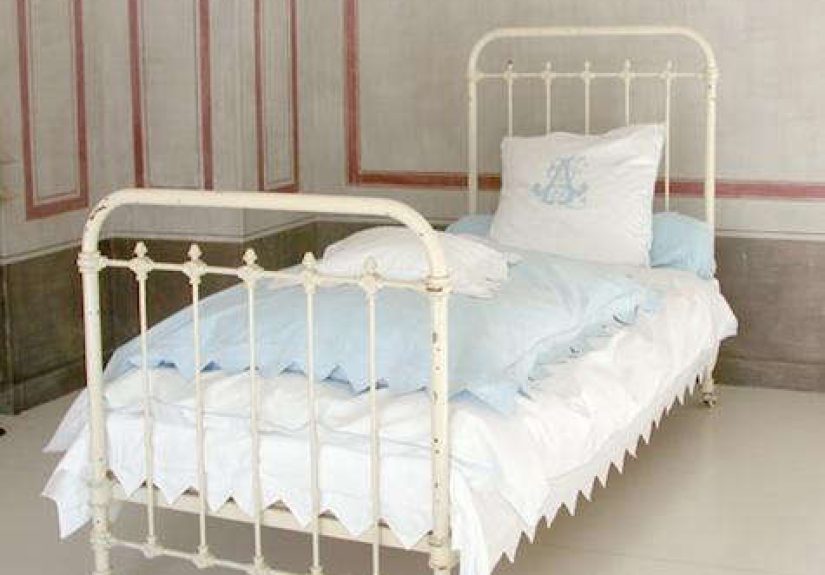
Her well-known Diamant-inspired bedding, with its diamond-edged detailing, captures this spirit beautifully. The design does not need oversized logos or visual gymnastics. Instead, it relies on geometry, tactility, and color. The effect is quiet luxury in the truest sense: not “look how expensive I am,” but “look how considered this is.”
What Makes Linen Such a Parisian Fabric?
Linen and Paris seem naturally connected because both understand the charm of imperfection. A Paris apartment may have old floors, tall windows, slightly uneven plaster, a marble fireplace, and a staircase that looks romantic until you carry groceries up five flights. Linen fits this world perfectly. It has structure, but not stiffness. It has elegance, but not fussiness. It brings a room down to earth without making it feel ordinary.
Made from flax fibers, linen is valued for its strength, breathability, moisture-wicking feel, and naturally textured surface. Compared with many bedding fabrics, it tends to feel airy and cool, which is why it is often loved by warm sleepers. But the bigger design secret is visual: linen absorbs color in a soft, chalky way. Whites look creamy rather than clinical. Blues feel weathered. Pinks become dusty. Grays look like Paris skies, which, depending on the month, may be either poetic or deeply committed to drizzle.
This is why linen works so well in interiors inspired by French living. It does not flatten a room. It gives it depth. A linen curtain can filter light so gently that even an average Tuesday morning starts acting like a film scene. A linen pillow can make a rigid sofa feel approachable. A linen duvet can make a bedroom look finished without feeling staged.
From Haute Couture to Home: The Anne Becker Effect
The most interesting thing about Anne Becker’s approach is how she treats home textiles as designed objects, not afterthoughts. Many people decorate a room by choosing furniture first and then grabbing pillows later in a panic. The Anne Becker way suggests something more thoughtful: start with touch, texture, and the emotional temperature of the room.
Edges Matter
In clothing, hems and seams define how a garment falls. In bedding, borders and edges define how a bed presents itself. A diamond border, contrast trim, or carefully finished pillowcase can add architecture to softness. This is especially useful in minimalist rooms, where small details carry more visual weight.
Color Should Feel Lived With
Parisian textile color rarely looks flat. Instead of harsh brights, think of softened jewel tones, natural whites, stone, smoke, faded blue, muted yellow, pale lilac, or red used like punctuation. Anne Becker’s colorful linen vocabulary shows how bedding can be expressive without becoming chaotic.
Luxury Should Invite Use
The best linen does not behave like museum fabric. It invites daily contact. That is the difference between a luxurious home and a showroom. A bedroom should not look as if a security guard might ask you not to touch the duvet.
How to Use Fabrics and Linen in a Modern Home
You do not need a Paris address, antique molding, or a neighbor who plays accordion at sunset to bring this textile mood into your home. The key is to use linen where its strengths matter most: softness, airflow, texture, movement, and relaxed polish.
1. Start With the Bed
The bed is the easiest place to introduce linen because it offers maximum visual impact. A linen duvet cover, fitted sheet, or pillow sham can instantly shift a room from “functional sleeping zone” to “boutique hotel with better snacks.” White linen is timeless, but colored borders or embroidered details add personality. If your bedroom already has strong wall color or patterned rugs, choose neutral linen. If the room is simple, try a soft blue, ochre, rose, lavender, or charcoal accent.
2. Use Linen Curtains to Control Light
Linen curtains are excellent for rooms where you want privacy without blocking all natural light. They diffuse glare, soften hard architecture, and create movement when the windows are open. For a Paris-inspired look, hang curtains high and let them fall close to the floor. Slight puddling can look romantic, but do not overdo it unless you enjoy vacuuming fabric like it owes you money.
3. Add Pillows With Texture, Not Clutter
Linen pillows are ideal for sofas, reading chairs, benches, and beds. The goal is not to build a pillow mountain that requires excavation before sleeping. Instead, use two or three textured pieces in complementary tones. A beige linen pillow beside a gray wool throw, a striped cushion on a white sofa, or a diamond-edged sham against crisp sheets can do more than a dozen random prints.
4. Bring Linen to the Table
Table linens are where relaxed elegance shines. A washed linen tablecloth does not need to be perfectly ironed to look beautiful. In fact, a few natural wrinkles make the setting feel warmer. Pair linen napkins with simple ceramics, glassware, taper candles, or fresh herbs in a small vase. Suddenly, dinner looks intentionaleven if the main course came from a delivery app and optimism.
5. Consider Linen Blends for Upholstery
Pure linen is beautiful, but for heavy-use seating, a linen blend may perform better. Linen-cotton or linen-viscose blends can offer a similar natural texture with improved resilience. For dining chairs, headboards, benches, or occasional chairs, linen brings softness and sophistication. For a family sofa used by children, pets, and snack enthusiasts, look carefully at durability ratings and cleanability before committing.
How to Choose Quality Linen
Good linen has presence. It should feel substantial but not stiff, textured but not scratchy, relaxed but not flimsy. When shopping for linen bedding or home fabrics, pay attention to more than color. The quality lives in the fiber, weave, finish, stitching, and how the fabric behaves after washing.
Fiber Origin and Traceability
European flax is highly regarded in the linen world because of the climate and long tradition of flax cultivation in parts of France, Belgium, and nearby regions. Certifications such as Masters of Flax Fibre or Masters of Linen can help shoppers understand origin and traceability. For anyone buying investment linens, these details are worth checking.
Weight and Hand-Feel
Lightweight linen feels breezy and casual, making it great for summer sheets and curtains. Heavier linen has more structure and works well for duvet covers, pillows, upholstery, and table linens. Stonewashed linen often feels softer from the beginning, while traditional linen may start crisper and soften over time.
Construction Details
Look at seams, hems, buttons, ties, envelope closures, embroidery, and borders. Anne Becker’s couture-influenced appeal is a reminder that finishing matters. Beautiful fabric can lose its charm quickly if the stitching is careless or the closure looks like it gave up halfway through the assignment.
Certifications and Safety
Textile certifications can help separate meaningful claims from marketing confetti. OEKO-TEX STANDARD 100, for example, indicates that textiles have been tested for certain harmful substances. Certifications are not the only measure of quality, but they can add confidence, especially for bedding that touches the skin for hours every night.
How to Care for Linen Without Drama
Linen is strong, but it appreciates good manners. Treat it well and it can become softer and more beautiful over time. Abuse it with scorching heat, harsh chemicals, and overcrowded washing machines, and it may respond with shrinkage, roughness, or a look that says, “I trusted you.”
Wash Gently
Use cold or lukewarm water, a mild detergent, and a gentle cycle. Avoid washing linen with heavy items such as jeans, towels, or anything with zippers that can abrade the fibers. Give the fabric room to move in the machine so it can clean properly and wrinkle less aggressively.
Dry With Care
Air drying is the gentlest option, especially for fine bedding or decorative linens. If you use a dryer, choose low heat and remove items while slightly damp. Over-drying can make linen feel rough and encourage shrinkage. Smooth pieces by hand before hanging or folding.
Embrace the Wrinkle
Linen wrinkles. This is not a design flaw; it is part of the charm. If you want a crisp look, iron while slightly damp. If you prefer relaxed elegance, smooth the fabric, fold it neatly, and let the wrinkles behave like texture. Parisian style has never depended on looking freshly laminated.
Store It Properly
Store linen in a cool, dry place away from direct sunlight. Use breathable cotton or linen storage bags rather than plastic for long-term storage. Make sure items are fully dry before putting them away to prevent musty smells or mildew.
Paris-Inspired Linen Styling Ideas
To create a home that channels Anne Becker’s Paris textile mood, think in layers rather than themes. You are not building a movie set called “Bonjour, Decorative Baguette.” You are creating a space where materials feel authentic, useful, and beautiful.
The Soft White Bedroom
Start with white or ivory linen bedding. Add pillowcases with colored trim, a textured throw, and one quiet accent color such as pale blue, muted gold, or gray. Keep the bedside table simple: a ceramic lamp, a book, and maybe flowers that look effortless but absolutely were not.
The Warm Minimalist Living Room
Pair linen curtains with a natural wood coffee table, a wool rug, and a sofa in cotton, linen blend, or soft neutral upholstery. Add one patterned cushion or embroidered textile for interest. The room should feel calm, not empty.
The Casual French Table
Use a washed linen tablecloth in natural, white, or dusty color. Add linen napkins that do not perfectly match. Mix old and new pieces: simple plates, vintage glasses, fresh bread, and a small bowl of fruit. Linen loves this kind of informal abundance.
The Boutique Guest Room
For a guest room, linen is a practical luxury. Use breathable sheets, a textured duvet, and a pair of tailored shams. Add a small bench with a folded throw at the foot of the bed. Guests will assume you are extremely organized. Let them enjoy the fantasy.
Why This Look Works for Today’s Homes
The renewed interest in linen fits a larger shift in interior design. People want homes that feel tactile, warm, natural, and personal. After years of glossy perfection online, there is growing appreciation for materials that show texture and age gracefully. Washed linen, warm minimalism, natural fibers, and handcrafted details all speak to the same desire: comfort with character.
Anne Becker’s Paris linen aesthetic feels relevant because it never depended on trendiness. It is rooted in the lasting principles of good design: quality materials, thoughtful details, beautiful color, and everyday usability. Whether used in bedding, curtains, pillows, or table settings, linen brings a human softness that modern rooms often need.
Experience Notes: Living With Fabrics & Linen, Paris Style
The real pleasure of linen is not only how it looks in a photograph. It is how it behaves in daily life. A freshly made linen bed has a particular kind of invitation. It does not look stiff or overly formal. It looks breathable, welcoming, and quietly indulgent, as if the room has taken a deep breath and decided not to check email for the rest of the evening.
In a bedroom inspired by Anne Becker’s Paris sensibility, the experience begins with touch. You notice the dry hand of the fabric, the slight texture under your palm, the way a pillowcase softens after washing. Unlike slick bedding that feels cool for five minutes and then oddly anonymous, linen develops personality. The more you use it, the more it belongs to the room. It wrinkles where life happens. It softens where your hands fold it. It becomes familiar.
Color also changes the experience. White linen feels clean and classic, but not sterile when the fabric has texture. A blue-edged pillowcase can make the bed feel fresher. A fuchsia or red accent can add a little Parisian mischief. Beige and gray linen pillows bring calm to a living room, especially when paired with wood, stone, books, and old objects. The room starts to feel collected instead of decorated in one exhausted weekend.
Living with linen also teaches a healthier relationship with imperfection. You stop chasing the hotel-bed fantasy of absolute smoothness and begin appreciating ease. A linen tablecloth with gentle creases can make lunch feel more generous. Linen curtains moving slightly in the breeze can do more for a room than another decorative object. A washed linen duvet can make even a small apartment feel layered and thoughtful.
There is also a practical rhythm to linen. You learn not to overload the washer. You learn that low heat is kinder. You learn that folding while slightly damp can save you from ironing, which is wonderful news for anyone who believes ironing should require a signed treaty. You learn that good fabric rewards care, but it does not demand perfection.
Perhaps that is the most Parisian part of the whole experience. Linen, like the best Paris interiors, does not try too hard. It allows beauty to come from proportion, touch, history, and use. Anne Becker’s textile world reminds us that luxury does not have to be loud. Sometimes it is simply a well-made pillowcase, a softened sheet, a quiet border, and the feeling that home has become a little more graceful without becoming any less real.
Conclusion
Fabrics & Linen: Anne Becker in Paris is more than a design phrase; it is a way of thinking about the home. It asks us to notice fabric as architecture, comfort, memory, and mood. Anne Becker’s couture-informed linen aesthetic shows how small textile details can transform ordinary rooms into spaces that feel personal, polished, and deeply livable. Whether you are choosing linen bedding, curtains, pillows, or table linens, the lesson is simple: buy better, care gently, embrace texture, and let your home breathe.






 Close
Close