
Table of Contents >> Show >> Hide
- What Does “Mindset” Really Mean?
- How Thoughts Affect the Body
- The Mindset-Stress-Health Connection
- Mindset Can Shape Healthy Habits
- The Placebo Effect Shows the Power of Expectation
- Mindset and Heart Health
- Negative Thinking Can Become a Health Trap
- Practical Ways to Build a Healthier Mindset
- When Mindset Is Not Enough
- Real-Life Experiences: How Mindset Changes Health From the Inside Out
- Conclusion: Your Mindset Is Part of Your Medicine Cabinet
Your mindset is not a magic wand. It will not turn broccoli into cheesecake, erase a medical diagnosis, or make your treadmill fold laundry. But the way you think can influence how your body handles stress, how consistently you make healthy choices, how you recover from setbacks, and even how you interpret pain, fatigue, hunger, and progress.
In other words, mindset is not “just positive thinking.” It is the mental operating system behind your daily health decisions. It shapes whether you see a walk around the block as “not enough” or as a vote for your future self. It affects whether one bad night of sleep becomes a reason to quit or a reason to reset. And yes, it can affect your physical health in real, measurable ways.
The main keyword here is simple: mindset and health. The bigger idea is even simpler: your thoughts are not floating around in your head like decorative balloons. They can influence stress hormones, habits, motivation, relationships, sleep, and the way you respond to illness. That is not woo-woo. That is biology wearing sneakers.
What Does “Mindset” Really Mean?
A mindset is a pattern of beliefs that affects how you understand yourself, your body, and the world around you. It is the story your brain tells before you take action. For example, one person may think, “I am terrible at exercise,” while another thinks, “I am learning how to move more.” The difference may sound small, but it can change what happens next.
The first person may avoid the gym, feel embarrassed walking outside, and quit after missing a few days. The second person is more likely to experiment, start small, and recover after setbacks. Same body. Same schedule. Different mental script.
Fixed Mindset vs. Growth Mindset
A fixed mindset says, “This is just who I am.” A growth mindset says, “This is something I can improve with practice.” When applied to health, a fixed mindset might sound like, “My family has heart problems, so why bother?” A growth mindset sounds like, “My family history matters, so my daily habits matter too.”
This does not mean blaming people for illness. Health is affected by genetics, environment, income, access to care, food availability, sleep, stress, social support, and many other factors. But mindset can influence the part of the equation you do have some control over: your response.
How Thoughts Affect the Body
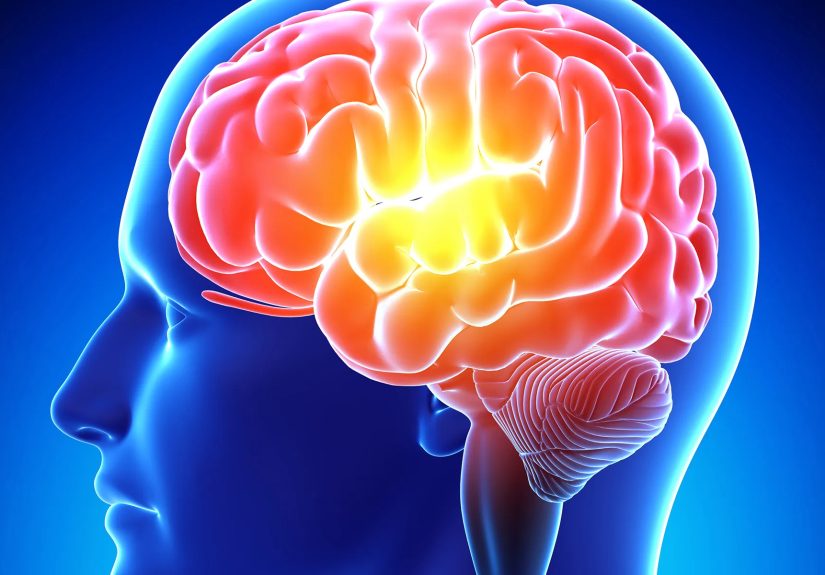
Your brain and body are in constant conversation. They do not text once a week and hope for the best. When you feel threatened, stressed, hopeful, ashamed, calm, or motivated, your nervous system reacts. Your heart rate may change. Your muscles may tense. Your breathing may become shallow. Your digestion may speed up, slow down, or file a formal complaint.
Stress is a natural response to challenge. In short bursts, it can help you focus and act quickly. The problem comes when stress becomes chronic and your body stays on high alert for too long. Long-term stress can contribute to poor sleep, headaches, digestive issues, high blood pressure, muscle tension, irritability, anxiety, and unhealthy coping behaviors.
Your mindset helps determine whether stress feels like a total disaster or a signal that your body is preparing to meet a challenge. That shift matters. If every stressful moment is interpreted as proof that life is falling apart, your body may stay in defensive mode. If stress is recognized as uncomfortable but manageable, you are more likely to breathe, plan, ask for help, and move through it.
The Mindset-Stress-Health Connection
Stress is one of the clearest ways mindset affects health. Two people can face the same deadline, medical appointment, or family problem and experience it very differently. One thinks, “I cannot handle this.” The other thinks, “This is hard, but I can take the next step.”
That second thought does not make the problem vanish. It does, however, reduce the feeling of helplessness. And helplessness is exhausting. When people believe they have no control, they are more likely to delay action, lose motivation, and fall into behaviors that make health worse, such as overeating, drinking too much, avoiding movement, or skipping sleep.
A healthier mindset does not deny reality. It looks reality in the eye and says, “Fine. You are here. Let us make a plan.” That is not toxic positivity. That is practical optimism.
Positive Thinking Is Not Pretending
Positive thinking often gets misunderstood. It does not mean smiling through pain or calling every disaster a “learning opportunity” while your kitchen floods. Healthy positive thinking means noticing negative thoughts, testing whether they are accurate, and choosing a more useful response.
For example, replace “I ruined my diet” with “I ate more than planned at lunch, so I will make dinner lighter and move on.” Replace “I never sleep well” with “My sleep has been rough lately, and I can improve my routine one habit at a time.” Replace “I am lazy” with “I am tired, overwhelmed, and need a smaller starting point.”
That is not sugarcoating. That is giving your brain better instructions.
Mindset Can Shape Healthy Habits
Most health goals fail not because people lack information, but because information alone does not change behavior. Everyone knows vegetables are useful. Yet a bag of chips can still make eye contact from across the room like it has unfinished business.
Mindset affects whether healthy habits feel like punishment or self-respect. If you think exercise is a penalty for eating, you may avoid it. If you think movement is a way to build strength, improve mood, and support future independence, you are more likely to stick with it.
Exercise Mindset
Many people underestimate the value of ordinary movement. They assume exercise only “counts” if it involves a gym, special shoes, dramatic sweating, and a playlist that sounds like a superhero entering battle. But walking, cleaning, gardening, taking stairs, stretching, dancing, and carrying groceries all contribute to movement.
When you believe your daily activity matters, you may become more motivated to do more of it. That belief can also reduce the shame-based thinking that keeps people stuck. A walk is not “nothing.” It is circulation, joint movement, mood support, and momentum.
Nutrition Mindset
A fixed food mindset divides eating into “perfect” and “failed.” That is a recipe for guilt, not health. A flexible nutrition mindset asks better questions: Did this meal include protein, fiber, color, and satisfaction? Am I eating because I am hungry, stressed, bored, or tired? What can I add instead of only what must I remove?
This approach makes healthy eating more sustainable. Instead of declaring war on carbs, joy, and every birthday cake in North America, you learn balance. Your body does not need perfection. It needs consistency.
The Placebo Effect Shows the Power of Expectation
The placebo effect is one of the most fascinating examples of how belief can influence the body. A placebo is not “fake healing.” It is a real response triggered by expectation, context, and the brain’s interpretation of care. When people expect relief, the brain may activate pathways related to pain, mood, and comfort.
This does not mean belief can replace medical treatment. Please do not try to out-mindset a broken bone or argue with pneumonia using affirmations. But it does show that expectations can shape physical experience. Hope, trust, and meaning can influence how people feel and how they engage with treatment.
Mindset works best as a partner to evidence-based care, not as a substitute for it. Think of it as the supportive friend who brings soup, not the surgeon.
Mindset and Heart Health
Your emotional life and cardiovascular system are connected. Chronic stress, depression, anxiety, anger, and social isolation can make healthy habits harder and may affect heart-related risk factors. On the other side, optimism, gratitude, purpose, and supportive relationships are linked with better health behaviors and improved well-being.
A positive outlook may encourage people to move more, smoke less, eat better, follow medical advice, and recover more effectively after health setbacks. The thought “My choices matter” can become a bridge to action. The thought “Nothing I do matters” often becomes a locked door.
Purpose Is a Health Tool
Purpose is not reserved for astronauts, doctors, or people who own inspirational wall art. Purpose can be taking care of your family, mentoring younger coworkers, caring for a pet, creating art, volunteering, growing tomatoes, or staying strong enough to travel at age 75 and complain about airport coffee with dignity.
When people feel that their life has meaning, they often have a stronger reason to protect their health. Purpose turns “I should exercise” into “I want to be able to play with my grandchildren.” It turns “I should sleep” into “I need energy for the life I care about.”
Negative Thinking Can Become a Health Trap
Negative thoughts are normal. The brain is designed to scan for danger, which is helpful when you need to avoid a speeding car and less helpful when you are replaying one awkward sentence from 2017 at 2 a.m.
The danger is not having negative thoughts. The danger is believing every one of them. Common thought traps include catastrophizing, all-or-nothing thinking, mind reading, emotional reasoning, and labeling yourself harshly.
- Catastrophizing: “One bad test result means everything is doomed.”
- All-or-nothing thinking: “I missed one workout, so I failed.”
- Mind reading: “Everyone at the gym is judging me.”
- Emotional reasoning: “I feel unhealthy, so I must be hopeless.”
- Harsh labeling: “I am weak,” instead of “I am struggling.”
These thoughts increase stress and reduce problem-solving. A healthier mindset catches the thought and questions it: Is this true? Is it useful? What would I say to a friend in the same situation?
Practical Ways to Build a Healthier Mindset
You do not need to become a walking motivational poster. You just need to practice thinking in ways that support your nervous system and your habits. Small mental shifts, repeated often, can become powerful.
1. Reframe “I Have To” as “I Get To”
“I have to exercise” sounds like punishment. “I get to move my body” creates gratitude. “I have to cook” becomes “I get to feed myself something useful.” This is not cheesy; it is strategic language. Your brain responds to the words you repeat.
2. Use Process Goals
Outcome goals are things like losing 20 pounds or lowering cholesterol. Process goals are the actions that move you there: walking 20 minutes, eating vegetables at lunch, sleeping before midnight, taking medication as prescribed, or checking in with your doctor.
Process goals are powerful because they give you something to do today. Your body changes over time, but your next action is available now.
3. Practice Mindfulness Without Making It Weird
Mindfulness means paying attention to the present moment without immediately judging it. You can practice it while breathing, walking, eating, stretching, or washing dishes. You do not need incense, a mountain retreat, or the ability to sit cross-legged without your knees sending legal notices.
Try this: pause for one minute, breathe slowly, notice your shoulders, unclench your jaw, and name what you feel. This teaches your brain that not every uncomfortable feeling requires panic or escape.
4. Talk to Yourself Like a Coach
A cruel inner voice may feel productive, but it usually drains energy. A good coach is honest and encouraging. Instead of “You are terrible at this,” try “This is difficult, and you are practicing.” Instead of “You always quit,” try “Start again today, smaller.”
Self-compassion is not laziness. It is recovery fuel. People are more likely to keep going when they do not feel destroyed by every mistake.
5. Build an Evidence File
Your brain may forget progress when you are tired. Keep proof. Write down walks completed, meals cooked, medical appointments scheduled, hours slept, cravings handled, or stressful moments survived. When your brain says, “Nothing is changing,” show it receipts.
When Mindset Is Not Enough
Mindset is powerful, but it is not a replacement for professional care. If stress, anxiety, depression, sleep problems, pain, or health symptoms are interfering with daily life, it is wise to talk with a healthcare provider or mental health professional.
You should also seek help if you feel overwhelmed, use alcohol or drugs to cope, experience ongoing physical symptoms, or feel unable to manage daily responsibilities. Asking for help is not a mindset failure. It is a health strategy.
Real-Life Experiences: How Mindset Changes Health From the Inside Out
Consider the experience of someone who has tried to “get healthy” many times. On Monday, they start with strict rules: no sugar, no bread, no missed workouts, no joy unless approved by a fitness app. By Wednesday, life happens. A meeting runs late, dinner becomes takeout, and the workout disappears. The old mindset says, “You failed again.” By Friday, the plan is gone, and the couch has accepted a new permanent resident.
Now imagine the same person with a different mindset. Monday begins with realistic goals: a 15-minute walk, water with lunch, vegetables at dinner, and lights out 30 minutes earlier. Wednesday still gets messy because life did not receive the memo. But instead of quitting, they think, “Today was chaotic. What is the smallest healthy thing I can still do?” They stretch for five minutes, prepare a simple breakfast for tomorrow, and go to bed. That small recovery changes everything.
This is where mindset becomes practical. It does not remove obstacles; it changes the response to obstacles. The person who believes progress must be perfect keeps restarting from zero. The person who believes progress can be messy keeps building. Over months, messy consistency beats dramatic perfection almost every time.
Another common experience involves medical numbers: blood pressure, blood sugar, cholesterol, weight, or lab results. A fear-based mindset may turn a result into an identity: “I am unhealthy.” A growth-based mindset turns it into information: “This number is feedback. What can I adjust?” That shift reduces shame and supports action. Instead of avoiding follow-up appointments, the person asks better questions, tracks habits, takes prescribed medication, and builds a plan with their provider.
Mindset also changes the way people experience aging. One person sees aging as a steady loss of ability and stops trying new activities. Another sees aging as a reason to protect strength, balance, friendships, curiosity, and independence. The second person may still face aches, limitations, and medical realities, but they are more likely to keep moving, stay socially connected, and adapt instead of surrendering.
There is also the experience of stress. Many people think calm is the goal, but a more useful goal is confidence: “I can handle stress without letting it run my life.” A parent caring for children and aging relatives, a student facing exams, or an employee managing deadlines may not be able to remove every pressure. But they can practice breathing, planning, boundaries, sleep routines, movement, and asking for support. The mindset moves from “I am trapped” to “I have tools.”
Even pain and fatigue can be influenced by mindset, though not erased by it. Someone with chronic discomfort may understandably feel frustrated. A helpful mindset does not say, “Ignore it.” It says, “Respect the signal, pace yourself, seek care, and notice what helps.” That approach can reduce fear, improve communication with healthcare providers, and support daily choices that protect quality of life.
The most important experience is this: a healthier mindset feels less like hype and more like permission. Permission to start small. Permission to be human. Permission to improve without insulting yourself first. Permission to care for your body because it is your home, not because it is a project that must impress strangers.
Conclusion: Your Mindset Is Part of Your Medicine Cabinet
Mindset is not a cure-all, but it is a real part of health. How you think can influence stress, habits, motivation, recovery, sleep, relationships, and the way you respond to challenges. A healthier mindset helps you move from shame to strategy, from panic to planning, and from “I failed” to “I can adjust.”
The best mindset for health is not blind positivity. It is flexible, honest, and action-oriented. It recognizes hard days without letting them become permanent identities. It treats the body with respect instead of criticism. It makes room for medical care, social support, and daily habits that build long-term well-being.
So the next time your brain says, “This is too hard,” try answering, “Maybe. But I can take one useful step.” That one step may not look dramatic. It may be a walk, a glass of water, a calmer breath, a doctor’s appointment, a better bedtime, or a kinder sentence spoken to yourself. But repeated often enough, those steps become a healthier life.






 Close
Close