
Table of Contents >> Show >> Hide
- Why Rustic Window Treatments Work So Well in Farmhouse Homes
- 21 Rustic Window Treatments for a Farmhouse-Style Home
- 1. Linen Curtain Panels
- 2. Café Curtains for Kitchens
- 3. Woven Wood Shades
- 4. Buffalo Check Curtains
- 5. Gingham Window Panels
- 6. Ticking Stripe Curtains
- 7. Burlap Valances
- 8. Reclaimed Wood Valances
- 9. White Cotton Curtains
- 10. Lace Curtains
- 11. Interior Wood Shutters
- 12. Board-and-Batten Shutters
- 13. Barn Door-Style Window Coverings
- 14. Roman Shades in Natural Fabric
- 15. Plaid Drapes
- 16. Drop Cloth Curtains
- 17. Grain Sack-Inspired Shades
- 18. Layered Sheers and Drapes
- 19. Rustic Roller Shades
- 20. Black Iron Curtain Hardware
- 21. No-Fuss Bare Windows with Simple Trim
- How to Choose the Right Rustic Window Treatment
- Room-by-Room Farmhouse Window Treatment Ideas
- Common Mistakes to Avoid
- Real-Life Experience: What Actually Works in a Farmhouse-Style Home
- Conclusion
Rustic window treatments are the farmhouse version of a good cup of coffee: warm, practical, a little comforting, and capable of making even a plain Tuesday feel charming. Whether your home is an actual farmhouse, a modern suburban house with country soul, or a city apartment bravely pretending it has a chicken coop out back, the right window treatment can instantly soften a room and add that lived-in, collected-over-time feeling.
The best farmhouse-style window treatments are not fussy. They celebrate texture, natural light, honest materials, and small imperfections. Think linen curtains that wrinkle beautifully, woven wood shades that bring in earthy warmth, café curtains that make a kitchen feel like it belongs in a storybook, and reclaimed wood valances that say, “Yes, I own a drill, and I am not afraid to use it.”
Below are 21 rustic window treatment ideas for a farmhouse-style home, complete with practical tips, room-by-room examples, and design advice to help you choose the look that fits your space without turning your living room into a themed restaurant called The Dusty Rooster.
Why Rustic Window Treatments Work So Well in Farmhouse Homes
Farmhouse design is built around comfort, function, and character. Instead of polished perfection, it favors natural finishes, vintage-inspired details, cozy fabrics, and pieces that feel useful as well as beautiful. Window treatments play a big role because they frame the light, influence privacy, and visually finish the room.
A farmhouse window treatment usually works best when it does at least one of three things: adds texture, softens the architecture, or brings in a hint of nostalgia. Linen, cotton, burlap, bamboo, jute, reclaimed wood, ticking stripe, gingham, plaid, lace, and simple iron hardware all fit naturally into this style. The goal is not to hide the window. The goal is to make it feel intentional, warm, and quietly beautiful.
21 Rustic Window Treatments for a Farmhouse-Style Home
1. Linen Curtain Panels
Linen curtains are a farmhouse classic because they look relaxed without looking messy. Their slightly rumpled texture catches light beautifully and gives a room an airy, natural feel. Use white, ivory, oatmeal, flax, or soft gray linen panels in living rooms, bedrooms, and dining spaces.
For a polished farmhouse look, hang the curtain rod higher and wider than the window frame. This makes the window appear larger and lets more daylight in when the panels are open. Choose floor-length panels that lightly kiss the floor for a tailored finish, or let them puddle slightly if you prefer a romantic cottage-farmhouse mood.
2. Café Curtains for Kitchens
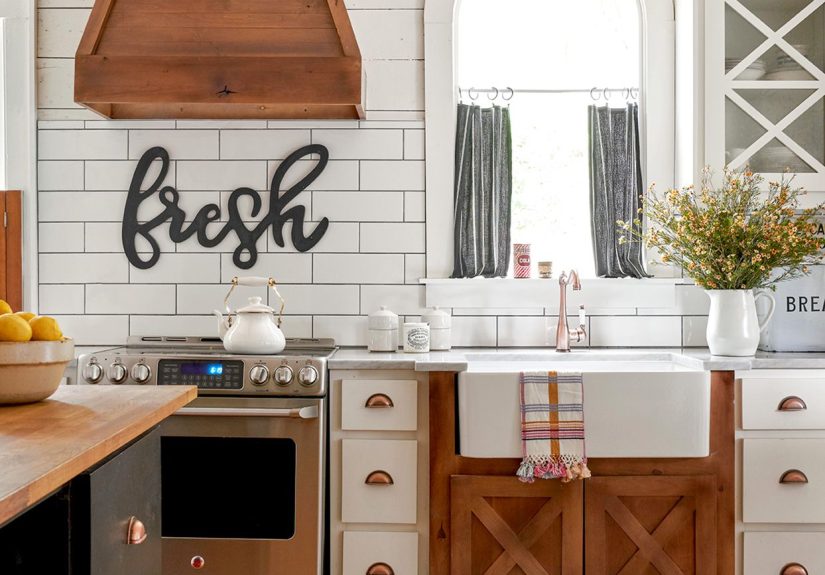
Café curtains cover only the lower half of a window, making them perfect for kitchens, breakfast nooks, laundry rooms, and bathrooms. They provide privacy while still allowing sunlight to pour in from the top. In farmhouse spaces, they feel nostalgic, sweet, and practicalbasically the window version of a homemade biscuit.
Choose lightweight cotton or linen café curtains in white, cream, checks, stripes, or tiny floral prints. Mount them on a simple brass, black, or wood tension rod. For a kitchen sink window, café curtains add softness without blocking the view of the garden, driveway, or the neighbor’s cat judging your herb plants.
3. Woven Wood Shades
Woven wood shades are one of the easiest ways to add rustic texture. Made from natural materials such as bamboo, reeds, grasses, jute, or wood fibers, they bring warmth to windows without overwhelming the room. Their organic look pairs beautifully with white walls, shiplap, butcher-block counters, vintage rugs, and black metal accents.
Use woven shades alone for a clean farmhouse look, or layer them under curtain panels for more softness. In bedrooms or media rooms, consider adding a privacy or blackout liner so the shades look rustic by day and actually let you sleep at night.
4. Buffalo Check Curtains
Buffalo check is bold, graphic, and unmistakably farmhouse. Black-and-white buffalo check curtains work especially well in kitchens, mudrooms, kids’ rooms, and casual dining areas. They add pattern without feeling too fancy.
To keep the look from becoming too theme-heavy, balance buffalo check with quiet elements: white walls, natural wood, simple furniture, and solid-colored rugs. A little check goes a long way. Use it like hot saucedelightful in the right amount, alarming when overdone.
5. Gingham Window Panels
Gingham is softer and smaller-scale than buffalo check, making it ideal for cottage farmhouse interiors. Blue-and-white, sage-and-white, red-and-white, or tan-and-cream gingham curtains can brighten a kitchen, nursery, breakfast area, or craft room.
For a modern take, choose a muted gingham rather than a high-contrast one. Pair it with plain Roman shades or natural wood trim so the pattern feels charming, not busy.
6. Ticking Stripe Curtains
Ticking stripe fabric has roots in utilitarian home textiles, which makes it a natural fit for farmhouse decor. Its narrow stripes feel crisp, casual, and timeless. Blue ticking stripe curtains are the traditional favorite, but charcoal, taupe, olive, and faded red versions also work well.
Use ticking stripe panels in bedrooms, home offices, or family rooms. They add just enough pattern to keep neutral rooms from falling asleep on the job.
7. Burlap Valances
Burlap brings unmistakable rustic texture to a window. A burlap valance works best in casual spaces such as kitchens, pantries, garden rooms, or craft rooms. It adds a farmhouse touch without requiring full-length fabric panels.
Because burlap can look rough, pair it with smoother finishes like painted cabinets, white trim, or simple cotton curtains. If pure burlap feels too scratchy or dark, choose a linen-burlap blend for a softer, more refined look.
8. Reclaimed Wood Valances
A reclaimed wood valance adds architectural character and a handmade farmhouse feel. It can hide curtain rods, shade hardware, or roller mechanisms while bringing warmth and texture to the room. Weathered barn wood, pallet wood, or lightly distressed pine can all work, depending on the finish.
This idea is especially strong above kitchen windows, sliding doors, or large picture windows. Keep the valance proportionate: chunky enough to look intentional, but not so massive that it appears to be auditioning for a barn roof.
9. White Cotton Curtains
Simple white cotton curtains are fresh, affordable, washable, and endlessly useful. They suit almost every farmhouse room, from bedrooms to living rooms to guest spaces. Cotton has a casual texture that feels less formal than silk or velvet but still looks clean and inviting.
Choose lined cotton panels for better privacy and light control, or unlined panels for a breezy look. White cotton curtains are also easy to pair with seasonal decor, patterned pillows, woven rugs, and vintage furniture.
10. Lace Curtains
Lace curtains bring a romantic vintage note to farmhouse interiors. They filter light softly and work beautifully in bedrooms, bathrooms, reading corners, and old-house spaces with original trim. For a less precious look, choose simple cotton lace or vintage-inspired lace panels rather than overly shiny synthetic styles.
Layer lace under linen panels or hang a single lace panel from a simple rod. The effect should feel collected and gentle, not like the window borrowed a wedding dress and got lost on the way to the ceremony.
11. Interior Wood Shutters
Interior wood shutters are sturdy, practical, and full of farmhouse character. They provide privacy, light control, and architectural interest. Painted white shutters create a clean country look, while stained wood shutters feel warmer and more rustic.
Use shutters in bedrooms, bathrooms, dining rooms, or street-facing windows where privacy matters. They are especially useful when you want a window treatment that looks finished without fabric.
12. Board-and-Batten Shutters
Board-and-batten shutters are a farmhouse favorite because they look simple, strong, and handmade. While often used outside, interior versions can be used as decorative or functional window coverings in rustic homes.
For a DIY approach, build shutters from vertical boards joined with horizontal battens, then paint or stain them to match the room. Black, white, sage, warm gray, and natural wood finishes all work well. Use them in cabins, mudrooms, bathrooms, or farmhouse bedrooms for a bold rustic feature.
13. Barn Door-Style Window Coverings
Barn door-style window treatments slide on a track like a miniature barn door. They are dramatic, practical, and ideal for rooms where fabric does not feel quite right. They can cover a window fully when closed and become a rustic focal point when open.
This style is best for larger windows, home offices, dens, or bedrooms with strong farmhouse architecture. Use reclaimed wood, painted pine, or distressed finishes. Just make sure the sliding hardware is secure and smooth, because no one wants a window treatment that sounds like a haunted wagon.
14. Roman Shades in Natural Fabric
Roman shades offer a neat, tailored shape while still allowing you to use soft fabric. For farmhouse interiors, choose linen, cotton, wool-blend, plaid, stripe, or textured neutral fabric. Flat Roman shades feel clean and classic, while relaxed Roman shades have a softer curve at the bottom.
Roman shades are excellent for smaller windows, bathrooms, kitchens, and bedrooms. They provide a tidy alternative to long curtain panels and work well where furniture sits directly below the window.
15. Plaid Drapes
Plaid drapes bring cozy country energy, especially in fall and winter. They are ideal for dens, bedrooms, dining rooms, and cabins. Choose muted plaids in earthy colors such as olive, rust, charcoal, navy, tan, or cream for a sophisticated farmhouse look.
To avoid making the room feel too heavy, pair plaid drapes with plain walls and simple upholstery. If you already have patterned rugs or bedding, choose a small-scale plaid or use plaid only as a valance or Roman shade.
16. Drop Cloth Curtains
Drop cloth curtains are beloved by DIY decorators for good reason. They are affordable, durable, neutral, and naturally textured. Canvas drop cloths can be washed, hemmed, clipped to rings, or hung from rods for an easy farmhouse curtain panel.
The color usually falls somewhere between oatmeal and warm beige, which pairs well with wood floors, white trim, and vintage furniture. Wash the fabric before hanging to soften it and reduce stiffness. Bonus: they look far more expensive than they are, which is the kind of decorating magic everyone deserves.
17. Grain Sack-Inspired Shades
Grain sack stripes are a classic farmhouse pattern, often featuring one or two simple stripes down the center or sides of a neutral fabric. This look works beautifully on Roman shades, valances, or café curtains.
Use grain sack-inspired window treatments in kitchens, pantries, laundry rooms, or breakfast nooks. The pattern feels historical and simple, adding detail without shouting across the room.
18. Layered Sheers and Drapes
Layering sheers under heavier drapes gives you flexibility. During the day, sheers soften sunlight and provide light privacy. At night, heavier drapes can close for warmth, privacy, and coziness.
For a farmhouse palette, pair white sheers with oatmeal linen panels, plaid drapes, or cotton curtains. Use simple black, bronze, or wood hardware. This layered approach is especially helpful in bedrooms, living rooms, and street-facing spaces.
19. Rustic Roller Shades
Roller shades do not have to look cold or modern. In natural textures, warm neutrals, or woven-look materials, they can fit nicely into farmhouse interiors. They are especially useful when you want a low-profile treatment that nearly disappears when raised.
Use rustic roller shades in bathrooms, kitchens, offices, or rooms with busy architectural details. Pair them with a wood valance or side panels if you want a warmer, more finished look.
20. Black Iron Curtain Hardware
Sometimes the rustic window treatment is not only the fabricit is the hardware. Black iron curtain rods, ring clips, brackets, and finials add contrast and farmhouse character. They work beautifully with linen, cotton, ticking stripe, buffalo check, and drop cloth curtains.
Choose simple shapes rather than ornate designs. Farmhouse hardware should feel sturdy and useful, like it could hold curtains today and possibly help repair a wagon tomorrow.
21. No-Fuss Bare Windows with Simple Trim
Not every farmhouse window needs curtains. If privacy is not an issue and the view is beautiful, bare windows can look fresh, honest, and architectural. This is especially true when the window has attractive trim, deep sills, old wood, or a scenic outdoor view.
To make bare windows feel intentional, keep the trim clean and consider adding a deep sill with plants, pottery, candles, or small vintage objects. Bare windows work best in sunrooms, kitchens, porches, and rural-facing rooms where natural light is the star.
How to Choose the Right Rustic Window Treatment
Match the Treatment to the Room
Every room asks something different from a window treatment. Kitchens need easy-clean fabrics and light control. Bathrooms need privacy and moisture-friendly materials. Bedrooms need softness and often blackout or lined options. Living rooms need balance: enough style to frame the space, enough function to control glare and privacy.
Think About Light and Privacy First
Before choosing a fabric or pattern, decide how much light and privacy you need. A farmhouse kitchen may be perfect with café curtains, while a bedroom may require lined linen panels or Roman shades. A sunny living room may benefit from woven shades layered with drapes to reduce glare without darkening the space completely.
Use Texture Before Color
Rustic farmhouse style is often neutral, but neutral does not have to mean boring. Texture is the secret. Mix smooth painted trim with woven shades, soft linen, rough wood, cotton panels, or iron hardware. These layers create depth even when the color palette stays calm.
Choose Child-Safe and Pet-Friendly Options
If children or pets are in the home, consider cordless shades, cordless blinds, wand controls, or simple curtain panels without dangling cords. Farmhouse style should feel relaxed, but safety should never be treated like an optional throw pillow.
Room-by-Room Farmhouse Window Treatment Ideas
Farmhouse Kitchen
For kitchens, café curtains, Roman shades, woven wood shades, or short cotton panels are excellent choices. Stick with washable fabrics and avoid heavy drapes near cooking zones. A small gingham café curtain over the sink or a bamboo shade above a breakfast nook can add instant charm.
Farmhouse Living Room
Living rooms can handle more layering. Try woven wood shades under linen curtain panels, or white cotton curtains with black iron rods. If the room has high ceilings, hang the rod close to the ceiling to create height and make the space feel more generous.
Farmhouse Bedroom
Bedrooms need comfort and privacy. Lined linen curtains, plaid drapes, Roman shades, or layered sheers and blackout panels can work well. Soft colors such as ivory, taupe, muted blue, sage, and warm gray keep the room restful.
Farmhouse Bathroom
Bathrooms benefit from café curtains, shutters, or moisture-friendly shades. Choose fabrics that can be washed and avoid heavy materials that trap humidity. A simple white café curtain can make a bathroom feel sweet and private without blocking daylight.
Common Mistakes to Avoid
One common mistake is hanging curtain rods too low. A higher rod can make the window and ceiling feel taller. Another mistake is choosing panels that are too narrow. Curtains should look full when closed, not stretched like they are trying to cover a secret with one napkin.
It is also easy to overdo farmhouse patterns. Buffalo check, gingham, plaid, ticking stripe, and grain sack patterns are all beautiful, but they should not all live on the same window at the same time. Pick one hero pattern and let the rest of the room breathe.
Finally, do not ignore maintenance. Kitchen curtains collect cooking odors, bathroom treatments deal with humidity, and floor-length panels gather dust. Choose washable fabrics where possible and follow care labels so your rustic charm stays charming instead of becoming rustic in the archaeological sense.
Real-Life Experience: What Actually Works in a Farmhouse-Style Home
In real homes, rustic window treatments are less about copying a magazine photo and more about solving everyday problems beautifully. A farmhouse-style room usually has a few practical demands: people want sunlight, privacy, comfort, and a look that does not feel too precious. The best solutions often come from combining one hardworking layer with one decorative layer.
For example, in a busy kitchen, full-length curtains may look lovely in photos but become annoying in real life. They can brush against cabinets, collect splashes, or get in the way when the window is above a sink. Café curtains or Roman shades are usually more practical. They bring softness without interfering with cooking, cleaning, or opening the window when the smoke alarm starts offering unsolicited feedback about your cast-iron skillet skills.
In living rooms, layered window treatments tend to perform best. Woven wood shades add daytime texture and help reduce glare, while linen panels soften the edges of the window and make the room feel finished. This combination is especially helpful in homes with open floor plans because it adds warmth without clutter. It also gives you options: shades down for privacy, curtains open for softness, everything open when you want the room flooded with light.
Bedrooms are where many people realize that style alone is not enough. A sheer linen curtain may look dreamy at noon, but at 5:47 a.m. in July, it may allow the sunrise to personally introduce itself to your eyelids. In bedrooms, lined curtains, blackout Roman shades, or layered treatments are worth considering. The farmhouse look can still stay soft and natural; just choose warm neutral fabrics, simple hardware, and hidden linings.
Another experience worth noting: imperfect materials often look better in farmhouse spaces than flawless ones. Washed linen, vintage lace, drop cloth canvas, reclaimed wood, and woven shades all have slight variations. Those little irregularities help the room feel relaxed and authentic. Farmhouse style loses its magic when everything looks too new, too matched, or too carefully staged.
DIY treatments can also be surprisingly effective. A reclaimed wood valance, a pair of drop cloth curtain panels, or a simple café curtain sewn from cotton fabric can transform a room for far less money than custom drapery. The key is measuring carefully. Rustic does not mean crooked unless the goal is “haunted shed chic.” Measure the window width, decide how full the fabric should be, and make sure rods or boards are level before installing.
The most successful farmhouse window treatments feel like they belong to the home, not like they were ordered as a costume. A 1920s cottage may love lace, café curtains, and painted shutters. A new-build modern farmhouse may look better with linen panels, woven shades, and black iron rods. A cabin may call for plaid drapes and wood shutters. The trick is to respect the architecture, repeat materials already used in the room, and keep the palette grounded.
Above all, rustic window treatments should make daily life easier and prettier at the same time. They should let you drink coffee in soft morning light, enjoy privacy at night, and admire your room even when the laundry basket is making a dramatic appearance in the corner. That is the heart of farmhouse style: beauty that works hard, feels honest, and never takes itself too seriously.
Conclusion
Rustic window treatments can completely change the personality of a farmhouse-style home. From linen curtain panels and café curtains to woven wood shades, interior shutters, reclaimed wood valances, and Roman shades, the right choice adds warmth, texture, privacy, and charm. The best farmhouse windows do not feel overly decorated. They feel thoughtful, comfortable, and connected to the rest of the home.
Start with the room’s needs, then choose materials that match your lifestyle. Use washable cotton in kitchens, lined panels in bedrooms, woven shades in sunny spaces, and shutters where privacy matters. Add character with simple hardware, vintage-inspired fabric, or natural wood. When in doubt, keep it simple. Farmhouse style is at its best when it looks welcoming, useful, and just imperfect enough to feel real.






 Close
Close