
Table of Contents >> Show >> Hide
If pollinators had a group chat, zinnias would definitely be pinned to the top. These cheerful, long-blooming annuals are beloved by bees, butterflies, and even hummingbirds thanks to their bold colors and nectar-rich blooms.
But if you really want to turn your yard into an all-you-can-eat buffet for pollinators and boost your vegetable harvest, the secret is pairing zinnias with the right companion plants.
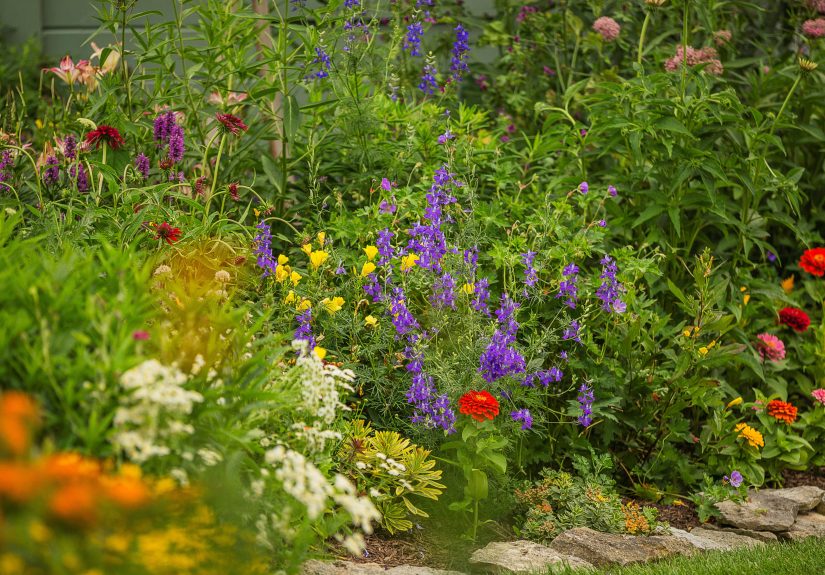
Companion planting isn’t just an old gardener’s superstition. Mix the right flowers, herbs, and vegetables together and you’ll create a mini ecosystem where pollinators thrive, pests are naturally balanced, and your garden looks like it belongs on a seed packet. In this guide, we’ll look at 10 zinnia companion plants that help build a pollinator friendly gardenand how to actually use them in real beds, borders, and raised beds.
Why Zinnias Belong in Every Pollinator Garden
Zinnias check almost every box when it comes to pollinator friendly plants. They bloom from mid-summer right up until frost, providing a steady nectar source during the busiest pollinator season. Many popular varieties have open centers that make nectar and pollen easy to reach for bees, butterflies, and hummingbirds.
They’re also:
- Easy from seed: You can direct-sow them once the soil warms up and still get a long season of blooms.
- Sun lovers: Zinnias thrive in the same sunny spots where vegetables and other annuals are happiest.
- Cut-and-come-again: The more you harvest the flowers, the more they bloomgreat for bouquets and for keeping nectar flowing.
Because zinnias are pollinator magnets, planting them with vegetables, herbs, and other flowers can increase pollination, improve yields, and lure beneficial insects that snack on common pests. That’s where your companion planting strategy comes in.
How Companion Planting with Zinnias Works
Companion planting is simply the practice of combining plants that help each other. With zinnias, that usually means:
- Drawing pollinators to nearby food crops like cucumbers and tomatoes so they set more fruit.
- Attracting beneficial insects such as ladybugs and parasitic wasps that feed on pests like aphids and whiteflies.
- Layering bloom shapes and heights so different pollinators (from large butterflies to tiny native bees) can find something to love.
Pollinator experts also recommend planting flowers in generous clumps rather than scattering single plants all over the yardpollinators can see the massed color more easily and waste less energy flying between blooms.
Combine that principle with zinnias’ bold colors and you have the backbone of a seriously busy pollinator border.
10 Zinnia Companion Plants for a Pollinator Friendly Garden
Ready to build your dream pollinator patch? Here are 10 tried-and-true zinnia companions that support pollinators and help your garden thrive.
1. Cosmos
Cosmos and zinnias are like that effortlessly stylish couple at the garden partydifferent personalities, perfect together. Cosmos brings airy, ferny foliage and daisy-like flowers that sway in the breeze, while zinnias add big, saturated color blocks.
Cosmos is a favorite of bees, butterflies, and other beneficial insects. It thrives in the same full-sun, well-draining conditions as zinnias and is almost comically easy to grow from seed.
Plant cosmos behind medium-height zinnias to create a layered, meadow-like effect that hums with pollinator activity.
- Best use: Mixed in cottage-style borders, cutting gardens, and along fences.
- Tip: Deadhead spent flowers to keep plants blooming and nectar flowing all summer.
2. Marigolds
Marigolds are classic companion plants for a reason. Their bold, golden blooms draw in pollinators while their strongly scented foliage is believed to help discourage certain soil nematodes and soft-bodied pests.
When you plant marigolds with zinnias, you get a bright, warm-toned color palette that pollinators can’t resist. Bees and butterflies happily visit both, and you get a low-maintenance combo that works equally well in raised beds, in-ground borders, and containers.
- Best use: At the front of zinnia rows or along vegetable bed edges.
- Tip: Mix single-flowered marigolds with zinnias so pollinators can easily reach the nectar and pollen.
3. Sunflowers
Sunflowers and zinnias are a power duo for a pollinator friendly garden. Sunflowers offer huge landing pads of pollen and nectar as well as seeds for birds later in the season. Zinnias fill in the lower and mid layer of the planting, ensuring color and nectar even when sunflowers aren’t fully open.
Some gardeners like to create “pollinator rows”: one row of sunflowers, one of cosmos, one of zinnias, and one of marigoldsall together forming a pollinator highway through the garden.
It’s beautiful and incredibly effective at attracting beneficial insects.
- Best use: At the back of beds or as a living screen around a vegetable garden.
- Tip: Choose branching sunflower varieties for more blooms over a longer season.
4. Nasturtiums
Nasturtiums bring trailing vines, rounded leaves, and funnel-shaped flowers in fiery shades of red, orange, and yellow. They’re popular as pollinator plants and also often used as a “trap crop,” drawing aphids away from more sensitive plants.
Paired with zinnias, nasturtiums can spill over the edges of beds or containers, softening the edges while providing extra nectar for bees and butterflies. As a bonus, both the leaves and flowers of nasturtiums are ediblepeppery and fun in saladsso you get a decorative and functional companion.
- Best use: At bed edges, in window boxes, and mixed containers beneath upright zinnias.
- Tip: If aphids pile onto nasturtiums, you can hose them off or remove heavily infested stems instead of spraying the whole bed.
5. Basil
Basil isn’t just for pesto. When you let some of your basil plants flower, those lavender or white spikes become bee magnets. Pollinators flock to the blossoms, and your zinnias benefit from the added traffic.
Basil enjoys the same warm, sunny conditions as zinnias and is often planted near tomatoes, making this a very practical trio for a productive and pollinator friendly garden. Pollinator organizations often recommend including flowering culinary herbs like basil, oregano, and thyme because they provide rich nectar and can bloom over an extended period.
- Best use: Interplanted in vegetable beds with zinnias and tomatoes.
- Tip: Stagger your pruninglet a few plants flower for pollinators while you keep others pinched for leafy harvests.
6. Dill (and Fennel)
Dill and fennel bring lacy foliage and umbrella-like clusters of tiny flowers that are irresistible to many beneficial insects. These “umbel” flowers are especially loved by small native bees, hoverflies, and parasitic wasps that prey on pests like aphids and caterpillars.
Dill is also a host plant for swallowtail butterfly caterpillars, making it a two-for-one pollinator plant. Zinnias provide nectar for adult butterflies, while dill or fennel offer food for their caterpillars. Yes, it means sharing some leavesbut that’s the point of a pollinator friendly garden.
- Best use: Sprinkled among zinnia rows or at the corners of vegetable beds.
- Tip: Plant extra dill so there’s enough for the swallowtail caterpillars and your kitchen.
7. Lavender
Lavender’s aromatic spikes and silvery foliage give your zinnia bed a bit of Mediterranean charmand pollinators adore it. Bees in particular will happily move between lavender and zinnia blooms, making constant use of both nectar sources.
Lavender prefers well-drained soil and full sun, which makes it a good anchor plant for a sunny mixed border that includes zinnias, marigolds, and other annuals. It’s perennial in many regions, so it can serve as a long-term structure plant while zinnias rotate in each year.
- Best use: As a low hedge in front of zinnias or at the corners of pollinator beds.
- Tip: Avoid overwateringlavender likes it on the dry side compared with thirsty annuals.
8. Tomatoes
Zinnias and tomatoes are officially a thingmany gardening guides now call them excellent neighbors. Zinnias attract bees and other pollinators that help increase tomato fruit set, and they can also function as a “distraction” for pests like aphids and beetles, keeping them off your tomato foliage.
A row of tomatoes with a row of zinnias in front looks great, smells like summer, and creates a highway for pollinators to buzz along the whole length of the bed.
- Best use: In raised beds or long rows, with zinnias at the south or front side for maximum sun.
- Tip: Choose medium-height zinnias so they don’t shade shorter tomato varieties.
9. Cucumbers
Cucumbers rely heavily on insect pollination, and poor pollination is one reason fruits can be misshapen or sparse. Zinnias planted alongside cucumbers help draw in more bees, which can translate into better yields.
Some gardeners train cucumbers up trellises and plant zinnias at the base; others let cucumbers sprawl with zinnias forming a colorful border. Either way, the combination looks lush and supports pollinators from early bloom through peak harvest.
- Best use: At the base of cucumber trellises or surrounding cucumber mounds.
- Tip: Mix in a few marigolds and nasturtiums for extra pest management support.
10. Pole Beans
Pole beans add vertical interest and help create a three-dimensional pollinator garden. Their flowers may not be as flashy as zinnias, but bees and other pollinators visit them readily, and the dense foliage offers shelter for beneficial insects.
Plant a teepee or trellis of pole beans with zinnias circling the base. You’ll get food, flowers, and plenty of insect life in a small footprint. The beans will also help fix nitrogen in the soil, which benefits nearby plants over time.
- Best use: In the center of raised beds with zinnias planted around the edges.
- Tip: Choose climbing varieties and give them sturdy support so they don’t shade all your zinnia rows.
Design Tips for a Zinnia-Centric Pollinator Garden
Once you’ve picked your favorite companions, it’s time to design a garden that looks good and works hard for pollinators.
- Plant in clumps: Group zinnias and their companions in patches rather than single plants to help pollinators see them from a distance.
- Layer heights: Put taller plants like sunflowers and pole beans at the back, medium zinnias and cosmos in the middle, and shorter plants like marigolds and nasturtiums at the front.
- Stagger bloom times: Mix early, mid, and late bloomers so there’s always something in flower from early summer through fall.
- Limit pesticides: Avoid broad-spectrum insecticides that can harm pollinators; spot-treat or use physical controls if needed.
- Add water and shelter: A shallow dish of water with stones and some shrubby plants nearby can give pollinators resting and drinking spots.
Common Mistakes to Avoid
Even well-meaning gardeners can accidentally make life harder for pollinators. Watch out for these pitfalls:
- Relying only on double flowers: Some very full, doubled blooms are less accessible to pollinators than single or semi-double varieties. Mixing in plenty of open-faced flowers increases nectar access.
- Monoculture beds: A solid block of zinnias is pretty, but adding diverse companions brings in a wider range of pollinators.
- Heavy chemical use: Systemic insecticides can end up in nectar and pollen. Use pollinator-safe methods wherever possible.
- Letting everything bloom all at once, then stop: Succession sow zinnias and cosmos every few weeks for a longer season of blooms.
Conclusion
Zinnias are already some of the best flowers you can grow for bees, butterflies, and hummingbirds. When you combine them with smart companion plantslike cosmos, marigolds, sunflowers, herbs, and key vegetablesyou transform your space into a pollinator friendly garden that’s as productive as it is beautiful.
By layering heights, staggering bloom times, and mixing flowers, herbs, and edibles, you’ll support pollinators all season long while enjoying more abundant harvests and a yard that practically vibrates with life. It’s colorful, it’s lively, and best of all, you don’t need a degree in ecologyjust a packet of zinnia seeds and a few of their favorite friends.
SEO Summary
sapo:
Want a garden that buzzes, flutters, and practically glows with color? Zinnias are already pollinator magnets, but when you pair them with the right companion plantslike cosmos, marigolds, sunflowers, herbs, tomatoes, and cucumbersyou turn your beds into a full-service buffet for bees, butterflies, and hummingbirds. This in-depth guide walks you through 10 of the best zinnia companion plants, why they work, and how to combine them for longer bloom time, better harvests, and a healthier, more vibrant pollinator friendly garden.
Real-Life Experiences with Zinnia Companion Planting
Theory is great, but gardens are built on muddy knees and “let’s see what happens if I plant this here.” Over the years, many home gardeners (and more than a few professionals) have experimented with zinnias and their favorite companionsoften with delightfully chaotic but successful results.
One common story goes like this: someone plants a neat, polite row of zinnias at the edge of a vegetable bed “just for color.” By midsummer, that row becomes the main event. Bees work the zinnia blooms from morning until late afternoon, butterflies float in like they paid for season passes, and the gardener notices that the cucumbers and tomatoes nearby suddenly seem a lot more productive. It’s not magicit’s pollination in action.
Gardeners also quickly discover that companion planting with zinnias helps with pest balance. For example, when nasturtiums are tucked in under zinnia and cucumber vines, aphids often choose the nasturtiums first. Instead of panicking, experienced gardeners let the “sacrifice” plants do their job for a bit. Ladybugs and hoverflies soon arrive to feed on the aphids, and those predators also patrol the zinnias and vegetables, keeping the whole system in better balance without resorting to harsh sprays.
Another lesson that comes up again and again is just how forgiving zinnias are for new gardeners. People who swear they have “black thumbs” plant a few zinnia seeds with cosmos and marigolds and are astonished when the whole bed becomes a wall of color. In the process, they learn basic garden skills almost by accident: how to thin seedlings, why consistent watering matters, and how deadheading keeps flowers blooming. Once they see bees and butterflies showing up regularly, they often start adding more pollinator friendly companionsherbs like basil and lavender, maybe a sunflower or two at the backand suddenly they’re not just growing a flower patch; they’re creating a small habitat.
More advanced gardeners sometimes design highly intentional “pollinator lanes” through their vegetable gardens. A long bed might be planted with repeating blocks: a patch of zinnias, a cluster of dill, a row of tomatoes, a strip of marigolds, a teepee of pole beans, and then back to zinnias. By midseason, this layout doesn’t look rigid or formalit looks like a living tapestry, with pollinators moving through the whole space. Harvest days become more interesting too: while picking tomatoes or beans, you’re likely to pause and watch a swallowtail butterfly on the zinnias or listen to a low, steady hum of bees working through the blooms.
There’s also a very human side to all of this. Many gardeners talk about how zinnia companion beds become their “happy place.” The bright colors and constant insect activity are oddly calming. It’s hard to doom scroll on your phone when a hummingbird zooms past your ear to visit a zinnia, then detours to a nasturtium blossom. Kids who might not care much about gardening suddenly want to plant “butterfly flowers” and watch seeds sprout. Neighbors walking by ask what those flowers are and why there are so many butterflies this yearand just like that, you’re having conversations about pollinator habitat instead of weather complaints.
Perhaps the biggest takeaway from real-world experience is that you don’t need a perfect plan to start. You can simply begin with a packet of zinnia seeds and a couple of companion plantsmaybe basil and marigolds in a raised bed, or sunflowers and nasturtiums in a corner of the yard. As you watch which plants the pollinators prefer, you’ll naturally add more of what works. Over time, your “experiment” becomes a signature garden style: colorful, buzzing with life, and uniquely yours, with zinnias and their companions playing the starring roles.






 Close
Close