
Table of Contents >> Show >> Hide
- What a Wall Plate Cable Pass Through Actually Does
- How It’s Different From a Regular Wall Plate
- Common Types of Wall Plate Cable Pass Throughs
- What Cables Usually Go Through It?
- Why People Use a Wall Plate Cable Pass Through
- Where It Works Best
- Important Safety Rule: Low Voltage Is Not the Same as Power
- How to Choose the Right One
- Basic Installation Overview
- Mistakes to Avoid
- Is It Worth Using One?
- Real-World Experiences With Wall Plate Cable Pass Throughs
- Final Thoughts
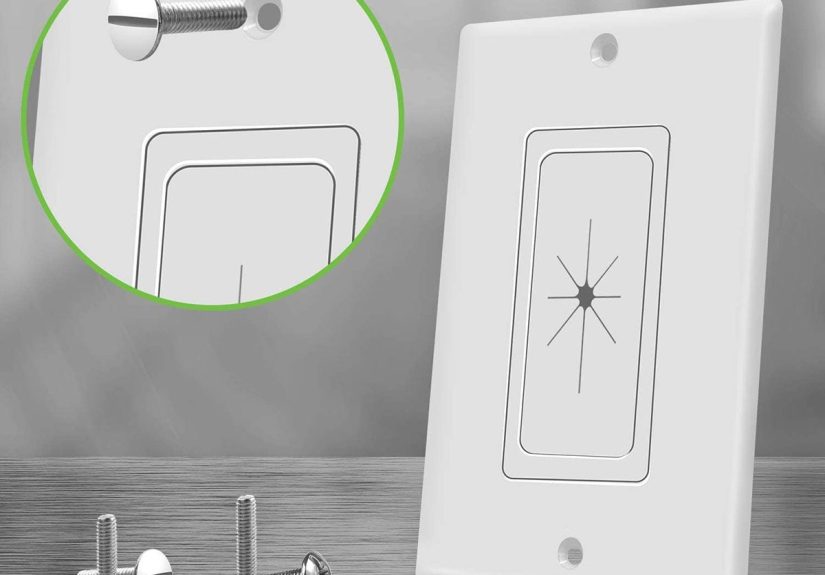
If you’ve ever mounted a TV, built a home office setup, or tried to make your gaming corner look less like a spaghetti emergency, you’ve probably seen a small wall plate with a brush opening, flexible grommet, or recessed slot and wondered: What exactly is this thing? That handy little hero is called a wall plate cable pass through. It is one of the simplest tools for making cables disappear into the wall while keeping the installation neat, accessible, and much more professional-looking.
In plain English, a wall plate cable pass through is a faceplate designed to let cables move through a wall opening without forcing you to terminate each cable into a dedicated jack. Instead of using separate HDMI ports, coax connectors, or Ethernet keystones on the plate, you simply pass the cable bundle through the opening. Think of it as a tidy doorway for low-voltage wires. Not glamorous, perhaps, but neither is staring at dangling cords every time you watch a movie.
What a Wall Plate Cable Pass Through Actually Does
A cable pass-through wall plate covers a wall opening and creates a clean path for cables such as HDMI, coax, Ethernet, speaker wire, fiber, RCA, and other low-voltage lines. It helps hide wires behind drywall, protects the edges of the opening, and gives the installation a finished appearance. In many cases, it also helps keep cables from slipping back into the wall cavity, which is the kind of tiny annoyance that can turn a “quick Saturday project” into an emotional event.
These plates are most commonly used behind a wall-mounted TV, but they also show up in home theaters, conference rooms, classrooms, projector setups, and desk areas where people want visible wiring reduced without building an entire custom media wall.
How It’s Different From a Regular Wall Plate
A regular wall plate usually covers an electrical device such as an outlet, switch, or data jack. A wall plate cable pass through is different because its main job is not to provide a connection point. It provides an opening. That sounds almost too simple, but that simplicity is exactly why it’s useful.
Instead of plugging one HDMI cable into the front of the plate and another into the back, you can run a single uninterrupted cable through the wall. That means fewer adapters, fewer couplers, fewer signal points, and less clutter. If you swap gear later, you often do not need to replace the plate. You just pull a different cable through it and move on with your life like the organized wizard you were always meant to be.
Common Types of Wall Plate Cable Pass Throughs
1. Brush Wall Plates
Brush-style pass-through plates use soft bristles to let multiple cables pass through while closing off much of the opening. These are especially popular for TVs and entertainment centers because they look clean and help soften the appearance of the cable bundle. Brush wall plates are great when you need a simple, flexible opening for several low-voltage cables of different sizes.
2. Flexible Grommet or Rubber-Opening Plates
These plates use a flexible center opening, often made from rubber or a similar material, that hugs the cables more tightly than brush fibers. They can create a neat, low-profile finish and add a little protection against wear where cables meet the plate. If you want a sleeker opening and you are not running a giant octopus bundle of cords, this option often looks especially polished.
3. Recessed Cable Plates
A recessed cable plate sits deeper into the wall so the cable bend happens inside the recess instead of sticking out into the room. This is incredibly helpful behind flat-panel TVs or furniture that sits close to the wall. In other words, it helps your TV stop doing that awkward “leaning away from the wall like it heard bad news” look.
4. Combination Power and Low-Voltage Kits
Some products pair a cable pass-through opening with a recessed power solution. These are often designed for wall-mounted TVs and separate power from low-voltage routing in one organized system. This matters because low-voltage cable management and in-wall power are not the same thing. A pass-through plate handles the cable route; a listed in-wall power kit addresses the electrical side safely and properly.
What Cables Usually Go Through It?
Most low-voltage wall plate pass-through products are meant for signal and data cables, not standard loose household power cords. Common examples include:
- HDMI cables for TVs, monitors, and projectors
- Coaxial cable for cable boxes or antenna feeds
- Ethernet cable for hardwired internet
- Speaker wire for surround sound systems
- RCA and audio cables
- Fiber optic or specialty A/V cables
- Telephone or communication cables in some setups
This flexibility is one reason the pass-through plate is so popular. It does not care whether your setup is a soundbar and streaming stick, a projector and receiver, or a monitor and docking station. It just gives your cables a civilized exit strategy.
Why People Use a Wall Plate Cable Pass Through
Cleaner Looks
The obvious advantage is aesthetics. Loose hanging wires can make even an expensive TV or desk setup look unfinished. A cable pass-through plate helps create a clean wall line and makes the room feel more intentional.
Easier Equipment Changes
Unlike plates with fixed connectors, a pass-through opening is forgiving. If you replace an HDMI cable, upgrade to a new device, or swap your soundbar for a receiver, you are not locked into a particular connector layout.
Better Furniture Placement
Recessed designs are especially helpful when furniture or a TV bracket sits close to the wall. They reduce cable bulge and help equipment sit more flush.
Fast DIY Appeal
For many homeowners, a pass-through plate is one of the easiest ways to make a room look upgraded without starting a massive renovation. Cut the opening, use a low-voltage bracket if needed, fish the cables, install the plate, and suddenly your setup looks like it charges consultation fees.
Where It Works Best
A wall plate cable pass through is especially useful in these situations:
- Behind a wall-mounted TV
- Between a TV and a media console
- Home office desk-to-monitor cable routing
- Projector and screen installations
- Speaker wire drops for surround sound
- Conference room displays and classroom A/V setups
If the goal is “make this wall look less like a charging station exploded,” this plate is probably in the conversation.
Important Safety Rule: Low Voltage Is Not the Same as Power
This is the big one. A wall plate cable pass through is generally intended for low-voltage cable management. That includes signal and communication cables. It does not automatically mean you should feed a standard extension cord or a regular TV power cord through the wall cavity.
That shortcut may seem clever for about twelve seconds, right up until it creates a safety problem. Standard extension cords are not meant to serve as permanent in-wall wiring. If you need power behind a mounted TV, the safer approach is to use a listed in-wall power kit designed for that purpose or to have a proper outlet installed by a qualified electrician. In other words, drywall is not a magic invisibility cloak for electrical mistakes.
How to Choose the Right One
Think About Cable Count
Running one HDMI cable and one Ethernet line? A basic brush or grommet plate may be perfect. Running HDMI, Ethernet, coax, speaker wire, and an optical cable? A larger or recessed model may be the better fit.
Consider Wall Clearance
If the device must sit close to the wall, a recessed plate often makes the setup cleaner and easier to manage.
Match the Plate to the Room
White is the common default, but many products come in black or decorator styles that blend better with dark walls, theater rooms, or modern office spaces.
Plan for Upgrades
If you tend to change gear every couple of years, a flexible pass-through design is smarter than a plate that locks you into one connector arrangement.
Basic Installation Overview
Every product is a little different, but the process usually looks like this:
- Mark the wall where the cable entry and exit should go.
- Locate studs and confirm the wall cavity is clear.
- Cut the opening for the low-voltage bracket or plate.
- Use fish tape or a fish stick to pull the cables through.
- Mount the bracket or built-in wings.
- Attach the pass-through wall plate.
- Test all connected devices before calling the project “done forever.”
The trick is planning the cable path before cutting anything. People often focus on the plate and forget the bigger question: where are the cables actually going, and can they bend there without becoming cranky?
Mistakes to Avoid
Using the Wrong Plate Type
Do not buy a tiny single opening if you are routing a thick cable bundle. That is how projects go from “streamlined” to “why is this plate bowing like it owes me money?”
Ignoring Power Requirements
If you need both signal cables and power behind a TV, plan for both. A low-voltage pass-through plate solves only part of the problem.
Skipping Future-Proofing
It is easier to pull an extra Ethernet cable now than to reopen the wall later because your setup evolved from “simple” to “I have opinions about bandwidth.”
Forgetting Accessibility
Neat is great, but not if you cannot service the cables later. Leave enough slack and use a design that allows re-pulling when your equipment changes.
Is It Worth Using One?
Absolutely, if you want cleaner cable management without overcomplicating the wall. A cable management wall plate is inexpensive compared with the visual payoff it creates. It is one of those rare home-improvement items that is practical, affordable, and satisfying all at once. Like finding a screwdriver exactly when you need it, but prettier.
For homeowners, renters working with approved low-voltage surface-to-wall transitions, A/V hobbyists, gamers, and anyone mounting a display, it is often the missing detail that makes the whole setup feel intentional. It does not turn you into an electrician, interior designer, or home theater guru overnight. It just makes the wall stop looking chaotic, which is a noble mission on its own.
Real-World Experiences With Wall Plate Cable Pass Throughs
The most common experience people have with a wall plate cable pass through starts with a wall-mounted TV. At first, the room feels nearly complete. The bracket is up, the screen looks sharp, and everyone stands back proudly for about five seconds. Then someone notices the cables hanging down like sad vines. That is when the pass-through plate goes from “optional accessory” to “tiny hero of the living room.” Once installed, the entire setup usually looks more expensive, even though the plate itself is often one of the cheapest parts of the project.
Another real-world lesson comes from home offices. A lot of people assume pass-through plates are just for TVs, but they become incredibly useful when routing monitor cables, Ethernet, and dock connections between a desk and a nearby wall cavity. The experience is less about glamour and more about peace. When cords are out of sight, cleaning gets easier, desks look less crowded, and that constant visual noise disappears. It is a small upgrade that can make a workspace feel calmer and more deliberate.
Gamers tend to appreciate these plates for a different reason: flexibility. Consoles change, accessories multiply, and what started as one HDMI cable somehow becomes HDMI, Ethernet, power planning, audio, and one mystery cord nobody remembers buying. A brush plate or flexible grommet helps that setup evolve without forcing a complete redo every time hardware changes. In practice, that adaptability is often more valuable than the plate itself.
Home theater enthusiasts also learn quickly that not all pass-through plates feel the same in use. Brush plates are forgiving and easy when cable bundles are thick or awkward. Grommet-style openings look cleaner when the bundle is smaller and more controlled. Recessed plates can be lifesavers when a TV mount sits tight to the wall. People who pick the wrong type usually still finish the job, but they often end up wishing they had matched the plate to the cable bundle and wall clearance more carefully.
There is also the universal experience of underestimating the wall. Many first-time DIYers think the hard part is choosing the plate, when the real challenge is fishing the cables cleanly and planning the route. Studs, insulation, awkward bends, and limited access can turn a simple project into a lesson in patience. The good news is that once the path is figured out, the wall plate itself often installs quickly and gives the project that clean final touch people were hoping for all along.
One more honest experience worth mentioning: these plates make a room look better, but they also raise expectations. Once one wall looks neat, the rest of the visible cords in the room suddenly seem suspicious. A single well-installed pass-through plate can start a chain reaction that leads to tidier media consoles, better speaker placement, and a general intolerance for cable chaos. It is a slippery slope, but at least it is a visually pleasing one.
Final Thoughts
So, what’s a wall plate cable pass through? It is a simple but powerful finishing piece for low-voltage cable management. It lets cables pass cleanly through a wall opening, improves the appearance of your setup, and gives TVs, desks, and media spaces a much more polished look. Whether you choose a brush plate, flexible grommet, recessed design, or a combo system that works alongside in-wall power, the goal is the same: less mess, better access, and a wall that looks intentional instead of overwhelmed.
Just remember the golden rule: neat does not replace safe. Use pass-through plates for the right cable types, plan the route carefully, and use proper listed solutions whenever in-wall power is part of the project. Do that, and this little plate can deliver one of the highest style-to-effort ratios in modern cable management.






 Close
Close