
Table of Contents >> Show >> Hide
- What Is Quinoa, Exactly?
- Why Is Quinoa Considered One of the Healthiest Foods?
- Quinoa Nutrition Facts: What's in One Cup?
- Is Quinoa Healthier Than Rice or Oats?
- How to Cook Quinoa Without Ruining It
- Easy Ways to Eat More Quinoa
- Who Might Benefit Most From Eating Quinoa?
- Are There Any Downsides to Quinoa?
- Bottom Line: Is Quinoa Worth Eating?
- Everyday Experiences With Quinoa: What People Often Notice
- SEO Tags
If foods had yearbook superlatives, quinoa would absolutely win “Most Likely to Show Up in a Grain Bowl and Make Everyone Feel Smug About Lunch.” But quinoa isn't just trendy café confetti. It has earned its healthy reputation for good reason. This tiny seed packs impressive nutrition, cooks quickly, works in sweet and savory dishes, and plays nicely with a wide range of eating styles, from gluten-free to plant-forward meals.
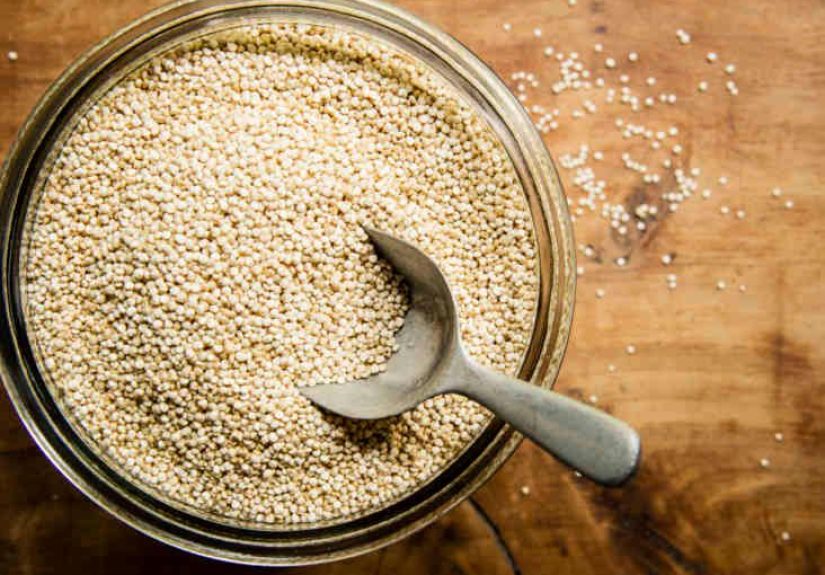
So, what is quinoa exactly? Is it a grain? A seed? A health halo with good publicists? The answer is a little bit of all three. Quinoa is technically a seed, but it is cooked and eaten like a grain. It has been a staple food in South America for centuries, and today it has become a favorite in American kitchens because it is versatile, naturally gluten-free, and surprisingly satisfying.
In this guide, we'll break down what quinoa is, why so many dietitians and home cooks love it, what quinoa nutrition really looks like, how to cook it without ending up with a bitter pot of regret, and simple ways to enjoy it without pretending every meal must look like an influencer's lunch jar.
What Is Quinoa, Exactly?
Quinoa, pronounced KEEN-wah, comes from the plant Chenopodium quinoa. It originated in the Andean region of South America and is often grouped with so-called ancient grains. Botanically, though, quinoa is not a true cereal grain like wheat, oats, or barley. It is a seed, sometimes called a pseudocereal or pseudograin, because it behaves like a grain in cooking and nutrition.
That little technical detail matters because quinoa brings some unusual strengths to the table. It has a grain-like texture when cooked, but nutritionally it stands out from many common grains. It is also related to leafy plants like spinach and beets, which makes quinoa feel like the overachiever of the produce aisle: “I can be a seed, a side dish, and a nutrition conversation starter, thank you very much.”
You'll usually find quinoa in three main varieties:
- White quinoa: The mildest and fluffiest option. Great for beginners.
- Red quinoa: Slightly firmer and better at holding its shape in salads.
- Black quinoa: A bit earthier in flavor, with a slightly firmer texture.
All three are nutritious, so choosing one usually comes down to taste, texture, and what you're making.
Why Is Quinoa Considered One of the Healthiest Foods?
The phrase “one of the world's healthiest foods” gets tossed around pretty freely on the internet, usually right before something is blended into a smoothie. But quinoa does have a genuinely impressive nutrition profile.
A cup of cooked quinoa provides a balanced mix of complex carbohydrates, fiber, and protein. It also contains important minerals such as magnesium, manganese, phosphorus, copper, iron, and zinc, along with several B vitamins. In plain English, quinoa is the kind of food that does more than just fill space on your plate.
1. Quinoa Is a Rare Plant Food With Complete Protein
One reason quinoa gets so much love is its protein quality. Like many plant foods, quinoa contains protein, but unlike many plant foods, it contains all nine essential amino acids. That makes it a complete protein.
Now, to be clear, this does not mean quinoa turns you into a bodybuilder by Thursday. But it does mean quinoa is especially useful for people who want to add more plant-based meals to their routine. It helps make vegetarian and vegan meals more satisfying, and it can support fullness when paired with vegetables, beans, eggs, chicken, fish, tofu, or healthy fats.
2. It Delivers Fiber Without Being Boring
Quinoa is also known for its fiber content. Fiber supports digestive health, can help you feel fuller for longer, and generally makes meals feel more substantial. That is why quinoa often feels more satisfying than refined grains that seem to vanish from your stomach five minutes after lunch.
Because it contains both protein and fiber, quinoa is often a smart choice for people trying to build balanced meals. It is not magic. It is just one of those foods that quietly does its job well.
3. It's Naturally Gluten-Free
Quinoa is naturally gluten-free, which makes it a popular option for people avoiding wheat, barley, and rye. It can be used in place of those grains in many meals, from breakfast bowls to pilafs to baked goods made with quinoa flour.
That said, if you have celiac disease or a medically necessary gluten-free diet, it is wise to choose quinoa products labeled gluten-free or certified gluten-free. Cross-contact during harvesting or processing can happen, and labels matter.
4. It Offers Steady Energy
Quinoa is not a low-carb food, nor does it need to be. Carbohydrates are your body's preferred energy source, and quinoa provides them in a more nutrient-dense package than many refined grains. Since it also contains fiber and protein, it tends to feel more balanced than foods that are mostly starch and little else.
That makes quinoa useful for lunch bowls, side dishes, and post-workout meals where you want energy and substance. Basically, it understands the assignment.
Quinoa Nutrition Facts: What's in One Cup?
A typical 1-cup serving of cooked quinoa contains roughly:
- About 222 calories
- Around 39 grams of carbohydrates
- About 8 grams of protein
- A little over 5 grams of fiber
- A modest amount of healthy fats
That combination is one reason quinoa works so well as a base ingredient. It brings enough substance to act like the “main event” in a bowl or salad, but it also behaves well as a side dish. It is filling without being heavy, which is a nice trick for such tiny seeds.
Quinoa also contains minerals that many people want more of, especially magnesium, iron, phosphorus, and manganese. No single food can “fix” your diet, of course, but quinoa can absolutely help make a healthy eating pattern more nutrient-rich.
Is Quinoa Healthier Than Rice or Oats?
This is where internet food fights usually begin, so let's keep it civilized.
Quinoa is not automatically “better” than every other grain or grain-like food. Oats are excellent. Brown rice is excellent. Farro is excellent. Your lunch is not a courtroom drama. But quinoa does stand out in a few ways:
- It generally has more protein than white rice and many other common grains.
- It offers a good amount of fiber, which helps with fullness and digestive support.
- It is naturally gluten-free.
- It cooks relatively quickly, often in around 15 minutes.
So instead of asking whether quinoa is “the healthiest,” it may be more useful to ask whether it deserves a spot in a varied, balanced diet. The answer to that is a very enthusiastic yes.
How to Cook Quinoa Without Ruining It
Quinoa is easy to cook, but there are two common mistakes: not rinsing it and under-seasoning it. One creates bitterness. The other creates sadness.
Step 1: Rinse It
Quinoa has a natural outer coating called saponin. That coating can taste bitter or soapy, which is not the flavor profile most people are chasing at dinner. Even if the package says pre-rinsed, giving quinoa a quick rinse in a fine-mesh strainer is usually a smart move.
Step 2: Cook It Like a Pro
A simple starting method is to simmer quinoa in water or broth until the liquid is absorbed and the seeds look fluffy. As quinoa cooks, the germ loosens and creates a tiny curly tail. That is normal. That is not your quinoa having an existential crisis.
Step 3: Let It Rest and Fluff
Once cooked, let quinoa sit covered for a few minutes, then fluff it with a fork. This helps improve the texture and keeps it from turning mushy.
Step 4: Season It Like You Mean It
Quinoa has a mild, nutty flavor, which makes it wonderfully adaptable. It also means quinoa benefits from seasoning. Try cooking it in broth, or tossing it with olive oil, lemon juice, herbs, garlic, scallions, or roasted vegetables. Quinoa is humble, but it appreciates effort.
Easy Ways to Eat More Quinoa
If your only exposure to quinoa has been a sad deli side dish that tasted like chilled confetti, good news: quinoa can do much better.
Breakfast
Use cooked quinoa like oatmeal. Warm it with milk or a dairy-free alternative, then add fruit, nuts, cinnamon, and a spoonful of nut butter. It is hearty, cozy, and less predictable than another bowl of cereal.
Lunch
Quinoa makes an excellent base for grain bowls. Pair it with leafy greens, chickpeas, grilled chicken, tofu, roasted sweet potatoes, cucumber, avocado, and a punchy dressing. Suddenly lunch looks suspiciously put together.
Dinner
Serve quinoa in place of rice under stir-fries, curries, salmon, or grilled vegetables. It also works well in stuffed peppers, soups, veggie burgers, casseroles, and pilafs.
Salads and Meal Prep
Red and black quinoa hold their shape particularly well, which makes them great for cold salads. Quinoa also meal-preps like a champ. Cook a batch once and use it throughout the week.
Snacks and Baking
Quinoa flakes can be used in breakfast bakes and granola-style recipes, while quinoa flour can be used in certain gluten-free baking applications. It is a flexible ingredient that quietly sneaks extra nutrition into everyday foods.
Who Might Benefit Most From Eating Quinoa?
Quinoa can fit into many healthy diets, but some people may find it especially useful:
- People eating more plant-based meals: The protein and amino acid profile make it a strong option.
- People avoiding gluten: Quinoa is naturally gluten-free and easy to substitute for many grains.
- Busy home cooks: It cooks fairly quickly and works across multiple meals.
- People looking for more fiber: Quinoa can help make meals more satisfying and digestive-friendly.
Still, quinoa is not mandatory. If you hate the taste, you are allowed to move on with your life. Nutrition should include good choices, not hostage situations.
Are There Any Downsides to Quinoa?
For most people, quinoa is a healthy and well-tolerated food. But there are a few practical notes worth mentioning.
First, the saponin coating can bother some people if quinoa is not rinsed well. If quinoa seems to upset your stomach or tastes bitter, rinsing it thoroughly or soaking it briefly before cooking may help.
Second, quinoa is healthy, but portion size still matters. A mountain of quinoa is still a mountain of calories. It works best as part of a balanced plate rather than as the entire plot.
And third, while quinoa is nutritious, it does not cancel out the rest of your choices. Adding quinoa to a meal is great. Adding quinoa to a week of takeout and calling it wellness? That is optimistic at best.
Bottom Line: Is Quinoa Worth Eating?
Absolutely. Quinoa earns its reputation as a healthy food because it offers an unusually strong combination of protein, fiber, minerals, versatility, and convenience. It is technically a seed, commonly treated like a whole grain, naturally gluten-free, and easy to work into breakfasts, lunches, dinners, and meal-prep routines.
It is not a miracle food, and it does not need to be. What makes quinoa valuable is that it is practical. It is the kind of ingredient that can help real people build better meals in real kitchens on real weeknights. And honestly, that may be healthier than any amount of dramatic superfood hype.
If you have never tried quinoa, start simple: rinse it, cook it in broth, fluff it, season it, and pair it with foods you already like. There is a good chance quinoa will earn a permanent place in your pantry. Tiny seed. Big résumé.
Everyday Experiences With Quinoa: What People Often Notice
One of the most common quinoa experiences starts with confusion. Someone buys a bag because they heard quinoa is healthy, then gets home and stares at it like it is tiny birdseed with a PR team. Fair enough. Quinoa does not look dramatic in the package. But once people cook it properly, especially after rinsing it well and seasoning it generously, the reaction is often, “Oh, this is actually pretty good.”
Another common experience is the “quinoa redemption arc.” A lot of people think they dislike quinoa because their first bowl tasted bitter, bland, or strangely damp. Usually, that is not quinoa's fault. It was either not rinsed, not salted, or cooked into mush. Once home cooks learn to rinse it, simmer it gently, let it rest, and fluff it, the texture improves dramatically. Suddenly quinoa goes from “weird health food” to “surprisingly solid weeknight side dish.”
People also tend to notice that quinoa is more filling than expected. Because it brings both protein and fiber to the plate, a quinoa bowl often sticks with you longer than a meal based on more refined grains. Many people who swap quinoa into salads, lunch bowls, or dinner sides say it makes the meal feel more complete. Not heavy. Not sleepy. Just satisfying in a useful, grown-up way.
For busy eaters, quinoa often becomes a meal-prep favorite. Cook one batch, cool it down, and suddenly you have the backbone for several meals. It can go under roasted vegetables on Monday, into a black bean bowl on Tuesday, and into a cold salad with cucumber and lemon vinaigrette on Wednesday. That flexibility is a big reason quinoa stays popular. It does not demand a lot of attention, but it keeps showing up when needed.
Another real-life experience with quinoa is that it helps people branch out from food boredom. Rice is great. Pasta is great. But routine can make meals feel repetitive. Quinoa changes the texture and nutrition profile of familiar dishes without requiring a culinary identity crisis. It slips into soups, stuffed peppers, grain bowls, veggie burgers, and breakfast porridges with very little fuss.
People following gluten-free or more plant-forward eating patterns often appreciate quinoa even more. It can make a meal feel less restrictive because it is versatile and substantial. Instead of feeling like a substitute food, quinoa can feel like a smart ingredient in its own right.
And then there is the final, very human quinoa experience: overbuying it after one successful recipe and acting like you've joined a tiny edible fan club. Suddenly there is white quinoa, red quinoa, black quinoa, quinoa flour, and at least one plan to become the kind of person who casually says, “I threw together a quinoa breakfast bowl.” Honestly, there are worse hobbies.







 Close
Close