
Table of Contents >> Show >> Hide
- Mustard, Defined
- The Main Types of Mustard Seeds
- Why Mustard Tastes Hot
- Common Types of Prepared Mustard
- What Does Mustard Taste Like?
- How Mustard Is Used in Cooking
- Is Mustard Good for You?
- How to Store Mustard
- Mustard vs. Mustard Seed vs. Mustard Powder
- How to Choose the Right Mustard
- What Is Mustard Really? The Bottom Line
- Kitchen Experiences Related to Mustard
- SEO Tags
Mustard is one of those pantry overachievers that rarely gets a standing ovation. It sits quietly in the fridge door or pantry, squeezed onto hot dogs, whisked into dressings, and smeared onto sandwiches like it is simply doing its little yellow job. But mustard is much more interesting than that. It is a spice, a condiment, a crop, a cooking shortcut, and, when handled correctly, a tiny jar of edible attitude.
At its core, mustard is made from the seeds of mustard plants. Those seeds can be used whole, cracked, or ground, then mixed with liquid and seasonings to create the spread most people know and love. Depending on the type of seed and how it is prepared, mustard can taste mild, sweet, sharp, earthy, peppery, or hot enough to make your eyebrows briefly reconsider their career path.
If you have ever wondered what mustard actually is, why there are so many kinds, or why Dijon feels fancy even when it is sitting next to discount sandwich bread, this guide will break it all down in plain American English.
Mustard, Defined
Mustard is both a plant and a condiment. The condiment comes from the seeds of mustard plants, which belong to the same broad family as cabbage, broccoli, and kale. That means your cheerful squiggle of yellow mustard is technically related to some very respectable vegetables. Family reunions must be interesting.
Prepared mustard is usually made by combining ground mustard seeds with a liquid such as water, vinegar, wine, or lemon juice. Salt and spices are often added, and some versions include turmeric, honey, sugar, garlic, or herbs. The result is a paste or sauce that can range from bright yellow and mellow to dark, rustic, and nose-tinglingly strong.
So, when people ask, “What is mustard?” the most accurate answer is this: it is a condiment made from mustard seeds, but it is also a spice ingredient with deep culinary roots and a surprisingly wide range of personalities.
The Main Types of Mustard Seeds
The flavor of mustard starts with the seed. Three main seed types are commonly used to make condiment mustard, and each brings its own vibe to the party.
1. Yellow or White Mustard Seeds
These are the mildest of the bunch. They are commonly used in classic American yellow mustard and are known for a gentler heat. If mustard had a “most likely to get invited to every cookout” award, yellow mustard would win it in a landslide.
2. Brown Mustard Seeds
Brown mustard seeds are more assertive. They are often used in Dijon and spicy brown mustard, where the flavor is deeper, sharper, and more complex. This is the seed that shows up when mustard wants to put on a blazer and talk about flavor balance.
3. Black Mustard Seeds
Black mustard seeds are the boldest and hottest. They are less common in mass-market prepared mustard but are important in some traditional recipes and spice blends. Their punch is more dramatic, which is wonderful if you like your condiments with a little theatrical flair.
Why Mustard Tastes Hot
Mustard seeds are sneaky. When they are dry, they are not especially aromatic. But when the seeds are crushed and mixed with liquid, a chemical reaction begins. Natural compounds in the seed interact with an enzyme called myrosinase, producing the pungent flavor compounds that give mustard its signature bite.
This is why mustard can go from “tiny harmless seed” to “whoa, that cleared my sinuses” in a matter of minutes. It is also why preparation matters so much. The type of seed, the temperature of the liquid, and the amount of acid used all affect the final flavor.
In general, colder liquid and less acid can produce a hotter mustard at first, while more acid helps stabilize flavor and may soften the sharpness over time. That is one reason prepared mustard varieties can taste so different even when they start with similar ingredients.
Common Types of Prepared Mustard
Walk down the condiment aisle and you will quickly learn that mustard is not a one-jar universe. Here are the most common kinds you are likely to see.
Yellow Mustard
This is the classic American version: bright, tangy, smooth, and approachable. It often gets its sunny color from turmeric. Yellow mustard is the MVP of burgers, hot dogs, potato salad, deviled eggs, and backyard cookouts.
Dijon Mustard
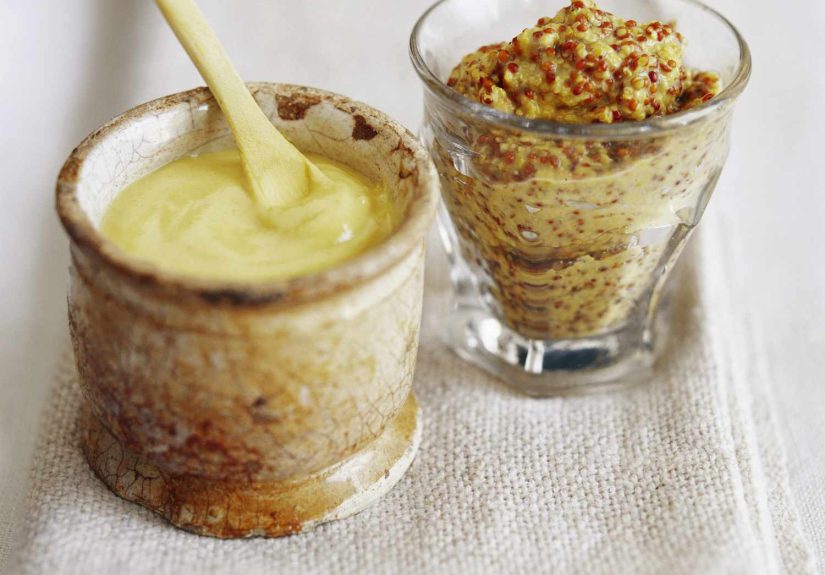
Dijon is smoother, sharper, and usually more complex than yellow mustard. It is commonly made with brown mustard seeds and acidic liquid such as vinegar or wine-based ingredients. Dijon shines in vinaigrettes, pan sauces, marinades, and sandwiches that want to feel just a little more sophisticated.
Spicy Brown Mustard
This style is often coarsely ground and more robust than yellow mustard. It has a stronger bite and works beautifully with deli sandwiches, sausages, corned beef, and pretzels. It is the mustard equivalent of rolling up your sleeves and getting to work.
Whole Grain Mustard
Whole grain mustard includes partially crushed seeds, which gives it a grainy texture and a more rustic look. It is less about smooth uniformity and more about texture, pop, and depth. It is terrific with roasted meats, cheese boards, vinaigrettes, and pan sauces.
Honey Mustard
Honey mustard balances mustard’s tang with sweetness. It is popular as a dip, salad dressing base, and glaze for chicken or pork. It is proof that mustard can be bold without being bossy.
Hot or Chinese-Style Mustard
This version can be seriously sharp and fast-acting. Often made from mustard powder mixed with water, it delivers heat that rises quickly and can fade just as fast. It is excellent with egg rolls, dumplings, and rich foods that need contrast.
What Does Mustard Taste Like?
Mustard usually tastes tangy, savory, and mildly bitter, with varying levels of heat. Some versions are mellow and vinegary; others are sharp, peppery, or almost horseradish-like in their intensity. Texture also plays a role. Smooth mustard feels polished and even, while whole grain mustard brings tiny bursts of flavor with each bite.
The best way to think about mustard is not as a single flavor, but as a category. Saying “I like mustard” is a bit like saying “I like music.” Great. But are we talking jazz, punk, or a string quartet that terrifies your turkey sandwich?
How Mustard Is Used in Cooking
Mustard earns its keep because it does more than sit on top of food. It can season, brighten, balance richness, and help sauces come together.
As a Condiment
Mustard is famous on hot dogs, burgers, sausages, ham sandwiches, roast beef, and pretzels. It cuts through fatty and salty foods with welcome tang.
In Dressings and Sauces
Dijon and whole grain mustard are especially useful in vinaigrettes, creamy dressings, and quick pan sauces. A spoonful can add zip and help tie oil, acid, and seasonings into a more unified sauce.
In Marinades and Glazes
Mustard plays nicely with honey, maple syrup, garlic, herbs, brown sugar, and vinegar. That makes it a natural fit for glazes on salmon, pork tenderloin, ham, chicken thighs, and roasted vegetables.
As a Spice Ingredient
Mustard seeds and dry mustard powder are used in spice rubs, pickles, relishes, curries, and seasoning blends. Whole seeds can add texture and flavor to pickling brines, while powdered mustard slips easily into sauces and dry mixes.
Is Mustard Good for You?
Prepared mustard is generally low in calories, which is one reason it has long been popular with people who want strong flavor without a lot of extra fat or sugar. Mustard seeds also contain minerals and plant compounds, though the condiment itself is usually eaten in small amounts, so the nutritional impact per serving is modest.
In other words, mustard is not a miracle food, and it does not need to be. It is a flavorful condiment that can help make meals more satisfying without requiring a dramatic speech about wellness. That alone is a respectable contribution.
If you are watching sodium or sugar, it is worth reading labels because flavored mustards can vary a lot. Honey mustard and some specialty blends may contain more added sweeteners, while deli-style or gourmet versions can differ in salt content.
How to Store Mustard
Unopened mustard is usually shelf-stable and can be stored in a cool, dark place. Once opened, many mustards remain safe because of their acidity, but refrigeration is generally best for maintaining flavor and quality over time.
That means the answer to “Does mustard need to be refrigerated?” is a practical one: for best taste, yes. Especially if you are using Dijon, whole grain, or specialty mustard that you want to keep tasting lively instead of flat.
If your mustard starts to look dried out, separated, or noticeably dull in flavor, it is probably past its prime. It may not be dangerous, but it will be disappointing, and frankly life offers enough disappointment without bland mustard joining the list.
Mustard vs. Mustard Seed vs. Mustard Powder
These terms are related but not interchangeable.
- Prepared mustard is the ready-to-eat condiment in a jar or squeeze bottle.
- Mustard seeds are the whole seeds used in pickling, spice blends, and homemade mustard.
- Mustard powder or dry mustard is ground mustard seed, often used in recipes for sauces, rubs, dressings, and baked dishes.
If a recipe calls for dry mustard, do not squirt in yellow mustard and hope for the best. That is how kitchen confusion begins.
How to Choose the Right Mustard
If you are standing in front of the grocery shelf wondering which mustard belongs in your cart, here is the quick version:
- Choose yellow mustard for burgers, hot dogs, potato salad, and classic American comfort food.
- Choose Dijon mustard for dressings, marinades, sauces, and sandwiches that need sharper flavor.
- Choose spicy brown mustard for deli meats, sausages, pretzels, and hearty sandwiches.
- Choose whole grain mustard for cheese boards, roasted meats, and texture-rich sauces.
- Choose honey mustard for dipping, glazing, and kid-friendly sweetness with a tangy edge.
What Is Mustard Really? The Bottom Line
Mustard is not just yellow goo from a squeeze bottle. It is a versatile condiment and spice made from mustard seeds, and its flavor can shift dramatically depending on the seed, grind, liquid, and seasonings used. It can be mild or fiery, silky or grainy, sweet or sharp. It can elevate a sandwich, rescue a bland dressing, brighten roasted vegetables, or wake up a sleepy marinade.
That is the beauty of mustard. It is humble, inexpensive, and wildly useful. It asks for very little shelf space and gives back a lot of flavor. Not every kitchen hero wears a cape. Some come in a jar and make your lunch better.
Kitchen Experiences Related to Mustard
One of the most relatable things about mustard is that almost everyone meets it early in life, usually at a cookout, a baseball game, or a family picnic where someone is trying to keep paper plates from flying away. For many people, yellow mustard is the first “grown-up” condiment they learn to like. Ketchup may be sweet and friendly, but mustard feels like a small step into the wider world of flavor. It is tangy, a little odd at first, and then suddenly you miss it when it is not there.
There is also the classic sandwich moment: you make a turkey or ham sandwich that looks perfectly fine, take a bite, and realize it tastes like edible paperwork. Then you add mustard. Instantly, it wakes up. The bread tastes better, the meat tastes saltier in a good way, and the whole thing finally feels finished. Mustard has that magic trick quality. It does not always dominate a dish, but it can make everything around it seem more alive.
Another common experience is the “mustard upgrade.” You grow up with yellow mustard, then one day someone hands you a deli sandwich with spicy brown mustard or a salad dressing made with Dijon. It is a tiny culinary plot twist. Suddenly mustard is not just a hot dog topping; it is complex, earthy, and weirdly elegant. A lot of home cooks have that moment where they realize Dijon in a vinaigrette makes them feel like they know what they are doing, even if the rest of dinner is just roasted chicken and vegetables on a sheet pan.
Then there is whole grain mustard, which often surprises people the first time they try it. You expect smoothness and get texture, little pops from the seeds, and a flavor that seems more rustic and layered. It feels less like a background condiment and more like an ingredient with opinions. On a cheese board, brushed over salmon, or spooned into a sauce, it can make a meal feel restaurant-worthy without requiring restaurant-level effort.
Mustard also shows up in some of the best accidental cooking victories. A spoonful in mac and cheese deepens the flavor. A bit in deviled eggs makes them brighter. A swipe under seasoning on roasted meat helps a crust form and adds tang without screaming for attention. Plenty of people have had the experience of tossing mustard into a recipe almost as an afterthought and then wondering why they have not been doing that for years.
And of course, there is the physical experience of strong mustard. Too much hot mustard or a particularly punchy Dijon can rush straight up the nose in a way that is both alarming and oddly thrilling. It is the condiment version of a plot twist. You recover quickly, laugh a little, and usually go back for another bite anyway.
That is why mustard lasts. It is practical, affordable, and full of personality. It turns ordinary meals into more memorable ones. It travels from barbecue tables to holiday hams to quick weekday dressings without ever seeming out of place. Once you start noticing what mustard does, you realize it is not just in the kitchen. It is quietly improving your food, one sharp little spoonful at a time.






 Close
Close