
Table of Contents >> Show >> Hide
- Introduction: When Parisian Furniture Decides to Take a Vacation
- Who Is Colonel in Paris?
- The Design DNA: Light Wood, Color, Craft, and Vacation Energy
- Key Colonel Furniture and Lighting Ideas
- Why Colonel Fits the Modern Home
- How to Decorate With Colonel-Inspired Furniture
- The Paris Factor: Why Location Matters
- Buying and Styling Tips for Colonel-Style Furniture
- Experience Section: Living With the Spirit of Colonel in Paris
- Conclusion: Why Colonel in Paris Still Feels Fresh
Note: This article is based on real information about Colonel, the Paris-based furniture and design studio founded by Isabelle Gilles and Yann Poncelet, and synthesized with broader research on French design, artisan furniture, rattan, vintage restoration, and contemporary home styling.
Introduction: When Parisian Furniture Decides to Take a Vacation
Some furniture politely sits in the corner and behaves. Colonel furniture, on the other hand, strolls into the room wearing bright colors, relaxed proportions, a little French confidence, and the emotional energy of a long weekend by the sea. Based in Paris, Colonel is one of those design studios that proves furniture can be sophisticated without looking like it is allergic to joy.
The story of Colonel begins with Isabelle Gilles and Yann Poncelet, a creative duo whose work blends furniture design, lighting, objects, vintage restoration, and small-series craftsmanship. Their project has roots in 2010, while the Colonel studio identity is often associated with 2012, when the brand became known for its cheerful, craft-forward approach to modern furniture. The result is a collection that feels Parisian, but not in the predictable “gold mirror and dramatic molding” way. Colonel is more like Paris after it packed a canvas chair, a rattan lamp, and a striped beach towel for a sunny escape.
For homeowners, interior designers, and design lovers searching for furniture with personality, Colonel in Paris offers a refreshing lesson: a home does not need to be stiff to be stylish. It can be colorful, relaxed, slightly nostalgic, and still beautifully edited. In other words, your living room can have taste without looking as if nobody is allowed to eat crackers there.
Who Is Colonel in Paris?
Colonel is a Paris-based furniture and design studio created by Isabelle Gilles and Yann Poncelet. The studio specializes in furniture, lighting, and decorative objects, often produced in collaboration with skilled craftspeople and small workshops. Early coverage of the brand described it as a small, human-scale furniture company that restored vintage pieces while also creating original designs.
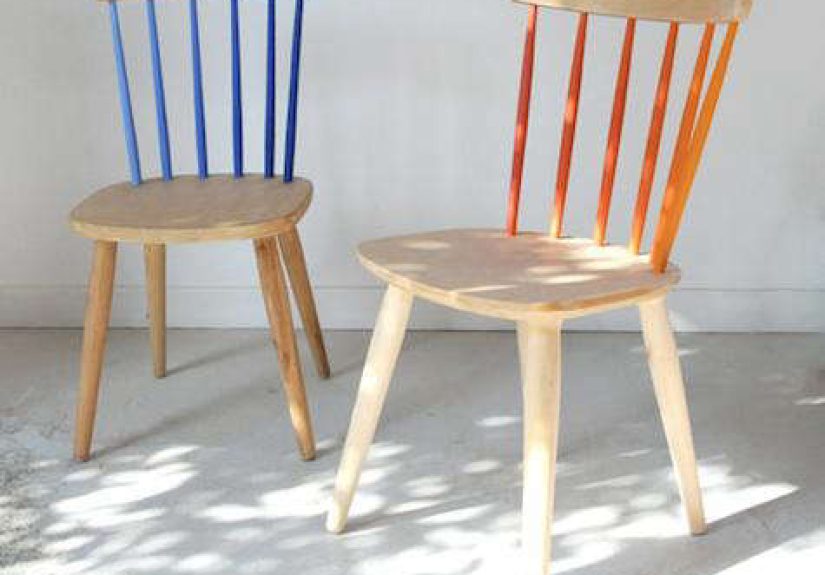
That balance between old and new is one of the most charming parts of Colonel’s identity. The studio does not treat vintage furniture as dusty museum material. Instead, it sees older forms as a starting point for reinvention. A midcentury chair can be repainted, refreshed, and given a bright cushion. A camping chair can inspire a modern armchair. A simple wood table can become memorable with a clever metal detail. Colonel’s work suggests that good furniture does not need to shout. Sometimes it just needs a better outfit.
The Design DNA: Light Wood, Color, Craft, and Vacation Energy
Colonel furniture is recognizable because it combines several strong design ideas without making them fight for attention. The brand often uses light woods, lacquered metal, woven rattan, canvas, graphic fabrics, and playful color palettes. The mood is modern, but not cold. It is decorative, but not fussy. It nods to outdoor furniture, Scandinavian simplicity, French craft, and midcentury forms while maintaining its own cheerful voice.
Outdoor Furniture, Reimagined for Everyday Living
One of Colonel’s early signatures was its ability to borrow from outdoor furniture and bring that feeling indoors. The Caracas chair, for example, has been described as a contemporary reading of a 1960s camping chair, using a metal frame and canvas seat. That influence gives the piece a casual, approachable attitude. It looks designed, but it also looks like it understands the importance of sitting comfortably with an iced drink.
This outdoor-inspired approach matters because modern homes are increasingly moving away from overly formal rooms. People want spaces that feel flexible, warm, and lived in. Colonel’s furniture fits this shift perfectly. It gives a room structure without stealing its sense of ease.
Color That Feels Cheerful, Not Chaotic
Color is one of Colonel’s superpowers. The studio has used bright yellows, blues, corals, pinks, blacks, and natural wood tones in ways that feel graphic rather than messy. The effect is joyful but controlled. Think “Parisian designer on summer holiday,” not “paint aisle accident.”
This is especially useful for homeowners who love color but fear commitment. A Colonel-style approach does not require painting every wall tangerine. Instead, color can enter through a chair cushion, a lamp shade, a sideboard door, or a metal connector on a bench. These smaller gestures make a space feel alive while still allowing the room to breathe.
Craftsmanship Without Pretension
Colonel’s work is closely tied to artisan production and small-series manufacturing. The studio has collaborated with French craftspeople and workshops, emphasizing furniture and objects that feel carefully made rather than mass-produced into blandness. This is a key reason the brand appeals to design-conscious buyers: the pieces have personality because they are connected to real materials and hands-on processes.
In a market crowded with flat-pack sameness, this craft element feels important. A handmade or small-batch piece brings variation, texture, and story into a home. It does not have to dominate the room. It simply adds that quiet, satisfying feeling that something was considered before it was created.
Key Colonel Furniture and Lighting Ideas
Colonel’s catalog has evolved over the years, but several pieces and design ideas have helped define the studio’s reputation. From chairs to lamps to sideboards, the brand’s best-known work often combines simple silhouettes with unexpected materials or color details.
The Caracas Chair
The Caracas chair is one of Colonel’s most recognizable designs. Inspired by garden and camping furniture, it uses a light frame and canvas seating to create a relaxed, graphic form. It feels nostalgic without becoming retro theater. You do not need a vintage caravan parked outside to make it work, though frankly, it would not object.
In an interior, a Caracas-style chair can soften a serious room. Place it near a bookshelf, in a sunny bedroom corner, or beside a low coffee table. It works especially well where a room needs a touch of informality. If your living space feels too buttoned-up, this kind of chair is the design equivalent of rolling up your sleeves.
Faces and Dowood Lamps
Colonel’s lighting has played a major role in the brand’s identity. The Faces lamp, with its sculptural base and fabric shade, brings character to a room without demanding a spotlight. The Dowood lamp has also been noted as a strong seller, known for its graphic wood shade and colorful forms. These lamps show how Colonel treats lighting not just as function, but as furniture’s charming cousin.
Good lighting changes how furniture feels. A sofa looks more inviting under a warm lamp. A sideboard becomes a focal point when paired with a sculptural table light. Colonel’s lamps are useful because they bring mood and shape at the same time. They can make even a plain wall look as if it has been quietly studying design magazines.
Pondy Tables and Benches
The Pondy table and bench designs show Colonel’s interest in simple wood forms enhanced by clever details. The design has been associated with raw-looking wood surfaces and colorful metal connector bars. This is a very Colonel move: take something minimal, add one smart graphic feature, and suddenly the piece has a wink.
Pieces like these are practical for dining spaces, entryways, studios, and family rooms. They are not overly ornate, which makes them easy to pair with other furniture. But the color detail prevents them from disappearing into the background.
Rattan, Sideboards, and the Warmth of Natural Texture
More recent Colonel collections have leaned into materials such as natural rattan, lacquered metal, and warm wood. Rattan has enjoyed renewed popularity in interiors because it adds texture, airiness, and a relaxed coastal or tropical feeling without requiring the home to be anywhere near a beach. In Colonel’s hands, rattan does not feel old-fashioned. It feels crisp, structured, and modern.
A rattan-front sideboard, for example, can warm up a dining room or living room while keeping storage visually light. Compared with a heavy solid cabinet, woven doors introduce pattern and breathability. They also pair beautifully with plants, ceramics, linen curtains, and matte painted walls.
Why Colonel Fits the Modern Home
Modern interiors are moving toward comfort, authenticity, and expressive details. People still love clean lines, but they increasingly want rooms that feel personal rather than showroom-perfect. Colonel’s furniture fits this direction because it is playful without being childish and crafted without being overly precious.
It Works in Small Spaces
Paris knows a thing or two about small apartments. Colonel’s furniture language suits compact homes because many pieces feel visually light. Open frames, woven textures, slim profiles, and bright accents keep a room from feeling crowded. A colorful chair or lamp can add personality without taking up the visual weight of a large, bulky item.
For a small apartment, the Colonel approach is simple: choose fewer pieces, but make them count. A graphic lamp, a compact armchair, a slim sideboard, and one strong textile can do more than a room full of forgettable furniture.
It Mixes Well With Vintage and Contemporary Pieces
Because Colonel itself has roots in vintage restoration and contemporary design, its aesthetic naturally plays well with both. A Colonel-style chair can sit beside a modern sofa. A rattan cabinet can complement a vintage rug. A bright lamp can wake up an antique table. This is excellent news for anyone whose home is less “single showroom order” and more “collected over time, with one chair inherited from an aunt who had opinions.”
It Makes Color Easier to Use
Many people admire colorful interiors but live in rooms that are beige, gray, and emotionally exhausted. Colonel offers a more manageable way to experiment. Instead of committing to a full rainbow, start with one colorful piece. A yellow lamp. A blue chair. A coral accent. A sideboard with a lacquered detail. Color becomes an accent with purpose, not a decorative panic attack.
How to Decorate With Colonel-Inspired Furniture
You do not need to own a Paris apartment or pronounce “rattan” with theatrical confidence to use Colonel’s ideas at home. The brand’s design philosophy can inspire practical decorating choices in many spaces, from city apartments to suburban homes.
Start With One Statement Piece
Choose one furniture item or lighting piece that carries the room’s personality. This might be a colorful armchair, a rattan-front cabinet, a graphic floor lamp, or a simple bench with a bright detail. Let that piece set the tone, then build around it with calmer supporting elements.
Use Natural Materials as the Foundation
Light wood, woven cane, linen, cotton canvas, and ceramic accessories create a relaxed base. These materials make bright colors easier to live with because they soften the overall effect. A coral lamp next to pale oak looks intentional. A blue chair beside natural linen feels fresh. A pink cushion on a rattan seat says, “I have taste and possibly excellent snacks.”
Balance Graphic Forms With Soft Textures
Colonel often uses strong shapes, but the designs rarely feel harsh because they are balanced by tactile materials. You can borrow this principle by pairing metal frames with wool rugs, lacquered finishes with linen curtains, and clean-lined furniture with handmade ceramics or woven baskets.
Avoid Overdecorating
The Colonel look has personality, but it is not cluttered. Leave space around special pieces. If a lamp has a bold shade, avoid placing five other visual distractions nearby. If a chair has a bright canvas seat, let it be the star instead of forcing it to compete with ten patterned pillows. Even confident furniture needs breathing room.
The Paris Factor: Why Location Matters
Colonel’s Paris location is not just a mailing address. It helps explain the studio’s design attitude. Paris has a long history of furniture making, decorative arts, restoration, and design retail. At the same time, modern Parisian interiors often combine old architecture with contemporary pieces. Think parquet floors, white walls, tall windows, and one unexpected chair that makes the room suddenly interesting.
Colonel’s work fits this culture of contrast. Its pieces can live in classic rooms without becoming too formal. They can also brighten modern spaces without feeling gimmicky. The result is furniture that feels French not because it copies antiques, but because it understands proportion, editing, and charm.
Buying and Styling Tips for Colonel-Style Furniture
If you are inspired by Colonel in Paris, focus on quality, balance, and longevity. The goal is not to chase every colorful trend. The goal is to choose pieces that bring lasting pleasure.
Look for Honest Materials
Choose solid wood, quality metal, natural fibers, and well-made woven details when possible. Furniture with honest materials tends to age better, both physically and visually.
Choose Color With a Plan
Pick two or three accent colors and repeat them lightly throughout the room. For example, a blue chair might connect with a blue artwork and a small blue ceramic bowl. This creates rhythm without making the room look overly matched.
Mix Old and New
Pair a contemporary rattan cabinet with a vintage mirror. Use a modern lamp on an antique table. Add a painted chair to a minimal desk. The magic is in the tension between eras.
Let Lighting Do Some Heavy Lifting
If buying new furniture is not realistic, start with lighting. A sculptural lamp can change the mood of a room faster than almost anything else. It is the design equivalent of good seasoning: small amount, major difference.
Experience Section: Living With the Spirit of Colonel in Paris
To understand the appeal of Colonel-style furniture, imagine walking into a Paris apartment on a bright afternoon. The windows are open. The room is not enormous, but it feels alive. There is a pale wood table near the wall, a woven-front cabinet under a framed print, a colorful chair angled casually beside a lamp, and a small stack of books that looks artful even though one of them is probably hiding a receipt.
The first experience this kind of furniture creates is ease. Nothing feels too precious. You are not afraid to sit down. You are not worried that the chair exists only for people wearing linen suits and holding espresso correctly. Colonel’s design language invites use. It says furniture should be beautiful, but it should also survive conversation, coffee, and the occasional guest who gestures too enthusiastically.
The second experience is warmth. Natural wood and rattan make a space feel human. These materials catch light differently throughout the day. In the morning, a woven cabinet door may look pale and airy. At night, under a warm lamp, it becomes richer and more textured. That changing quality gives a room depth. It also helps a home feel less like a staged photograph and more like a place where life is actually happening.
The third experience is playfulness. A bright lamp or canvas chair can shift the entire emotional temperature of a room. Many interiors are technically correct but completely forgettable. Colonel-style pieces prevent that. They add the small surprise that makes visitors say, “Where did you find that?” This is one of the highest compliments in decorating, just below “Your home feels amazing” and slightly above “I did not realize a sideboard could have charisma.”
Another useful experience is flexibility. Colonel-inspired furniture can adapt to different homes because it does not rely on one rigid style. In a minimalist apartment, one colorful chair becomes the focal point. In a bohemian room, a rattan lamp blends naturally with layered textiles. In a family home, a simple bench with a graphic detail can add design interest without becoming impractical. The pieces feel special, but not fragile.
There is also a lesson in restraint. Colonel’s best ideas often come from one strong gesture: a colored metal bar, a tilted shade, a canvas sling, a woven panel, a painted frame. This teaches an important decorating principle. You do not need twenty dramatic choices in one room. You need a few good ones. A room becomes memorable when each piece has enough space to express itself.
Finally, living with the spirit of Colonel in Paris means giving your home permission to be joyful. Serious design has its place, but homes should not feel like silent galleries unless you genuinely enjoy whispering at your own sofa. Colonel reminds us that furniture can be elegant and relaxed at the same time. It can honor craft while embracing color. It can borrow from camping chairs, beach furniture, French workshops, and modern interiors, then turn all of that into something fresh.
That may be the biggest takeaway: Colonel is not just about furniture. It is about attitude. It encourages rooms that are edited but not uptight, stylish but not sterile, colorful but not chaotic. In a world full of safe beige decisions, that feels wonderfully brave.
Conclusion: Why Colonel in Paris Still Feels Fresh
Colonel in Paris stands out because it understands the emotional side of furniture. A chair is not only a place to sit. A lamp is not only a source of light. A sideboard is not only storage. These pieces shape how a room feels, how people gather, and how everyday life looks when it is lucky enough to be surrounded by good design.
By combining vintage inspiration, artisan production, bright color, natural materials, and relaxed silhouettes, Colonel offers a version of French furniture that feels modern, approachable, and full of character. It is Parisian, yes, but not stiff. It is playful, but not silly. It is crafted, but not intimidating. Most importantly, it reminds us that furniture can have a sense of humor and still be seriously good.
For anyone designing a home with warmth, personality, and a little vacation energy, Colonel is worth studying. Start with one bold piece, keep the materials honest, mix old with new, and let color do what color does best: make the room smile.







 Close
Close