
Table of Contents >> Show >> Hide
- What Does Mesclun Mean?
- What Is in Mesclun?
- What Does Mesclun Taste Like?
- How to Use Mesclun in Cooking
- How to Choose Fresh Mesclun
- How to Store Mesclun
- Is Mesclun Healthy?
- Can You Grow Mesclun at Home?
- Best Dressings for Mesclun
- What Foods Pair Well with Mesclun?
- Common Mistakes When Using Mesclun
- Experiences Related to Mesclun: What It Teaches You in the Kitchen
- Conclusion
Mesclun sounds like the name of a tiny French village where everyone rides bicycles with baguettes in the basket. In reality, it is one of the most useful, colorful, and misunderstood salad mixes in the produce aisle. If you have ever bought a box labeled “spring mix,” “baby greens,” or “gourmet salad mix,” there is a strong chance you have already met mesclun. You may not have known its name, but it was probably sitting politely under your grilled chicken, goat cheese, strawberries, or vinaigrette.
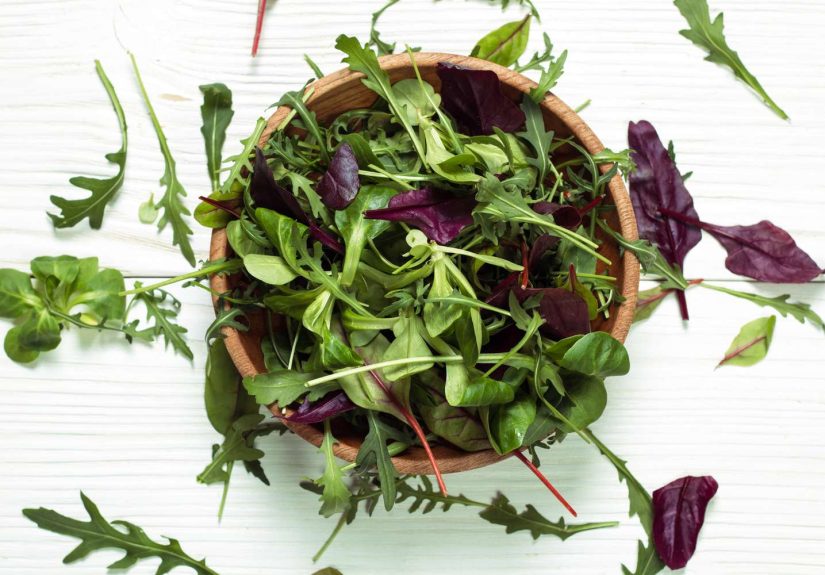
So, what is mesclun? Mesclun is a mixture of young, tender salad greens harvested while the leaves are small, delicate, and full of flavor. Instead of being one single vegetable, mesclun is a team effort. It commonly includes baby lettuces, arugula, endive, frisée, radicchio, mustard greens, spinach, chervil, mizuna, mâche, sorrel, watercress, or other leafy greens. Think of it as the salad world’s greatest hits album: sweet, peppery, bitter, crisp, soft, and sometimes a little spicy.
The beauty of mesclun is that it makes salads taste layered without requiring you to buy six separate heads of greens and turn your refrigerator into a leafy jungle. It brings texture, nutrition, color, and personality to a plate. And yes, it can make even a Tuesday lunch feel like it has a tiny chef’s hat on.
What Does Mesclun Mean?
The word “mesclun” is commonly associated with the idea of mixing. In culinary use, it refers to a blend of young salad greens rather than a single crop. Traditionally, mesclun is linked to the south of France, especially Provençal-style salad mixtures made with tender greens and herbs. Over time, the word became popular in American grocery stores, restaurants, farmers markets, and seed catalogs.
Today, the meaning is flexible. A chef may use “mesclun” to describe a refined mix of baby lettuces, arugula, endive, and herbs. A grocery store may use the term for a packaged spring mix that includes spinach, red leaf lettuce, radicchio, and baby chard. A gardener may use it for a seed blend designed to be harvested young. In short, mesclun means “mixed young greens,” but the exact mix depends on who is growing, selling, or serving it.
What Is in Mesclun?
Mesclun is not a strict recipe. There is no salad police officer checking each leaf with a clipboard. However, many mesclun blends include a balance of mild, peppery, bitter, sweet, and herbal greens. This balance is what makes mesclun more interesting than plain lettuce.
Common Greens Found in Mesclun
Baby lettuces are often the base. These may include red leaf lettuce, green leaf lettuce, oak leaf lettuce, romaine, butter lettuce, or loose-leaf varieties. They bring softness, mild sweetness, and familiar salad comfort.
Arugula adds a peppery bite. It is the green that walks into the bowl and says, “Wake up, everyone.” A little arugula can make a simple salad taste bright and lively.
Endive, frisée, escarole, and radicchio belong to the chicory family and often contribute slight bitterness. Bitter greens are important because they keep the salad from tasting flat. They also pair beautifully with rich ingredients such as cheese, nuts, eggs, avocado, roasted vegetables, and olive oil-based dressings.
Spinach and baby chard add tenderness and mild earthiness. Mustard greens, mizuna, and watercress can bring spice or sharpness. Herbs such as chervil, parsley, or chives may appear in more traditional or farmers market-style mixes.
Is Mesclun the Same as Spring Mix?
Mesclun and spring mix are often used interchangeably in the United States, but they are not always exactly the same. Mesclun usually suggests a mix inspired by young, tender salad greens with varied flavor. Spring mix is a broader grocery label that may include many of the same greens, especially baby lettuce, spinach, arugula, chard, and radicchio.
If you are shopping, the label matters less than the ingredient list. Look for freshness, variety, and leaves that are not slimy, wilted, or bruised. A good mesclun mix should look lively, not like it has had a long emotional week.
What Does Mesclun Taste Like?
Mesclun tastes fresh, tender, and layered. The exact flavor depends on the greens in the mix. A blend with more baby lettuce and spinach will taste mild and slightly sweet. A mix with arugula, mustard greens, or watercress will taste peppery. A blend with radicchio, frisée, or endive will have a pleasant bitterness.
The texture also varies. Some leaves are soft and buttery. Others are crisp, curly, or slightly chewy. This is part of the charm. Mesclun gives your fork a little adventure without making dinner complicated.
How to Use Mesclun in Cooking
Mesclun is most famous as a salad green, but that is only the beginning. Because the leaves are young and delicate, mesclun is best used raw or added at the very end of cooking. It is not a green you usually simmer for an hour unless your goal is sadness in a pot.
Classic Mesclun Salad
The easiest way to enjoy mesclun is with a simple vinaigrette. Toss the greens with extra-virgin olive oil, vinegar or lemon juice, Dijon mustard, salt, and black pepper. Add just enough dressing to lightly coat the leaves. Mesclun is delicate, so drowning it in dressing is like wearing a winter coat in a swimming pool: technically possible, but not ideal.
For a French-inspired version, pair mesclun with shallot vinaigrette, goat cheese, toasted walnuts, and sliced pears. For a brighter summer salad, add tomatoes, cucumbers, fresh herbs, and a lemony dressing. For a heartier meal, top it with grilled chicken, salmon, shrimp, steak, chickpeas, lentils, or hard-boiled eggs.
Mesclun as a Garnish
Mesclun works beautifully as a garnish for soups, flatbreads, omelets, grain bowls, sandwiches, and roasted vegetables. A small handful can make a plate look fresher and more restaurant-worthy. It also adds contrast to rich foods. Try mesclun over pizza after baking, on top of avocado toast, or tucked into a turkey sandwich.
Mesclun in Warm Dishes
You can gently wilt mesclun, but do it carefully. Add it to warm pasta, risotto, roasted potatoes, or grains right before serving. The residual heat softens the leaves without turning them mushy. A mix with spinach, chard, or mustard greens handles warmth better than one made mostly of delicate lettuces.
How to Choose Fresh Mesclun
Fresh mesclun should look crisp, colorful, and dry but not dehydrated. Avoid packages with excessive moisture, yellowing leaves, brown edges, or slimy patches. Because mesclun is made of baby greens, it is more delicate than mature heads of lettuce. That means freshness matters.
If buying packaged mesclun, check the “best by” date, but also inspect the greens through the container. Choose boxes where the leaves look lifted and separated rather than compressed into a damp green brick. At farmers markets, ask what is in the mix. Local growers often create seasonal blends with more flavor than standard supermarket versions.
How to Store Mesclun
Mesclun likes cool temperatures, gentle handling, and a little breathing room. Store it in the refrigerator, ideally in a container lined with a paper towel to absorb extra moisture. If the greens are already washed, keep them dry and cold. If they are unwashed, wait to rinse until just before eating.
Moisture is the villain in many mesclun tragedies. Too much water causes leaves to wilt and spoil quickly. After washing, use a salad spinner or gently pat the greens dry. Then dress them right before serving. Once mesclun meets vinaigrette, the countdown begins. Delicious countdown, yes, but still a countdown.
Is Mesclun Healthy?
Mesclun can be a nutritious addition to meals because it usually contains a variety of leafy greens. Depending on the blend, it may provide vitamins A, C, and K, folate, minerals, fiber, and beneficial plant compounds. Darker leafy greens such as spinach, chard, arugula, and mustard greens tend to be especially nutrient-dense.
Another advantage is volume. Mesclun lets you add a generous portion of vegetables to a meal without many calories. That makes it helpful for building balanced plates. Of course, the health value depends on what you add. Mesclun with grilled salmon, olive oil vinaigrette, and vegetables is a very different situation from mesclun buried under fried toppings and a dressing that could legally qualify as dessert.
Can You Grow Mesclun at Home?
Yes, and it is one of the friendliest crops for beginner gardeners. Mesclun grows quickly, does not require a huge yard, and can be harvested young. Many seed companies sell mesclun mixes, but you can also create your own blend with loose-leaf lettuce, arugula, mizuna, mustard greens, spinach, and herbs.
Mesclun generally grows best in cool seasons such as spring and fall. Hot weather can make some greens bolt, meaning they send up flowers and turn bitter. Plant seeds in loose, fertile, well-drained soil. Keep the soil consistently moist, especially while seeds are germinating and young leaves are developing.
Harvesting Mesclun
Most mesclun greens are harvested when they are small, often around four to six inches tall. Use clean scissors to cut leaves about an inch above the soil. This “cut-and-come-again” method allows many greens to regrow for another harvest. It is basically the haircut strategy of gardening: trim, wait, repeat.
For container growing, use a shallow pot with drainage holes and quality potting mix. Place it where it receives good light, water regularly, and sow new seeds every couple of weeks for a steady supply. A windowsill, balcony, patio, or small raised bed can produce enough mesclun to make your lunch feel extremely accomplished.
Best Dressings for Mesclun
Because mesclun is delicate, lighter dressings usually work best. Vinaigrettes are ideal. Try lemon vinaigrette, balsamic vinaigrette, red wine vinaigrette, champagne vinegar dressing, or a simple olive oil and vinegar combination.
Creamy dressings can work, but use a light hand. Heavy ranch or blue cheese dressing may overpower the greens. If you want creaminess, consider a yogurt-based dressing, tahini-lemon sauce, or a small amount of creamy Dijon dressing. The goal is to support the greens, not bury them under a dairy avalanche.
What Foods Pair Well with Mesclun?
Mesclun is flexible. Its mild, peppery, and bitter notes pair well with sweet, salty, acidic, and rich ingredients. Fruit is a natural match: apples, pears, berries, oranges, peaches, and figs all work beautifully. Nuts and seeds add crunch, while cheeses such as goat cheese, feta, Parmesan, blue cheese, and aged cheddar bring richness.
For protein, mesclun pairs with chicken, turkey, salmon, tuna, shrimp, steak, tofu, beans, lentils, and eggs. For grains, try farro, quinoa, couscous, rice, or barley. Roasted vegetables such as beets, carrots, sweet potatoes, mushrooms, and squash can turn mesclun into a satisfying dinner salad.
Common Mistakes When Using Mesclun
The first mistake is overdressing. Mesclun leaves are tender, so too much dressing makes them collapse. Start with a small amount, toss gently, and add more only if needed.
The second mistake is washing too early. If you rinse mesclun and store it wet, it spoils faster. Wash right before serving when possible, and dry thoroughly.
The third mistake is treating every mix the same. A spicy mesclun with mustard greens needs different pairings than a mild blend of baby lettuces. Taste the greens first. They will tell you where the salad wants to go. Yes, we are listening to lettuce now. This is adulthood.
Experiences Related to Mesclun: What It Teaches You in the Kitchen
My favorite thing about mesclun is that it rewards curiosity. The first time many people buy it, they expect “lettuce, but fancier.” Then they take a bite and discover peppery arugula, bitter radicchio, soft baby spinach, and frilly leaves that look like they were designed by a tiny botanical architect. Suddenly, salad is not just a side dish. It has opinions.
One practical experience with mesclun is learning how little a good salad needs. Many home cooks start by adding everything in the refrigerator: tomatoes, cheese, onions, nuts, fruit, croutons, seeds, chicken, avocado, and maybe emotional support olives. But mesclun already has variety built in. Sometimes the best version is just greens, a bright vinaigrette, a pinch of salt, and one strong topping like toasted walnuts or shaved Parmesan.
Another lesson is timing. Mesclun is not a make-ahead salad green in the same way cabbage is. You can prep toppings in advance, whisk the dressing early, and chill the bowl, but toss the greens at the last minute. This one habit can change your salad life. Instead of limp leaves, you get bounce, color, and texture. Your dinner guests may not know what changed, but they will notice that the salad no longer looks like it gave up.
Mesclun also teaches balance. A bitter mix becomes friendlier with sweet roasted beets or pear slices. A peppery mix becomes smoother with avocado or soft cheese. A mild mix benefits from lemon, herbs, or mustard vinaigrette. Once you understand the flavor of the greens, you stop following recipes so nervously. You begin building salads the way musicians build songs: a little bass, a little brightness, a little rhythm, and hopefully no one drops the cymbals.
Growing mesclun at home adds another layer of appreciation. It is one of those crops that makes gardening feel possible, even if your previous plant experience involves apologizing to a dead basil pot. Seeds sprout quickly, baby leaves appear fast, and the first harvest feels wildly satisfying. You cut a handful of greens, rinse them, toss them with dressing, and suddenly lunch came from your own windowsill. That is a small victory, but it tastes big.
There is also something useful about seeing how different greens grow together. Some leaves shoot up quickly, while others stay small. Some taste mild in cool weather and sharper when temperatures rise. You begin to understand why farmers and chefs care so much about seasonality. Mesclun is not just a product in a plastic box; it is a living mix of plants with different personalities.
In everyday cooking, mesclun becomes a shortcut to freshness. Keep a container in the fridge and suddenly leftovers look intentional. A slice of quiche becomes brunch. A bowl of pasta becomes balanced. A sandwich gets crunch and color. Even takeout pizza can be improved with a handful of lightly dressed mesclun on top. Is it still pizza? Absolutely. Is it now wearing a little green cape of responsibility? Also yes.
The best experience, though, is discovering that mesclun removes the boredom from salad. It invites you to taste, adjust, and play. It proves that leafy greens do not have to be punishment food or decorative fluff. They can be bright, bold, elegant, and surprisingly fun. Mesclun is a reminder that simple ingredients can still have complexity, and that sometimes the smallest leaves bring the biggest personality to the plate.
Conclusion
Mesclun is a mix of young, tender salad greens that may include baby lettuces, arugula, spinach, endive, radicchio, frisée, mustard greens, herbs, and other leafy vegetables. It is loved for its variety of flavors, textures, colors, and uses. Whether you buy it as spring mix, grow it in a container, toss it with vinaigrette, or use it to rescue leftovers from looking lonely, mesclun is one of the easiest ways to make meals fresher and more interesting.
It is simple, but not boring. Delicate, but not dull. Fancy-sounding, but completely practical. In other words, mesclun is the salad green that quietly does the most while asking for very little in return. Respect the leaves, dress them lightly, store them carefully, and they will reward you with salads that taste like more than an obligation.







 Close
Close