
Table of Contents >> Show >> Hide
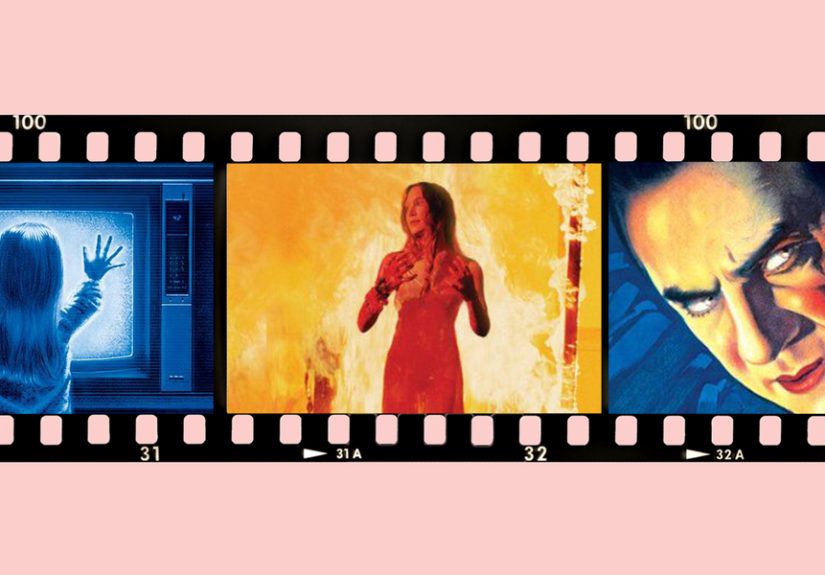
If horror had a family tree, the roots would be covered in cobwebs, dramatic shadows, suspicious castles, and at least one villager carrying a torch like it is a full-time job. Classic horror movies did not just invent monsters. They invented moods, nightmares, jump scares, ominous wallpaper, and the universal truth that nobody should ever investigate that weird sound in the basement. Long before modern horror gave us prestige dread and trauma metaphors with gorgeous lighting, classic horror gave us vampires, slashers, body horror, ghosts, zombies, killer birds, and enough psychological damage to keep film scholars employed forever.
This list rounds up 55 of the best classic horror movies of all time, from silent-era nightmare fuel to late-20th-century masterpieces that still make audiences sleep with one eye open. It is not a dusty museum piece. These films still feel alive, weird, dangerous, and wildly entertaining. Some are elegant. Some are savage. Some are gloriously campy. All of them matter.
And because loving a movie is one thing while actually finding it online is another, this guide also explains the smartest ways to watch classic horror today. Think of it as your haunted roadmap.
Why Classic Horror Still Rules
The best classic horror movies are not “important” in a boring homework way. They are important because they still work. Psycho still makes showers feel like a bad idea. Night of the Living Dead still feels urgent and raw. Alien still traps viewers inside a metal nightmare with no good exits. These films built the grammar of fear: shadows, silence, dread, distorted sound, unreliable minds, doomed curiosity, and the occasional terrible life choice made while wearing a trench coat.
The 55 Best Classic Horror Movies of All Time
Silent Screams and Early Nightmares
- The Cabinet of Dr. Caligari (1920) A jagged, dreamlike fever vision that feels as if a nightmare learned set design. If you want to see where cinematic unease really began, start here.
- Nosferatu (1922) Count Orlok remains one of horror’s creepiest creations: all rat-like hunger, plague vibes, and sleep-paralysis energy. A foundational vampire film that still feels unclean in the best way.
- The Phantom of the Opera (1925) Gothic melodrama meets mask-based nightmare fuel. Lon Chaney’s performance is a reminder that silent horror knew exactly how to weaponize a face.
- Dracula (1931) Bela Lugosi turns seduction into menace with a stare that could curdle soup. Slow, theatrical, and absolutely essential.
- Frankenstein (1931) Boris Karloff’s monster is terrifying, tragic, and weirdly touching. Few horror films are this influential and this emotionally bruising at the same time.
- Freaks (1932) Tod Browning made a film so unsettling that audiences basically demanded smelling salts. It is provocative, compassionate, and still capable of making viewers squirm.
- The Invisible Man (1933) Wild special effects, wicked humor, and a hero who becomes a menace once science and ego start dating. Meaner and funnier than many people expect.
- Bride of Frankenstein (1935) Bigger, stranger, more stylish, and somehow more human than its predecessor. One of the rare sequels that looks at the original and says, “Cute. Watch this.”
Shadowy Monsters and Mid-Century Chills
- Cat People (1942) This Val Lewton classic proves that suggestion can be scarier than spectacle. The famous pool sequence alone could teach a master class in suspense.
- I Walked with a Zombie (1943) Haunting, poetic, and eerie in a slow-burn way that gets under your skin. It is less a scream machine and more a moonlit curse.
- The Wolf Man (1941) Tragic monster mythology with real melancholy underneath the fur. Lon Chaney Jr. gives lycanthropy the energy of a curse you cannot out-run.
- Dead of Night (1945) A landmark anthology film that reminds us horror loves short stories almost as much as it loves candles and bad luck. The ventriloquist segment is unforgettable.
- House of Wax (1953) Vincent Price glides through this stylish shocker like he personally invented elegant menace. Grotesque, theatrical, and wonderfully macabre.
- Gojira (1954) More than a monster movie, this is horror shaped by postwar anxiety and nuclear dread. Godzilla stomped into cinema and never really left.
- Creature from the Black Lagoon (1954) A creature feature with gorgeous underwater photography and one of horror’s most iconic monsters. Pulpy, eerie, and impossible not to love.
- Invasion of the Body Snatchers (1956) Paranoia becomes the villain in this sleek, brilliant sci-fi horror classic. Trust nobody, especially if they suddenly seem very calm.
- The Blob (1958) One of the great drive-in nightmares: simple premise, solid tension, and a villain that is basically evil Jell-O with commitment issues.
- Horror of Dracula (1958) Hammer Horror at full power, with Christopher Lee bringing animal magnetism and danger to the vampire myth. Lush color, bold style, big bite marks.
The 1960s: When Horror Got Smarter, Meaner, and More Psychological
- Peeping Tom (1960) Disturbing, self-aware, and years ahead of its time. This is one of the earliest horror films to make the act of watching itself feel sinister.
- Psycho (1960) Alfred Hitchcock changed horror forever with one motel, one shower, and one of cinema’s most famous mother issues. Still razor-sharp.
- Black Sunday (1960) Mario Bava turns gothic horror into visual sorcery. Beautiful black-and-white photography plus a cursed-witch story equals instant classic.
- Eyes Without a Face (1960) Elegant, creepy, and deeply sad, this French horror landmark is both surgical nightmare and melancholy fairy tale.
- The Innocents (1961) Ghost story or psychological breakdown? The film never fully settles the question, which is exactly why it lingers.
- Carnival of Souls (1962) A low-budget miracle with a dislocated, dreamlike mood that influenced countless later horror films. It feels like being trapped inside a bad omen.
- What Ever Happened to Baby Jane? (1962) Not horror in the fang-and-claw sense, but absolutely horrific in the “human beings can be terrifying” sense. Bette Davis goes nuclear.
- The Haunting (1963) Wise, restrained, and devastatingly atmospheric. It proves that walls, whispers, and imagination can be more frightening than gallons of fake blood.
- The Birds (1963) Hitchcock again, this time turning nature into chaos. Nothing says dread like seagulls suddenly acting as if they have grievances.
- Black Sabbath (1963) Another Bava gem, this one anthology-shaped and dripping with mood. Stylish horror fans should basically treat it like required reading.
- Onibaba (1964) Sensual, feral, and morally rotten in fascinating ways. This Japanese masterpiece mixes folklore, war, desire, and dread with astonishing power.
- Kwaidan (1964) Gorgeous and ghostly, this anthology feels like a haunted art gallery where every room has a curse and immaculate production design.
- Repulsion (1965) Psychological horror that traps you inside a disintegrating mind. Claustrophobic, disturbing, and still brutally effective.
- Night of the Living Dead (1968) George A. Romero dragged zombies into modern horror and made them political, bleak, and unforgettable. A genuine revolution in black and white.
- Rosemary’s Baby (1968) Paranoia, domestic dread, and the nightmare of not being believed. Quietly terrifying and devastatingly controlled.
The 1970s: Horror Kicks the Door In
- The Wicker Man (1973) Folk horror at its most unnerving. It starts off odd, grows steadily more suspicious, and ends with one of the genre’s great stomach-drop finales.
- Don’t Look Now (1973) Grief, memory, and supernatural dread collide in a Venice so cold and haunted you may need a sweater just to watch it.
- The Exorcist (1973) Still one of the most frightening studio horror movies ever made. It is not just scary; it feels spiritually exhausting.
- The Texas Chain Saw Massacre (1974) Dirty, relentless, sun-baked madness. It barely feels like a movie sometimes and more like evidence recovered from a crime scene.
- Black Christmas (1974) A proto-slasher masterpiece that knew how to weaponize a phone call long before caller ID could save anyone.
- Jaws (1975) Creature feature, suspense machine, blockbuster blueprint, and lifelong reason some people side-eye the ocean.
- Carrie (1976) Puberty, cruelty, shame, and telekinetic revenge make for one of horror’s most iconic tragedies. That prom is not going well.
- Suspiria (1977) Dario Argento goes full nightmare ballet. The colors scream, the score attacks, and logic politely leaves the building.
- Dawn of the Dead (1978) Romero again, this time fusing gore with dead-eyed consumer satire. A zombie classic with brains on the menu and in the script.
- Halloween (1978) John Carpenter distills slasher horror into pure dread. Michael Myers is scary because he is less a person than a moving absence of mercy.
- Alien (1979) Space horror done perfectly. Ridley Scott traps a working-class crew in a steel coffin with a monster that does not care about your job description.
The 1980s and 1990s: Gore, Style, and New Kinds of Terror
- The Shining (1980) A hotel, a family, and enough ominous carpeting to haunt interior designers forever. Kubrick’s masterpiece remains hypnotic and icy.
- Possession (1981) One of the most emotionally deranged horror films ever made. Marriage has rarely looked this apocalyptic.
- An American Werewolf in London (1981) Funny, sad, gross, and technically astonishing. The transformation scene still deserves its own standing ovation.
- The Evil Dead (1981) Ferocious low-budget chaos. Sam Raimi turns a cabin in the woods into a demonic carnival ride with zero chill.
- The Thing (1982) Paranoia and body horror fused into one glorious nightmare. Every person in the room may be a monster, and trust is officially canceled.
- Videodrome (1983) Cronenberg’s body horror classic looks at media, desire, and identity, then melts them into something sticky and unforgettable.
- A Nightmare on Elm Street (1984) Wes Craven weaponized sleep, which frankly feels unfair. Freddy Krueger gave a generation permission to fear bedtime.
- Fright Night (1985) Smart, slick, and charmingly self-aware, this vampire movie balances humor and menace without losing its bite.
- Hellraiser (1987) Clive Barker brings sadomasochistic nightmare imagery into the mainstream and somehow makes chains, puzzles, and leather feel cosmically cursed.
- Candyman (1992) Lyrical, haunting, and socially sharp, this is one of the great urban-legend horror films, powered by atmosphere and Tony Todd’s voice from the underworld.
- The Silence of the Lambs (1991) Psychological horror in prestige clothing. It is a serial-killer thriller, yes, but also one of the most unnerving studio films ever made.
How to Watch Classic Horror Movies Today
Now for the practical question: where do you actually watch these movies without opening twelve tabs and muttering at your screen like a mad scientist? The easiest strategy is to think in categories rather than individual titles.
For silent horror, international classics, and restored gems, start with specialty platforms. Criterion Channel is one of the best homes for older horror, especially films like Nosferatu, Eyes Without a Face, Kwaidan, and other art-house or world-cinema essentials. If your taste leans toward “beautiful movie that also ruins my evening,” this is your place.
For horror-first curation, check Shudder. While it is famous for newer genre releases, it also regularly features cult favorites and older classics. It is a smart choice for viewers who want deep horror browsing instead of endlessly scrolling through rom-coms while trying to remember why they logged in.
For Universal monster movies, look at Peacock, Pluto TV, and TCM. The classic monster cycleDracula, Frankenstein, The Mummy, The Invisible Man, and friendsoften surfaces across NBCUniversal and classic-movie channels. Pluto TV’s live channels can be especially handy for free, casual viewing when you just want old-school monsters in your life immediately.
For scheduled old-school viewing, TCM is still a gem. Turner Classic Movies remains one of the best ways to catch canonical horror in a curated, historical context. Watching a film there somehow makes the whole experience feel classier, even when someone is being menaced by an immortal ghoul.
For budget-friendly options, check Kanopy or your library ecosystem. If your public library or university participates, Kanopy can be shockingly useful for classic and international films. Horror on a library card feels almost suspiciously generous.
When all else fails, use digital rental or physical media. Many classics rotate between streamers, which means rentals and Blu-ray editions are often the most reliable path. If you are serious about classic horror, physical media is not old-fashioned; it is self-defense.
Why These 55 Movies Belong on Any Horror Watchlist
Together, these films map the evolution of fear. You can watch the genre move from expressionist shadows to studio monsters, from postwar paranoia to occult terror, from slashers to body horror to psychological dread. You can also see how horror keeps reinventing what the monster is. Sometimes it is a vampire. Sometimes it is a shark. Sometimes it is a family, a system, a house, or the inside of your own mind having a very bad week.
That is what makes classic horror endlessly rewatchable. The effects may age, but the ideas do not. Fear of isolation, invasion, illness, violence, shame, losing control, losing belief, losing yourselfthose anxieties never really leave. Horror just keeps giving them better lighting.
Watching Classic Horror Is an Experience, Not Just a Checklist
There is also something special about the experience of watching classic horror that goes beyond simply “catching up on important movies.” These films change the mood of a room. Put on Nosferatu late at night and suddenly the shadows in your apartment start feeling overqualified. Watch The Haunting with the lights off and every little knock in the wall sounds personal. Start Halloween in October and before long you are suspicious of every quiet suburban street. Classic horror does not always rely on speed or volume. It sneaks in through atmosphere. It lingers. It hangs around like a ghost that forgot to move on.
Part of the fun is how different each viewing setup feels. Watching a silent horror movie alone can feel oddly intimate, like you have discovered a cursed relic and now you are responsible for whatever happens next. Watching a colorful nightmare like Suspiria with friends turns the whole thing into a shared hallucination. Everybody reacts to the same moments differently. One person jumps. One person laughs nervously. One person says, “Absolutely not,” at least six times. That is part of the charm. Horror is communal even when the stories are about isolation.
Classic horror also rewards age and repeat viewings. A first watch of Psycho is about shock and tension. A later watch becomes about structure, control, point of view, and how expertly Hitchcock plays the audience like a fiddle. Night of the Living Dead becomes more devastating the more history you bring into it. Rosemary’s Baby hits differently once you realize how much of its terror comes from social betrayal, not just satanic panic. The movies stay the same, but you do not, which means the scares get new meanings every few years.
There is also the pleasure of seeing where modern horror got its tricks. Watch enough classics and you start recognizing the DNA everywhere. The isolated house. The final girl. The cursed object. The skeptical authority figure. The unreliable mind. The monster as metaphor. Suddenly newer movies feel like conversations with older ones. That is not a bad thing. It makes horror feel like a giant haunted house where every room was built on top of another room.
And then there is the pure seasonal joy of it all. Classic horror is perfect for chilly nights, stormy weekends, Halloween marathons, and those evenings when you want a movie that feels like a séance with better cinematography. A good classic horror marathon has rhythm: maybe a Universal monster to start, a psychological slow-burn in the middle, a nasty 1970s shocker after dark, and something bonkers to close the night. By the end, you are tired, thrilled, and slightly convinced the hallway outside your bedroom is longer than it used to be.
Most of all, these films remind you that horror is not a minor side genre. It is one of cinema’s richest playgrounds. Horror can be poetic, political, funny, tragic, vulgar, elegant, and wildly inventive. It can make you gasp, grin, and stare at the ceiling at 2 a.m. reconsidering your relationship with mirrors, cornfields, dolls, priests, birds, and hotels. That is a pretty good return on two hours.
Final Take
If you want the best classic horror movies of all time, this list gives you a full haunted tour: silent nightmares, monster royalty, ghost stories, slashers, body horror, folk terror, and prestige mind-melters. Start with the famous titles if you are new. Wander deeper if you are not. Just keep a light on somewhere. Not because you need it, obviously. Purely for ambiance. Definitely ambiance.





 Close
Close