
Table of Contents >> Show >> Hide
Some foods are delicious. Some foods are fancy. And then there are truffles, which somehow manage to be delicious, fancy, mysterious, muddy, and wildly expensive all at once. They are the edible equivalent of showing up late to dinner in a velvet coat and somehow getting away with it.
If you’ve ever looked at a restaurant menu and wondered why a few paper-thin shavings of truffle can add a shocking amount to the bill, you’re not alone. Truffles have a reputation for luxury, but their price is not just marketing glitter. It comes from biology, geography, patience, labor, fragility, and the small detail that they literally hide underground like tiny aromatic introverts.
So, what is a truffle mushroom, exactly? Why do chefs lose their minds over it? And why can one lump of fungus cost more than a very respectable grocery run? Let’s dig incarefully, like someone with a trained truffle dog and a lot to lose.
What Is a Truffle Mushroom?
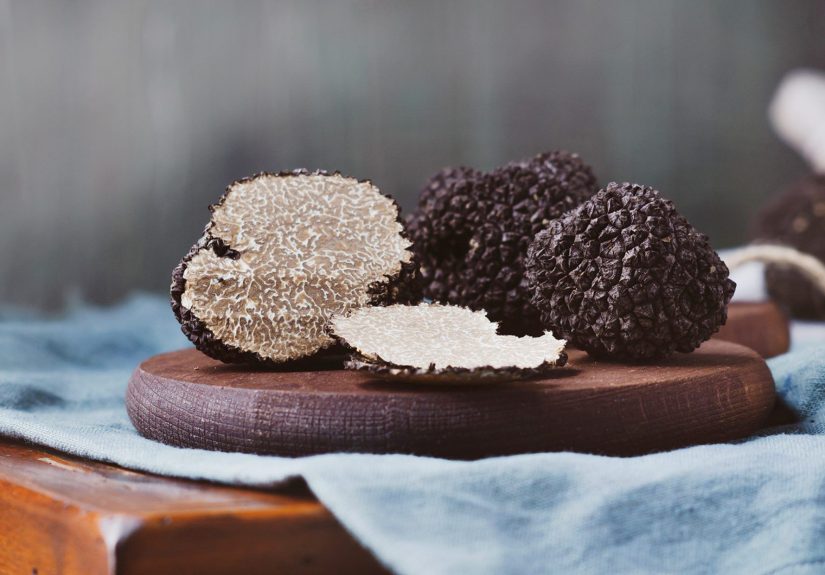
A truffle is an edible fungus that grows underground near the roots of certain trees. People often call it a “truffle mushroom,” but that phrase is a little casual. Truffles belong to the fungi kingdom like mushrooms do, yet they are different from the classic cap-and-stem mushrooms you see in the produce aisle. Instead of popping up above the soil, truffles develop below the surface in a close partnership with host trees such as oak, hazelnut, and sometimes pecan.
That underground lifestyle is a big part of their mystique. You cannot stroll through the woods, glance down, and casually spot a truffle doing its thing. It’s hidden. It has to be found by smell. And because humans are not famous for having bloodhound-level noses, truffle hunters usually rely on trained dogs to sniff them out.
Truffles are prized mostly for their aroma. Their scent is intense, earthy, musky, savory, and strangely captivating. Some people describe it as garlicky, nutty, woodsy, or even slightly funky. In food terms, that means a little can go a very long way. A few shavings over pasta, eggs, risotto, potatoes, or butter-rich dishes can transform the whole plate.
Are All Truffles the Same?
Not even close. “Truffle” is a broad culinary word, but different species vary in aroma, flavor, rarity, season, and price. That is one reason truffle shopping can feel less like buying produce and more like entering a small, fragrant stock market.
White truffles
White truffles, especially the famous Italian varieties, are generally the most expensive. Their aroma is powerful, sharp, and almost impossible to ignore. They are usually served raw, shaved over warm food right before eating so their fragrance stays front and center.
Black truffles
Black truffles, including the celebrated Périgord type, are also luxurious but usually a little more approachable than top white truffles. Their flavor is earthy, deep, and savory. They can be shaved fresh, gently warmed, or used in sauces, butter, and other rich dishes.
Oregon truffles
The Pacific Northwest is home to native edible truffles, including Oregon black and Oregon white truffles. They have their own distinct aroma profiles and are part of a growing American truffle conversation. They may not always fetch the same headline-grabbing prices as top European white truffles, but they are still serious culinary ingredients.
Pecan truffles and other American varieties
In the southeastern United States, pecan truffles are another example of how truffles are not just a European story. These native truffles grow in association with pecan trees and have attracted interest from growers, chefs, and researchers alike.
Where Do Truffles Grow?
Truffles are picky. That is putting it politely. They need the right host tree, the right soil chemistry, the right moisture, the right temperature pattern, the right microbial environment, and a good deal of luck. They are not the sort of ingredient that says, “Sure, I’ll make myself at home anywhere.”
Wild truffles are traditionally associated with parts of Europe, especially Italy and France, but they also grow in the United States. Oregon has a long-known native truffle scene, and cultivated truffle production has expanded in places such as North Carolina, California, Tennessee, Kentucky, Virginia, and beyond.
Even so, “can be grown” does not mean “easy to grow.” A truffle orchard is a slow, high-risk project. Growers typically plant tree seedlings whose roots have been inoculated with the desired truffle fungus. Then they wait. And manage. And test. And wait some more.
Why Are Truffles So Expensive?
Here is the short version: truffles are rare, hard to find, hard to grow, easy to damage, quick to lose quality, and adored by chefs and food lovers. That is basically the perfect recipe for a high price.
But the real answer is more interesting than that. Several forces pile up to make fresh truffles expensive.
1. They grow underground, so harvesting is a treasure hunt
Truffles do not advertise their location. Because they develop beneath the soil, harvesters need trained dogs to find mature truffles by scent. Once one is located, it must be dug up carefully so it is not damaged. This is specialized, hands-on work, not industrial-scale harvesting with a giant machine rolling through a field.
That careful harvesting also matters for quality. A mature truffle has better aroma and market value than an immature one, so skill and timing matter. In other words, this is not “grab a basket and go” produce picking. It is more like high-stakes fungus archaeology.
2. They require a very specific natural partnership
Truffles form a symbiotic relationship with certain tree roots. If that relationship is off, the truffle does not happen. If the soil pH is wrong, the drainage is poor, the competition from other fungi is too strong, or the climate misbehaves, the harvest can disappoint.
This biological specificity is one of the biggest reasons supply stays limited. You cannot simply plant truffle seeds in a raised garden bed next to your tomatoes and hope for the best. Truffles are not interested in your shortcuts.
3. Cultivation takes years, not weeks
Even cultivated truffles require a long runway. Truffle orchards may take several years before they produce anything commercially useful. Some guidance for growers notes that truffles can take anywhere from four to 12 years to mature after planting inoculated trees. That is a massive wait, especially compared with ordinary crops.
Think about the economics: land, irrigation, tree care, soil prep, testing, orchard management, and labor all cost money long before any truffle shows up to help pay the bills. By the time a successful harvest happens, the price reflects years of risk.
4. They are seasonal
Fresh truffles are not an everyday, all-season ingredient in the way onions or lemons are. Different species have different harvest windows, and some of the most coveted ones have short peak seasons. A narrow seasonal window means limited fresh supply, which pushes prices higher when demand is strong.
That seasonality also adds urgency. Buyers know the clock is ticking, and that tends to make premium products even more premium.
5. They are highly perishable
Fresh truffles are fragile little divas. Their aroma starts fading after harvest, which means storage, shipping, and timing are all critical. Even careful storage in the refrigerator only buys a short amount of time. That limited shelf life makes waste a real financial risk for sellers and buyers alike.
When something is expensive and won’t sit around patiently waiting for your weekend dinner plans, the price naturally climbs. Perishability narrows the window for sale and use, making every stage of the supply chain more delicate.
6. Demand is strong because the flavor is distinctive
Truffles are not pricey because they are bland status symbols. They are pricey because people genuinely chase their aroma. High-end restaurants, luxury retailers, specialty markets, chefs, and enthusiastic home cooks all compete for a limited supply of fresh, top-quality truffles.
The best ones can command eye-popping prices because their scent is unique and difficult to replicate. Plenty of ingredients are earthy or savory. Very few smell and taste quite like a fresh truffle shaved over warm food.
7. The best species bring luxury-level prices
Not all truffles cost the same, but top-tier white and black truffles can sell for hundreds or even thousands of dollars per pound depending on quality, origin, season, and market conditions. That premium pricing at the top influences how people view the whole category.
It also explains why species identification matters so much. Researchers in the United States have found that some growers aiming for one valuable truffle species were actually producing a similar-looking but less valuable one. When identification is tricky and quality differences affect the market, pricing stays complicated.
What Do Truffles Taste Like?
Truffles are famous for aroma first, flavor second. If you taste one expecting a plain mushroom flavor turned up by 10%, you will be surprised. They are more layered than that.
Black truffles tend to be earthy, woodsy, savory, and subtly chocolatey or nutty to some palates. White truffles are usually more pungent, with notes people describe as garlicky, musky, or funky in the best possible way. Oregon truffles and pecan truffles have their own distinct character, which is part of what makes the truffle world so interesting.
Because aroma is the star, truffles are usually paired with foods that do not compete too aggressively. Eggs, pasta, risotto, mashed potatoes, butter sauces, creamy cheeses, and mild meats act like backup singers letting the lead vocalist do the dramatic high note.
How Are Truffles Used in Cooking?
Fresh truffles are often shaved or grated over hot dishes right before serving. Heat helps release aroma, but too much cooking can mute what makes them special, especially with delicate varieties. That is why chefs tend to keep the preparation simple.
Classic pairings include:
- Scrambled eggs or omelets
- Fresh pasta
- Risotto
- Mashed potatoes
- Cream-based sauces
- Butter on toasted bread
- Steak finished with a small amount of truffle
The common thread is fat. Butter, cream, egg yolks, and cheese help carry aroma and make the truffle feel even more luxurious. It is not subtle, and that is the point.
Are Truffles Worth the Money?
That depends on what you mean by “worth it.” If you want the cheapest way to make dinner taste good, absolutely not. A roast chicken, a lemon, and enough salt can do marvelous things for much less money.
But if you care about singular food experiences, truffles make more sense. You are paying for rarity, timing, craftsmanship, and aroma that feels almost theatrical. A truffle is not an everyday pantry item; it is a fleeting experience ingredient. It is expensive for the same reason rare wine, saffron, and caviar can be expensive: the best versions are hard to produce, easy to desire, and difficult to replace.
So yes, truffles are expensive. Ridiculously expensive sometimes. But the price is not random. It reflects a food that is biologically unusual, labor-intensive, seasonal, perishable, and deeply tied to place.
What the Truffle Experience Is Actually Like
Here is the part people do not always talk about: buying or eating a real truffle feels different from buying almost any other ingredient. Not because it arrives wearing a crown, but because the whole experience has a built-in sense of urgency. The moment you get a fresh truffle home, you know the countdown has started.
For many first-time buyers, the experience begins with disbelief. You look at this odd little lumpsomewhere between a potato, a rock, and a forest secretand think, This costs how much? Then you smell it. That is usually when the skepticism softens. Fresh truffle aroma is powerful in a way that feels almost oversized for something so small. It does not smell like a standard mushroom. It smells deeper, darker, warmer, and stranger. That is the magic people are paying for.
Then comes the anxiety. Because once you own a truffle, you also inherit a tiny luxury emergency. You cannot toss it in the fridge for two weeks and circle back later. You start planning meals around it with the focus of a wedding coordinator. Suddenly eggs sound elegant. Pasta sounds necessary. Butter becomes a strategic partner.
The first shave of truffle over a warm dish is usually the moment the hype clicks. The heat lifts the aroma immediately, and the food changes before your eyesor at least before your nose. Something humble like scrambled eggs or mashed potatoes becomes restaurant-level dramatic. That contrast is part of the appeal. Truffles are often best with simple food because they do not need culinary acrobatics. They need a stage, not a competition.
There is also a funny emotional side to using truffles. Because they are expensive, people tend to get stingy with them. You tell yourself you will be generous, then shave a little and pause. Then a little more. Then maybe one more pass if you are feeling reckless. A fresh truffle can make a perfectly confident adult behave like a dragon guarding treasure.
And yet, the real lesson of the truffle experience is that hesitation is the wrong strategy. Truffles are best when enjoyed promptly and unapologetically. Their whole identity is tied to being fleeting. They are not meant to sit around as proof of your refined taste. They are meant to be used while they are glorious.
That is why truffle lovers talk less about volume and more about moments. The unforgettable bowl of pasta. The rich scrambled eggs on a cold morning. The buttery risotto that smelled incredible before it even reached the table. The point is not that truffles make every meal better forever. It is that, once in a while, they can make one meal feel unforgettable.
So when people ask why truffles cost so much, the honest answer is not just “because they are rare.” It is also because the full experience feels rare. From the way they are found to the way they are served, truffles deliver something that feels temporary, intense, and a little bit extravagant. They are not merely food. They are edible timing.
Final Thoughts
A truffle mushroom is one of the food world’s most fascinating luxuries: an underground fungus with a wildly distinctive aroma, a demanding growing process, and a price tag that makes total sense once you understand the backstory. Truffles are expensive because they are difficult to grow, difficult to find, quick to lose quality, and impossible to mistake for ordinary ingredients.
That said, their appeal is not just about status. Fresh truffles offer a real sensory experience, which is why chefs and serious food lovers keep chasing them. They turn simple dishes into memorable ones, and they do it with a few dramatic shavings instead of a long ingredient list.
So the next time you see truffle added to a menu for what feels like a mildly offensive upcharge, remember: you are not just paying for fungus. You are paying for rarity, timing, labor, and one of the most seductive aromas in the culinary world. Weird? Yes. Overpriced? Sometimes. Understandably expensive? Absolutely.






 Close
Close