
Table of Contents >> Show >> Hide
- What Is the Bugs Bunny “No” Meme?
- Where Did the Image Come From?
- Why Bugs Bunny Was Always Built for Meme Culture
- How the Meme Spread Online
- Why This One-Word Cartoon Meme Works So Well
- The Meme Is Funny Because It Feels Social
- What the Meme Says About Internet Humor
- Why Old Cartoons Keep Becoming New Memes
- Examples of How People Use the Bugs Bunny “No” Meme
- Experience Section: Why This Meme Feels So Familiar in Real Life
- Final Thoughts
- SEO Tags
Some memes arrive with a bang. Others stroll in, glance at the chaos, purse their lips, and deliver one . The Bugs Bunny “No” meme belongs firmly in the second category. It is simple, blunt, a little weird-looking, and hilariously effective. In the world of reaction images, that is basically a royal flush.
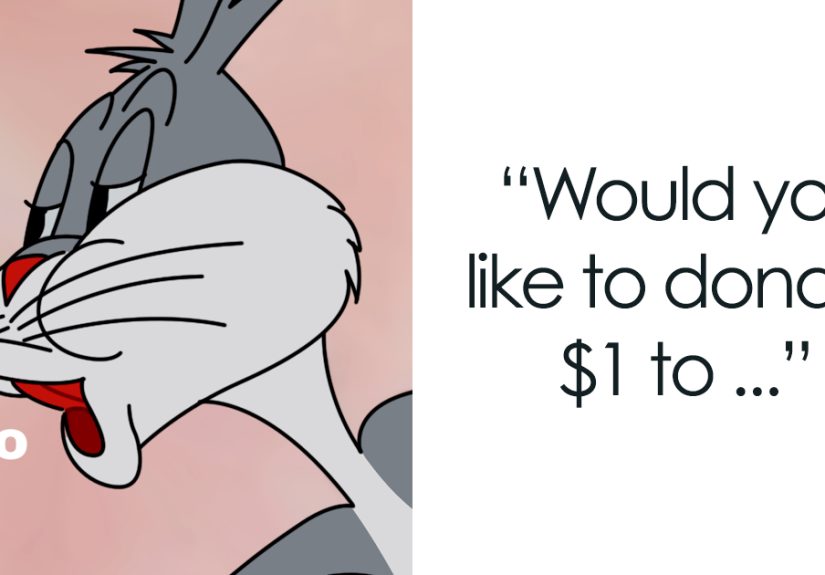
If you have spent any time online, you have probably seen it: a close-up of Bugs Bunny’s face paired with the caption “No”. That is the joke. That is also the genius. The image works as a fast, funny refusal when someone asks too much, says something ridiculous, or suggests an idea that deserves to be launched directly into the sun. It is one of those classic cartoon memes that proves internet humor does not always need paragraphs, deep lore, or a 17-slide explanation. Sometimes it just needs Bugs Bunny looking profoundly unconvinced.
But like many viral images, the meme has a longer story behind it. The face did not begin life as a modern reaction image. It came from the long and strange history of Looney Tunes, a studio system that built some of the most durable characters in American pop culture. And once the frame escaped its original context, the internet did what the internet does best: it cropped it, captioned it, and turned it into a universal emotional shortcut.
What Is the Bugs Bunny “No” Meme?
The Bugs Bunny “No” meme is a reaction image built around a close-up shot of Bugs Bunny making an odd, compressed facial expression. In most versions, the image is paired with the word “No” in plain text. The joke is not elaborate. That is exactly why it works. The meme expresses refusal, annoyance, disbelief, passive resistance, emotional exhaustion, and sometimes the kind of petty inner monologue that should probably stay unspoken but absolutely will not.
It is part of a broader family of internet reaction images: visuals people use as emotional shorthand instead of typing out a full response. Rather than writing, “I respectfully decline this terrible idea,” you post Bugs Bunny and let the rabbit do the labor. Efficient, elegant, and deeply online.
That economy matters. Great memes often compress a whole mood into a split second. The Bugs Bunny “No” meme feels like a tiny act of rebellion, delivered with cartoon confidence. It is not dramatic rage. It is not a thoughtful rebuttal. It is the internet equivalent of looking at a terrible suggestion, taking a sip of your drink, and saying, “Absolutely not.”
Where Did the Image Come From?
The still image most commonly associated with the meme is traced to the 1946 Looney Tunes short The Big Snooze. That detail is part of what makes the meme so charming. A frame from a mid-1940s cartoon found a second life in the age of smartphones, group chats, and doomscrolling. If that is not cultural recycling at its finest, what is?
The original shot was not created as a meme, of course. It was simply a moment in an animated short featuring Bugs Bunny, one of Warner Bros.’ most enduring characters. Bugs had already become a major figure in animation by the 1940s, but his staying power came from more than rabbit ears and carrots. He had attitude. He had timing. Most importantly, he had that cool, unbothered confidence that translates beautifully to internet culture.
That is a big reason the meme feels natural rather than forced. Bugs Bunny was practically born meme-ready. Even before the internet existed, he specialized in sarcasm, mockery, theatrical reactions, and perfectly timed expressions. He was a trickster with a Brooklyn-flavored swagger, the kind of character who could make a single facial expression feel like a complete sentence.
Why Bugs Bunny Was Always Built for Meme Culture
To understand why this image took off, it helps to understand Bugs himself. Bugs Bunny emerged from Warner Bros.’ golden age animation machine and became the studio’s wisecracking star. Unlike sweeter cartoon mascots built around innocence or squeaky cleanliness, Bugs was sharper around the edges. He was smart, irreverent, playful, and often funniest when responding to somebody else’s nonsense.
That last point matters a lot. Bugs is not usually funny because he is random. He is funny because someone provokes him, underestimates him, or behaves like a first-rate fool. Then he responds with a prank, a line, a disguise, or a look that says, “You really chose this path?” That structure is very close to how reaction memes work online. Someone posts chaos; the reaction image arrives to puncture it.
In other words, Bugs Bunny’s personality maps almost perfectly onto internet behavior. He is witty without being formal, dismissive without needing a speech, and theatrical without losing clarity. He can be smug, but it is usually earned. The meme inherits all of that energy in one still frame.
How the Meme Spread Online
Like many internet images, the Bugs Bunny “No” meme did not become famous all at once. The image circulated online before the now-standard caption took hold. Earlier versions appeared as image posts, including uses that leaned into the strange expression itself. Over time, the image became more cropped, more focused, and more directly captioned. Then the meme hit its sweet spot: one face, one word, maximum effect.
That is often how meme evolution works. The internet trims away extra context until only the most reusable version remains. In this case, the final format was extremely portable. You could slap it onto almost any situation:
App notification: “Please enable all alerts forever.”
Me: Bugs Bunny “No.”
Friend: “Want to join a 6 a.m. meeting on your day off?”
Me: Bugs Bunny “No.”
Streaming service: “Are you still watching?”
Also me, somehow offended: Bugs Bunny “No.”
That flexibility is gold in meme culture. A reusable reaction image thrives because people can adapt it to everyday annoyances, social commentary, work stress, relationship drama, and petty digital grievances. The Bugs Bunny “No” meme is broad enough to fit many scenarios but specific enough to stay recognizable. That balance is hard to achieve, and it is why the meme stuck.
Why This One-Word Cartoon Meme Works So Well
1. The expression is weird in the best way
Perfect reaction images are rarely too polished. The Bugs frame has a slightly awkward, compressed look that makes it feel more human, not less. It captures a tiny burst of discomfort, rejection, and comic judgment all at once. It is not a glamorous refusal. It is a mildly cursed refusal. That helps.
2. The caption is brutally efficient
The word “No” does not waste time. It is immediate, blunt, and universal. A lot of memes require setup. This one does not. Even someone who has never seen the original cartoon can understand the format in two seconds.
3. Bugs Bunny carries decades of cultural baggage in a good way
People already know Bugs Bunny. Even if they have never watched The Big Snooze, they know the general vibe: witty, rebellious, playful, and unimpressed by nonsense. The meme borrows all of that character history for free.
4. It functions as emotional shorthand
Online communication rewards speed. Reaction images and GIFs work because they let people express tone quickly. Bugs Bunny “No” is not just a joke image; it is a compact emotional tool.
The Meme Is Funny Because It Feels Social
One reason the meme has lasted is that it feels conversational. It behaves like a response you would actually make in a text thread, a comment section, or a group chat full of people who share the same exhausted sense of humor. It is not trying to be an epic statement. It is performing a tiny social move: refusal with style.
That is why classic cartoon memes often age well. Animation gives creators exaggerated faces and readable body language that remain legible across generations. A live-action reaction image may depend on knowing the actor, the scene, or the context. But a cartoon face can often communicate instantly, even when pulled far away from its original story.
Looney Tunes is especially good at this. The franchise was built on timing, caricature, and instantly readable reactions. Long before the internet turned visual media into a library of reusable responses, Looney Tunes artists were already creating expressions designed to land in a fraction of a second. The meme is just a new delivery system for old visual craftsmanship.
What the Meme Says About Internet Humor
The Bugs Bunny “No” meme also reflects a larger shift in how online humor works. A lot of modern meme culture values compression: fewer words, faster recognition, stronger emotional punch. A reaction image is almost like a tiny social symbol. People do not need a full explanation because the format itself carries the meaning.
That is why the meme can work across platforms. It fits Reddit humor, Tumblr irony, Facebook caption jokes, X replies, Discord banter, and text-message sarcasm. The format is low-friction and highly adaptable. It does not require elaborate editing skills or obscure references. All it needs is bad news, a ridiculous prompt, or one truly unreasonable request from a coworker.
It also taps into a very modern flavor of humor: the joy of flat refusal. Online life is full of demands to click, buy, join, subscribe, react, optimize, answer, smile, and pretend to love productivity hacks. Against all that noise, a one-word meme can feel weirdly satisfying. Bugs Bunny is not arguing. He is not negotiating. He is simply opting out.
Why Old Cartoons Keep Becoming New Memes
The success of the Bugs Bunny “No” meme is part of a bigger pattern. Old cartoons continue to supply the internet with fresh material because they were designed around visual clarity and memorable exaggeration. Their expressions read instantly. Their characters are iconic. And their emotional beats can survive the trip from movie theater to television to social media without falling apart.
Bugs Bunny, in particular, has never fully left the culture. He has moved through theatrical shorts, television reruns, compilation releases, streaming libraries, spin-offs, and modern revivals. That continuity matters. A meme works better when the source character still feels alive in public memory. Bugs is not an obscure relic; he is a multigenerational icon who can still show up and steal the joke.
There is also something delightful about the timeline. A character sharpened by animation legends in the 1940s becomes the face of a digital-age reaction image used to reject app pop-ups and terrible takes. It is absurd, but in the most satisfying way. Internet culture loves remixing the past, and Bugs Bunny is a dream source because he arrived preloaded with attitude.
Examples of How People Use the Bugs Bunny “No” Meme
Here are some of the most common ways the meme appears online today:
At work: Used to reject pointless meetings, surprise deadlines, and “quick” tasks that are never quick.
In dating jokes: Used when someone’s standards are too low, too high, or shaped like a flaming dumpster.
In pop culture commentary: Used to dismiss bad reboots, painful plot twists, and suspicious brand decisions.
In everyday life humor: Used for fitness plans, alarm clocks, awkward invitations, and any situation involving unnecessary effort before coffee.
As self-aware comedy: Used when people know they should do something healthy, productive, or mature, but choose chaos instead.
The beauty of the meme is that it can be mean without being vicious, playful without being childish, and dismissive without requiring a full rant. It is a tiny comic veto button.
Experience Section: Why This Meme Feels So Familiar in Real Life
Part of the reason the Bugs Bunny “No” meme has such staying power is that it mirrors everyday experiences almost perfectly. Most people do not walk around delivering grand speeches when life becomes annoying. They make a face. They hesitate. They reject something with half a laugh and a full dose of disbelief. That is the emotional lane this meme lives in, and that is why it feels less like a joke format and more like a tiny documentary of modern life.
Think about the average day online. Before lunch, you might get a calendar invite that could have been an email, an app notification asking you to turn on more notifications, a sale countdown that has allegedly been ending for three weeks, and a friend sending you a message that begins with “Can I ask you a small favor?” Nobody needs a long essay to respond to that stack of nonsense. What they need is Bugs Bunny making that face.
That is also why the meme thrives in group chats. Group chats are emotional pressure cookers with GIFs. Someone proposes a weekend plan that involves waking up too early, driving too far, spending too much, and pretending this all sounds relaxing. A typed “no” can seem rude. A Bugs Bunny “No” image, however, lands like friendly protest. It says, “I reject this suggestion, but I would still like snacks.” That is a useful social skill.
The meme also fits work culture in a painfully accurate way. There is something almost poetic about using a cartoon rabbit from the 1940s to respond to modern corporate nonsense. “Let’s circle back.” Bugs Bunny “No.” “Can everyone stay five minutes after the meeting?” Bugs Bunny “No.” “We are a family here.” Bugs Bunny “No,” and now the rabbit has become a labor organizer.
On a more personal level, the meme captures the inner monologue many people have with themselves. It works when you are arguing with your own worst impulses. “Should I start a complicated project at 11:47 p.m.?” Bugs Bunny “No.” “Should I text my ex because Mercury is doing cartwheels?” Bugs Bunny “No.” “Should I order expensive takeout after saying I would cook?” Well, the rabbit may object, but history suggests the takeout might still win.
There is something comforting about that flexibility. The meme can be sarcastic, but it can also be protective. It helps people draw tiny boundaries in funny ways. Not every refusal needs a manifesto. Sometimes a cartoon face gets the job done. And in a digital environment where everyone is constantly asked to respond, participate, explain, and perform, even a silly meme can feel like a small act of sanity.
That may be the real secret behind the Bugs Bunny “No” meme. It does not just make people laugh. It gives them a shared language for everyday resistance. It turns ordinary annoyance into a recognizable joke. It lets people admit, without too much drama, that they are tired, skeptical, unconvinced, or simply not in the mood. Bugs Bunny becomes a stand-in for that universal feeling: the moment when your brain looks at a situation and says, with great dignity and a little pettiness, “No.”
Final Thoughts
The Bugs Bunny “No” meme is a perfect example of how internet culture revives old media in smart, funny ways. A frame from a vintage Looney Tunes short became a modern reaction image because it already contained the ingredients of a great meme: a famous character, a readable expression, flexible meaning, and a punchy emotional payoff.
It also reminds us that classic animation still matters. Bugs Bunny was never just a cartoon mascot. He was a personality machine built for timing, attitude, and visual clarity. The internet did not invent that power. It simply found a new use for it.
And honestly, that feels right. In an age of endless bad ideas, overcomplicated discourse, and notifications that refuse to die, perhaps the best response really is a 1940s rabbit staring into the void and saying one beautiful, evergreen word: No.
SEO Tags
Note: This article is written for web publication in standard American English and contains body-only HTML for easy copying.




 Close
Close