
Table of Contents >> Show >> Hide
- What Counts as “Unexplained” Weight Loss?
- How Diabetes Can Cause Unexplained Weight Loss
- Type 1 vs. Type 2 Diabetes: How Weight Loss Shows Up
- Other Symptoms That Travel with Weight Loss
- When Is Unexplained Weight Loss an Emergency?
- Other Possible Causes of Unintentional Weight Loss
- What to Do If You Notice Unexplained Weight Loss
- Living with Diabetes and a Healthy Weight
- Key Takeaways
- Conclusion
- Experiences and Practical Insights: Living Through Unexplained Weight Loss and Diabetes
If your jeans suddenly fit like you secretly joined a gym you don’t remember signing up for, it’s time to pause. Losing a few pounds on purpose is great. Losing noticeable weight without trying? That’s a different story and it can be one of the early clues that diabetes is lurking in the background.
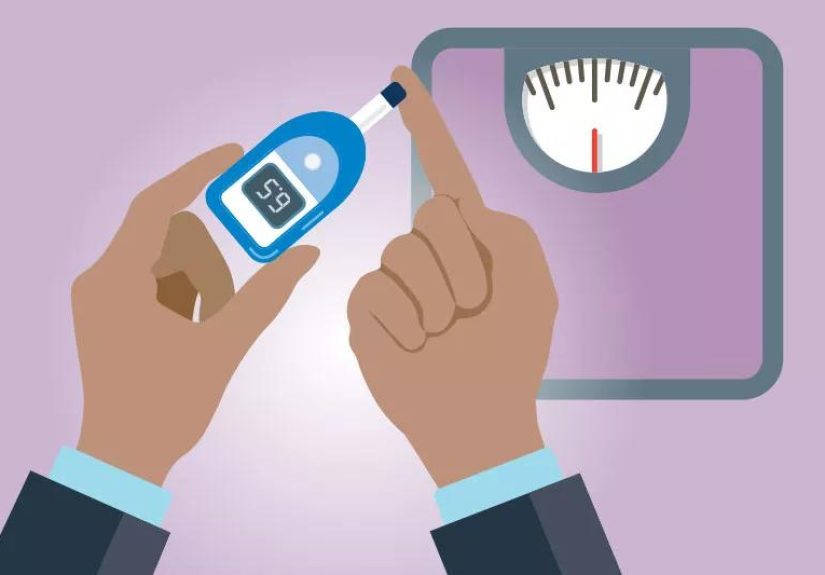
Unexplained weight loss and diabetes are closely linked, especially in type 1 diabetes and in uncontrolled type 2 diabetes. Understanding why this happens, what other symptoms to watch for, and when to call your doctor can help you catch serious health issues sooner rather than later.
What Counts as “Unexplained” Weight Loss?
Not every small fluctuation on the scale is a crisis. Weight naturally goes up and down a bit with salty meals, hormonal changes, and how much water you drank. Health experts generally get concerned when:
- You lose more than 5% of your body weight over 6–12 months, and
- You weren’t trying to lose weight (no big diet, no major exercise changes).
For example, if you weigh 180 pounds and drop 9–10 pounds without changing your routine, that’s considered significant. If that loss happens over just a few weeks especially with other symptoms like thirst or peeing a lot it deserves prompt medical attention.
Unintentional weight loss has many possible causes: overactive thyroid, cancer, digestive disease, chronic infections, depression, and, yes, diabetes. The point isn’t to diagnose yourself; it’s to recognize that your body is waving a bright red flag, not giving you a free makeover.
How Diabetes Can Cause Unexplained Weight Loss
To understand the connection between sudden weight loss and diabetes, it helps to know what insulin is supposed to do.
Insulin 101: Your Body’s “Key” for Glucose
Glucose (sugar) from your food is your body’s main fuel. Insulin is the hormone that helps move that glucose out of your bloodstream and into your cells so they can actually use it for energy.
- In type 1 diabetes, your body doesn’t make enough (or any) insulin.
- In type 2 diabetes, your body doesn’t use insulin properly (insulin resistance), and over time may not make enough either.
Without effective insulin, glucose builds up in your bloodstream instead of feeding your cells. Your body is surrounded by food but can’t use it properly like having money in the bank but no debit card.
The Weight-Loss Chain Reaction
When your cells are starving for energy, your body starts looking elsewhere:
- Calorie loss through urine: Extra glucose is dumped into your urine. Wherever sugar goes, water follows. You pee more, lose fluid, and literally flush calories down the toilet.
- Burning fat and muscle: To make up for the lack of usable glucose, your body breaks down stored fat and even muscle for energy. That’s when you see noticeable weight loss, even if you’re eating more than usual.
- Dehydration and muscle loss: Losing both fluid and muscle mass can make the weight drop look dramatic and unhealthy.
This is why unexplained weight loss is such an important warning sign for diabetes. Your body isn’t “finally cooperating”; it’s struggling to get fuel.
Type 1 vs. Type 2 Diabetes: How Weight Loss Shows Up
Unexplained weight loss can appear with both major types of diabetes, but the patterns are a bit different.
Type 1 Diabetes: Sudden and Dramatic
In type 1 diabetes, the pancreas produces little or no insulin. Symptoms often come on quickly, over days to weeks. Classic signs include:
- Rapid or significant weight loss
- Extreme thirst
- Frequent urination (especially at night)
- Constant hunger
- Fatigue and sometimes irritability
Many people with newly diagnosed type 1 diabetes report losing 10, 15, or even 20 pounds without trying, often while feeling hungrier than usual. Because type 1 can progress quickly and lead to diabetic ketoacidosis (DKA), this type of weight loss is always an urgent red flag.
Type 2 Diabetes: Sometimes Silent, Sometimes Slimming
Type 2 diabetes tends to develop gradually. Many people are overweight or obese at diagnosis and may not notice early weight changes.
However, in uncontrolled type 2 diabetes especially when blood sugar levels are very high some people experience moderate, unexplained weight loss. The same mechanism applies: glucose is wasted in the urine, and the body starts burning fat and muscle for fuel.
Because type 2 diabetes can stay hidden for years, unexplained weight loss in an adult who is eating normally (or even more than usual) can be an important clue that triggers testing.
Other Symptoms That Travel with Weight Loss
On its own, weight loss could be from many things. But when you pair it with other classic diabetes symptoms, the picture gets clearer. Common signs include:
- Frequent urination: Getting up multiple times at night or suddenly needing the bathroom constantly.
- Excessive thirst: Feeling like you can’t drink enough water, no matter how much you sip.
- Increased hunger: You’re eating more than usual but still don’t feel satisfied.
- Fatigue: Feeling drained, weak, or sleepy, even after a full night’s rest.
- Blurred vision: Things seem fuzzier than normal, especially when blood sugar is high.
- Slow-healing cuts or frequent infections: Especially skin, gum, or vaginal infections.
- Numbness or tingling in hands or feet: A sign of possible nerve irritation from high blood sugar over time.
If you’ve got unexplained weight loss plus several of these symptoms, that’s your cue to contact a health care provider ASAP and ask about testing for diabetes.
When Is Unexplained Weight Loss an Emergency?
Sometimes, weight loss is more than just a “see your doctor soon” issue it can be part of a dangerous medical emergency.
Watch for Diabetic Ketoacidosis (DKA)
In people with type 1 diabetes (and occasionally in type 2), severely low insulin levels can cause diabetic ketoacidosis. This happens when the body breaks down fat at such a high rate that acids called ketones build up in the blood.
Signs of possible DKA include:
- Rapid, unexplained weight loss
- Very high blood sugar (if you can check it)
- Nausea, vomiting, or abdominal pain
- Deep, rapid breathing
- Fruity or sweet-smelling breath
- Confusion, extreme tiredness, or difficulty staying awake
If these symptoms appear, especially with known diabetes or strong suspicion of diabetes, seek emergency medical care right away. This is not a “wait and see” situation.
Other Possible Causes of Unintentional Weight Loss
Diabetes is a big one, but it’s not the only explanation. Other conditions that can lead to unexplained weight loss include:
- Overactive thyroid (hyperthyroidism) – speeds up your metabolism.
- Certain cancers – may affect appetite, metabolism, or nutrient absorption.
- Digestive disorders – such as celiac disease, Crohn’s disease, or chronic pancreatitis.
- Chronic infections – like tuberculosis or HIV.
- Mental health conditions – including depression, anxiety, or eating disorders.
That’s why it’s crucial not to assume “It must be diabetes” or “It’s probably nothing.” Your health care provider will look at the full picture symptoms, exam, and lab tests to figure out what’s really going on.
What to Do If You Notice Unexplained Weight Loss
1. Don’t ignore it or chalk it up to luck
It’s tempting to think, “Hey, free weight loss!” But if the loss is significant and unplanned, your body may be signaling a problem. Take it seriously, even if you feel mostly okay.
2. Track your numbers
If possible, write down:
- Your usual weight and current weight
- When you first noticed the change
- Any other symptoms thirst, frequent urination, fatigue, vision changes, infections
This information helps your provider decide which tests to run.
3. Make an appointment with a health care provider
Let the office know you’re calling about unintentional weight loss plus any other symptoms. They may order blood work such as:
- Fasting blood glucose
- A1C (hemoglobin A1C)
- Random blood glucose
- Additional tests based on your symptoms (thyroid tests, imaging, etc.)
Getting checked early can prevent serious complications and often leads to much better long-term outcomes.
4. Avoid self-adjusting diabetes meds
If you already have diabetes and are losing weight unexpectedly, do not skip insulin or change your medication dose on your own in hopes of “using less” or “staying thinner.” Intentionally underdosing insulin to lose weight is dangerous and is considered an eating disorder in itself (sometimes called “diabulimia”). Always talk to your diabetes care team before changing any medication.
Living with Diabetes and a Healthy Weight
Once diabetes is diagnosed and treated, many people stop losing weight so quickly. In fact, some gain weight back as their body starts properly using glucose again. From there, the goal is healthy, sustainable weight management, not rapid swings up or down.
Safe Weight Management Strategies with Diabetes
- Follow a balanced eating pattern: Think plenty of vegetables, lean protein, high-fiber carbs, and healthy fats. Aim for steady, balanced meals rather than big sugar spikes and crashes.
- Stay active: Regular movement walking, cycling, strength training, or dancing in your kitchen helps your body use insulin more effectively.
- Monitor blood sugar: Work with your provider to monitor how food, exercise, and medication affect your levels.
- Check in regularly: Routine visits with your care team help fine-tune your treatment and catch problems early.
Weight changes in diabetes aren’t just about appearance; they’re about how effectively your body is using energy. The goal is to feel strong, energized, and stable not to chase dramatic drops on the scale.
Key Takeaways
- Unexplained weight loss especially more than 5% of your body weight over 6–12 months is a sign to get checked.
- Diabetes can cause rapid, unintentional weight loss when your body can’t use glucose properly and starts burning fat and muscle instead.
- Weight loss plus symptoms like thirst, frequent urination, fatigue, or blurred vision should prompt testing for diabetes.
- Sometimes unexplained weight loss signals other serious conditions, so a proper evaluation is essential.
- If you already have diabetes and lose weight unexpectedly, talk to your care team. Do not change your medications on your own.
Important: This article is for education only and is not a substitute for personal medical advice. If you’re experiencing unexplained weight loss or any worrisome symptoms, contact a health care professional promptly.
Conclusion
Unexplained weight loss can feel like a strange “bonus,” but when diabetes is involved, it’s really a warning that your body isn’t getting the fuel it needs. The good news: paying attention to early signs and getting tested can help you start treatment before serious complications develop.
Your future self will thank you for making that phone call to your doctor today even if your current self really likes how those jeans fit.
SEO Summary
sapo: Losing weight without changing your diet or exercise routine might sound like a dream until you realize your body could be telling you something’s wrong. Unexplained weight loss is a common early warning sign of diabetes, especially when it shows up with constant thirst, frequent bathroom trips, and relentless fatigue. In this in-depth guide, we break down how diabetes causes unintentional weight loss, how to spot other key symptoms, when it’s an emergency, and what to do next so you can protect your health instead of celebrating a scary “mystery” drop on the scale.
Experiences and Practical Insights: Living Through Unexplained Weight Loss and Diabetes
Statistics and hormone charts are helpful, but real-life experiences bring this topic into focus. While the following stories are composite examples (the details are changed to protect privacy), they reflect common patterns that diabetes educators and clinicians see over and over.
“I Thought My New Job Was Just Stressful”
Alex, 32, blamed everything on work. Long hours, more coffee than water, and grabbing whatever food was available at odd hours. When friends commented on how much slimmer he looked, he brushed it off as “finally losing that pandemic weight.”
Over three months, Alex dropped nearly 20 pounds without trying. He also noticed he was waking up two or three times a night to pee and feeling like his mouth was made of sandpaper. He assumed it was just the extra coffee and stress.
What finally pushed him to see a doctor? One night, he got up so many times to use the bathroom that he barely slept, then felt shaky and exhausted at a morning meeting. A coworker quietly said, “You should get your blood sugar checked. My brother’s diabetes started with those same symptoms.”
Alex’s blood work showed very high blood sugar and an A1C level consistent with type 1 diabetes. He was shocked he thought diabetes only happened to older people or those who were overweight. Starting insulin was a big adjustment, but within weeks, his weight stabilized, his energy returned, and those endless bathroom trips became rare again.
Takeaway: You don’t have to “look like” the stereotype of diabetes to have it. Unexplained weight loss plus thirst and frequent urination can be a serious warning at any age.
“I Wanted to Lose Weight, But Not Like This”
Maria, 55, had been trying to lose weight for years. When the scale suddenly started dropping, she was thrilled at first. Ten pounds gone in two months, then five more in the next few weeks. Strange thing was, she hadn’t actually changed her eating or exercise.
At the same time, she felt more tired than usual and noticed her vision getting a bit blurry by the afternoon. She chalked it up to aging and long hours on the computer. The turning point came when a small cut on her foot refused to heal and started to look slightly infected.
At her clinic visit, her provider checked her blood sugar “just in case.” The result was much higher than normal, and additional testing confirmed type 2 diabetes. Looking back, the signs were all lined up: unexplained weight loss, fatigue, blurry vision, and slow-healing skin issues.
With medication, nutrition counseling, and daily walks, Maria’s blood sugar came under control. Her weight leveled out she didn’t keep losing at that alarming rate, but she did continue to lose slowly and safely with lifestyle changes.
Takeaway: If you’ve wanted to lose weight, it’s tempting to celebrate a sudden drop. But if it’s happening without effort, it’s worth asking why especially if other symptoms are tagging along.
“Already Have Diabetes? Don’t Ignore New Weight Loss”
For people already living with diabetes, unexplained weight loss can be especially confusing. Some assume it means their blood sugar is “finally under control.” Unfortunately, it can mean the opposite.
Consider someone with type 2 diabetes who stops taking insulin or other medications regularly because they’re worried about weight gain. They might notice the scale moving down and short-term, that might feel like a win. But in many cases, this kind of weight loss is driven by high blood sugar, dehydration, and breakdown of muscle and fat. It can lead to serious complications and, over time, worse health outcomes.
If you have diabetes and notice sudden weight changes, it’s important to talk to your care team. They can look at your blood sugar patterns, medications, and diet to figure out whether the change is healthy or a sign that something is off.
Takeaway: With diabetes, not all weight loss is good weight loss. Safe, intentional weight loss is slow and supported by your care team not sudden and unexplained.
How Families and Friends Can Help
Sometimes, the person losing weight doesn’t notice the change as quickly as the people around them. Clothes get looser gradually; you see yourself every day in the mirror. Loved ones often spot the shift first.
If you’re worried about someone close to you, try:
- Gently mentioning what you’ve noticed: “I’ve noticed you’ve lost quite a bit of weight lately is everything okay?”
- Asking about other symptoms: “Have you been thirstier or more tired than usual?”
- Encouraging a checkup: “It might be a good idea to get this checked out, just to be safe.”
- Offering support: “If you want, I can go with you to the appointment.”
You don’t need to diagnose anyone. Just being observant and supportive can make a huge difference in getting them evaluated sooner.
Listening to Your Body (Even When Life Is Busy)
Modern life makes it easy to ignore our bodies. We blame fatigue on work, thirst on too much coffee, and weight changes on “getting older.” But your body almost never sends big signals for no reason.
If the scale is dropping and you can’t explain why, think of it as a message: “Please investigate.” It doesn’t automatically mean diabetes but it definitely means it’s time for a professional opinion.
Bottom line: unexplained weight loss and diabetes are closely connected, but the real goal is not just naming the condition; it’s protecting your long-term health. Early testing, open conversations with your care team, and paying attention to your body’s clues can turn a scary mystery into a manageable plan.







 Close
Close