
Table of Contents >> Show >> Hide
- What Are Two-Tone Cabinets, Really?
- Why Two-Tone Kitchen Cabinets Are Trending
- The Best Two-Tone Cabinet Ideas to Try
- How to Choose the Right Two-Tone Cabinet Colors
- Where Two-Tone Cabinets Work Best
- Common Mistakes to Avoid
- Are Two-Tone Cabinets Still in Style?
- Design Experience: What Two-Tone Cabinets Feel Like in Real Life
- Conclusion
- SEO Tags
If your kitchen has been whispering, “Please stop making me look like every beige listing photo on the internet,” two-tone cabinets may be your sign from the design gods. This cabinet trend is having a very deserved moment, and for good reason. It gives you color, contrast, personality, and a custom look without demanding that you turn your kitchen into a neon experiment gone wrong.
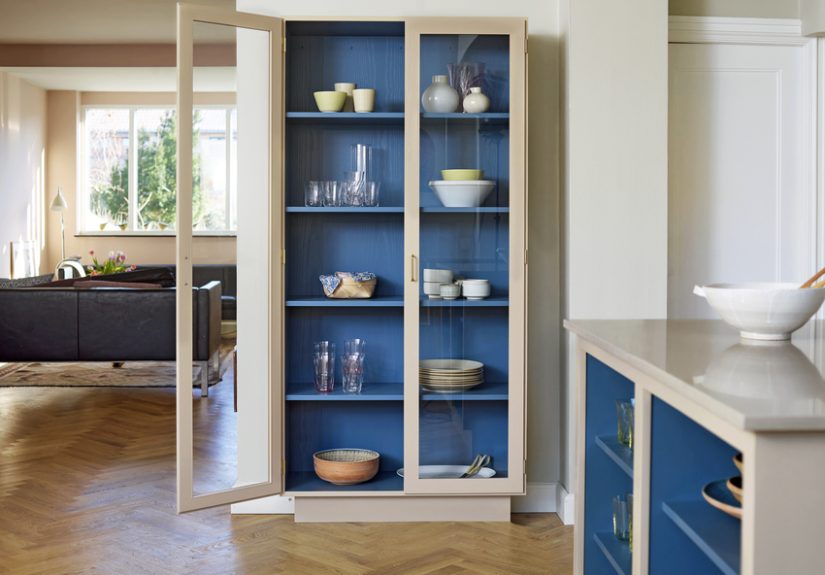
Two-tone kitchen cabinets are exactly what they sound like: cabinetry finished in two different colors, tones, or materials. Think creamy upper cabinets paired with deep green lowers. Or warm oak bases with crisp white uppers. Or a painted island that acts like the stylish friend who somehow looks effortless in every group photo. The beauty of the look is that it feels creative without becoming chaotic. For homeowners who want more than a plain all-white kitchen but less than a full-blown color circus, it hits the sweet spot.
And that is exactly why this trend keeps showing up in beautifully remodeled kitchens. It works in modern spaces, farmhouse kitchens, transitional homes, compact city kitchens, and even classic layouts that just need a little fresh energy. Better yet, two-tone cabinets can make a kitchen feel brighter, warmer, more layered, and more expensive than it actually was to update. That is the kind of math people like.
What Are Two-Tone Cabinets, Really?
At the simplest level, two-tone cabinets use two finishes in one kitchen. The most common approach is lighter upper cabinets and darker lower cabinets. Another favorite is keeping the perimeter cabinets neutral and painting the island in a contrasting shade. A third option mixes painted cabinetry with natural wood, which adds warmth and keeps the room from feeling flat.
The reason this works so well is visual balance. Upper cabinets sit at eye level and affect how open a kitchen feels, so lighter finishes help the room stay airy. Lower cabinets can handle more drama because they ground the space. Deep blue, charcoal, olive, espresso, or walnut tones on the bottom can bring richness without making the whole kitchen feel heavy.
In other words, two-tone cabinets let you flirt with color without eloping with it.
Why Two-Tone Kitchen Cabinets Are Trending
The rise of two-tone cabinets is tied to a bigger shift in kitchen design. Homeowners are moving away from spaces that feel overly polished, overly uniform, and a little too safe. Today’s kitchens are expected to look lived in, layered, warm, and personal. People still want timeless design, but they also want a kitchen with a pulse.
That is where two-tone cabinetry shines. It gives a room dimension. It helps break up long walls of cabinets. It creates contrast in open-concept homes where the kitchen needs to feel intentional rather than like one long row of storage boxes. It also helps homeowners introduce trending colors in a more controlled way. If you love sage green but do not want to live inside a giant sage crayon, pair it with warm white or natural wood and suddenly it feels refined.
Another reason the trend sticks around is practicality. Lower cabinets take more abuse from shoes, pets, backpacks, rogue mops, and whatever sticky thing life produced this week. Deeper colors and wood tones tend to hide everyday wear better than bright white bases. So yes, this trend is pretty, but it also understands that kitchens are actual working spaces, not just backdrops for lemon bowls and passive-aggressive cookbooks.
The Best Two-Tone Cabinet Ideas to Try
1. White Uppers and Dark Lower Cabinets
This is the classic gateway into two-tone kitchen design. White or off-white uppers keep the room feeling open, while navy, charcoal, black, or forest green lowers add depth. It is crisp, versatile, and easy to style with mixed metals, natural wood stools, and stone countertops. If you want contrast without chaos, start here.
2. Warm Neutrals Paired With Wood
One of the most sophisticated versions of the trend mixes painted cabinets with natural wood. Think creamy uppers and white oak lowers, or mushroom-toned perimeter cabinets with a walnut island. This approach feels current because it brings warmth and texture into the room. It also avoids the sometimes cold, overly sharp look that can happen in kitchens with too much white and not enough natural material.
3. Sage Green and Cream
For the color curious who are not trying to scare themselves before coffee, sage green is a smart move. It feels earthy, calm, and flexible. Pair it with cream rather than stark white if you want the kitchen to feel softer and more inviting. Add aged brass hardware and suddenly the room looks like it has its own playlist.
4. Navy and White
Navy remains one of the most reliable cabinet colors because it acts like a color without behaving like a diva. It is bold, but still classic. Paired with white uppers, it creates a kitchen that feels clean and grounded. It works especially well with marble-look counters, brushed nickel, warm brass, or matte black accents.
5. The Painted Island Only
If you like the two-tone idea but are not ready to repaint half your kitchen, start with the island. A blue, green, black, or warm taupe island can make the entire kitchen feel more custom. It adds contrast, creates a focal point, and is often the easiest place to test a stronger color without committing to every cabinet door in the room.
6. Tone-on-Tone Pairings
Not all two-tone cabinets need high drama. One of the most elegant approaches is using two shades from the same color family. A light greige on top and a deeper mushroom on the bottom can create depth without a sharp split. This is ideal for homeowners who want a layered kitchen without obvious contrast.
How to Choose the Right Two-Tone Cabinet Colors
Choosing cabinet colors is less about bravery and more about coordination. The secret is not picking two colors you like in isolation. It is picking two finishes that actually enjoy living together.
Match the Undertones
This is where many cabinet dreams go to die. A creamy warm white and a cool blue-gray can fight each other if their undertones clash. Before you commit, look at your flooring, backsplash, countertops, and wood tones. Are they warm, cool, or somewhere in between? Your cabinet colors should feel like they belong in that same conversation.
Decide Which Tone Is the Star
Two-tone design works best when one finish leads and the other supports. If both colors are equally loud, the room starts yelling. A soft neutral paired with one richer shade usually feels more balanced than two attention-seeking colors competing for screen time.
Repeat the Accent Elsewhere
If your lower cabinets are green, bring that green back in a subtle way through textiles, bar stools, art, or plants. If your island is navy, echo the depth with lighting or a darker range hood. Repetition makes the design feel intentional rather than random.
Keep Busy Surfaces in Check
When cabinets are doing more visual work, counters and backsplashes should not audition for their own spinoff series. A heavily patterned countertop and a dramatic backsplash can overwhelm the look. Often, the most successful two-tone kitchens pair cabinet contrast with simpler surrounding surfaces.
Where Two-Tone Cabinets Work Best
Small Kitchens
Yes, this trend can work in small kitchens. In fact, it often works beautifully. Lighter uppers keep the room from feeling boxed in, while darker lowers create definition. The trick is to avoid going too dark on every surface at once. If the kitchen is compact, keep the ceiling, walls, and upper cabinets bright enough to bounce light around.
Open-Concept Layouts
In open layouts, two-tone cabinets help the kitchen feel designed rather than dropped into the room as an afterthought. A contrasting island can anchor the space and give the kitchen its own identity without chopping up the floor plan.
Traditional and Transitional Kitchens
Two-tone cabinets are not just for sleek modern kitchens. They work especially well in transitional and traditional spaces because they bring freshness to classic cabinetry styles like Shaker fronts. If your kitchen has timeless bones, a two-tone finish can modernize it without erasing its character.
Sculleries, Pantries, and Secondary Spaces
Want to be braver? Use stronger color in a pantry, prep kitchen, or coffee nook. This lets the main kitchen stay calm while a smaller adjacent zone delivers the drama. It is like wearing a neutral outfit with unexpectedly fantastic shoes.
Common Mistakes to Avoid
Going too trendy too fast. Bright, highly specific colors can be fun, but they are harder to live with long term. If resale matters or commitment issues are part of your personality, anchor the kitchen with timeless finishes and use color strategically.
Ignoring fixed finishes. Cabinets do not exist in a vacuum. Flooring, counters, hardware, and wall color all affect the final look. A gorgeous paint chip means nothing if it fights your countertop for custody of the room.
Using too much contrast without enough connection. Black lowers and bright white uppers can be stunning, but only if there are other elements in the room tying them together. Wood accents, hardware, lighting, or shelving can help bridge the gap.
Forgetting about maintenance. Matte finishes, certain dark paints, and heavily grained woods can all behave differently in real life. A kitchen is not a museum exhibit. Pick finishes that can handle fingerprints, splashes, and the occasional cooking adventure that started confidently and ended with takeout.
Are Two-Tone Cabinets Still in Style?
Yes, absolutely, but the look has matured. The newer version of the trend feels warmer, softer, and more natural than the high-contrast black-and-white kitchens that dominated social media for a while. Today, the most compelling two-tone cabinet ideas often mix wood with paint, pair warm neutrals with muted color, or use a painted island to add personality without overdoing it.
That makes this trend more than a passing phase. It is not about painting cabinets two random colors and declaring victory. It is about creating depth, contrast, and personality in a way that still feels comfortable and livable. In that sense, two-tone cabinets are less of a fad and more of a design strategy.
Design Experience: What Two-Tone Cabinets Feel Like in Real Life
One reason people keep falling for two-tone cabinets is that the experience of living with them is often better than expected. On paper, the idea sounds visual. In daily life, it becomes emotional. A kitchen with one flat cabinet color can look clean, but it can also feel a little one-note. Two-tone cabinets change the mood of the room. They add rhythm. They create moments for your eye to land. They make the kitchen feel designed instead of merely assembled.
Homeowners who choose lighter uppers and darker lowers often describe the room as feeling more open right away. The upper half of the kitchen stops looming, especially in spaces with standard-height ceilings. At the same time, the deeper lower cabinets make the room feel grounded and polished. It is a subtle shift, but it changes how the space reads when you walk in. The kitchen feels less top-heavy, more tailored, and somehow calmer, even with more contrast.
There is also a practical satisfaction that comes with the look. Darker base cabinets or wood tones tend to be more forgiving during ordinary life, and ordinary life is rarely polite. Shoes scuff the toe kick. Grocery bags brush the corners. Kids open doors with hands that have clearly been in contact with jam, soil, marker ink, or all three. Many people find that a two-tone layout lets the hard-working lower half of the kitchen stay visually tidy a little longer. It is not magic, but it is close enough for Tuesday.
The island-only version of the trend offers a different kind of experience. It gives the room a focal point, which changes how people move through the kitchen and where they naturally gather. A painted island often becomes the visual heart of the room. It is the place where flowers look better, stools look smarter, and coffee somehow tastes more intentional. For homeowners nervous about too much color, this setup often feels like the perfect compromise: expressive, but still easy to live with.
Then there is the emotional comfort of mixing wood and paint. This combination tends to feel especially welcoming because it balances freshness with familiarity. Painted cabinets bring crispness, while wood adds warmth and character. The result is a kitchen that feels less clinical and more human. It can read elevated without feeling precious, stylish without feeling staged. That matters, because the best kitchens are not the ones that look untouched. They are the ones that make people want to stay.
In the end, two-tone cabinets appeal to the color curious because they offer permission rather than pressure. You do not have to commit to an all-green kitchen, an all-blue kitchen, or an all-wood kitchen. You can mix, soften, edit, and balance. You can be playful and practical at the same time. And frankly, that may be the smartest trend of all.
Conclusion
Two-tone cabinets are one of the easiest ways to give a kitchen more personality without sacrificing timeless appeal. They create contrast, bring in warmth, help define space, and make room for color in a way that feels polished rather than overpowering. Whether you choose creamy uppers with walnut lowers, a moody painted island, or a gentle tone-on-tone palette, the goal is the same: a kitchen that feels layered, livable, and unmistakably yours.
For anyone who is color curious but commitment cautious, this trend offers the best of both worlds. It is stylish, flexible, and surprisingly forgiving. In other words, it is the rare design idea that looks good in photos and still makes sense when real life shows up with groceries, fingerprints, and a very opinionated coffee maker.





 Close
Close