
Table of Contents >> Show >> Hide
- A Provençal House With a Woven Memory
- Why Atelier Vime Feels So Distinctive
- The Revival of Wicker, Rattan, and Basketry
- Atelier Vime and the Art of French “Art de Vivre”
- Famous Design Appeal Without the Loud Luxury
- Materials That Matter
- Signature Pieces and Visual Language
- How to Bring the Atelier Vime Spirit Into a Home
- Why Atelier Vime Matters Now
- Personal Experiences Inspired by the World of Atelier Vime
- Conclusion
Some design brands arrive with a logo, a launch campaign, and the nervous energy of a cappuccino-fueled trend meeting. Atelier Vime arrived differently: through an old house, a forgotten basket-making heritage, a river village in Provence, and the kind of wicker that makes even minimalists suddenly whisper, “Maybe one more lamp.”
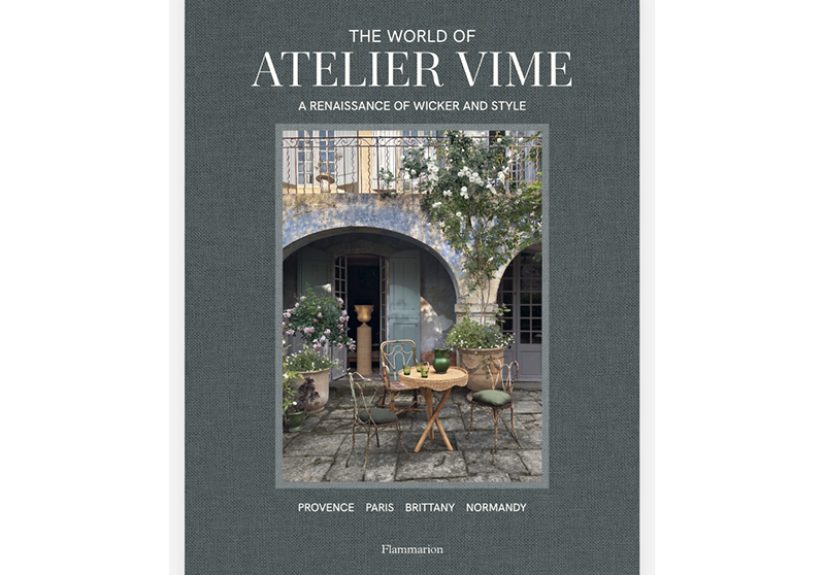
The world of Atelier Vime is not simply about furniture or decorative objects. It is about atmosphere. It is about the soft curve of rattan, the honest texture of wicker, the romance of restored walls, and the belief that natural materials can feel both humble and wildly elegant. Founded by Benoît Rauzy and Anthony Watson, with the creative contribution of designer Raphaëlle Hanley, Atelier Vime has become one of the most admired names in contemporary French craft. Its pieces are rooted in basketry, but its appeal reaches far beyond baskets. Think sculptural lighting, rattan furniture, woven screens, vintage finds, tableware, textiles, and rooms that look as though they were styled by history itself after a very good lunch.
Atelier Vime’s story begins in Vallabrègues, a Provençal village near the Rhône River, between Arles and Saint-Rémy-de-Provence. This area was once deeply tied to wickerwork, with generations of artisans weaving practical and beautiful objects from osier, rattan, rope, and other natural fibers. Atelier Vime did not invent this tradition. Its genius lies in listening to it, reviving it, and giving it a new design language for modern interiors.
A Provençal House With a Woven Memory
To understand Atelier Vime, you first have to picture the Hôtel Drujon, the historic house that became the emotional and creative center of the brand. The building has an old soul: weathered surfaces, layered patinas, courtyards, generous proportions, and the type of architectural charm that makes drywall look like it should apologize.
Before Atelier Vime became a design destination, the property had ties to the region’s basket-making past. Vallabrègues was known for wickerwork, and the house itself carried traces of that old industry. When Rauzy and Watson acquired and restored the property, they found more than a beautiful home. They found a story waiting to be continued.
That discovery gave Atelier Vime its purpose. Instead of treating wicker as a nostalgic accent or a beach-house cliché, the founders recognized it as a sophisticated craft with deep cultural roots. The brand’s name comes from “vime,” a French word connected to the Latin “vimen,” meaning flexible twig or wicker. In other words, the name itself bends gracefully, which is exactly what good wicker should do.
Why Atelier Vime Feels So Distinctive
The design world is not exactly short on pretty objects. Scroll for five minutes and you will meet enough ceramic vases, boucle chairs, and sculptural side tables to furnish a boutique hotel on Mars. Yet Atelier Vime stands apart because its work does not feel manufactured for a passing trend. It feels collected, inherited, edited, and lived with.
The brand’s signature style combines several elements: French country elegance, mid-century references, antique wicker and rattan, handwoven craftsmanship, unusual color palettes, and a theatrical sense of placement. A rope lamp might sit beside a classical bust. A woven Medici-style vase might appear against a wall washed in ocher or blue. A rattan chair may look both rustic and aristocratic, like it just returned from gathering lavender while reading Proust.
This layered approach is one reason Atelier Vime has gained such admiration among interior designers. Its pieces can warm up a polished room, soften a formal space, or bring structure to a casual one. Wicker has a rare ability to feel architectural and relaxed at the same time. It is texture with manners.
The Revival of Wicker, Rattan, and Basketry
For years, wicker was unfairly trapped in design stereotypes. People associated it with porch chairs, laundry baskets, old sunrooms, or that one chair in a grandparent’s house that creaked like it had secrets. Atelier Vime helped change that conversation.
The studio shows that wicker and rattan can be luxurious without becoming stiff. Its work proves that natural fibers can create bold silhouettes, poetic lighting, and refined furniture. A woven pendant light, for example, does more than illuminate a room. It filters light through texture, creating shadows that feel warm, human, and a little magical. A rattan screen can divide space without making a room feel heavy. A wicker vase can stand like sculpture while still hinting at the agricultural roots of the material.
The broader design revival of wicker also reflects a shift in how people think about interiors. More homeowners want rooms that feel tactile, personal, and connected to nature. After years of ultra-sleek surfaces and showroom-perfect minimalism, woven materials offer relief. They remind us that beauty can come from handwork, irregularity, and patience.
Atelier Vime and the Art of French “Art de Vivre”
Atelier Vime is not only a design studio; it is a universe. That word is often overused, but here it fits. The brand extends beyond individual objects into a complete way of living. La Maison Vime, the shop in Vallabrègues, expresses this lifestyle clearly. It brings together original wicker and rattan designs, vintage objects, tableware, linens, books, candles, and decorative pieces that share the same spirit of quiet pleasure.
This is French “art de vivre” without the stiffness. It is not about perfection. It is about knowing how a room should feel at four in the afternoon when the light changes. It is about a table that looks better with fruit on it, a chair that invites conversation, and a lamp that makes dinner feel like an occasion even if the menu is mostly cheese and hope.
The Atelier Vime look often includes antique textiles, Provençal ceramics, classical references, modern art, rustic pottery, woven accessories, and walls in expressive colors. The result is neither museum-like nor casual in a careless way. It is curated, but not cold. Romantic, but not sugary. Elegant, but still capable of hosting someone who spills coffee.
Famous Design Appeal Without the Loud Luxury
One of the reasons Atelier Vime has become a favorite among high-end designers is that its pieces do not scream for attention. They have presence, but they do not behave like furniture with a publicist. A woven lamp, a rattan chair, or a sculptural vase can quietly transform a room through proportion and texture.
Atelier Vime’s vintage offerings also play an important role in its identity. The studio has collected and presented wicker and rattan pieces connected to twentieth-century design history, including work associated with notable names and anonymous artisans alike. This archival eye gives the brand depth. It is not merely producing new things; it is studying what came before, learning from it, and reinterpreting it.
That balance between old and new is essential. A purely nostalgic brand can feel like a costume. A purely modern brand can feel rootless. Atelier Vime avoids both traps. It treats the past as a material, not a cage.
Materials That Matter
Wicker is not a single material; it is a weaving technique often made with natural fibers such as willow, rattan, cane, raffia, or rope. Atelier Vime’s world includes several of these materials, each bringing a different personality. Osier has a local and historical connection to basketry. Rattan offers strength and flexibility. Rope introduces a nautical, sculptural quality. Raffia adds softness and a handmade character.
What makes these materials special is their honesty. They do not pretend to be marble, steel, or plastic. They show their fibers, bends, knots, and shadows. In an age when many objects are designed to look flawless on a screen, wicker insists on being physical. You want to touch it. You want to look closely at how it was made. You may even develop strong opinions about lampshades, which is how adulthood sneaks up on people.
Atelier Vime’s commitment to French craftsmanship also matters. Its collections are handmade in France, and the studio has emphasized collaboration with artisans and makers. This gives the pieces a sense of locality and continuity. They are not anonymous products drifting through global supply chains; they belong to a place, a craft tradition, and a specific design imagination.
Signature Pieces and Visual Language
Several forms help define the Atelier Vime aesthetic. The Medici-style woven vase is one of the most recognizable. Inspired by historical shapes and basketry traditions, it turns a classical silhouette into something lighter, warmer, and more surprising. Rope lamps are another key element, often combining sculptural line with a casual elegance that feels appropriate in both a city apartment and a country house.
The studio’s lighting is especially effective because woven materials transform illumination. Instead of a flat glow, the light passes through texture, casting gentle patterns and adding softness to walls and ceilings. This is why wicker pendants and lamps work so well in dining rooms, bedrooms, entryways, and relaxed living spaces. They bring mood without theatrical overkill.
Atelier Vime’s rattan furniture, screens, mirrors, and accessories also show how flexible the language of basketry can be. The forms can be graphic, curvy, historical, playful, or restrained. That versatility explains why the brand can appear in refined interiors without making them feel overly rustic.
How to Bring the Atelier Vime Spirit Into a Home
Start With One Woven Focal Point
You do not need to turn your living room into a wicker festival. In fact, please do not. Even beautiful texture needs breathing room. Start with one strong piece: a pendant light, a rattan chair, a woven mirror, or a sculptural basket. Let it create warmth and movement, then build around it.
Mix Wicker With Stronger Materials
Atelier Vime’s interiors work because woven pieces often sit beside stone, painted wood, ceramics, plaster, iron, or antique textiles. This contrast keeps wicker from feeling too sweet. Pair a rattan lamp with a dark table, a wicker chair with a tailored cushion, or a woven vase with a bold wall color.
Use Color Like a Memory
The Atelier Vime world is not afraid of color, but it uses it with atmosphere rather than volume. Think periwinkle, ocher, dusty rose, olive, chalky white, terracotta, and faded blues. These tones feel aged by sunlight, which is much nicer than saying “slightly tired,” even though some of us are both.
Let Vintage Pieces Add Character
A key lesson from Atelier Vime is that vintage objects give interiors emotional texture. A room becomes more interesting when not everything looks purchased in the same week. Mix a contemporary woven lamp with an antique table, a ceramic pitcher, framed art, or a faded textile. The goal is not matching. The goal is conversation.
Why Atelier Vime Matters Now
Atelier Vime matters because it offers a thoughtful answer to a very modern design problem: how do we make homes feel beautiful, personal, sustainable, and connected to craft without turning them into museums? The studio’s answer is simple but powerful: respect old skills, collaborate with artisans, use natural materials, and create objects with enough personality to last.
In a world full of fast furniture and disposable trends, Atelier Vime represents slowness as luxury. Not slowness as inconvenience, but slowness as depth. A handwoven piece takes time. A restored house takes time. A collected interior takes time. The brand reminds us that good rooms are not assembled; they are grown.
That is perhaps the real magic of Atelier Vime. It makes design feel alive. Its objects carry the rhythm of hands, the memory of place, and the confidence of materials that have been useful and beautiful for centuries. The result is not merely “wicker is back.” The result is wicker with a passport, a pedigree, and excellent taste in wall color.
Personal Experiences Inspired by the World of Atelier Vime
Experiencing the world of Atelier Vime, even from afar, changes the way you look at interiors. Suddenly, a room is not just a collection of furniture. It becomes a conversation between texture, history, light, and daily life. The first thing that stands out is how approachable the aesthetic feels, despite its sophistication. Atelier Vime may appear in elite design circles, but its emotional language is familiar: woven baskets, sun-washed walls, old chairs, ceramic bowls, soft lamps, and natural fibers that make a house feel less like a showroom and more like a home with a pulse.
One practical experience related to this topic is learning how powerful a single woven object can be. Place a rattan pendant above a dining table, and the entire room changes. The light becomes softer. The ceiling feels less empty. The table suddenly looks ready for bread, flowers, and someone telling a story that begins with, “This might sound dramatic, but…” A woven mirror in an entryway can do the same thing. It adds shape, warmth, and a sense of craft before guests even remove their shoes.
Another experience is discovering that natural materials are surprisingly easy to live with when they are used thoughtfully. Wicker and rattan do not demand perfection. They accept wear gracefully. A small variation in tone or texture does not ruin the look; it enriches it. This makes the Atelier Vime spirit especially useful for real homes, where people have pets, children, backpacks, grocery bags, and occasional snack-related emergencies. A woven object can feel elegant without being precious.
The Atelier Vime approach also encourages slower decorating. Instead of buying a complete matching set, you begin to collect. Maybe you find an old wooden stool, a striped linen cloth, a ceramic dish from a local maker, or a vintage chair with a slightly mysterious past. Over time, these pieces begin to speak to one another. The room becomes layered. It gains memory. And unlike trend-based decorating, this method does not collapse the moment a new color becomes popular online.
For anyone interested in design, Atelier Vime offers a valuable lesson: atmosphere matters as much as objects. A beautiful lamp is not only a lamp. It is the shadow it casts at night, the texture it adds during the day, and the mood it creates when people gather around it. A basket is not only storage. It is a reminder that utility can be beautiful. A rattan chair is not only seating. It is an invitation to slow down, sit properly, and perhaps pretend your afternoon is taking place in Provence, even if you are actually next to a laundry pile.
The best way to apply the world of Atelier Vime is not to copy it exactly. Most of us do not live in an eighteenth-century Provençal house, which is rude of reality but here we are. Instead, borrow the principles: choose natural materials, honor craftsmanship, mix old and new, use color with feeling, and let rooms breathe. Add one piece with texture. Then add something with age. Then add light. The result may not be Vallabrègues, but it can still carry the warmth, poetry, and grounded beauty that make Atelier Vime so compelling.
Conclusion
The world of Atelier Vime is a reminder that great design does not always need to shout. Sometimes it rustles. It bends. It casts soft shadows across old walls. It turns a flexible twig into a sculptural object and a forgotten craft into a contemporary language of luxury.
Atelier Vime has helped revive wicker, rattan, rope, and basketry by treating them with intelligence, respect, and imagination. Its universe blends Provençal history, French craftsmanship, vintage design, natural materials, and a deeply atmospheric way of living. For homeowners, designers, and lovers of interiors, its lesson is clear: beauty becomes richer when it has roots.







 Close
Close