
Table of Contents >> Show >> Hide
- What Is Leptospirosis?
- How Leptospirosis Spreads
- Leptospirosis Symptoms
- Types of Leptospirosis
- Leptospirosis Treatment
- How Leptospirosis Is Diagnosed
- Who Is Most at Risk?
- Leptospirosis in Dogs and Pets
- How to Prevent Leptospirosis
- When to See a Doctor
- Common Myths About Leptospirosis
- Experience-Based Lessons: What Real-Life Leptospirosis Awareness Looks Like
- Conclusion
Leptospirosis is one of those diseases that sounds like it escaped from a medical spelling bee, but it is very real, very treatable, and surprisingly common in places where people, animals, water, mud, and questionable puddles all meet for an uninvited group project. Caused by Leptospira bacteria, leptospirosis can affect both humans and animals. People usually get it through contact with water, soil, or surfaces contaminated by the urine of infected animals, especially rodents, livestock, dogs, and wildlife.
The tricky part? Leptospirosis symptoms can look a lot like the flu, food poisoning, dengue, malaria, or “I should not have eaten gas station sushi.” Fever, headache, muscle pain, vomiting, diarrhea, chills, and red eyes may appear first. In some people, the illness stays mild. In others, it can progress to kidney damage, liver problems, meningitis, breathing trouble, or a severe form called Weil’s disease.
This guide breaks down leptospirosis treatment, symptoms, types, diagnosis, prevention, and real-world experience-based lessons in plain American English. No medical fog machine required.
What Is Leptospirosis?
Leptospirosis is a bacterial infection caused by spiral-shaped bacteria from the genus Leptospira. These bacteria are often carried by animals and released into the environment through urine. Once in moist soil or freshwater, the bacteria can survive for weeks or even months under favorable conditions.
Humans can become infected when the bacteria enter the body through cuts, scrapes, softened skin, or mucous membranes such as the eyes, nose, or mouth. That means exposure can happen while wading through floodwater, swimming in contaminated freshwater, cleaning up after storms, working with animals, farming, gardening in wet soil, or handling trash in rodent-heavy areas.
How Leptospirosis Spreads
Leptospirosis is a zoonotic disease, meaning it can spread between animals and humans. However, it usually does not spread easily from person to person. The main problem is contaminated animal urine, not your coworker Kevin sneezing near the office coffee machine.
Common Sources of Exposure
The most common sources include contaminated freshwater, muddy soil, floodwater, wet vegetation, infected animal urine, and environments where rodents are active. Rats and mice are frequent carriers, but livestock, dogs, pigs, horses, goats, sheep, and wild animals can also carry the bacteria.
High-Risk Situations
People may face higher risk after hurricanes, floods, heavy rain, or sewage-contaminated water events. Farmers, sewer workers, veterinarians, animal shelter staff, emergency responders, military personnel, outdoor athletes, campers, hikers, and people who participate in freshwater adventure sports may also have increased exposure.
Leptospirosis Symptoms
Leptospirosis symptoms usually appear within 2 to 30 days after exposure, with many cases appearing around 5 to 14 days. The early symptoms are often nonspecific, which is a polite medical way of saying, “This illness is wearing a very convincing disguise.”
Early Symptoms
- Sudden fever
- Headache
- Chills
- Muscle aches, especially in the calves and lower back
- Nausea or vomiting
- Diarrhea
- Abdominal pain
- Fatigue
- Red or irritated eyes without pus
- Rash in some cases
Many people recover after this first phase, especially with early medical care. But leptospirosis can sometimes follow a two-phase pattern. A person may feel better for a short time, then become sick again with more serious symptoms.
Severe Symptoms
Severe leptospirosis can affect the liver, kidneys, lungs, brain, and blood vessels. Warning signs may include yellowing of the skin or eyes, dark urine, reduced urination, confusion, severe headache, neck stiffness, shortness of breath, chest pain, coughing blood, unusual bleeding, or extreme weakness.
Anyone with possible exposure and severe symptoms should seek urgent medical care. Leptospirosis can be treated, but waiting too long is like ignoring a smoke alarm because the kitchen “probably has it under control.”
Types of Leptospirosis
Doctors often describe leptospirosis by severity and organ involvement rather than by one single “type.” Understanding these categories helps explain why one person may have a mild fever while another needs hospital care.
1. Mild or Anicteric Leptospirosis
This is the more common form. “Anicteric” means there is no jaundice, or yellowing of the skin and eyes. Symptoms may resemble flu, viral illness, or stomach infection. People may experience fever, headache, muscle pain, chills, nausea, vomiting, diarrhea, and red eyes.
Mild leptospirosis can still be miserable. Think of it as the flu wearing hiking boots and carrying muddy water samples. With proper diagnosis and antibiotics when indicated, many people recover fully.
2. Severe Leptospirosis or Weil’s Disease
Weil’s disease is a severe form of leptospirosis that can involve jaundice, kidney injury, liver problems, bleeding, and changes in mental status. It is less common than mild leptospirosis but much more dangerous.
People with suspected Weil’s disease usually need hospital care, intravenous antibiotics, careful fluid management, and sometimes support for kidney or breathing problems.
3. Pulmonary Leptospirosis
In some severe cases, leptospirosis affects the lungs. Symptoms may include cough, chest pain, shortness of breath, or bleeding in the lungs. This form can become serious quickly and requires emergency medical attention.
4. Leptospiral Meningitis
Leptospirosis may sometimes cause inflammation around the brain and spinal cord. Symptoms can include severe headache, fever, stiff neck, light sensitivity, vomiting, and confusion. Because these symptoms overlap with other dangerous infections, medical evaluation is essential.
Leptospirosis Treatment
Leptospirosis treatment usually involves antibiotics. Commonly used antibiotics may include doxycycline or penicillin, while severe cases may require intravenous antibiotics such as penicillin or ceftriaxone. The exact medicine depends on the patient’s age, medical history, pregnancy status, severity of illness, allergies, and clinical judgment.
Antibiotics work best when started early. That is why it is important to tell a healthcare provider about recent freshwater exposure, flood cleanup, animal contact, travel, farm work, rodent exposure, or muddy outdoor activity. Without that exposure history, leptospirosis may look like many other illnesses.
Supportive Care
Supportive care may include rest, fluids, fever control, monitoring kidney and liver function, and hospital care for severe complications. People with kidney failure may need dialysis. Those with breathing complications may need oxygen or intensive care.
Do Not Self-Treat
Because leptospirosis can mimic other infections, self-diagnosis is risky. Antibiotics should be taken only under medical guidance. Taking the wrong medication, stopping too early, or delaying care can make the situation worse.
How Leptospirosis Is Diagnosed
Diagnosis starts with symptoms and exposure history. A doctor may ask whether you recently swam in freshwater, walked through floodwater, handled animals, cleaned rodent-contaminated areas, traveled to a high-risk region, or worked in wet outdoor conditions.
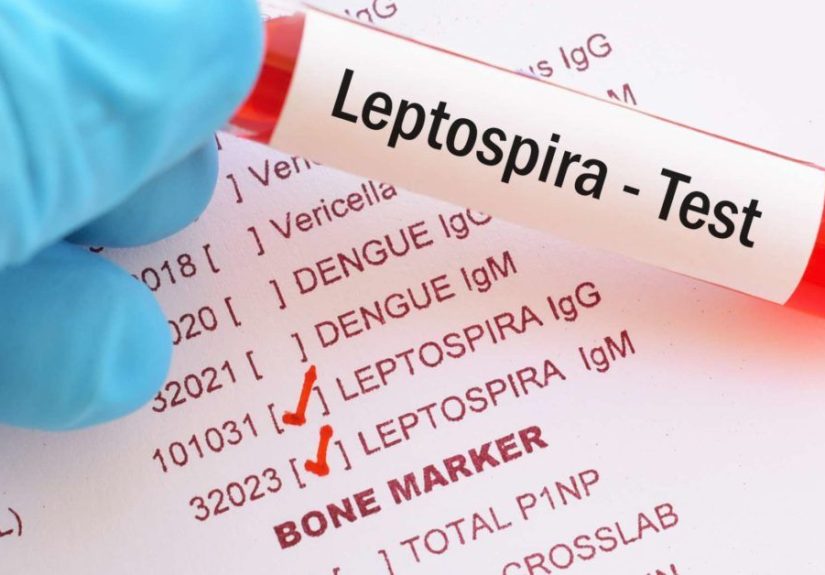
Laboratory testing may include blood tests, urine tests, antibody tests, polymerase chain reaction testing, or specialized confirmatory tests. Timing matters because some tests work better early in the illness, while others become more useful later.
Who Is Most at Risk?
Anyone can get leptospirosis, but risk increases with certain exposures. People who work around animals, water, sewage, wet soil, or rodents are more likely to encounter the bacteria. Recreational exposure also matters. Swimming in streams, rafting, kayaking, trail running through mud, or playing in floodwater may sound adventurous, but bacteria do not hand out permission slips.
Risk Groups Include:
- Farmers and agricultural workers
- Veterinarians and animal care workers
- Pet owners in areas where leptospirosis is common
- Sewer and sanitation workers
- Flood cleanup volunteers
- Military personnel
- Campers, hikers, swimmers, and freshwater athletes
- People living in rodent-heavy urban environments
Leptospirosis in Dogs and Pets
Dogs can get leptospirosis too. They may become infected by drinking from puddles, ponds, streams, or contaminated soil. Symptoms in dogs can include fever, tiredness, vomiting, loss of appetite, increased thirst, changes in urination, muscle pain, jaundice, and kidney or liver problems.
Dog vaccination can reduce risk and is commonly recommended by veterinary professionals, especially in areas where leptospirosis occurs. Pet owners should talk with a veterinarian about local risk, vaccination, and prevention. Also, try not to let dogs drink from mystery puddles. Dogs may consider puddles “outdoor soup,” but bacteria strongly disagree.
How to Prevent Leptospirosis
Prevention focuses on avoiding contaminated water, reducing rodent exposure, protecting skin, and practicing good hygiene after possible contact.
Practical Prevention Tips
- Avoid swimming or wading in floodwater or freshwater that may be contaminated.
- Cover cuts and scrapes with waterproof bandages before outdoor water exposure.
- Wear waterproof boots, gloves, and protective clothing during flood cleanup or farm work.
- Do not drink untreated stream, pond, or floodwater.
- Wash hands after handling animals, soil, trash, or potentially contaminated items.
- Control rodents around homes, food storage areas, and workplaces.
- Keep pet vaccination and veterinary care up to date.
When to See a Doctor
See a healthcare provider promptly if you develop fever, chills, headache, muscle aches, vomiting, diarrhea, red eyes, or jaundice after possible exposure to contaminated water, animals, rodents, or flood conditions.
Seek emergency care for shortness of breath, chest pain, confusion, severe weakness, yellow eyes or skin, reduced urination, coughing blood, severe headache, stiff neck, or unusual bleeding. These may signal severe leptospirosis or another serious illness.
Common Myths About Leptospirosis
Myth 1: Only People in Tropical Countries Get It
Leptospirosis is more common in warm, wet climates, but it can occur in temperate regions too, including parts of the United States. Flooding, rodents, livestock, and contaminated water can create risk almost anywhere.
Myth 2: Clear Water Is Safe Water
Water does not have to look dirty to carry bacteria. A sparkling stream can still be contaminated with animal urine. Nature is beautiful, but it does not come with a lab report.
Myth 3: If Symptoms Are Mild, It Cannot Be Leptospirosis
Mild leptospirosis can resemble the flu. The key clue is exposure history. If symptoms appear after floodwater, freshwater, rodents, or animal contact, leptospirosis should be considered.
Experience-Based Lessons: What Real-Life Leptospirosis Awareness Looks Like
One of the biggest lessons about leptospirosis is that prevention often happens in ordinary moments. It is not always dramatic. It may be a farmer choosing boots instead of old sneakers, a volunteer wearing gloves during flood cleanup, a dog owner steering a thirsty Labrador away from a suspicious puddle, or a camper deciding not to rinse a cut foot in a stream. These small decisions can matter.
Imagine a family cleaning their yard after several days of heavy rain. The ground is muddy, trash bins have tipped over, and there are signs of rodents near the shed. Nobody is thinking about bacterial infections. They are thinking about getting the job done before lunch. But this is exactly the kind of setting where leptospirosis prevention becomes practical. Waterproof gloves, boots, covered cuts, handwashing, and keeping kids away from standing water are not overreactions. They are smart, low-drama safety moves.
Another common scenario involves outdoor recreation. A group of friends goes hiking after a storm. The trail is wet, the stream is high, and someone decides to wade in barefoot because “it is only for a minute.” Later, that person develops fever, calf pain, chills, and vomiting. At first, it seems like a random virus. The important experience-based takeaway is this: tell the doctor about the water exposure. That detail may help the provider consider leptospirosis earlier.
Pet owners have their own version of this lesson. Dogs are curious, enthusiastic, and not known for making excellent microbiology decisions. A dog may drink from puddles, sniff wildlife urine, or splash through wet soil. Keeping pets away from standing water, discussing leptospirosis vaccination with a veterinarian, and washing hands after cleaning urine accidents are practical habits that protect both animals and people.
In urban areas, the experience is different but still relevant. Rodent exposure can happen around trash storage areas, basements, alleys, construction sites, and poorly sealed buildings. People who handle garbage, clean storage rooms, or work in sanitation should take gloves, hand hygiene, and rodent control seriously. Leptospirosis is not only a jungle or farm disease. Sometimes it wears a city hoodie and hangs out near the dumpsters.
The most useful mindset is not fear; it is awareness. Most people exposed to rain, mud, pets, or outdoor water will not get leptospirosis. But when symptoms appear after a risky exposure, acting early can make a major difference. Keep track of where you were, what water or animals you contacted, whether you had open cuts, and when symptoms began. Those details can help healthcare providers choose the right tests and treatment.
Finally, the experience of dealing with leptospirosis risk teaches a simple rule: respect water after storms. Floodwater is not just “big rain.” It can carry sewage, chemicals, sharp objects, and bacteria from animal urine. If you must enter it, protect your skin, avoid swallowing water, wash thoroughly afterward, and watch for symptoms. Your future self may send you a thank-you note, probably written on dry paper.
Conclusion
Leptospirosis is a bacterial infection that can range from mild flu-like illness to severe disease involving the liver, kidneys, lungs, or nervous system. The good news is that leptospirosis treatment is available, and antibiotics are most effective when started early. The better news is that many exposures can be reduced with practical prevention: avoid risky water, wear protective gear, control rodents, protect cuts, practice hand hygiene, and keep pets appropriately vaccinated.
If you remember one thing, make it this: fever plus muscle pain plus recent exposure to floodwater, freshwater, rodents, or animal urine deserves medical attention. Leptospirosis may have a complicated name, but the safety message is refreshingly simple: do not let suspicious water boss you around.





 Close
Close