
Table of Contents >> Show >> Hide
- Why You Need a Generator Cover
- Storage Covers vs. Running Covers: Know the Difference
- Best Generator Covers for 2022: Top Picks by Category
- Best Overall Generator Cover: Classic Accessories StormPro
- Best Heavy-Duty Universal Cover: Porch Shield Waterproof Generator Cover
- Best Running Cover: GenTent Safety Canopy
- Best Brand-Specific Inverter Cover: Champion Weather-Resistant Cover
- Best for Westinghouse Open-Frame Generators: Westinghouse WGen Cover
- Best for Generac Portable Generators: Generac Portable Storage Cover
- Best Budget Generator Cover: Basic 600D Polyester Universal Cover
- Best for Large Generators: Champion 12,000W+ Generator Cover
- How to Choose the Best Generator Cover
- Generator Cover Safety Tips Every Homeowner Should Know
- Common Mistakes to Avoid When Buying Generator Covers
- My Practical Experience With Generator Covers
- Conclusion
A home generator is like the quiet friend who suddenly becomes the hero during a blackout. It sits in the garage, shed, or side yard doing absolutely nothinguntil the lights go out, the fridge starts sweating, and everyone remembers how much they love electricity. But here is the catch: your generator also needs protection. Rain, snow, dust, UV rays, tree sap, wind, and the occasional bird with questionable manners can shorten its life faster than you can say, “Where did I put the extension cord?”
That is where the best generator covers come in. A good generator cover protects your investment when the unit is not in use, keeps dirt and moisture away from sensitive parts, and helps your generator stay ready for the next outage. The right cover can also make storage cleaner and easier. The wrong cover, however, can trap condensation, fit poorly, blow away in a storm, or create unsafe operating conditions if used while the generator is running.
This guide breaks down the best generator covers for 2022, including covers for portable generators, inverter generators, large open-frame units, and home backup setups. We will look at materials, fit, ventilation, weather resistance, safety, and real-world buying tips so you can choose a cover that does more than simply look like a generator wearing a raincoat.
Why You Need a Generator Cover
A generator cover may seem like a small accessory, but it plays a big role in generator maintenance. Portable generators and home generators include metal frames, fuel tanks, control panels, outlets, handles, wheels, and engine components. When these parts are exposed to moisture and debris, corrosion and grime can build up. Over time, that can lead to hard starting, damaged outlets, clogged vents, cracked plastics, and a machine that looks like it spent the winter in a haunted barn.
For homeowners, the main value of a generator cover is readiness. A generator is usually purchased for emergencies, and emergencies are not polite enough to schedule themselves. A properly covered generator is more likely to be clean, dry, and usable when severe weather arrives. That matters whether you are powering a refrigerator, sump pump, medical device, lights, router, or basic household essentials.
Storage Covers vs. Running Covers: Know the Difference
Before choosing a cover, understand the most important distinction: some generator covers are made for storage only, while others are designed for use while the generator is operating.
Storage Generator Covers
Storage covers are designed to protect the generator when it is turned off and cool. These covers usually slip over the entire unit and shield it from rain, snow, dust, sun, dirt, and debris. They are ideal for generators stored in a garage, shed, carport, or outdoor area. Many are made from polyester, vinyl, Oxford fabric, tarpaulin, or PVC-backed material.
Storage covers should not be used while the generator is running unless the manufacturer clearly states that the cover is built for operation. A running generator produces heat and exhaust, and covering it incorrectly can create fire, overheating, and carbon monoxide hazards. In simple terms: if your storage cover looks like a shower cap for your generator, do not run the generator while it is wearing it.
Running Generator Covers
Running covers, sometimes called generator tents or generator canopies, are built to protect a generator during operation in wet or snowy conditions. These covers typically use a frame or canopy design that keeps water away from outlets and engine areas while allowing airflow, cooling, exhaust clearance, and access to refueling points. Popular examples include GenTent-style canopies, Champion Storm Shield covers, IGAN running covers, and weather tents made for certain Westinghouse models.
If you live in an area with frequent storms, a running cover can be useful. However, safety comes first. A running generator must always be operated outdoors, far away from doors, windows, vents, garages, porches, and enclosed spaces. Even the best generator cover is not a magic force field against carbon monoxide.
Best Generator Covers for 2022: Top Picks by Category
Best Overall Generator Cover: Classic Accessories StormPro
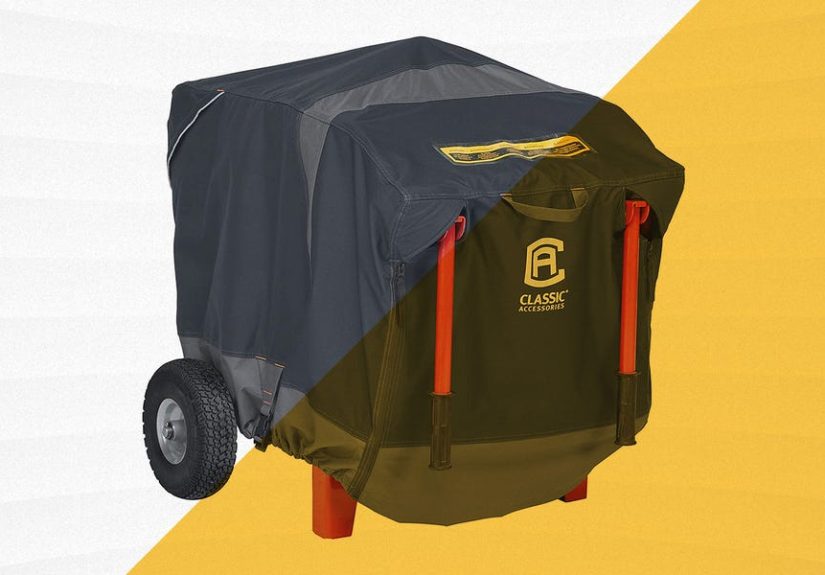
The Classic Accessories StormPro line became a favorite choice for many homeowners because it balances durability, fit, weather resistance, and price. It is designed for outdoor storage and is commonly available in multiple sizes for different generator wattage ranges. The heavy-duty fabric, water-resistant backing, elastic hem, and air vents make it a practical option for protecting portable generators from rain, snow, sun, and dirt.
This is a great pick for homeowners who want a reliable cover for a conventional open-frame generator. It is especially useful if your generator is stored in a shed, garage, or under a covered outdoor area but still needs protection from dust and moisture. The vents are important because they help reduce trapped condensation, which is one of the sneaky problems with cheap covers.
Best Heavy-Duty Universal Cover: Porch Shield Waterproof Generator Cover
Porch Shield generator covers are popular because they usually use heavy-duty 600D polyester fabric with waterproof coating. Many models include air vents, adjustable straps, an elastic hem cord, and side openings that make installation easier. The fit is universal, which means you can choose the size closest to your generator dimensions rather than relying only on brand-specific models.
This cover is a strong choice for larger portable generators in the 5,000- to 15,000-watt range. It is made for storage, not operation, but it gives excellent protection against rain, snow, dust, UV rays, tree sap, and general outdoor grime. If your generator sits outside during storm season, a heavy-duty cover like this can prevent the machine from slowly turning into a rust-flavored lawn ornament.
Best Running Cover: GenTent Safety Canopy
For homeowners who need to operate a portable generator during bad weather, the GenTent Safety Canopy is one of the most recognized names in the category. It is designed to cover sensitive generator areas while maintaining airflow and exhaust clearance. Unlike a basic storage cover, a running canopy is meant to protect the generator while it is working outside.
GenTent-style covers are especially useful in hurricane-prone, storm-prone, or snowy regions where power outages often happen during wet weather. They cost more than simple storage covers, but they solve a different problem. A storage cover protects your generator while parked. A running cover protects your generator while it is saving dinner, Wi-Fi, and everyone’s phone battery.
Best Brand-Specific Inverter Cover: Champion Weather-Resistant Cover
Champion Power Equipment offers weather-resistant storage covers for many of its portable and inverter generators. These covers are typically made with a tough vinyl exterior and may include cotton lining to help prevent scratches. Some versions include quick-access zippers for handles, which is a small feature that feels surprisingly luxurious when you are moving a generator in bad weather.
Champion covers are a smart choice if you own a Champion inverter generator and want a custom-like fit. Inverter generators often have more enclosed plastic bodies than open-frame models, so a properly shaped cover helps keep the unit protected without being baggy or awkward.
Best for Westinghouse Open-Frame Generators: Westinghouse WGen Cover
The Westinghouse WGen generator cover is designed for open-frame Westinghouse portable generators, including larger models. It protects against dust, dirt, moisture, and UV damage and often includes a drawstring or secure fit system. For Westinghouse owners, a brand-specific cover can remove much of the guesswork from sizing.
Westinghouse also offers weather tent options for running certain open-frame generators in rough weather. If you own a WGen model, check the exact generator dimensions and compatibility before choosing between a storage cover and a running tent. The names can sound similar, but the purpose is very different.
Best for Generac Portable Generators: Generac Portable Storage Cover
Generac portable generator storage covers are designed to fit selected Generac models and protect them during transportation and storage. They commonly shield against UV rays, dirt, dust, and weather exposure. Some models include adjustable openings for handles and a shock cord or elastic base to help keep the cover secure.
This is a practical choice for homeowners with Generac portable units in the 5,000- to 8,000-watt class. The main advantage is fit. Universal covers can work well, but a cover made for your generator brand often sits cleaner and leaves fewer loose corners flapping around like a tiny gray flag of confusion.
Best Budget Generator Cover: Basic 600D Polyester Universal Cover
If you want solid protection without paying premium prices, a basic 600D polyester universal generator cover can be a good value. Look for waterproof or water-resistant backing, double stitching, vents, a drawstring, and buckle straps. Cheap covers without vents may keep rain off but can trap condensation inside, which is not ideal for long-term storage.
A budget cover is best for homeowners who store the generator indoors most of the year and only need extra protection from dust, garage moisture, or occasional outdoor exposure. For full-time outdoor storage in harsh weather, spend more for heavier fabric and better fastening.
Best for Large Generators: Champion 12,000W+ Generator Cover
Large open-frame generators need larger, tougher covers. Champion’s 12,000-watt-plus weather-resistant storage cover is designed for big portable generators and helps protect them from dirt, moisture, and storage damage. These covers are especially useful for homeowners who use high-output portable generators as part of an emergency backup plan.
Large generators are expensive, heavy, and not exactly fun to move. Once you find the right storage location, a durable cover helps keep the machine clean between uses. That means fewer surprises when the power goes out and you are already dealing with flashlights, extension cords, and someone asking whether the microwave still works.
How to Choose the Best Generator Cover
Measure Your Generator Before Buying
Never guess the size. Measure the length, width, and height of your generator, including wheels, handles, frames, and accessories. Then compare those measurements with the cover’s listed dimensions. A cover that is too tight may tear or fail to cover the control panel. A cover that is too loose can flap in wind, collect water, or blow away.
For portable generators, check whether the cover is rated by wattage range, exact dimensions, or compatible model numbers. Wattage can be a helpful clue, but dimensions are more reliable. Two 7,500-watt generators can have very different shapes.
Choose Durable Materials
The best generator covers are usually made from polyester, vinyl, tarpaulin, nylon, Oxford cloth, or PVC-backed fabrics. Heavy-duty 600D polyester is a common sweet spot because it offers good tear resistance and weather protection without becoming too bulky. Vinyl can be water-resistant and easy to clean, while tarpaulin-style covers may offer stronger rain protection for outdoor storage.
Look for reinforced stitching, waterproof backing, UV resistance, and tear-resistant fabric. If the cover feels thinner than a grocery bag, your generator deserves better.
Do Not Ignore Ventilation
Ventilation matters because moisture can form under a cover when temperature changes. Air vents allow trapped moisture to escape and help reduce condensation. This is especially important if the generator is stored outdoors or in a damp garage.
A waterproof cover with no airflow can sometimes create a mini greenhouse of sadness around your generator. The outside stays dry, but the inside gets humid. Vents help prevent that problem.
Look for Secure Fastening
Wind is the sworn enemy of outdoor covers. A good generator cover should include elastic hems, drawstrings, buckle straps, hook-and-loop closures, or bottom cords. These features keep the cover tight and reduce flapping. If you live in a windy area, choose a cover with more than one fastening method.
Match the Cover to Your Use Case
If your generator is stored indoors, a lighter dust cover may be enough. If it sits outdoors, you need stronger waterproofing, UV resistance, and secure straps. If you plan to run the generator during rain or snow, you need a running cover specifically designed for operationnot a storage cover.
Generator Cover Safety Tips Every Homeowner Should Know
A generator cover is helpful, but safety is non-negotiable. Never operate a portable generator inside a home, garage, basement, crawlspace, shed, porch, carport, or any enclosed or partly enclosed area. Always run it outside with exhaust pointed away from the home. Keep it well away from doors, windows, vents, and openings where exhaust could enter.
Never use a storage-only cover while the generator is running. Heat buildup can damage the generator and create fire hazards. Exhaust must never be trapped or redirected toward people, pets, or buildings. If you need weather protection during operation, use a manufacturer-approved running cover, generator tent, or canopy designed for airflow and exhaust clearance.
Install carbon monoxide alarms inside your home and test them regularly. Use outdoor-rated extension cords, avoid overloading the generator, and let the engine cool before refueling. A generator can be a lifesaver during outages, but only when used correctly.
Common Mistakes to Avoid When Buying Generator Covers
Using a Tarp Instead of a Proper Cover
A tarp may seem like a cheap solution, but it usually fits poorly, traps condensation, and can blow loose. It may also block airflow if someone tries to use it while the generator is running. A fitted cover is safer, cleaner, and better for long-term storage.
Buying the Cheapest Cover Available
Low-cost covers can work for indoor dust protection, but thin material may crack, tear, leak, or fade quickly outdoors. If your generator cost hundreds or thousands of dollars, saving a few dollars on a weak cover is not the victory it appears to be.
Forgetting About Handles and Wheels
Generators are awkward machines with frames, handles, wheels, and control panels. Make sure the cover accounts for these features. Some covers include zipper access for handles or adjustable openings that make the fit easier.
Leaving a Wet Cover on Too Long
After heavy rain or snow, inspect the cover and generator area. Shake off standing water, clear snow buildup, and allow airflow when possible. Even a good cover should not become a permanent wet blanket.
My Practical Experience With Generator Covers
After comparing generator covers and using them in real home settings, one lesson becomes clear: the best cover is the one that matches your generator’s actual lifestyle. Yes, generators have lifestyles. Some live pampered lives in garages, surrounded by paint cans and holiday decorations. Others sit outside through rain, pollen, blazing sun, and the kind of wind that makes patio chairs migrate across the yard.
For a generator stored indoors, I have found that a medium-duty cover with a snug elastic hem is usually enough. The main issue indoors is dust, not hurricanes. A cover keeps sawdust, cobwebs, pet hair, and general garage mystery particles out of the control panel and vents. In this case, ventilation is still useful, but you may not need the thickest waterproof material on the market.
For outdoor storage, the experience is different. A thin cover may look fine for a month, then slowly fade, crack, or develop weak spots around the corners. Corners matter because generator frames are not soft. Sharp metal edges and handle brackets can rub against fabric when the wind moves the cover. That is why reinforced stitching and heavier fabric make a real difference.
The best outdoor covers I have seen share three traits: they fit close to the generator, they have vents, and they include straps or drawstrings. The fit keeps water from pooling. The vents reduce condensation. The straps stop the cover from becoming airborne during gusty weather. A cover that flies away during the first storm is not a cover; it is a weather balloon with commitment issues.
Another practical detail is access. If you test your generator monthly, a cover that is hard to remove becomes annoying fast. Side zippers, handle openings, and elastic hems make routine checks easier. A generator should be tested, maintained, and kept ready, not hidden under a cover that requires a wrestling match every time you need to inspect it.
For storm-prone homes, a running cover can be worth the extra cost. During an outage, rain rarely waits politely while you restore power. A purpose-built running canopy gives you more flexibility, especially when you need to keep essential appliances running. Still, it is important to practice setup before an emergency. The worst time to learn how a generator tent works is in the dark, in the rain, while your refrigerator is warming and everyone is asking if the internet is back.
My final experience-based advice is simple: buy the cover before you need it. Many people purchase a generator and forget the accessories until the first storm is already on the radar. By then, the best covers may be sold out, delivery may be delayed, and you may find yourself staring at a tarp and making bad decisions. Choose the right cover early, test the fit, store the generator safely, and keep your emergency setup organized.
Conclusion
The best generator covers for 2022 are not just about keeping your generator pretty, although a clean generator does look more professional than one covered in pollen and spider architecture. A quality cover protects your generator from moisture, UV damage, dust, snow, dirt, and debris. It also helps preserve reliability, which is exactly what you want from emergency equipment.
For most homeowners, the best storage covers include the Classic Accessories StormPro, Porch Shield waterproof generator covers, Champion weather-resistant covers, Westinghouse WGen covers, and Generac portable storage covers. For operating a generator in wet weather, look for a true running cover such as a GenTent Safety Canopy, Champion Storm Shield, IGAN running cover, or compatible Westinghouse weather tent.
Choose based on size, material, ventilation, fastening system, and whether the cover is made for storage or operation. Above all, remember that generator safety matters more than convenience. Use your generator outdoors only, keep exhaust away from the home, and never run a generator under a cover that was not designed for operation.
Note: Always follow your generator manufacturer’s manual and the cover manufacturer’s instructions. When in doubt, treat a cover as storage-only unless it is clearly labeled and designed for safe generator operation.






 Close
Close