
Table of Contents >> Show >> Hide
- Why Small Home Improvements Can Make a Big Difference
- 30 High-Impact, Low-Cost Home Improvement Ideas
- 1. Paint the Front Door
- 2. Replace House Numbers
- 3. Upgrade the Mailbox
- 4. Add Solar Path Lights
- 5. Refresh Mulch and Garden Edging
- 6. Power Wash Walkways and Siding
- 7. Swap Out Cabinet Hardware
- 8. Paint Kitchen Cabinets
- 9. Install a Peel-and-Stick Backsplash
- 10. Change Light Fixtures
- 11. Switch to LED Bulbs
- 12. Add Dimmer Switches
- 13. Re-Caulk the Bathroom
- 14. Clean or Refresh Grout
- 15. Replace a Bathroom Mirror
- 16. Upgrade Faucets
- 17. Install Floating Shelves
- 18. Create a Drop Zone by the Door
- 19. Add Closet Organizers
- 20. Replace Old Outlet Covers and Switch Plates
- 21. Paint an Accent Wall
- 22. Install Peel-and-Stick Wallpaper
- 23. Add Crown Molding or Trim Details
- 24. Refresh Interior Doors
- 25. Upgrade Window Treatments
- 26. Add a Gallery Wall
- 27. Create a Better Laundry Area
- 28. Seal Drafts Around Windows and Doors
- 29. Replace HVAC Filters Regularly
- 30. Rearrange Furniture for Better Flow
- How to Choose the Right Low-Cost Home Improvement Project
- Room-by-Room Budget Upgrade Strategy
- Common Mistakes to Avoid
- of Real-Life Experience: What Actually Makes a Home Feel Better
- Conclusion
Home improvement has a reputation for arriving with a hard hat, a giant invoice, and a suspicious amount of dust. But not every upgrade requires a contractor, a second mortgage, or three weekends spent wondering why one screw is always left over. Some of the best improvements are small, strategic, and surprisingly affordable.
The secret is impact. A low-cost home improvement idea should either make your space look better, work better, feel cleaner, save energy, improve curb appeal, or solve a daily annoyance. In other words, it should earn its keep. A fresh front door, brighter lighting, better storage, clean grout, sealed drafts, and updated hardware can make a home feel newer without ripping it apart.
Below are 30 high-impact, low-cost home improvement ideas that can refresh your home room by room. Most are beginner-friendly, many can be finished in a weekend, and several cost less than a dinner outdepending on how fancy your dinner plans are.
Why Small Home Improvements Can Make a Big Difference
Low-cost home upgrades work because people notice the surfaces they touch, the rooms they use every day, and the details that quietly shape first impressions. Buyers notice clean entryways. Guests notice lighting. You notice whether the bathroom drawer opens without attacking your toothbrush.
Small improvements also reduce “visual noise.” Loose cords, chipped paint, dated knobs, dim bulbs, cluttered counters, and squeaky doors may seem minor on their own. Together, they make a home feel tired. Fix them, and suddenly the whole space seems more intentional.
30 High-Impact, Low-Cost Home Improvement Ideas
1. Paint the Front Door
Your front door is the handshake of your home. A fresh coat of paint can instantly boost curb appeal and make the exterior feel cared for. Choose a classic shade like navy, charcoal, black, deep green, or red if it complements your siding and trim. Clean, sand, prime if needed, and use exterior-rated paint for durability.
2. Replace House Numbers
Old, faded, or tiny house numbers can make a home look dated. Modern numbers in black, brass, brushed nickel, or matte bronze add polish for a small price. Make sure they are easy to read from the street. Stylish is good; making delivery drivers play hide-and-seek is not.
3. Upgrade the Mailbox
A dented mailbox can drag down curb appeal fast. Replace it, repaint it, or add a fresh post and simple landscaping around the base. This is one of those budget-friendly home improvements that takes little time but sends a strong “someone loves this house” message.
4. Add Solar Path Lights
Solar lights along a walkway, driveway, or garden edge create a welcoming look at night without electrical work. They also improve safety by making steps and paths easier to see. Choose warm white lighting for a softer, more upscale feel.
5. Refresh Mulch and Garden Edging
Fresh mulch makes landscaping look organized even when your gardening skills are mostly “hope and water.” Add crisp edging around flower beds to create clean lines. This low-cost exterior upgrade is especially helpful before hosting guests or listing a home for sale.
6. Power Wash Walkways and Siding
Dirt builds up slowly, so you may not notice it until the clean strip appears and suddenly your sidewalk has a before-and-after montage. Power washing patios, walkways, fences, and siding can make outdoor surfaces look years younger. Use the right pressure setting so you clean surfaces without damaging them.
7. Swap Out Cabinet Hardware
Kitchen and bathroom cabinets can look surprisingly different with new knobs or pulls. Matte black, brass, chrome, and brushed nickel are popular choices. For the easiest installation, measure the existing screw spacing and buy replacements that match. That way, you avoid drilling new holes and questioning your life choices.
8. Paint Kitchen Cabinets
If your cabinets are sturdy but outdated, paint can deliver a dramatic transformation. White, greige, sage green, navy, and warm taupe are safe, stylish options. The key is prep: clean thoroughly, sand lightly, use a bonding primer, and apply cabinet-grade paint. Rushing this project is how cabinets become “textured,” and not in a good way.
9. Install a Peel-and-Stick Backsplash
Peel-and-stick backsplash panels can add personality to a kitchen or laundry room without grout, tile saws, or professional installation. They come in styles that mimic subway tile, stone, metal, and patterned ceramic. Use them on clean, smooth walls and measure carefully before cutting.
10. Change Light Fixtures
Lighting is jewelry for a room. Replace dated flush mounts, pendants, or vanity lights with simple modern fixtures. A $60 fixture can make a hallway, dining nook, or bathroom feel much more expensive. Always turn off power at the breaker before replacing electrical fixtures, and hire a licensed electrician if wiring is confusing or unsafe.
11. Switch to LED Bulbs
LED bulbs use far less energy than old incandescent bulbs and last much longer. Beyond savings, they improve the mood of a room. Choose warm white bulbs for bedrooms and living rooms, and brighter neutral bulbs for kitchens, bathrooms, laundry rooms, and work areas.
12. Add Dimmer Switches
A dimmer switch makes a room more flexible. Bright light for cleaning, soft light for dinner, low light for movie nightsuddenly your living room has range. Make sure the dimmer is compatible with your bulb type, especially if you use LEDs.
13. Re-Caulk the Bathroom
Fresh caulk around a tub, shower, sink, or backsplash can make a bathroom look cleaner immediately. Remove old caulk completely, clean the surface, let it dry, and apply a smooth bead of bathroom-grade silicone or latex caulk. This simple maintenance task also helps prevent moisture problems.
14. Clean or Refresh Grout
Grout has a talent for collecting stains like it is building a scrapbook. Use a grout cleaner, brush, and patience to brighten tile floors and shower walls. If grout is cracked or missing, repair it. For a finishing touch, apply grout sealer to help protect the cleaned lines.
15. Replace a Bathroom Mirror
A builder-basic mirror can be swapped for a framed mirror that adds style and depth. Round mirrors soften a bathroom, while rectangular frames create a clean modern look. If replacement is not in the budget, add a DIY frame around the existing mirror.
16. Upgrade Faucets
A new faucet can modernize a bathroom or kitchen quickly. Look for finishes that match your hardware or light fixtures. In bathrooms, a new faucet paired with a clean sink, fresh caulk, and updated mirror can make the whole vanity area feel new.
17. Install Floating Shelves
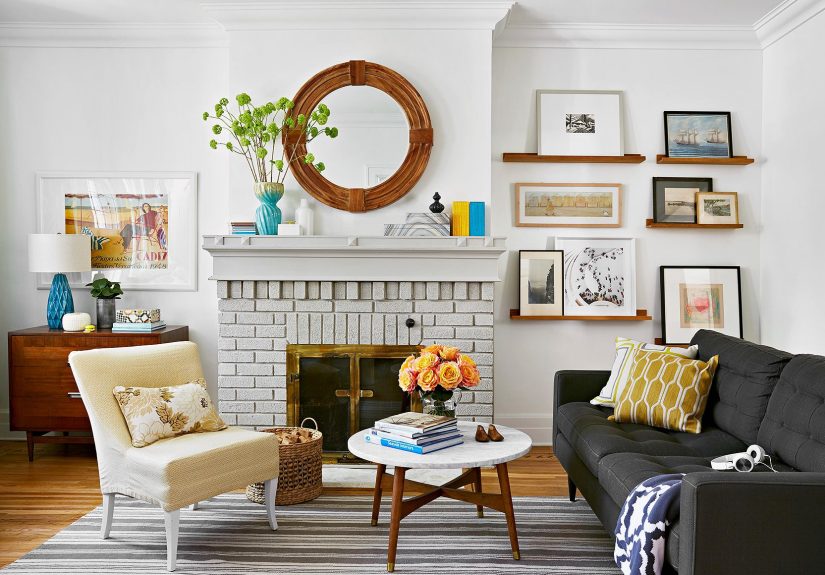
Floating shelves add storage and display space without bulky furniture. Use them in kitchens for mugs and small bowls, in bathrooms for towels, or in living rooms for books and decor. Keep styling simple: a few useful items, a plant, and one decorative object usually beat a crowded shelf museum.
18. Create a Drop Zone by the Door
A drop zone is a small area for keys, bags, mail, shoes, and everyday chaos. Add wall hooks, a small bench, baskets, or a slim console table near the entry. This upgrade improves function immediately and reduces the daily “Where are my keys?” drama.
19. Add Closet Organizers
Basic shelves, rods, hooks, bins, and shoe racks can turn a frustrating closet into a useful storage system. You do not need a luxury custom closet. Start by removing what you do not use, then create zones for hanging clothes, folded items, shoes, accessories, and seasonal pieces.
20. Replace Old Outlet Covers and Switch Plates
Yellowed, cracked, or mismatched switch plates can make walls look neglected. New covers are inexpensive and easy to install. Choose a consistent color and style throughout each room. It is a tiny detail, but tiny details are often what make a home feel finished.
21. Paint an Accent Wall
An accent wall can define a bedroom, home office, dining area, or reading nook. Use a rich color, limewash-style finish, or simple geometric pattern. If you are nervous about bold color, try it behind a bed or bookcase where it feels intentional rather than overwhelming.
22. Install Peel-and-Stick Wallpaper
Peel-and-stick wallpaper is ideal for powder rooms, laundry rooms, closet interiors, and small accent walls. It brings pattern without a long-term commitment. Choose high-quality removable paper, follow alignment carefully, and smooth bubbles as you go.
23. Add Crown Molding or Trim Details
Trim can make plain rooms feel more architectural. Try crown molding, picture-frame molding, chair rail, or simple board-and-batten in an entry, bedroom, or hallway. Paint it the same color as the wall for a subtle designer look, or white for classic contrast.
24. Refresh Interior Doors
Interior doors take a beating from hands, pets, bags, and mysterious scuffs no one admits making. Clean and paint them, then replace dated knobs with modern levers or round knobs. This works especially well in hallways where several doors are visible at once.
25. Upgrade Window Treatments
Old blinds can make a room feel dull. Replace them with simple curtains, bamboo shades, Roman shades, or clean white blinds. Hang curtain rods higher and wider than the window frame to make windows look larger and ceilings feel taller.
26. Add a Gallery Wall
A gallery wall can personalize a hallway, stairway, bedroom, or living room. Use thrifted frames, family photos, inexpensive prints, fabric scraps, postcards, or children’s artwork. Keep the frame colors coordinated for a clean look, or mix styles intentionally for a collected feel.
27. Create a Better Laundry Area
The laundry room may never become glamorous, but it can become less annoying. Add shelves, labeled bins, a hanging rod, a folding surface, or peel-and-stick floor tiles. Even a small laundry closet can feel more organized with better lighting and wall-mounted storage.
28. Seal Drafts Around Windows and Doors
Weatherstripping, caulk, and door sweeps are low-cost improvements that can make a home more comfortable. Check for drafts around windows, exterior doors, utility openings, and baseboards. Sealing air leaks can reduce energy waste and help rooms feel less chilly or stuffy.
29. Replace HVAC Filters Regularly
This is not glamorous, but neither is breathing dust confetti. Replacing filters helps your heating and cooling system operate more efficiently and supports better indoor air quality. Check the filter size, follow the manufacturer’s replacement schedule, and set a reminder so it actually happens.
30. Rearrange Furniture for Better Flow
The cheapest upgrade is often moving what you already own. Pull furniture away from walls, create conversation areas, improve walking paths, and remove pieces that block light or doors. A better layout can make a room feel larger, calmer, and more useful without spending a cent.
How to Choose the Right Low-Cost Home Improvement Project
Start with the problem you feel every day. If your entryway is chaotic, build a drop zone. If your kitchen feels dated, change hardware and lighting. If the house feels cold near windows, add weatherstripping. If your bathroom looks tired, re-caulk and clean grout before pricing a remodel.
Next, think about visibility. A project in a high-use area usually delivers more satisfaction than one hidden away. Painting a front door, refreshing cabinets, or upgrading a bathroom mirror gets noticed often. Organizing the attic may be useful, but it rarely gives the same emotional payoff unless your attic has become a cardboard jungle.
Finally, match the project to your skill level. Painting, organizing, replacing hardware, and adding shelves are approachable for many homeowners. Electrical, plumbing, structural, and roof-related work may require a professional. Saving money is great; flooding the kitchen is not the kind of “open concept” anyone wants.
Room-by-Room Budget Upgrade Strategy
Kitchen
Focus on cabinets, lighting, backsplash, faucet, and storage. A budget kitchen refresh might include painted cabinets, new pulls, a peel-and-stick backsplash, under-cabinet lighting, and a cleaner countertop setup. These changes create the look of a renovation without replacing every surface.
Bathroom
Start with cleanliness and moisture control. Re-caulk, clean grout, replace the shower curtain or glass door seals, add a new mirror, and upgrade the faucet or vanity light. Bathrooms are small, so each detail carries more visual weight.
Living Room
Improve lighting, layout, textiles, and wall decor. Add warm LED bulbs, hang curtains higher, style shelves, and create a focal point with art or an accent wall. A living room should feel comfortable, not like a furniture store where nobody is allowed to sit.
Bedroom
Paint, curtains, closet organization, and better bedside lighting can transform a bedroom. Choose calming colors and reduce clutter. The goal is to make the room feel restful, not like a laundry basket opened a branch office.
Exterior
Prioritize curb appeal: front door, house numbers, mailbox, mulch, path lighting, and clean walkways. These low-cost exterior home improvements create an immediate first impression and can make the whole property feel better maintained.
Common Mistakes to Avoid
The first mistake is doing too many projects at once. A half-painted hallway, three cabinet doors on the floor, and a bathroom faucet in pieces can turn motivation into regret. Finish one project before starting the next.
The second mistake is buying trendy materials that do not match the rest of the home. A neon backsplash may be exciting today and visually loud tomorrow. For permanent or semi-permanent upgrades, choose classic colors and finishes. Save wild trends for pillows, art, or removable wallpaper.
The third mistake is skipping prep work. Paint needs clean surfaces. Caulk needs dry edges. Shelves need anchors. Hardware needs measurement. Prep is not the fun part, but it is the difference between “beautiful DIY” and “we should hang a plant over that.”
of Real-Life Experience: What Actually Makes a Home Feel Better
After looking at countless budget home improvement ideas, one lesson becomes obvious: the best upgrades are not always the most dramatic. They are the ones that remove friction from daily life. A beautiful kitchen matters, but so does having a place to put the mail. A stylish bathroom matters, but so does caulk that is not peeling like a bad sunburn. Home improvement works best when it solves a problem and improves the mood of the space at the same time.
In real homes, the biggest transformation often starts with cleaning and editing. Before spending money, clear surfaces, remove things you do not use, and fix the small broken items you have learned to ignore. The wobbly towel bar, the sticky drawer, the squeaky hinge, and the burnt-out bulb all send tiny signals that the house is tired. Repairing them creates momentum. It is like the house takes a deep breath and says, “Finally.”
Paint is still one of the most reliable low-cost upgrades. A front door can make the outside feel cheerful. A bathroom vanity can look custom. A bedroom can become calmer with a warm neutral or soft green. The experience, however, is much better when you buy decent brushes, use painter’s tape carefully, and do not paint when you are rushed. Rushed painting has a way of leaving evidence. Usually on the floor. Sometimes on the dog.
Lighting is another upgrade people underestimate. Many rooms are not ugly; they are just poorly lit. Swapping cool, harsh bulbs for warmer LEDs can make a living room feel cozy in minutes. Adding a table lamp, a floor lamp, or under-cabinet lighting creates layers, and layered lighting makes a space feel designed. It is the difference between “interrogation room” and “come in, relax, have a cookie.”
Storage upgrades also pay off emotionally. A closet organizer or entryway hook system may not get applause on social media, but it can save your morning. When shoes, backpacks, jackets, keys, and chargers have assigned homes, the whole household feels less chaotic. Good storage is not about hiding everything; it is about making the right things easy to reach and the wrong things easy to put away.
The most satisfying budget projects usually share three qualities: they are visible, useful, and finishable. Visible means you enjoy the result often. Useful means the improvement makes life easier. Finishable means you can complete it without turning your home into a construction documentary. A new faucet, fresh mulch, clean grout, updated cabinet pulls, and a painted door all meet that test.
The final experience-based tip is to work in “mini makeovers.” Instead of remodeling the bathroom, refresh the mirror, caulk, lighting, towels, and hardware. Instead of replacing the kitchen, paint cabinets, change pulls, and add a backsplash. Instead of redesigning the yard, clean the walkway, refresh mulch, and add planters. Mini makeovers give you a clear finish line, which keeps the project fun instead of overwhelming.
Low-cost home improvement is not about pretending small changes are magic. It is about understanding that homes are made of details. Improve enough details, and the whole place feels different.
Conclusion
You do not need a massive renovation budget to make your home more beautiful, comfortable, and functional. The best high-impact, low-cost home improvement ideas focus on what people see, touch, and use every day: doors, lighting, cabinets, storage, paint, landscaping, bathrooms, and energy-saving details.
Start with one project that solves a real problem. Paint the front door, replace cabinet hardware, seal drafts, add shelves, clean grout, or upgrade a light fixture. Then build from there. Small wins create momentum, and momentum is how a house slowly becomes the home you actually want to live in.
In the end, the goal is not perfection. It is progress. A better home does not have to be expensiveit just has to be thoughtful.







 Close
Close