
Table of Contents >> Show >> Hide
Stinging nettles might just be the most misunderstood ingredient in your kitchen-to-be.
Most people know them as the plant that attacks your ankles on a hike, not as the star of a
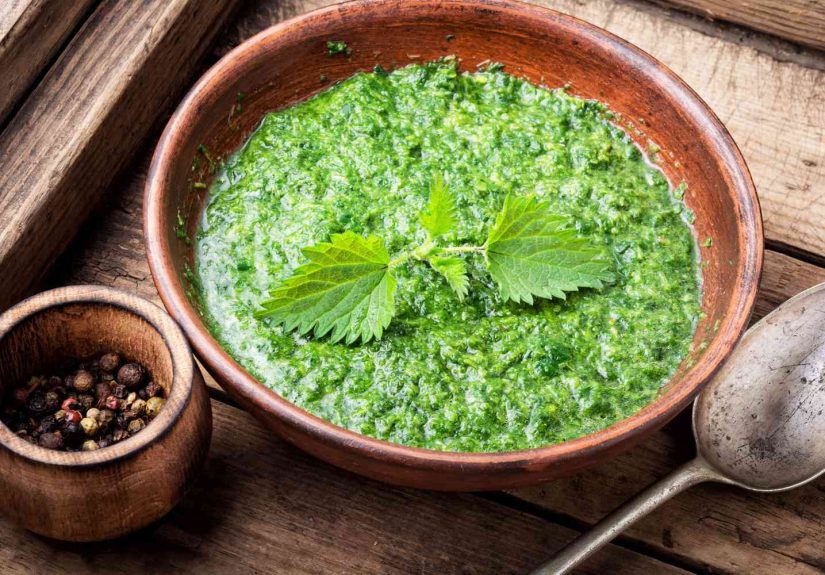
silky, emerald-green soup. But once you tame those tiny stingers with a little heat, nettles turn
into a delicate, spinach-like green that makes a deeply flavorful, nutrient-packed soup you’ll
want on repeat every spring.
This stinging nettles soup recipe walks you through everything: how to handle the plant safely,
how to coax out its best flavor, and how to turn a bag of wild greens into a cozy bowl that tastes
like the official start of spring. We’ll also touch on the potential health benefits, storage tips,
and a few fun twists so you can customize the soup to your taste.
Why Make Stinging Nettles Soup?
Nettles are one of those rare ingredients that check almost every box: wild, sustainable,
budget-friendly, and surprisingly gourmet once they hit the bowl. Cooked properly, stinging nettles
have a mild, earthy, slightly nutty flavor that falls somewhere between spinach, chard, and young
kale. Pair them with classic soup starters like leek, onion, garlic, and potato, and you get a creamy,
bright green soup that looks like it came from a fancy farm-to-table restaurant.
On top of flavor, nettles are naturally rich in vitamins A, C, and K, along with minerals like
iron, calcium, magnesium, and potassium. They’ve been used traditionally in herbal medicine for
centuries, and modern research has explored their potential anti-inflammatory, antioxidant, and
circulation-supporting effects. While nettle soup isn’t a magic cure-all (and shouldn’t replace
your prescribed treatment), it can absolutely be part of a varied, wholesome diet.
Add in the satisfaction of cooking with a “weed” that grows practically for free, and stinging nettles
soup becomes the ultimate feel-good recipe: good for your taste buds, your wallet, and the planet.
Before You Cook: Nettles 101
What Are Stinging Nettles?
Stinging nettles (botanical name Urtica dioica) are perennial plants found across much of
North America and Europe. They’re known for the tiny, hollow hairs on the stems and leaves that can
inject irritating compounds into the skin, causing that familiar tingling, itchy sting.
The important thing to know for cooking: once nettles are blanched, cooked, dried, or thoroughly
processed, the sting is neutralized. At that point they behave like any other leafy green in soups,
sautés, pestos, or teas.
How to Forage or Buy Nettles Safely
If you’re foraging:
- Wear sturdy gloves and long sleeves to avoid getting stung.
- Use scissors to clip just the top few inches (tender tips and young leaves).
- Harvest in spring or early summer, before the plants flower and become tough.
- Avoid roadside ditches, industrial areas, and places that may be sprayed with herbicides or visited by pets.
If you’re not into foraging adventures, you may be able to find fresh nettles at:
- Farmers markets in spring
- Specialty grocery stores that carry wild or seasonal produce
- Forager-focused CSAs or local co-ops
At home, store fresh nettles in the refrigerator, loosely wrapped in a damp paper towel inside a
bag or container. Keep your gloves on when handling them until they’ve been blanched or cooked.
How Cooking Neutralizes the Sting
Nettles sting because their tiny hairs act like miniature hypodermic needles, delivering irritating
substances when they break against your skin. The good news is that heat quickly deactivates these hairs.
A brief blanch in boiling water or a gentle simmer in broth is enough to make nettles completely safe
(and comfortable) to eat.
That’s why recipes for nettle soup almost always include a step where the leaves are either blanched
first or added directly to hot liquid and cooked until they wilt. Once that happens, they’re about as
scary as a bowl of spinach.
Stinging Nettles Soup Recipe
This recipe makes a creamy, blended stinging nettles soup with a classic potato-and-leek base.
It’s flexible, so you can easily make it dairy-free or vegetarian with a few small swaps.
Servings and Time
- Serves: 4–6
- Prep Time: 20 minutes (including cleaning nettles)
- Cook Time: 25–30 minutes
Ingredients
- 8 cups loosely packed fresh stinging nettle tops (about 4–5 ounces / 115–140 g), tough stems removed
- 2 tablespoons butter or olive oil
- 1 medium leek, white and light green parts only, sliced (or 1 medium onion, chopped)
- 2 cloves garlic, minced
- 2 medium potatoes, peeled and diced (about 2 cups)
- 4 cups (1 quart) vegetable or chicken broth
- 1 bay leaf (optional)
- 1/4 teaspoon freshly grated nutmeg (optional but delicious with greens)
- 1/2–3/4 teaspoon fine sea salt, or to taste
- Freshly ground black pepper, to taste
- 2–4 tablespoons heavy cream, half-and-half, or full-fat coconut milk (optional for creaminess)
- 1–2 tablespoons fresh lemon juice, or to taste
- Plain yogurt, crème fraîche, toasted seeds, or fresh herbs for garnish (optional)
Equipment
- Large pot or Dutch oven
- Gloves and tongs for handling nettles
- Colander
- Blender or immersion blender
Step-by-Step Instructions
-
Prep the nettles. Put on gloves. Rinse the nettle tops thoroughly in cool water to
remove dirt or insects. Shake off excess water, but don’t worry about drying them completely. -
Optional blanching step (extra safety and color).
Bring a pot of salted water to a boil. Using tongs, add the nettles and blanch for about 60 seconds,
just until they wilt and turn a deep, bright green. Use tongs or a slotted spoon to transfer them to
a bowl of ice water to stop the cooking. Drain well, squeeze out excess water (you can use gloves or
a spoon), and roughly chop. This step guarantees no sting and helps lock in color. -
Sauté the aromatics. In your main soup pot, heat the butter or olive oil over
medium heat. Add the sliced leek (or onion) and cook for 5–7 minutes, stirring occasionally, until
softened and translucent but not browned. Add the garlic and cook for 30–60 seconds, just until fragrant. -
Add potatoes and broth. Stir in the diced potatoes, then pour in the broth.
Add the bay leaf if using. Bring the mixture to a gentle boil, then reduce the heat and simmer for
about 10–12 minutes, or until the potatoes are just tender when pierced with a fork. -
Add the nettles. Add the blanched, chopped nettles to the pot. If you skipped
the blanching step, add the cleaned nettles directly and use your spoon to push them down into the hot liquid.
Simmer for another 5–8 minutes, until the potatoes are very soft and the nettles are completely wilted. -
Season and aromatize. Remove the bay leaf. Stir in the nutmeg if using, and
season with salt and pepper. Start with about 1/2 teaspoon of salt and adjust later. -
Blend the soup. Use an immersion blender to puree the soup directly in the pot
until silky and smooth. Alternatively, carefully blend in batches in a countertop blender, venting the lid
slightly and holding it with a towel to avoid steam buildup. Return blended soup to the pot. -
Add creaminess (optional). Stir in the cream, half-and-half, or coconut milk if
you’d like a richer, velvety texture. Simmer gently for 1–2 minutes moredo not let it boil hard after adding cream. -
Brighten with lemon. Turn off the heat and stir in 1–2 tablespoons of lemon juice
to taste. This perks up the flavor of the greens and balances the earthy notes. -
Final taste test. Taste and adjust seasoning: more salt, more pepper, or a little extra
lemon juice if it feels flat. The soup should taste savory, fresh, and slightly tangy. -
Serve. Ladle into bowls and garnish with a swirl of yogurt or crème fraîche,
a sprinkle of toasted pumpkin seeds or sunflower seeds, and fresh herbs like dill, parsley, or chives, if desired.
Simple Variations
-
Vegan nettle soup: Use olive oil instead of butter, vegetable broth instead of chicken,
and full-fat coconut milk or a cashew cream in place of dairy cream. -
Extra greens: Add a handful of spinach, kale, or wild garlic leaves along with the nettles
for a more complex, layered green flavor. -
Chunky version: Blend only half the soup and mix it back in, leaving some potato and nettle
pieces for texture. - Protein boost: Stir in cooked white beans, shredded chicken, or top each bowl with a soft-boiled egg.
Tips for the Best Stinging Nettles Soup
-
Use young nettles. Tender spring shoots and top leaves have the best flavor and texture.
Older leaves can taste bitter and feel stringy. -
Don’t skip the lemon. Acid is your friend hereit brightens the greens and keeps the soup
from tasting flat or “muddy.” -
Blend thoroughly. Nettles have more structure than spinach. For a silky restaurant-style texture,
blend longer than you think you need to. -
Store smart. Refrigerate leftovers in a sealed container for up to 3 days. The color may darken slightly,
but the flavor actually deepens in a nice way. -
Freeze for later. Let the soup cool completely, then freeze in portions for up to 2–3 months.
Thaw overnight in the fridge and reheat gently, adding a splash of water or broth if it thickens too much.
Is Stinging Nettles Soup Good for You?
Nettles are naturally nutrient-dense. They provide vitamins A and C (important for immunity and skin health),
vitamin K (important for normal blood clotting), and minerals like calcium, iron, magnesium, and potassium,
which help support bone health, muscle function, and fluid balance. The leaves also contain plant compounds
with antioxidant and anti-inflammatory activity, which researchers are studying for potential roles in managing
conditions like seasonal allergies, joint discomfort, and metabolic health.
Of course, eating nettle soup is not the same as taking a standardized supplement, and it’s not a treatment
for any health condition. Think of it as a nourishing, vegetable-rich meal that happens to showcase a
traditional medicinal plant. If you’re pregnant, breastfeeding, have kidney or heart issues, take blood
pressure or blood-thinning medication, or use herbal supplements regularly, it’s always a good idea to
check with your healthcare professional before consuming nettles frequently in large amounts.
How to Serve Stinging Nettles Soup
Stinging nettles soup is versatile and fits into a lot of different meal situations:
- Light lunch: Serve a bowl with crusty sourdough bread, rye toast, or a grilled cheese sandwich.
-
Starter course: Offer small portions in mugs or shallow bowls before roasted chicken, salmon,
or a spring vegetable tart. - Brunch upgrade: Top each bowl with a poached or soft-boiled egg and a drizzle of olive oil.
-
Garnish ideas: Swirls of yogurt, crème fraîche, or olive oil; toasted nuts or seeds;
croutons; shaved Parmesan; or edible flowers if you’re feeling extra fancy.
Experience Corner: What It’s Really Like to Make Nettle Soup
If you’ve never cooked with stinging nettles before, the idea can feel a little wild:
“So I’m supposed to eat the plant that once attacked my bare ankles on a hiking trail?”
But in practice, the process is surprisingly simple and oddly satisfyinglike turning a mild villain
into the hero of your dinner table.
The first moment of truth usually happens at the sink. You’re standing there in gloves,
rinsing a bowl of spiky green leaves, thinking, “Am I really about to eat this?” As you swish the nettles
in the water, you start to notice how fresh they smellgreen, a little earthy, almost like rain on a forest floor.
It’s a reminder that this is real food, not something that came out of a plastic bag.
Then comes the blanching step. You drop the nettles into boiling water, and within seconds they soften and
transform from prickly troublemakers into glossy, relaxed leaves. When you lift them out with tongs, they look
suddenly tameno visible menace, just a pile of greens that could be spinach’s slightly more adventurous cousin.
That’s often the moment people realize, “Oh, this is totally manageable.”
As the soup simmers, the kitchen starts to smell like a mix of leek, garlic, and warm broth, with a subtle
mineral-green undertone from the nettles. It doesn’t smell “weedy” or strange; it just smells like good soup.
If you’re using potatoes, the starch adds that classic comfort-food aroma, the kind that makes everyone wander
into the kitchen asking, “What are you making?”
Blending the soup is where the magic really happens. One second you have a pot of pale broth with green leaves;
a minute later you’ve got a smooth, deeply colored green soup that looks almost too pretty to eat. A splash of
cream or coconut milk softens the color and adds a luxurious texture, while a little lemon wakes everything up.
Tasting that first spoonful, most people are surprised by how gentle and familiar it isno bitterness, no harshness,
just a balanced, savory, slightly nutty flavor.
It’s also a very “hands-on” recipe in the best possible way. You’re not just opening cans and dumping
them into a pot; you’re working with whole ingredients, trimming, rinsing, blanching, and blending. If you
harvested the nettles yourself, there’s an extra level of satisfaction knowing you turned a wild, prickly plant
into a comforting, beautiful meal. It’s the culinary version of a glow-up.
And yes, there’s always a tiny bit of bragging rights. Serving stinging nettles soup is an instant conversation
starter. Guests will ask questions (“Does it still sting?”, “Where did you find nettles?”, “Are you secretly a
forest wizard?”), and you get to explain the process like a seasoned forager-chef. By the time they’ve finished
their bowl, most people are just impressed that a humble “weed” can taste so much like spring in a spoon.
Over time, many home cooks find that nettle soup becomes a kind of seasonal ritual. The first tender shoots
appear, you grab your gloves and basket (or head to the farmers market), and you know it’s the moment to make
that first bright green pot of the year. It’s a simple recipe, but it connects you to the rhythms of the seasons
in a very real, delicious way.







 Close
Close