
Table of Contents >> Show >> Hide
- What Are Cheddar Scalloped Potatoes, Exactly?
- Why This Recipe Works
- Ingredients
- Equipment You’ll Be Glad You Used
- Step-by-Step: How to Make Cheddar Cheese Scalloped Potatoes
- Flavor Upgrades (Without Making It Complicated)
- Troubleshooting: Save the Pan
- Make-Ahead, Storage, and Reheating
- What to Serve With Cheddar Cheese Scalloped Potatoes
- Conclusion
- Kitchen Experiences: The Real-Life Lessons Behind the Cheddar
- SEO Tags
There are two kinds of people in this world: the ones who “save room for sides,” and the ones who
lie and then quietly go back for more scalloped potatoes. If you’re here for a pan of
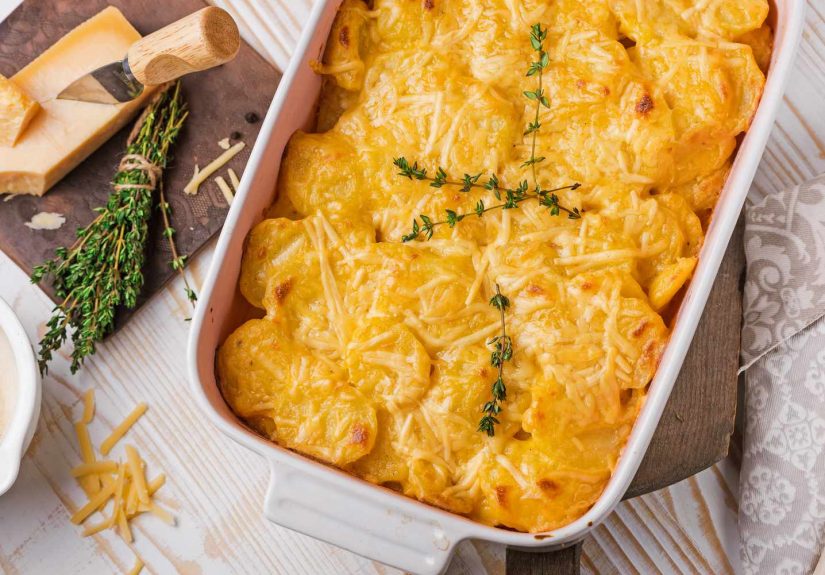
cheesy, creamy, bubbling comfort with a golden top and tender layers that practically melt into each otherwelcome.
This cheddar cheese scalloped potatoes recipe is the kind of dish that makes the main course a supporting actor.
We’re going to do it the smart way: thin, even slices; a sauce that stays silky (not grainy or broken);
seasoning in every layer; and a bake strategy that prevents the classic tragedy of “burnt top, crunchy middle.”
You’ll end up with a casserole that slices cleanly, tastes deeply savory, and smells like you just won
Best Person at the Potluck.
What Are Cheddar Scalloped Potatoes, Exactly?
Traditional scalloped potatoes are thinly sliced potatoes baked in a creamy sauce. In the real world (aka American kitchens),
cheese often enters the chatusually cheddarmaking the dish taste like a warm hug with better boundaries.
You’ll also hear “au gratin” thrown around. Technically, gratin leans into cheese (and sometimes breadcrumbs) as a defining feature.
Practically, both are delicious and nobody has ever stormed out of Thanksgiving because your label was slightly wrong.
Why This Recipe Works
- Even slicing means the potatoes finish at the same time (no crunchy surprise zones).
- A proper roux thickens the sauce so it clings instead of puddling.
- Full-fat dairy + gentle heat keeps the cheddar smooth rather than splitting into “sad cheese sand.”
- Covered then uncovered baking cooks the center thoroughly and still gets that golden top.
- Seasoning every layer prevents the dreaded bland casserole core.
Ingredients
Makes 8–10 servings (9×13-inch baking dish)
For the potatoes
- 3 1/2 to 4 pounds potatoes (russet for extra tenderness, Yukon Gold for buttery textureor a mix)
- 1 small onion, finely diced (or thinly sliced if you love onion ribbons)
- 2 cloves garlic, minced
- Salt and black pepper, to taste
- Butter, for greasing the dish
For the cheddar cheese sauce
- 4 tablespoons unsalted butter
- 1/4 cup all-purpose flour
- 2 cups whole milk
- 1 cup heavy cream (or half-and-half for slightly lighter results)
- 1 teaspoon Dijon mustard (optional but highly recommended)
- 1/2 teaspoon ground mustard (or a pinch more, to taste)
- Pinch of nutmeg (optionalquietly magical)
- 2 1/2 cups sharp cheddar, shredded (about 10 ounces), plus 1/2 to 1 cup for topping
- 1/3 cup Parmesan (optional, for extra savory depth)
- Optional add-ins: thyme, chives, paprika, cayenne, cooked bacon, diced ham
Equipment You’ll Be Glad You Used
- Mandoline (carefully!) or a sharp knife for consistent slices
- 9×13-inch baking dish or 3-quart casserole dish
- Saucepan + whisk
- Foil
Step-by-Step: How to Make Cheddar Cheese Scalloped Potatoes
1) Prep the oven and the dish
Preheat your oven to 375°F. Butter a 9×13-inch baking dish.
(Be generous. Potatoes are lovely, but they are not known for respecting personal space.)
2) Slice the potatoes evenly
Peel the potatoes (optionalpeels are fine if you like a rustic vibe, but classic scalloped potatoes are usually peeled).
Slice into 1/8-inch rounds. Evenness matters more than perfection.
Note on soaking/rinsing: If you’re slicing ahead, keep potatoes submerged in cold water to prevent browning.
When ready to assemble, drain well and pat dry. For the best sauce cling and natural thickening, don’t leave them
soaking right up until assembly without dryingwet potatoes can water down your masterpiece.
3) Make the silky cheddar sauce (no cheese trauma)
In a saucepan over medium heat, melt the butter. Add diced onion and cook 3–5 minutes until softened.
Add garlic and cook 30 seconds (just until fragrantgarlic burns faster than your motivation on a Monday).
Sprinkle in the flour and whisk constantly for about 1–2 minutes. You’re cooking out the raw flour taste
and building the base of a classic creamy sauce.
Slowly whisk in the milk, then the cream. Keep whisking until smooth. Bring to a gentle simmer and cook
2–4 minutes until the sauce thickens enough to coat a spoon.
Remove from heat. Stir in Dijon, ground mustard, nutmeg (if using), plus a solid pinch of salt and pepper.
Now add the shredded cheddar (and Parmesan if using) in handfuls, stirring until melted and smooth.
Important: Don’t boil the sauce after adding cheesehigh heat can make cheddar grainy or split.
4) Layer like you mean it
Spoon a thin layer of sauce into the bottom of the dish (this helps prevent sticking and jumpstarts creamy vibes).
Add half the potato slices, slightly overlapping. Season with salt and pepper.
Pour over about half the cheese sauce.
Repeat with the remaining potatoes. Season again. Pour on the rest of the sauce.
Sprinkle the top with 1/2 to 1 cup extra cheddar.
5) Bake covered, then uncovered
Cover tightly with foil and bake for 45–55 minutes. Remove foil and bake another
20–30 minutes, until the top is golden and the potatoes are tender when pierced with a knife.
If you want extra browning, broil for 1–3 minutesbut stay nearby. Broilers turn “golden” into “coal”
in the time it takes to check a text.
6) Rest before slicing
Let the casserole rest 15–20 minutes. This helps the sauce set so you get neat slices instead of
“cheddar lava flow” (delicious, but chaotic).
Flavor Upgrades (Without Making It Complicated)
Cheese choices
- Sharp cheddar = classic, bold flavor.
- White cheddar = slightly tangier, great for a cleaner look.
- Gruyère + cheddar = nutty + sharp, restaurant-level richness.
- Smoked cheddar = subtle BBQ energy (use half smoked, half sharp).
Seasonings that actually matter
- Mustard (Dijon or powdered) boosts cheese flavor without screaming “I added mustard.”
- Thyme adds cozy, herby depth.
- Nutmeg is a classic creamy-sauce trickuse a pinch, not a snowstorm.
- Paprika or cayenne adds warmth and color.
Add-ins for “main-character side dish” status
- Ham: fold 1–2 cups diced cooked ham between layers.
- Bacon: sprinkle crumbled cooked bacon on top near the end of baking.
- Caramelized onions: swap for diced onion if you want sweetness and depth.
- Jalapeños: for the brave and the slightly chaotic (in a good way).
Troubleshooting: Save the Pan
“My potatoes are still crunchy.”
- Slices were too thick. Aim for 1/8-inch.
- The dish wasn’t tightly covered at firststeam helps cook the potatoes through.
- Your oven runs cool. Bake covered longer, then check multiple spots with a knife.
“The sauce is watery.”
- Not enough thickening time on the stove. The sauce should coat a spoon before layering.
- Potatoes weren’t dried after soaking (extra water dilutes the sauce).
- Underbaked casserolelet it bubble and set, then rest before slicing.
“My cheese sauce turned grainy.”
- Cheese was added over too high heat or the sauce boiled after cheese went in.
- Use full-fat dairy; low-fat products are more likely to split.
- Shred your own cheddar if you canpre-shredded cheese often has anti-caking agents that can affect melt.
“The top is getting too dark.”
- Cover loosely with foil for the remaining bake time.
- Move the dish to a slightly lower rack position.
Make-Ahead, Storage, and Reheating
Make-ahead options
- Slice ahead: keep potatoes in cold water in the fridge, then drain and dry before assembling.
- Assemble ahead (best within 24 hours): cover and refrigerate; let sit at room temp 30 minutes before baking.
- Par-bake: bake covered until mostly tender, cool, refrigerate, then finish uncovered to brown.
Storing leftovers
Refrigerate tightly covered for 3–5 days. The potatoes will absorb sauce over time (still tasty, just thicker).
Reheating
- Oven: 350°F, covered, 20–30 minutes (add a splash of milk if needed).
- Microwave: works for single portions, but the oven keeps the best texture.
What to Serve With Cheddar Cheese Scalloped Potatoes
These are famously great with baked ham, roast chicken, turkey, steak, or pork tenderloin.
For balance, pair with something green and crunchy: a simple salad, roasted broccoli, green beans, or Brussels sprouts.
This dish is richlet the rest of the plate do a little cardio.
Conclusion
Cheddar cheese scalloped potatoes are proof that “simple ingredients” can still deliver big, cozy dramain the best way.
With thin slices, a well-seasoned cheddar sauce, and the covered-then-uncovered bake, you’ll get tender layers and a golden top
that make people hover around the casserole dish like it’s giving out free compliments.
Make it for holidays, potlucks, Sunday dinners, or on a random Tuesday when you need a win.
Just remember: rest the pan before cutting, and guard the corner pieces like they’re rare gemstones.
Kitchen Experiences: The Real-Life Lessons Behind the Cheddar
The first time I made cheesy scalloped potatoes, I learned a universal truth: potatoes are humble, but they will absolutely
expose your overconfidence. I was feeling unstoppablemusic on, apron tied, cheddar piled high like I was building a dairy monument.
Then I pulled the dish out and discovered the classic two-layer plot twist: the top was gorgeous and bronzed, and the middle was…
auditioning for a role as “crisp autumn leaf.” Crunchy potatoes are not a vibe. They are a warning label.
That’s when I became a convert to the “slice evenly and cover first” method. A tight foil seal isn’t just fussy tradition; it’s
basically a tiny steam sauna for your potato rounds. Once I started giving the dish that covered baking time, the texture shifted from
stubborn to silky. And when the foil comes off later? That’s when you get the bubbly, caramelized top that makes everyone wander
into the kitchen “just to check on things” with an empty plate in hand.
I also learned the difference between “season the sauce” and “season the dish.” If you only salt the cheese sauce, you can still end up
with bland pockets because potatoes are enthusiastic sponges with zero natural swagger. The fix is simple: a sprinkle of salt and pepper
over each layer. It feels extra, but the payoff is hugesuddenly every bite tastes intentional instead of like it’s waiting for gravy
to rescue it.
Then there’s the mandoline. A mandoline is a magical tool that turns a 20-minute slicing job into a two-minute sprintright up until you
forget that it’s also an instrument of chaos. If you use one, use the guard. No casserole is worth donating a fingertip to the potato gods.
If you don’t have one, a sharp knife and patience work finejust aim for consistency. The potatoes don’t care if you’re an artist; they care
if half of them are 1/4-inch thick and the other half are paper thin. That’s how you get uneven cooking and sad dinner-table silence.
Over the years, I’ve watched this dish become a social phenomenon. At potlucks, people pretend they’re taking “a small portion,” then return
for a second scoop that somehow triples in volume. At holidays, someone always asks for the recipe, and someone else always says, “No, seriously,
what did you do to these?” The answer is usually not a secret ingredientit’s the boring-but-mighty fundamentals: full-fat dairy, gentle
heat when melting cheese, and enough time in the oven for the potatoes to actually become friends with the sauce.
My favorite moment is the rest period after baking. You set the dish down, the top is still popping and sizzling, and everyone wants to dive in
immediately. But if you wait 15 minutes, the sauce thickens, the layers settle, and you can cut clean squares that look like you planned your life
around casserole geometry. That small pause feels like torture in the momentbut it’s the difference between “cheddar soup with potatoes” and
“perfect scalloped potatoes that make people text you later asking when you’re making them again.”







 Close
Close