
Table of Contents >> Show >> Hide
- Introduction: The Ringing Question Everyone Wants Answered
- What Is Sonus Complete?
- Does Sonus Complete Cure Tinnitus?
- Why “Natural” Does Not Automatically Mean “Proven”
- Ingredient Analysis: What Looks Reasonable and What Needs Caution?
- Sonus Complete Reviews: Why Online Feedback Is Hard to Trust
- Buy with Caution: Red Flags to Watch Before Ordering
- Who Should Talk to a Doctor Before Trying Sonus Complete?
- What Actually Helps Tinnitus Management?
- Should You Buy Sonus Complete?
- Experience Section: A Realistic Consumer Journey with Sonus Complete
- Final Verdict: Sonus Complete Is Not a Proven Cure
- SEO Tags
Note: This article is for informational purposes only and should not replace advice from a licensed physician, audiologist, or ENT specialist.
Introduction: The Ringing Question Everyone Wants Answered
When tinnitus shows up, it does not knock politely. It barges into your day like a tiny cymbal player living rent-free inside your head. That is why products like Sonus Complete get attention fast. The supplement is marketed as a natural hearing-support formula for people dealing with ringing, buzzing, hissing, or other phantom sounds. The big question is simple: does Sonus Complete cure tinnitus?
The careful answer is: there is no strong public clinical evidence proving that Sonus Complete cures tinnitus. In fact, major medical sources are very clear that tinnitus usually has no universal cure, though many people can manage symptoms with the right evaluation and treatment plan. The National Institute on Deafness and Other Communication Disorders says there is currently no cure for tinnitus and that dietary supplements advertised as cures have not been proven effective.
That does not automatically mean every user review is fake or every ingredient is useless. It means shoppers should slow down, read labels, compare claims with evidence, and avoid letting hope do all the clicking. Hope is wonderful. Hope plus a credit card at 1:00 a.m.? That can get expensive.
What Is Sonus Complete?
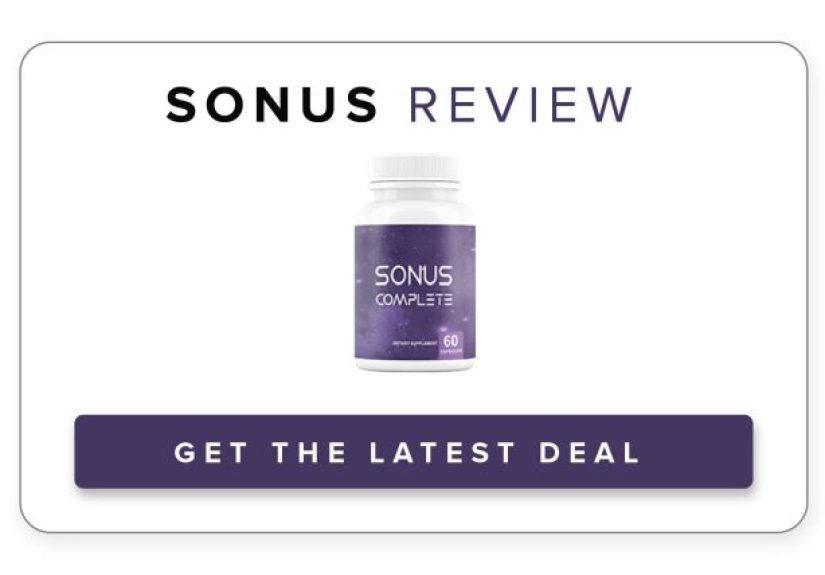
Sonus Complete is commonly presented online as a dietary supplement designed to support ear health, auditory function, circulation, and brain wellness. Public product pages describe it as a natural supplement intended to help reduce tinnitus symptoms by supporting the auditory system and brain health.
Several review and product-description pages list ingredients such as vitamin C, niacin, vitamin B6, folate, vitamin B12, hawthorn, garlic, olive leaf, hibiscus, buchu leaf, uva ursi, juniper berry, and green tea leaf. Because supplement formulas, labels, and sellers can change, anyone considering Sonus Complete should check the actual Supplement Facts panel on the bottle before buying or using it.
The formula is not usually positioned as a prescription medicine. It is sold in the broad category of “hearing support supplements” or “tinnitus supplements.” That category is crowded with big promises, soft disclaimers, glowing testimonials, and enough “breakthrough” language to make a lab coat blush.
Does Sonus Complete Cure Tinnitus?
No reliable evidence shows that Sonus Complete cures tinnitus. This is the most important point in any honest Sonus Complete review. Tinnitus is not one single disease with one single cause. It can be linked to hearing loss, loud noise exposure, earwax blockage, ear infections, medication side effects, jaw problems, blood vessel issues, stress, head or neck injuries, and other medical conditions.
Mayo Clinic notes that treatment often starts by looking for an underlying cause, and management may include hearing aids, sound therapy, tinnitus retraining therapy, or treatment for related medical problems. It also states that drugs cannot cure tinnitus, although some may help reduce severity or complications in certain cases.
The American Tinnitus Association takes a similar view: there is currently no scientifically proven cure for most cases of chronic tinnitus, especially cases related to sensorineural hearing loss. The goal of treatment is often to reduce distress, improve sleep, support hearing, and help the brain react less intensely to the sound.
So, if a marketing page or review suggests that Sonus Complete can “cure tinnitus from the root,” treat that claim like a suspicious email from a prince offering you gold bars. Maybe smile, but do not hand over your wallet without proof.
Why “Natural” Does Not Automatically Mean “Proven”
Many Sonus Complete reviews emphasize that the supplement contains natural ingredients. That can sound comforting, but natural does not always mean effective, risk-free, or appropriate for everyone. Poison ivy is natural too, and nobody is sprinkling it on oatmeal for wellness points.
The FDA explains that dietary supplements are regulated differently from drugs. In general, supplements do not have to be proven safe and effective by the FDA before they are sold. If a product is marketed to treat, prevent, cure, or alleviate symptoms of a disease, it may legally be considered a drug claim rather than a normal supplement claim.
The FTC also warns consumers to be careful with supplements that claim to cure health problems. It advises people to talk with a doctor before taking new supplements and to avoid products promoted as a “cure.”
This matters because tinnitus sufferers are often emotionally exhausted. When the ringing will not stop, a product promising silence can feel irresistible. But the more dramatic the promise, the more important the evidence becomes.
Ingredient Analysis: What Looks Reasonable and What Needs Caution?
B Vitamins
Vitamin B6, B12, folate, and niacin are often included in hearing and nerve-support formulas. If someone has a true vitamin deficiency, correcting it may improve general health and could help symptoms related to that deficiency. However, that is very different from saying a B-vitamin blend cures tinnitus. For most people with chronic tinnitus, supplementing without testing is more guesswork than science.
Garlic, Hawthorn, Hibiscus, and Olive Leaf
These ingredients are often discussed in relation to circulation, blood pressure, antioxidants, and cardiovascular wellness. Since some tinnitus cases can be influenced by vascular or blood-flow issues, the marketing logic is easy to understand. The problem is that logical-sounding does not equal clinically proven. A supplement can support general wellness and still fail to treat tinnitus directly.
Green Tea
Green tea contains antioxidants and small amounts of caffeine, depending on the extract. Some people tolerate it well; others are sensitive to caffeine or herbal extracts. Since tinnitus can feel worse with stress, poor sleep, or stimulant sensitivity in some individuals, people should pay attention to how their body responds.
Uva Ursi, Buchu, and Juniper Berry
These herbs are often associated with urinary or “detox” marketing language. “Detox” is one of those words that sounds scientific while wearing yoga pants. The body already has detox systems: liver, kidneys, lungs, skin, and digestive tract. Claims that herbs flush toxins from the brain or nervous system should be viewed with caution unless supported by strong clinical evidence.
Ginkgo-Like Claims and the Evidence Problem
Some tinnitus supplements lean on ingredients associated with circulation, including ginkgo-style claims. However, the American Academy of OtolaryngologyHead and Neck Surgery Foundation guideline says clinicians should not recommend ginkgo biloba, melatonin, zinc, or other dietary supplements for persistent, bothersome tinnitus.
Cochrane reviews have also found that ginkgo biloba may have little to no effect for tinnitus, with evidence often uncertain or low quality.
Sonus Complete Reviews: Why Online Feedback Is Hard to Trust
When researching Sonus Complete reviews, shoppers often find a strange pattern: many pages sound promotional, repeat similar claims, and focus heavily on buying links. That does not prove the product is a scam, but it does make independent evaluation harder.
Reliable reviews usually include balanced pros and cons, verified purchase details, realistic timelines, side-effect notes, refund experiences, and comparisons with medical guidance. Promotional reviews often sound like they were written by a marching band hired by the product: loud, excited, and not especially interested in nuance.
A trustworthy Sonus Complete review should answer these questions: Did the user have a medical diagnosis? How long had they experienced tinnitus? Did they also use hearing aids, sound therapy, sleep changes, or stress management? Did symptoms improve objectively or just fluctuate naturally? Did they stop the supplement and notice a difference? Were there side effects? Was the bottle purchased from a legitimate source?
Tinnitus can naturally rise and fall. A person might start a supplement during a bad week and feel better two weeks later because stress improved, sleep recovered, earwax was removed, medication changed, or the brain habituated. That improvement is real for the person, but it does not automatically prove the supplement caused it.
Buy with Caution: Red Flags to Watch Before Ordering
Buying Sonus Complete or any tinnitus supplement should involve more than reading the biggest headline on the sales page. Before purchasing, look for these warning signs:
- Cure language: Be cautious with claims that a supplement cures tinnitus permanently.
- No visible Supplement Facts panel: You should know exactly what you are taking.
- No dosage transparency: Proprietary blends can hide ingredient amounts.
- Fake urgency: “Only 3 bottles left” may be marketing theater.
- Overly perfect testimonials: Real reviews usually include details, limits, and mixed outcomes.
- Unclear refund policy: Read the fine print before buying multi-bottle bundles.
- No medical disclaimer: Responsible sellers do not position supplements as disease cures.
The FDA describes health fraud as products promoted to treat diseases or health conditions without being scientifically proven safe and effective for those uses.
Who Should Talk to a Doctor Before Trying Sonus Complete?
Anyone with tinnitus should consider medical evaluation, especially if the sound is new, sudden, one-sided, pulsing with the heartbeat, linked with hearing loss, dizziness, ear pain, drainage, headache, or neurological symptoms. These signs may point to a condition that needs proper diagnosis.
People taking blood thinners, blood pressure medication, diabetes medication, sedatives, antidepressants, or multiple prescriptions should be especially careful with herbal supplements. Ginkgo, for example, may increase bleeding risk in people taking anticoagulant drugs such as warfarin, according to the National Center for Complementary and Integrative Health.
Pregnant people, breastfeeding people, older adults, teens, and people with kidney, liver, heart, or bleeding disorders should not treat tinnitus with supplements without professional guidance. A supplement may look harmless on a website and still be a bad fit for a specific body.
What Actually Helps Tinnitus Management?
Evidence-based tinnitus care usually begins with identifying possible causes. An audiologist may perform a hearing test. An ENT may check for earwax, infection, eardrum issues, medication side effects, jaw or neck factors, or signs that imaging is needed.
Common management tools include hearing aids for people with hearing loss, sound therapy, counseling, cognitive behavioral therapy, sleep support, stress reduction, tinnitus retraining therapy, and treatment of underlying medical conditions. Cleveland Clinic describes tinnitus management as a plan that may include hearing aids, sound therapy, and cognitive behavioral therapy to help people cope with symptoms.
None of this sounds as exciting as “take two capsules and silence returns by Tuesday,” but it is more realistic. Tinnitus management is often a toolbox, not a magic wand. The best plan depends on the cause, severity, hearing status, lifestyle, stress level, sleep quality, and overall health.
Should You Buy Sonus Complete?
Buy with caution. Sonus Complete may appeal to people who want a natural supplement, but shoppers should not expect a proven tinnitus cure. The formula contains ingredients commonly seen in wellness supplements, yet public evidence proving that the complete product reverses or cures tinnitus is not convincing.
If you still want to try it, treat it as a personal wellness experiment rather than a medical solution. Start by asking a healthcare professional whether the ingredients are safe for you. Check for medication interactions. Buy only from a source with a clear refund policy. Avoid large bundles until you know how your body responds. Track symptoms in a simple journal: ringing intensity, sleep quality, stress level, caffeine intake, noise exposure, and any side effects.
Most importantly, do not delay medical evaluation for tinnitus that is sudden, severe, one-sided, pulsatile, or linked to hearing loss or dizziness. Supplements should never become a curtain hiding a medical issue behind a shiny label.
Experience Section: A Realistic Consumer Journey with Sonus Complete
Imagine a typical buyer named Mark. Mark is not a medical case study; he is the kind of person many tinnitus supplement ads seem designed for. He is tired, slightly annoyed, and has Googled “ringing in ears cure” so many times his browser probably needs therapy. He finds Sonus Complete reviews that sound encouraging. Some say the ringing faded. Some say sleep improved. Some talk about natural ingredients, brain support, and ear health. After a week of poor sleep, Mark is ready to believe anything that comes in a bottle and does not require an appointment.
At first, the buying experience feels hopeful. The website language is warm and confident. The product looks simple. The testimonials feel personal. The discount bundle appears cheaper per bottle, which makes the larger package tempting. This is where caution matters. A smart buyer pauses and asks: Is there a Supplement Facts panel? Are the ingredient amounts clear? Is the refund policy easy to understand? Are there independent reviews outside affiliate-style pages? Does the product claim to cure tinnitus, or does it use softer language like “support” and “promote”?
Suppose Mark buys one bottle instead of six. That is the cautious move. He also schedules a hearing test, because tinnitus is not just an inconvenience; it can be a signal. The audiologist finds mild high-frequency hearing loss from years of loud tools and concerts. Suddenly, Mark has context. His tinnitus is not a mysterious villain living in his ear canal. It is connected to hearing damage, stress, and poor sleep.
During the first two weeks, Mark takes the supplement as directed on the label. He also reduces late-night caffeine, wears hearing protection while mowing the lawn, uses a fan for gentle background sound at night, and stops doom-scrolling tinnitus forums before bed. By week three, the ringing feels less intrusive. Did Sonus Complete do that? Maybe. Maybe not. The improvement could come from better sleep, reduced anxiety, hearing protection, natural fluctuation, or simply paying attention to triggers. This is the tricky part with tinnitus supplements: when several changes happen at once, the supplement often gets all the credit, like the friend who arrives after the pizza is already delivered.
Now imagine another buyer, Lisa. She tries the same supplement and notices stomach upset. She also takes medication for blood pressure and occasionally uses anti-inflammatory medicine. Her doctor reviews the ingredient list and recommends stopping the supplement because herbal combinations can complicate medication management. Lisa’s experience is not a failure; it is useful information. “Natural” products still interact with real bodies.
The most practical experience-based lesson is this: Sonus Complete reviews should be read as stories, not proof. Some people may feel better while using it. Others may feel no change. A few may experience side effects or regret buying too many bottles. The safest approach is to combine skepticism with compassion. Tinnitus is frustrating, and people searching for relief are not foolish. They are human. But the best consumer decision is the one that protects both your ears and your wallet.
If you try Sonus Complete, define success before starting. For example: “I want my tinnitus distress score to drop from 7 to 5,” or “I want to sleep one hour longer without waking from the ringing.” Track results for 30 days. If nothing changes, do not keep buying because the next bottle might magically become a tiny ear wizard. Use that money for a hearing evaluation, sound therapy tools, better ear protection, or professional tinnitus counseling.
Final Verdict: Sonus Complete Is Not a Proven Cure
Sonus Complete is best understood as a dietary supplement marketed toward people with tinnitus and hearing-health concerns. It may contain familiar vitamins and herbal extracts, but there is no solid public evidence that it cures tinnitus. The strongest medical guidance still points toward evaluation, hearing care, sound management, cognitive behavioral strategies, and addressing underlying causes.
The bottom line: Sonus Complete may be worth discussing with a healthcare professional, but it should not be treated as a guaranteed tinnitus cure. Buy with caution, avoid exaggerated claims, and remember that silence is valuablebut evidence is valuable too.







 Close
Close