

Table of Contents >> Show >> Hide
- What Does It Mean to Feel Like “Someone”?
- Why Being Seen Matters More Than We Pretend
- Where People Stop Feeling Like Someone
- How to Make Someone Feel Like Someone
- How to Feel Like Someone Again When You’ve Felt Invisible
- Why Communities Matter, Not Just Individuals
- Experiences Related to the Topic “Someone”
- Conclusion
There is a strange little ache that shows up when you walk into a room and feel invisible. You can be surrounded by people, notifications, meetings, family group chats, and three hundred unread emails that all somehow say, “circle back,” and still feel like a ghost in your own life. On paper, you are a person. In practice, you want to feel like someonesomeone known, someone valued, someone whose presence changes the room just a little.
That desire is not dramatic. It is not needy. It is not a personality flaw wrapped in a cute cardigan. It is deeply human. Research across psychology, aging, public health, and social connection keeps landing on the same point: people thrive when they feel seen, supported, and connected. Belonging affects mental health, physical health, learning, resilience, and even the way we move through ordinary days. In other words, being “someone” is not just a poetic idea. It is a health issue, a relationship issue, and a quality-of-life issue.
This article takes the broad title Someone and gives it real shape. We are talking about the human need to feel recognized, the science of belonging, the role of relationships in self-worth, and the small things that make a person feel less like a placeholder and more like a whole person. Because sometimes the difference between a hard season and a survivable one is simple: somebody made you feel like someone.
What Does It Mean to Feel Like “Someone”?
Feeling like someone usually comes down to four basic experiences: being noticed, being understood, being valued, and being included. It is the sense that your existence is not background noise. You matter in your family, workplace, community, or circle of friends. You are not merely present; you are recognized.
That feeling shows up in everyday ways. A manager remembers what you are good at and trusts you with meaningful work. A friend texts, “How did the doctor appointment go?” without needing a reminder. A partner listens without launching into repair mode like a home-improvement show host with a power drill. A teacher makes room for the quiet student. A neighbor knows your name, not just your package delivery habits.
Psychologists often describe this as belonging, validation, social connection, or mattering. The vocabulary changes, but the emotional experience is similar. People want to know they count. They want to believe their thoughts, feelings, and contributions are real and relevant.
Why Being Seen Matters More Than We Pretend
Modern life loves efficiency. Humans, unfortunately, are not email attachments. We do not function best when reduced to output, calendar slots, or profile pictures. Feeling connected to other people supports emotional stability, lowers stress, and helps people recover from difficult periods. Strong social relationships are also linked to better long-term health outcomes, while loneliness and social isolation are associated with higher risks for depression, anxiety, cognitive decline, heart disease, and other serious health concerns.
Belonging supports mental health
When people feel like outsiders for long stretches of time, their minds often start filling in the blanks with harsh stories: “Nobody wants me here.” “I am behind.” “I am too much.” “I am not enough.” Those beliefs can shape behavior quickly. People withdraw, second-guess themselves, avoid opportunities, and interpret neutral situations as rejection. Belonging interrupts that spiral. It gives the brain evidence that says, “You are safe here. You are part of this. Keep going.”
This is one reason supportive relationships matter so much. They do not just make life nicer; they help stabilize how people think and feel. When someone feels supported, they are often more resilient under stress and more willing to ask for help before a problem gets bigger.
Social connection affects the body, too
People sometimes talk about loneliness as if it were a soft issue, like a scented candle problem. It is not. Public health experts have spent years showing that chronic disconnection can influence physical health in measurable ways. Social connection helps regulate stress, encourages healthier habits, and gives people more reasons to stay engaged in daily life. Feeling like someone can help people keep appointments, take medication, go for a walk, eat with others, sleep better, and remain connected to purpose.
Self-worth and relationships work both ways
One of the most useful ideas from psychology is that self-esteem and relationships are reciprocal. Healthy relationships can strengthen how people feel about themselves, and a stronger sense of self can help people build better relationships. That means belonging is not just something we receive from the outside. It becomes part of how we carry ourselves. Over time, being treated like someone helps a person believe they are someone.
Where People Stop Feeling Like Someone
The problem is not that humans stopped needing connection. The problem is that many environments make connection weirdly difficult.
At work
Many workplaces reward performance while starving recognition. Employees may receive feedback only when something breaks, not when something works. Meetings can become stages for the loudest people in the room. Remote work can add flexibility, but it can also flatten human interaction into pings, deadlines, and that one coworker who starts every message with “gentle reminder,” which has never once felt gentle.
When people do not feel respected, included, or known at work, motivation drops. Belonging in professional settings is not about endless team-building games or mandatory fun with stale muffins. It is about trust, fairness, voice, and the feeling that your work has meaning.
At home
People can feel unseen even inside loving families. Routine can do that. So can stress. Caregivers, parents, teens, older adults, and partners often fall into roles so efficiently that their inner lives disappear behind the job description. “Mom.” “Dad.” “The strong one.” “The one who handles everything.” “Grandpa.” “The responsible sibling.” The label stays visible; the person underneath it gets fuzzy.
That is often when resentment, loneliness, and emotional exhaustion creep in. A person may be constantly needed but rarely known.
Online
Digital life creates a bizarre illusion of closeness. You can be updated on everyone and connected to no one. Social media can provide community, support, and discovery, but it can also turn recognition into performance. Being noticed is not always the same as being known. A hundred likes cannot ask how your week actually went. An algorithm may know what shoes you almost bought, but it does not know why you cried in the parking lot after a long day.
How to Make Someone Feel Like Someone
The good news is that belonging is often built through small, repeatable behaviors rather than giant cinematic speeches in the rain. You do not need a violin soundtrack. You need attention.
1. Notice specifics
General praise is nice. Specific recognition is better. “You always make complicated things easier to understand.” “I noticed how patient you were with your daughter.” “You ask thoughtful questions in meetings.” These comments tell a person that you actually see them, not just their silhouette.
2. Ask follow-up questions
“How are you?” is polite. “How did the move go?” “Did your test results come back?” “How are you holding up after last week?” is connection. Follow-up communicates memory, care, and continuity. It tells people they are not starting from scratch every time they speak.
3. Validate before solving
Many people rush to fix what should first be witnessed. Validation does not mean agreeing with every conclusion. It means acknowledging the experience. “That sounds exhausting.” “I can see why you felt hurt.” “Anyone would be overwhelmed by that.” When people feel emotionally validated, they are more likely to calm down, open up, and trust the relationship.
4. Invite, do not assume
Inclusion matters. Invite people into plans, decisions, and conversations. Ask for their opinion. Leave space for quieter voices. Belonging often grows when someone realizes, “There is room for me here.”
5. Build rituals of connection
Texting a friend every Friday, eating dinner without screens, taking a daily walk with a neighbor, checking in with an older relative on Sundays, or starting meetings with one honest minute of human conversation can all strengthen connection. Small rituals create dependable belonging. They say, “You have a place here, and it will still be here next week.”
How to Feel Like Someone Again When You’ve Felt Invisible
Not everyone is waiting around with a perfect support system and a soup delivery schedule. Sometimes you have to rebuild your sense of personhood from the studs up.
Start with one real connection
You do not need to become the mayor of your social life overnight. Start with one person who feels safe enough for honesty. Send the text. Reply to the invitation. Join the class. Go to the support group. Show up regularly enough that familiarity has a chance to become trust.
Choose places where participation matters
Belonging grows faster in places where people contribute, not just consume. Volunteer groups, hobby clubs, faith communities, neighborhood organizations, book groups, team sports, and skill-based classes often help people feel useful and known. Purpose and connection tend to travel together.
Tell a truer story about yourself
People who feel invisible often absorb the wrong explanation. They assume they are uninteresting, unwanted, or forgettable. Usually the truth is less dramatic and more structural: they have been isolated, overworked, grieving, excluded, or stuck in environments that do not recognize them well. That is painful, but it is different from being unworthy.
Seek help when disconnection becomes heavy
If feeling unseen has turned into ongoing depression, anxiety, hopelessness, or withdrawal from everyday life, it may be time to talk with a mental health professional. Connection is powerful, but sometimes people need support rebuilding it. Reaching out for help does not make you less “someone.” It is often the first act of treating yourself like someone worth caring for.
Why Communities Matter, Not Just Individuals
We often frame loneliness and belonging as personal problems with personal solutions: call a friend, join a club, be more open, put your phone down, touch grass, et cetera. Some of that advice is useful. But connection is also shaped by systems and environments. Schools, workplaces, neighborhoods, healthcare settings, and public spaces can either increase belonging or quietly drain it.
Communities that support connection tend to have places where people gather, traditions that welcome participation, and norms that make care visible. Think of libraries, parks, community centers, faith communities, local events, shared meals, mentorship programs, and workplaces where people are treated like humans rather than interchangeable keyboard operators. Social infrastructure matters because it creates repeated chances for people to become known to one another.
That means the answer to “How do we help people feel like someone?” is bigger than self-help. It includes designing homes, policies, schools, and routines that make real contact easier.
Experiences Related to the Topic “Someone”
One of the clearest experiences related to this topic happens during transition periods. A student moves to a new school and goes from being well known to being “the new kid.” The facts about that person have not changed overnight, but the feeling of personhood often does. Suddenly nobody knows the jokes they make, the music they like, or the subject they are secretly great at. Then one teacher learns their name quickly, comments on a thoughtful answer, and asks them to help with a project. That tiny interaction can shift an entire week. The student is no longer just a body in a seat. They are someone.
The same thing happens in adulthood more often than people admit. A new employee enters a company full of acronyms, mystery calendars, and people who say “Let’s take that offline” even when nobody knows where “offline” actually is. For the first few weeks, that employee may feel replaceable. Then a coworker takes time to explain the culture, remembers something they said in passing, and gives credit for a useful idea in a meeting. It is a small professional courtesy on the outside, but internally it can feel enormous. Recognition turns competence into confidence.
Caregiving offers another powerful example. Parents of young children, adult children caring for aging parents, or spouses supporting a partner through illness often become deeply necessary and oddly invisible at the same time. Everyone depends on them, yet few people ask how they are doing. When a friend drops off dinner and says, “I know everyone is worried about your mom, but how are you holding up?” that question can break the spell of invisibility. For a moment, the caregiver is not just a function. They are a person with a life, a body, and emotions that matter.
Older adulthood can bring its own version of this experience. Retirement, widowhood, health changes, or reduced mobility can shrink daily contact in ways that are both practical and emotional. A person who once felt woven into the world can start to feel sidelined by it. Yet meaningful recognition still has enormous power. A neighbor who stops to chat, a grandchild who asks for advice, a volunteer group that depends on someone’s knowledge, or a regular coffee date can help restore the sense that a person is still connected to the flow of life rather than standing outside of it.
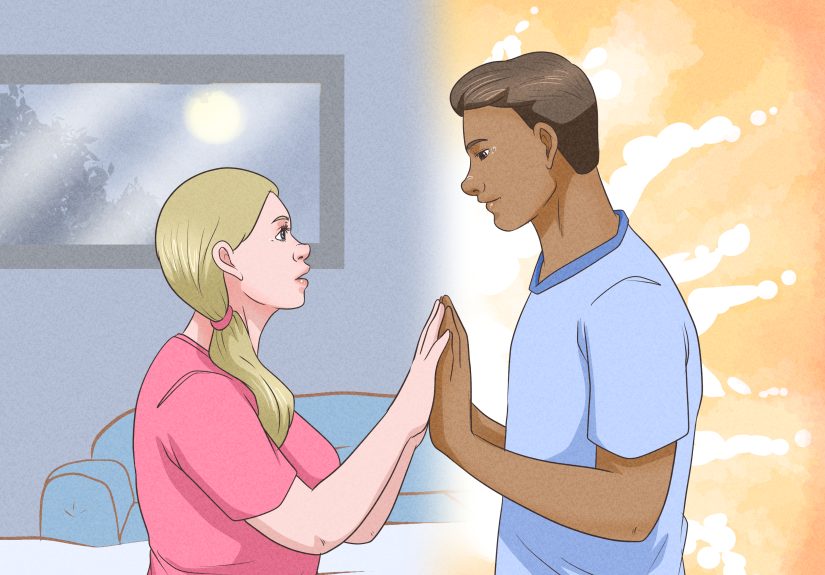
Even romantic relationships reveal the difference between attention and true recognition. Plenty of people have had the experience of being around a partner who technically listens but emotionally scans the room like weak Wi-Fi. By contrast, feeling deeply known often comes from simple moments: your partner notices you are quieter than usual, remembers what triggers your stress, or understands the joke behind your eye roll across a crowded room. Love is not only grand gestures. Sometimes it is the deeply ordinary comfort of being accurately perceived.
And then there is friendship, that glorious category where somebody can remember your coffee order, your ex’s ridiculous nickname, and the exact day you need to be reminded not to spiral. Friendship often makes people feel like someone because it holds memory. A good friend keeps track of the version of you that can get lost under pressure. They remind you who you are when life gets loud.
These experiences all point to the same truth: people do not become “someone” because they perform perfectly. They become “someone” in relationshipthrough memory, attention, inclusion, trust, and care. That is why the smallest moments can feel so big. They answer one of the oldest human questions without making a speech about it: “Do I matter here?” When the answer is yes, people stand taller. They participate more. They heal better. They often become better at helping others feel like someone, too.
Conclusion
The title Someone may sound simple, but the human need underneath it is anything but small. People need to feel seen, known, valued, and connected. That need shows up in classrooms, offices, families, neighborhoods, friendships, and quiet personal battles nobody else notices right away. When people feel like someone, they tend to function better, connect more deeply, and move through life with more resilience. When they feel invisible, the cost can spread into mental health, physical health, and everyday well-being.
The encouraging part is this: making someone feel like someone is often possible through ordinary human behavior. Remember a detail. Ask a better question. Validate an emotion. Share credit. Make room. Follow up. Stay in touch. The grand solution is not always grand. Often, it is one person choosing to pay real attention to another person.





 Close
Close