
Table of Contents >> Show >> Hide
- The Real Goal Isn’t “Toast”It’s “Dry, Sturdy, Absorbent”
- So… Should You Toast the Bread First?
- The Best Bread for French Toast (and Why It Matters More Than Toasting)
- Better Than Toasting: 3 Ways to Dry Bread for French Toast
- Custard Matters: A Simple Formula That Actually Works
- Soak Time: The Most Misunderstood Part of French Toast
- Cooking: How to Get Crisp Edges Without Burning
- What Toasting Changes (and What It Doesn’t)
- Quick Decision Guide: Toast or Don’t Toast?
- Real-Kitchen Experiences & Mini Experiments (Add This to Your French Toast Life)
- Conclusion
- SEO Tags
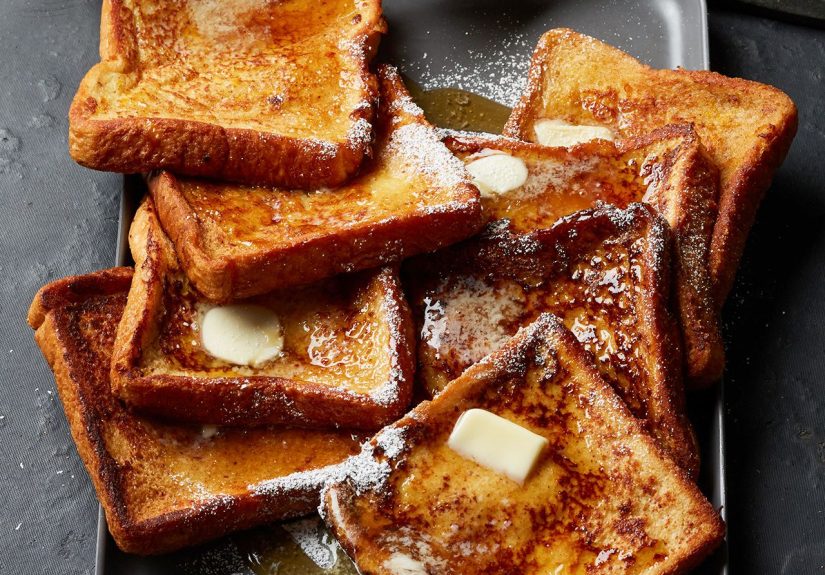
French toast is one of those foods that feels like it should be impossible to mess up. It’s just bread taking a luxurious bath, right? And yetsomewhere between “golden-brown brunch hero” and “sad, wet sponge,” a lot can go wrong. Which brings us to the surprisingly spicy question: Should you toast the bread before making French toast?
The short answer: sometimes yes, sometimes no. The better answer: toasting is just one way to solve the real problemgetting bread dry and sturdy enough to absorb custard without collapsing into pudding… unless you actually want it to become pudding (in which case, carry on, you delicious chaos goblin).
The Real Goal Isn’t “Toast”It’s “Dry, Sturdy, Absorbent”
French toast lives and dies by texture: a custardy interior with a crisp, browned exterior. That texture depends on how well the bread soaks up the egg-and-dairy mixture (the “custard”) without turning into a floppy mess.
Fresh breadespecially soft sandwich breadcontains a lot of moisture and has a delicate crumb structure. When you dunk it, it can tear, slump, and melt into the bowl before it ever sees a pan. Drying the bread (by staling, toasting, or low-oven drying) firms up the structure so it can drink in custard like an adult at bottomless mimosas brunch: enthusiastically, but still upright.
So… Should You Toast the Bread First?
Toasting can be a smart move when your bread is very fresh, very soft, or very thin. A light toast removes surface moisture and builds a slightly sturdier shell, making it easier to soak without shredding. It can also help you get more defined browning and a sturdier slice that flips like a professional instead of a tragic omelet accident.
But toasting is not mandatory. Many recipes rely on day-old bread (or bread dried in a low oven) because you want the bread to be dry, not necessarily crunchy. If you toast too hard, you can create a barrier that slows custard absorption or leaves the center dry while the outside over-browns. In other words: the toast can become the boss of the soakand not in a helpful way.
Use Toasting When…
- You’re using supermarket sandwich bread (soft, squishy, and emotionally fragile).
- Your bread is fresh and you didn’t plan ahead to let it stale.
- You want a firmer French toast with more bite and less bread-pudding vibe.
- You’re making a big batch and need slices that won’t disintegrate while waiting their turn.
Skip Toasting When…
- Your bread is already a day or two old and sturdy (hello, ideal scenario).
- You’re using thick-cut brioche/challah/Pullman and aiming for a super custardy interior.
- You’re doing a long soak (minutes per side or an overnight bake) where full hydration matters more than a stiff shell.
- You’re chasing “soft and creamy” rather than “firm and crisp.”
The Best Bread for French Toast (and Why It Matters More Than Toasting)
Bread choice is the first domino. Pick the wrong loaf and no amount of toasting will save you. The best options are sturdy, slightly rich, and thick enough to soak without collapsing.
Top Picks
- Brioche: Rich, tender, and absorbs custard beautifully. Best if slightly stale or gently dried first.
- Challah: Similar perks to brioche, with structure that holds up well to soaking.
- Pullman loaf (pain de mie): Soft but sturdy, slices evenly, and cooks up like diner-style perfection.
- Thick-cut white bread / Texas toast: The weeknight MVPespecially if you dry it a bit first.
Good “If You Know What You’re Doing” Options
- Sourdough: Great structure and a tangy counterbalance to syrup. Because yes, breakfast can have nuance.
- French bread/baguette: Works well sliced thick, especially for a chewier bite (but can take longer to hydrate).
What to Avoid
- Thin, flimsy sandwich slices unless you toast or oven-dry first.
- Very crusty artisan loaves if you want quick stovetop French toastthese can stay dry inside while browning outside.
Better Than Toasting: 3 Ways to Dry Bread for French Toast
If the reason you’re toasting is “my bread is too fresh,” you’ve got options. Here are the most reliable ways to get bread French-toast-ready without turning it into a crunchy crouton audition tape.
1) Air-Dry (Best for Planners and People Who Accidentally Left Bread Out)
Lay slices on a rack or baking sheet for a few hours, or overnight. The goal is firmness, not staleness so intense it could be used as a doorstop. Bonus: you also avoid the “bread in the fridge” traprefrigeration can make bread stale faster in a not-very-delicious way.
2) Low Oven “Drying” (Best for Perfect Texture)
Place slices on a wire rack set in a baking sheet and dry in a low oven until the bread feels firmer and drier to the touch. You’re not trying to brown itjust reduce moisture evenly so the custard soaks in without the slice collapsing.
3) Light Toasting (Best for Speed)
If you’re in a hurry, a light toast works. Keep it pale. Think “barely there tan,” not “I went to the beach without sunscreen.” You want structure and dryness, not a hard crust that fights the soak.
Custard Matters: A Simple Formula That Actually Works
French toast custard isn’t just eggs and milkit’s the seasoning, the salt, and the fat content that decide whether your toast tastes like cinnamon-scented dreams or like eggs that panicked and moved in with bread.
A Reliable Base for 8 Thick Slices
- 4 large eggs
- 1 cup dairy (milk for classic; add some cream for richer, more “restaurant” vibes)
- 1–2 tablespoons sugar (optional, but helpful for browning and flavor)
- 1 teaspoon vanilla
- Pinch of salt (non-negotiablesalt makes sweet things taste more like themselves)
- Cinnamon/nutmeg/orange zest if you like warm-spice energy
Tip: whisk until smooth, but don’t whip in a ton of bubblesbubbles cook into weird little foam freckles. Not harmful, just… confusing.
Soak Time: The Most Misunderstood Part of French Toast
Soak time depends on bread thickness and dryness. The goal is bread that feels heavy with custard but still holds its shape. Too short and you get “eggy toast.” Too long and you get “breakfast tiramisu” (which is not necessarily badjust be honest with yourself).
Quick Soak (Classic Skillet French Toast)
- Thin to medium slices: about 15–30 seconds per side
- Thick slices: 30–60 seconds per side, sometimes longer if the bread is very dry
Long Soak (Custardy, Bread-Pudding Style)
- Very thick brioche/challah: minutes per side, or even a longer rest/soak when baking
If you toasted the bread first, you may need a little extra soak time because the surface is drier and firmer. If you didn’t toast (and your bread is soft), keep the soak shorter to prevent collapse.
Cooking: How to Get Crisp Edges Without Burning
Here’s where French toast goes from “good” to “why did I ever pay $18 for brunch?”. The biggest mistakes are: too much heat, not enough fat, and overcrowding the pan.
Pan Setup
- Heat a skillet or griddle over medium (medium-low if your stove runs hot).
- Use a mix of butter and neutral oil for flavor + burn prevention.
- Cook in batches. Slices need breathing room to brown instead of steam.
Timing
Cook until deep golden brown on the first side, flip, and finish the second side. If your slices are thick and you love a custardy center, you can finish them in a warm oven for a few minutes so the middle sets without torching the outside.
What Toasting Changes (and What It Doesn’t)
Toasting does help when the bread is too fresh, too soft, or too thin. It reduces surface moisture and gives you a sturdier slice. It can also nudge the texture toward “firm and crisp” rather than “soft and custardy.”
Toasting doesn’t fix a weak custard, a pan that’s too hot, or bread sliced paper-thin like you’re making a sandwich for a hamster. It also won’t magically produce a custardy interior if you never give the custard time to soak in.
Quick Decision Guide: Toast or Don’t Toast?
- Using fresh sandwich bread? Light toast or low-oven dry it first.
- Using day-old brioche/challah? Skip toasting; dry lightly only if it feels too soft.
- Want ultra-custardy “bread pudding” French toast? Skip toasting; go thick, soak longer, cook gently.
- Want sturdier diner-style slices? Toast lightly or oven-dry, then do a shorter soak.
Real-Kitchen Experiences & Mini Experiments (Add This to Your French Toast Life)
If you’ve ever made French toast and thought, “Why is the outside gorgeous but the inside suspiciously… damp?” you’re in excellent company. This is one of those recipes where tiny tweaks feel dramatic, because bread is basically a sponge with ambition. Here are some real-world scenarios (and what usually happens) that can help you decide whether to toast first.
The “I Woke Up and Chose Brunch” Scenario
You’ve got fresh bread, you’ve got eggs, and you’ve got exactly zero patience for waiting. If you dip fresh, soft bread straight into custard, it tends to soak unevenly: the surface goes soggy fast, and the center stays stubbornly bread-y. A quick, pale toast helps here. It firms the slice so you can flip it in the custard without it tearing, and it buys you time in the panmeaning you can cook it through without the whole thing turning into sweet scrambled eggs on a sad raft.
The “My Bread Is Fancy and I’m Not Ruining It” Scenario
Brioche and challah feel like they were invented specifically to be French toast. They’re rich, tender, and already halfway to dessert. But they’re also delicate when super fresh. Instead of fully toasting (which can create a crusty outside that resists soaking), try a gentler approach: lay thick slices out for a few hours, or dry them briefly in a low oven. You’ll keep that plush, custardy center while avoiding the dreaded “collapsing slice” problem.
The Side-by-Side Test You Can Do Without Becoming a Food Scientist
Next time, make two slices different on purpose: Slice A goes in as-is. Slice B gets a light toast (barely golden). Use the same custard, same soak time, same pan heat. The usual result? The toasted slice browns a little more predictably and feels sturdier, while the untoasted slice can be softer and sometimes more custardy but also more likely to go soggy if the bread was very fresh.
The best part is you’re not looking for a universal winner. You’re looking for your winner: the texture you’d happily eat three pieces of and then pretend you only had one.
The “Crowd Control” Scenario
When you’re cooking for other people, French toast becomes a logistics game. Slices sit, pans cycle, and timing gets weird. Slightly drying the bread firstvia low oven or light toastmakes the slices more resilient. They hold shape in the custard, survive a warm oven without collapsing, and stay pleasantly crisp at the edges. This matters when you’re trying to serve a table at once instead of performing an endless one-person French-toast conveyor belt.
The “I Accidentally Made Dessert” Scenario (Not a Problem, Just a Direction)
If you like ultra-rich, almost spoonable French toast, skip pre-toasting and embrace a longer soak with thick bread and a richer custard (some cream, a pinch more salt, maybe orange zest). Cook lower and slower, finish in the oven if needed, and enjoy the fact that you have essentially created “pan-fried bread pudding” in disguise. This is the path of maximal coziness.
Bottom line from these kitchen realities: toasting is a tool, not a rule. Use it when your bread needs structure and dryness. Skip it when your bread is already sturdy and you want that luxurious custardy center. Either way, you’re still making French toastso you’re already winning breakfast.
Conclusion
So, should you toast the bread before making French toast? If your bread is fresh, soft, or thin, a light toast (or low-oven drying) can be the difference between crisp, golden success and soggy regret. If your bread is thick and a little staleespecially brioche, challah, or Pullman you can usually skip the toaster and focus on a well-seasoned custard, smart soak time, and gentle heat.
French toast isn’t about following one rigid trick. It’s about matching the method to the bread you’ve got and the texture you want. The best French toast is the one that makes you pause mid-bite and think, “I should probably make this again tomorrow.” (You should.)






 Close
Close