
Table of Contents >> Show >> Hide
- What Is a Red Green Plaid Runner, Exactly?
- Why This Pattern Never Seems to Go Out of Style
- Where a Red Green Plaid Runner Works Best
- How to Style a Red Green Plaid Runner Without Overdoing It
- Choosing the Right Fabric and Size
- What to Look for When Buying One
- How to Care for a Red Green Plaid Runner
- Common Styling Mistakes to Avoid
- Why It Works for More Than Just Holiday Décor
- Experiences and Everyday Moments With a Red Green Plaid Runner
- Conclusion
A red green plaid runner does something magical to a room without making a big dramatic speech about it. It quietly says, “Yes, this house has taste,” while also whispering, “And yes, we probably know how to make the holidays feel cozy.” Whether you spread one down the center of a dining table, layer it over a sideboard, or use it to wake up a sleepy console, this classic textile brings warmth, structure, and personality in one very hardworking strip of fabric.
Part of the appeal is obvious: the color pairing feels timeless. Red and green have long been associated with winter celebrations, but a plaid runner is not locked into a single holiday. Depending on the scale of the pattern, the fabric, and the way you style it, it can look rustic, traditional, preppy, farmhouse, cabin-inspired, or surprisingly polished. In other words, it can go from “Christmas dinner at Grandma’s” to “designer holiday spread with taper candles and brass accents” without breaking a sweat.
What Is a Red Green Plaid Runner, Exactly?
A red green plaid runner is a long, narrow textile designed to sit across the center of a table or other surface. The pattern usually features intersecting lines or blocks in shades of red and green, often with touches of cream, black, gold, or white. Some versions lean into tartan-inspired tradition, while others go softer with muted checks or modern, oversized plaid motifs.
Functionally, a runner helps define a tablescape. Visually, it creates a central path for candles, greenery, serving dishes, or decorative objects. Emotionally, it makes a table feel dressed. That may sound dramatic for a rectangle of fabric, but anyone who has ever put down a plain tabletop and then added a plaid runner knows the difference. One is “we are eating.” The other is “we are gathering.”
Why This Pattern Never Seems to Go Out of Style
Plaid has serious staying power because it balances order and comfort. The grid gives it structure, while the woven look keeps it friendly. It feels collected rather than flashy. And because Americans often use “plaid” as a broad term for tartan-style patterns, the look carries a little old-world charm without requiring a history lecture during dessert.
Red and green plaid also succeeds because it works with natural materials. Wood tables, linen napkins, ceramic dinnerware, pine garlands, brass candlesticks, and stoneware bowls all play nicely with it. The runner becomes the visual bridge that ties everything together. It can warm up a modern dining room, make a farmhouse table feel intentional, or add a touch of tradition to a very minimal space.
Another reason it lasts: it is flexible. A crisp, tightly woven plaid runner with tailored hems reads refined. A softer cotton runner with fringe feels casual and welcoming. A cotton-linen blend can split the difference beautifully. This is why shoppers keep returning to plaid season after season. It is not one-note. It adapts.
Where a Red Green Plaid Runner Works Best
Dining Tables
This is the classic placement, and for good reason. On a dining table, a plaid runner instantly creates a focal line. It can anchor centerpieces, protect the surface from serving ware, and make everyday meals feel a little less weekday and a little more worth sitting down for. For holiday dinners, it practically earns employee-of-the-month status.
Kitchen Islands
If your dining table already has enough going on, a kitchen island is the next smart choice. A runner softens a large hard surface and makes practical spaces feel festive. Add a wooden bowl of clementines, a few candles, and maybe some clipped greenery, and suddenly the island stops looking like a homework station with crumbs.
Console Tables and Sideboards
A red green plaid runner can also work beyond the dining room. Drape it across a console in the entryway, under a lamp and a tray, or across a sideboard topped with serving pieces. It adds depth and color without taking over the whole area. This is especially useful if you want a festive touch but do not want your home to look like a holiday gift shop exploded indoors.
Coffee Tables and Dressers
Used carefully, a runner can bring softness and seasonal texture to smaller surfaces. On a coffee table, it works best when the pattern is not too busy and the decorative objects stay low enough for conversation. On a dresser or bench, it can create a layered, collected look that feels cozy rather than overly themed.
How to Style a Red Green Plaid Runner Without Overdoing It
Keep the Rest of the Table Calm
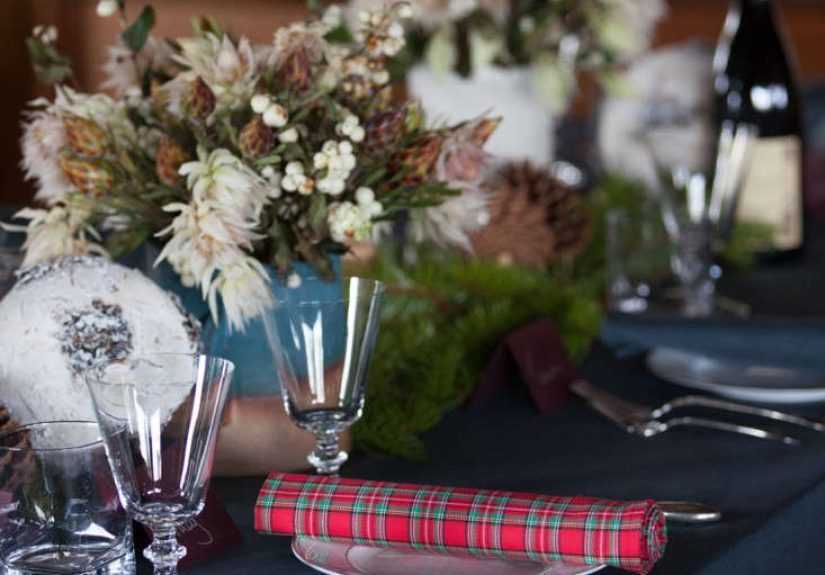
Plaid already brings pattern, so let the supporting cast behave. Solid dinner plates, simple glassware, and neutral napkins help the runner shine. White, cream, forest green, matte black, and warm metallics are reliable companions. You do not need every object on the table auditioning for the same leading role.
Use Natural Texture for Balance
Greenery, wood, pinecones, dried citrus, woven chargers, and stoneware bowls all soften the sharper geometry of plaid. This combination is what makes the look feel layered instead of stiff. A runner that might otherwise seem formal becomes welcoming when paired with natural textures and slightly imperfect elements.
Add Height in Small Doses
Taper candles or slim candlesticks look especially good over plaid because they create vertical movement without blocking the pattern. The trick is moderation. A few candles spaced along the runner feel elegant; a dense forest of candlesticks feels like your table is preparing for a séance.
Mix in Metallic Accents
Gold and brass warm up red green plaid beautifully, while silver can make it feel a little crisper and more traditional. A brushed metal flatware set, a gold-rimmed glass, or a few metallic ornaments tucked into greenery can elevate the entire look with very little effort.
Choosing the Right Fabric and Size
Fabric matters more than people think. Cotton runners are popular because they are durable, approachable, and often easy to wash. Linen and cotton-linen blends bring a softer drape and a more relaxed elegance. Heavier woven versions can feel especially substantial for holiday use, while lighter runners work better if you want to leave them out beyond one season.
As for size, many table runners are designed in lengths such as 72, 90, or 120 inches. The right size depends on your table length and the look you want. A runner can either hang over the ends for a more traditional presentation or sit neatly within the tabletop for a cleaner, modern effect. Neither choice is wrong. The real mistake is using one that is so short it looks like it gave up halfway through the assignment.
If your table has bold grain or a high-contrast finish, a runner with some visual weight helps it hold its own. If the table is already visually busy, choose a more refined plaid with smaller lines and fewer competing colors. Pattern scale changes everything.
What to Look for When Buying One
Start with the mood you want. If you love a heritage look, choose a tartan-inspired pattern with deeper reds, rich greens, and maybe a hint of navy or black. If you prefer a softer, more transitional style, look for muted shades, washed cotton, or a plaid that uses cream as a buffer.
Next, check construction details. Hemmed edges, lined or reversible designs, and yarn-dyed fabric often give runners a more polished appearance and better longevity. A quality runner should lie fairly flat, feel sturdy in the hand, and avoid that suspiciously shiny finish that says, “I may not survive one enthusiastic gravy spill.”
Washability is another major point. Many cotton and cotton-blend runners are machine washable, which is very good news for anyone serving cranberry sauce, mulled wine, or children with confidence levels that exceed their motor skills. If you entertain often, easy care is not boring; it is smart.
How to Care for a Red Green Plaid Runner
Always check the care label first, because fabric blends vary. In general, cotton and many blends do well with cool or cold water, gentle detergent, and low-heat drying or air drying. Linen and linen blends usually prefer gentler handling and may benefit from light ironing while still slightly damp.
For wrinkles, a warm iron can sharpen the look quickly, especially before a dinner party. For storage, fold it neatly and keep it in a dry place away from direct sunlight to protect the colors. If you want to avoid harsh creases, roll it around a cardboard tube or store it flat in a linen drawer.
And yes, spot-cleaning is useful between big events. But if the runner has seen roast drippings, wax spots, and a mystery stain no one is emotionally ready to discuss, it is time for a real wash.
Common Styling Mistakes to Avoid
The first mistake is over-layering. Plaid is powerful. You do not need plaid napkins, plaid plates, plaid bows, plaid chair cushions, and plaid ribbon on the chandelier unless your design goal is “festive optical illusion.” Let the runner be the pattern hero and build around it.
The second mistake is ignoring proportion. A very narrow runner on a broad farmhouse table can feel visually lost. A heavy, dark tartan on a tiny café table can feel overpowering. Match the weight of the runner to the scale of the furniture.
The third mistake is treating the runner as holiday-only if it actually suits your home. A red green plaid runner can work beautifully from late fall through winter, especially when paired with wood, evergreen tones, neutral dishes, and simple ceramics. It does not need to vanish the second the calendar flips.
Why It Works for More Than Just Holiday Décor
The best red green plaid runner is not just decorative; it is atmospheric. It adds softness to hard surfaces, order to busy tabletops, and warmth to rooms that might otherwise feel plain. It can make a quick breakfast feel cozy, a dinner party feel considered, and a buffet table look far more expensive than it really is.
That is the secret to its popularity. It is practical enough to use, pretty enough to admire, and familiar enough to make people feel at home. In the world of home décor, that is a rare triple threat.
Experiences and Everyday Moments With a Red Green Plaid Runner
One of the most charming things about a red green plaid runner is how quickly it changes the mood of a room. You can place it on a bare table in less than a minute, and suddenly the whole space feels intentional. I have seen plain wood tables go from “we should probably wipe that down” to “this looks ready for a magazine photo shoot” with one simple runner and a bowl of fruit. It is almost unfair how effective it is.
For many people, the experience starts around the holidays, but the runner often stays longer than expected. It appears in late November, earns compliments in December, survives a few cookie crumbs in January, and then somehow is still there in February because everyone in the house has become emotionally attached. That is the thing about plaid: it feels festive at first, then familiar, then necessary.
It also has a way of making gatherings feel easier. When friends come over for soup, cider, brunch, or dessert, the table already looks welcoming before the food even arrives. There is less pressure to decorate extensively because the runner has already done half the work. Add candles and napkins, and you are finished. It is the décor equivalent of having one friend who is so naturally charming that everyone else can relax a little.
Families often build memories around these objects without realizing it. Kids remember the table looking “holiday nice.” Guests remember where they sat, what was served, and how warm the room felt. The runner becomes part of the visual memory, tucked in beside the roast, the pie, the laughter, and the annual debate over whether anyone actually needs more mashed potatoes. The answer, by the way, is always yes.
There is also something satisfying about using a plaid runner in everyday life, not just special events. A weekday dinner feels cozier. A morning coffee on a quiet winter weekend feels calmer. Even a sideboard with mail and keys looks more polished when a runner brings color and structure underneath the chaos. It reminds you that home does not have to be perfect to feel cared for.
And that may be the real beauty of a red green plaid runner. It is not just a decorative accessory. It is a mood setter, a background player in family traditions, and a very affordable way to make ordinary spaces feel rich in character. It does not shout. It invites. It softens. It warms. It makes a table feel like a place where people should linger, talk longer, and maybe reach for one more cookie before getting up. For a strip of fabric, that is a pretty impressive résumé.
Conclusion
A red green plaid runner remains a favorite because it combines tradition, flexibility, and function in one simple piece. It works on dining tables, consoles, and kitchen islands; pairs beautifully with natural textures and classic dinnerware; and offers enough personality to shape a room without overwhelming it. Choose the right size, pick a fabric that matches your lifestyle, keep the styling balanced, and this timeless accent can carry your home from fall through winter with ease. Cozy, polished, and endlessly versatile, it proves that great decorating does not always require a complete makeover. Sometimes it just needs a very good runner.





 Close
Close