
Table of Contents >> Show >> Hide
- Why Scabs Are So Weirdly Tempting
- Quick Self-Check: Habit or Skin Picking Disorder?
- The Stop-Picking System (Three Layers That Actually Work)
- The “Hands Caught in the Act” Emergency Plan (30 Seconds)
- How to Heal Faster and Minimize Scars (Without Buying a Shelf of Potions)
- FAQs People Secretly Google at 2:00 a.m.
- Conclusion: You’re Not “Bad at Self-Control”You Need a Better Setup
- Bonus: Real-World Experiences (The Part That Makes You Feel Less Alone)
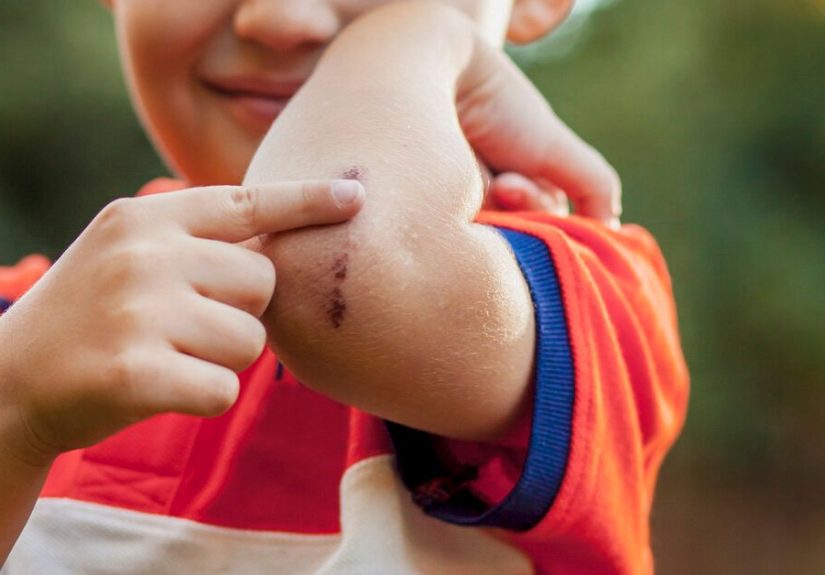
A scab is basically your body’s “Do Not Disturb” sign. And yetsomehowour fingers treat it like a scratch-off lottery ticket.
If you’ve ever caught yourself picking a scab while watching TV, driving, studying, or “just checking” a bump in the mirror
(and then checking it 47 more times), you’re not alone.
This guide covers how to stop picking scabs (even when it feels automatic), how to tell when it’s becoming a
compulsive skin picking pattern, and how to support wound healing so you minimize scarring and
stop restarting the healing process like it’s your least favorite video game level.
Why Scabs Are So Weirdly Tempting
1) Biology: your body made a bandage… out of you
Scabs form as part of normal healing: blood and proteins create a protective crust over a wound. The catch? Scabs can feel
tight, itchy, bumpy, or “uneven,” and your brain interprets that as: fix it.
Unfortunately, picking pulls off new fragile tissue and can reopen the wound, increasing the chances of a longer heal time,
infection, and more noticeable scarring.
2) Psychology: picking can become a “mini reward loop”
For many people, picking starts as grooming or “tidying up.” Then the brain learns the pattern:
trigger → urge → pick → brief relief. Relief is a powerful teacher.
Over time, the behavior can shift into a body-focused repetitive behavior (BFRB), where picking happens either:
- Automatically (without noticing, often during screens or stress)
- Focused (you feel tension/urge and intentionally pick to reduce it)
3) Sensory stuff is real (and not silly)
Texture, dryness, raised edges, and “one tiny flap” can be major triggers. Some people are more sensitive to bodily sensations,
and a scab can feel like a tiny pebble in your sockyour brain refuses to ignore it.
Quick Self-Check: Habit or Skin Picking Disorder?
Plenty of people pick occasionally. It may be worth extra support if you recognize patterns like:
- You pick daily or for long stretches (minutes turning into hours).
- You’ve tried to stop, but urges feel overpowering.
- You cause bleeding, sores, infections, or noticeable scars.
- You feel shame, avoid social situations, or hide skin.
- You pick even when you don’t want tolike your hands made the decision without your permission.
If this hits home, you’re not “weak.” You’re dealing with a behavior pattern that responds best to evidence-based tools
(and sometimes professional care). Consider this article your field guide, not a judgment.
The Stop-Picking System (Three Layers That Actually Work)
The fastest way to stop picking scabs is to stop treating it like a willpower problem. It’s usually a
setup problem. You want a system that works even when you’re tired, stressed, bored, or halfway through a show.
Layer 1: Skin strategy (make the scab less pickable)
Dermatology basics: clean + moist + covered. A dry scab is crunchy, raised, and basically begging to be “fixed.”
Moist wound care supports healing and can reduce scab formation in the first place.
- Clean gently with mild soap and water. Pat dryno aggressive scrubbing.
-
Keep it moist with a thin layer of petroleum jelly (plain, boring, effective).
Skip daily use of harsh antiseptics unless a clinician told you tothey can irritate tissue and slow healing. -
Cover it with a bandage or a hydrocolloid patch. This is both wound care and behavior change:
a physical barrier plus a reminder. - Reduce the “edge”: if bandage adhesive triggers you (yes, that’s a thing), use paper tape or a silicone-friendly option.
-
Handle itch safely: tap around the area, use a cool compress, moisturize surrounding skin, and consider an OTC anti-itch product
if appropriate for you. Itch is often a picking trigger disguised as “a quick check.”
Layer 2: Environment strategy (remove the “autopilot moments”)
Most scab picking happens in predictable places: mirrors, beds, desks, cars, bathrooms, meetings, and the couch.
Your goal is to redesign those moments.
-
Identify your picking hotspots: bathroom mirror, scrolling in bed, Zoom calls, studying, driving.
These are not moral failures; they’re predictable cues. - Change the lighting: bright mirror lighting can trigger “inspection mode.” Softer light can reduce scanning.
- Block access: bandages, hydrocolloid patches, long sleeves, gloves at home, or fingertip covers during peak triggers.
- Keep hands busy: a fidget ring, therapy putty, textured keychain, stress ball, knittinganything that gives your fingers a job.
- Nail management: keep nails short and smooth. Jagged nails are basically lockpicks.
Specific example: If you pick while streaming shows, keep hydrocolloid patches on healing spots and keep a fidget in the hand you
normally pick with. You’re not “stopping”; you’re re-routing.
Layer 3: Brain strategy (treat the urge like a wave, not a command)
For compulsive picking, the brain strategy matters most. Evidence-based approaches often include
cognitive behavioral therapy (CBT) and habit reversal training (HRT).
Some people also use a broader framework called the Comprehensive Behavioral (ComB) model.
- Awareness training: learn your early warning signs (hand wandering, scanning, “just one second,” mirror lean-in).
-
Competing response: when the urge hits, do a behavior that makes picking impossible for 30–60 seconds
(clench fists, sit on hands, squeeze putty, hold a cold drink, knit a few stitches). - Stimulus control: modify triggers (bandage first, cover mirrors, keep tweezers out of reach, remove “picking tools” from the area).
-
Urge surfing: rate the urge 1–10, breathe, and watch it rise and fall. Urges typically peak and pass if you delay.
Your job is not “never feel it,” but “ride it without acting.” -
Stress skills: if picking is your nervous system’s coping tool, you’ll need alternativeswalks, short workouts,
grounding exercises, journaling, or quick calls with a friend.
Important note: Some people benefit from addressing related conditions (anxiety, OCD traits, ADHD, depression) with a clinician.
There isn’t a one-size-fits-all medication for picking, but treatment plans sometimes include medication as part of the whole picture.
The “Hands Caught in the Act” Emergency Plan (30 Seconds)
When you notice you’re picking, do this fast sequenceno drama, no shame:
- Pause and name it: “I’m picking.” (Labeling reduces autopilot.)
- Block access: press a clean tissue or bandage onto the area.
- Compete for 60 seconds: fists, putty, stress ball, hold a cold glass, fold laundryanything incompatible with picking.
- Reset the skin: petroleum jelly + cover.
- Move locations: change rooms, stand up, wash hands. Environment change breaks loops.
You don’t need to “win forever.” You need to win this minute. Small wins stack.
How to Heal Faster and Minimize Scars (Without Buying a Shelf of Potions)
Step 1: Keep the wound in “healing mode”
If it’s still open or weepy, focus on gentle care:
- Clean daily with mild soap and water.
- Apply a thin layer of petroleum jelly to prevent drying and cracking.
- Cover with a clean bandage or hydrocolloid dressing.
- Avoid picking the scab (yes, I know why you’re here).
Step 2: Know the infection red flags (don’t “tough it out”)
Seek medical advice if you notice spreading redness, warmth, swelling, increasing pain, pus, fever,
red streaking, or a wound that’s getting worse instead of better. Infection can make scarring more likelyand it’s not a DIY situation.
Step 3: Once the skin is closed, shift to scar care
Scars change over time. Many fade significantly over months. If you want to help the process:
- Sun protection: UV exposure can darken healing marks. Use sunscreen and/or cover the area.
-
Silicone gel or silicone sheets: commonly used for raised scars (hypertrophic scars, some keloids).
Consistency matters more than hype. - Gentle massage: once fully closed and not tender, massage can help soften tight scar tissue for some people.
- Moisturize: dry, tight skin can itchand itch can trigger picking relapse.
Step 4: When to see a dermatologist about scars
If you develop thick raised scars, painful keloids, repeated infections, or widespread picking wounds, a dermatologist can offer options
(and can coordinate with mental health care when needed). This isn’t “extra.” It’s smart.
FAQs People Secretly Google at 2:00 a.m.
Does picking scabs always cause scars?
Not alwaysbut it increases the odds, especially if you reopen the wound repeatedly, cause bleeding, or trigger infection.
Is it better to let a scab “air out”?
For many minor wounds, moist and covered healing helps the skin repair more smoothly than leaving it dry and exposed.
(Also, “airing out” often equals “easy access for your fingers.”)
What if I pick without noticing?
Treat it like sleepwalking: don’t argue with itdesign around it. Use barriers during your highest-risk times and places,
and pair them with a competing response (fidget, putty, knitting) so your hands still get the stimulation they’re seeking.
Conclusion: You’re Not “Bad at Self-Control”You Need a Better Setup
Stopping scab picking is a combination of wound care and behavior science. Make the scab less tempting (moist + covered),
make the habit harder to start (stimulus control), and make urges survivable (HRT/CBT tools, competing responses, stress skills).
Healing scars takes time, consistency, and sun protectionnot punishment.
If you’ve tried everything and the urge still feels like it’s driving the car, reach out to a clinician familiar with
BFRBs or habit reversal training. Getting support is not overreactingit’s choosing a shorter, kinder path.
Bonus: Real-World Experiences (The Part That Makes You Feel Less Alone)
Below are common experiences people report when dealing with compulsive scab pickingshared here as realistic, relatable patterns
(not as medical advice, and not as stories about identifiable individuals). If you see yourself in one, that’s not a diagnosis.
It’s a clue about what kind of support might work best for you.
1) “The Mirror Negotiator”
This person doesn’t pick all day. They’re fineuntil they’re two inches from the bathroom mirror, doing what they swear is a “quick check.”
The lighting is bright, the skin texture looks dramatic, and suddenly their brain is running a full home renovation show:
We can fix this. We should fix this.
What helped wasn’t willpower. It was changing the mirror routine: dimmer lighting, stepping back, setting a 60-second timer,
and keeping hydrocolloid patches in the medicine cabinet so the “fix” became “cover and heal,” not “pick and restart.”
Some also put a sticky note on the mirror: “Moist + cover. Not perfect.”
2) “The Netflix Picker”
Picking here is mostly automatic: scrolling, watching shows, gaming, studying. The hands drift. The brain is busy, the fingers are bored,
and the scab is right there like a tiny piece of bubble wrap.
The breakthrough was building a couch kit: fidget tool, hand lotion, nail file, and bandages in a small container near the remote.
The rule wasn’t “don’t pick.” It was “hands need a job.” A stress ball in the dominant picking hand plus covering healing spots removed
the easy reward. Over time, the default motion shifted from “scan and pick” to “grab the fidget.”
3) “The Stress Spike”
Some people barely pick until stress hitsdeadlines, conflict, uncertainty, or even excitement. Then picking becomes emotional regulation:
a way to convert a big, messy feeling into a small, controllable action.
What helped most was treating picking as a signal rather than a failure. When urges rose, they used a short routine:
breathe for 30 seconds, name the feeling (“I’m anxious”), and do a competing response (clenched fists + paced breathing),
then a quick movement break. The goal was not “never anxious,” but “don’t use skin as the outlet.”
4) “The Scar Spiral”
This is the painful loop: pick → mark → shame → hide → pick more. The scar becomes a reminder and a trigger.
People describe scanning their skin to “see how bad it is,” then picking because they’re already upset.
Progress often starts with neutral care. Not punishment. Neutral care means:
clean the area, moisturize, cover it, and move on. Some also found it helpful to set “skin check” boundaries:
once per day, under normal lighting, no squeezing, no picking tools, and then a hard stop.
The more you reduce scanning, the fewer triggers you feed into the loop.
5) “The ‘I Didn’t Even Notice’ Crowd”
Many people aren’t choosing to pickthey’re noticing afterward. They’re surprised by blood, by time, by what happened.
That’s not uncommon in BFRBs.
The most useful strategy here is prevention by design:
wear barriers during high-risk activities (work calls, homework, driving), keep nails short, and add “awareness cues”
like a textured ring or a bandage on a non-wound finger as a reminder. People also report that tracking triggers for two weeks
(time of day, location, emotion, activity) reveals patterns fast. Once you see the pattern, you can interrupt it before it starts.
The big takeaway from these experiences is surprisingly hopeful: when people stop trying to “out-tough” the urge and start changing the setup,
improvement is common. Not perfect overnight, but real. Scabs get to do their actual job (heal), and your skin gets a break from being your stress ball.






 Close
Close