
Table of Contents >> Show >> Hide
- What is Long QT Syndrome?
- Symptoms of LQTS
- Causes: How does LQTS happen?
- Treatment: What’s the game plan?
- Life Expectancy: Can you live a normal life with LQTS?
- Key Subtypes and What They Mean
- Diagnosis: How it’s spotted
- Living with LQTS: Practical considerations & tips
- Conclusion
- Real-Life Experience and Perspectives (Approx. )
Imagine your heart as a DJ at a raveevery beat is a bass drop, a beat, a pulse that sends blood zooming through your body. Now imagine the DJ takes an extra long pause between beats. That’s sort of what happens with Long QT Syndrome (LQTS): the electrical “recharge” of your heart takes too long, and that pause can lead to unexpected fainting, seizuresor worse. But don’t panic just yet. With modern medicine and a little lifestyle smarts, many people with LQTS live full-throttle lives. Let’s dive into the symptoms, causes, treatments, life expectancy and even some real-world experience at the end.
What is Long QT Syndrome?
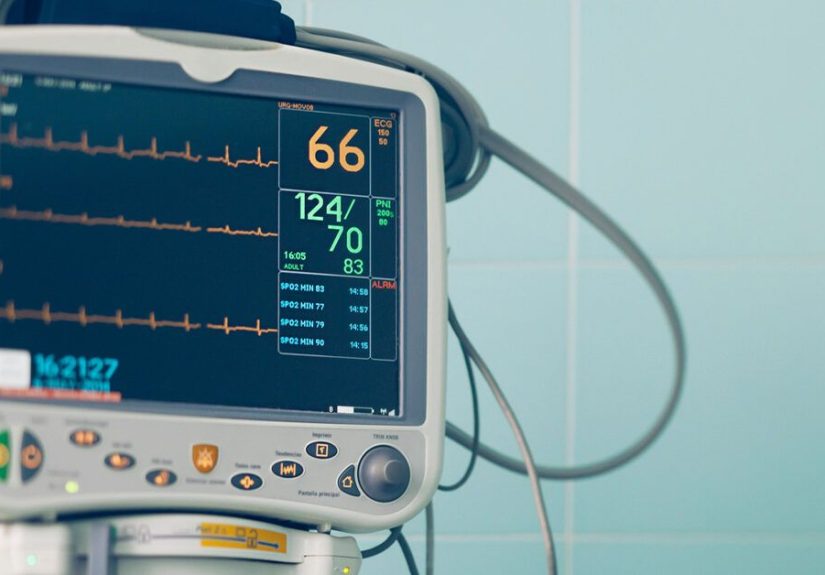
In a normal heart, after each beat the heart’s electrical system “recharges” so it can fire again. That recharge shows on an electrocardiogram (ECG) as the QT interval. In LQTS, that QT interval is longer than it should be, meaning the heart takes too long to prepare for the next beat.
Why does that matter? Because during the extra-long pause, the heart is more vulnerable to dangerous electrical misfiresventricular arrhythmias like torsades de pointes, which if not corrected can lead to fainting or sudden death.
Symptoms of LQTS
Symptoms can vary wildlysome people have hilariously no signs until something dramatic happens; others get a lot of little hints. Here are the main ones:
Common clues
- Fainting spells (syncope), often triggered by exercise, emotion, or a sudden loud noise (like your alarm clock jumping out at you).
- Palpitations (feeling your heart “flipping” or racing) or pounding heartbeats.
- Lightheadedness, dizziness or “blacking out” for a moment.
- Seizures in some cases (because the brain doesn’t get enough blood during the arrhythmia).
- No symptoms at allsurprise! Many people only discover it via EKG or genetic testing.
Because it can strike when you’re excited (hello roller coaster?), startled (the cat jumped on you) or exercising, it’s a genuine “life-interruption” condition if you don’t take it seriously.
Causes: How does LQTS happen?
We divide causes into two big buckets: congenital (you’re born with it) and acquired (it happens later due to other factors).
Congenital LQTS
This is inherited. Changes (mutations) in genes that code for the heart’s electrical ion channels interrupt the way potassium, sodium or calcium flow in and out of heart cellscausing that long QT interval.
Some well-known inherited forms:
- Jervell and Lange‑Nielsen syndrome: Rare, severe; prolonged QT + congenital deafness.
- Romano‑Ward syndrome: More common inherited form; no deafness.
Acquired LQTS
You may not be born with it, but you can develop a delayed QT interval from:
- Certain medications (antibiotics, antifungals, anti-arrhythmics, some antidepressants) that prolong QT.
- Electrolyte imbalances: low potassium, low magnesium, low calcium.
- Medical conditions: hypothyroidism, low body temperature (hypothermia), adrenal tumours (pheochromocytoma), etc.
- A combination of above: e.g., taking a QT-prolonging drug *and* having low electrolytes. Dangerous synergy.
So yes, even if you don’t have a family history, things in the environment or your treatment history can trigger it.
Treatment: What’s the game plan?
The good news: while you can’t (currently) “cure” congenital LQTS, you *can* treat it and live a very good life. The treatment strategy includes medications, devices, lifestyle tweaks, and sometimes surgery.
Medications
- Beta-blockers (e.g., nadolol) are the backbone for most people. They slow down the trigger-happy heart and reduce risk.
- In some cases, other meds to manage electrolyte levels or shorten QT interval may be used.
Devices / surgeries
- Implantable cardioverter-defibrillator (ICD): For people who’ve had cardiac arrest or serious symptoms despite meds.
- Pacemaker: If your heart is abnormally slow (bradycardia) and that’s contributing.
- Left cardiac sympathetic denervation (LCSD): A surgery that cuts some of the nerve traffic that can trigger arrhythmias.
Lifestyle modifications
You’ve got to roll with some changes:
- Avoid medications (including some over-the-counter) that prolong QT intervalalways check with your cardiologist.
- Avoid sudden loud noises/startles if your type is triggered by arousal. e.g., use a gentle alarm instead of a blaring buzzer.
- Exercisegood, but under guidance. Some high-intensity or competitive sports may be restricted depending on your genotype/type.
- Maintain good electrolyte balance: diet matters, and don’t dehydrate/stress your system. Also avoid extreme vomiting/diarrhea that might shift your minerals.
Life Expectancy: Can you live a normal life with LQTS?
Short answer: Yes with treatment. But without treatment, it’s definitely riskier. Let’s be precise:
A major clinic (Cleveland Clinic) notes that with proper treatment the death rate for LQTS is about 1%. Without treatment, up to 21% of symptomatic patients may die within a year after fainting.
A review of outcomes noted survival free of major cardiac events: roughly 96% at 1 year, 93% at 5 years, and 90% at 10 years when well-managed.
On the other side, lifetime risk of death in LQTS has been reported between 15% and 70% in older untreated cohortsbut this varies wildly depending on gene type, QT interval length, sex, age, and treatment.
The bottom line: if you get diagnosed, stick to treatment, and work with your cardiologist, you absolutely can expect to live a near-normal lifespan. Many clinics say people with LQTS “can live a full life”.
Key Subtypes and What They Mean
There are multiple genotypes of congenital LQTS (LQT1, LQT2, LQT3 etc). These subtypes matter because they affect what triggers your arrhythmias (exercise vs sleep vs sound), how high your risk is, and what treatment tweaks are best.
For example:
- LQT1: Common, triggered by exercise (especially swimming) and loud noises; good response to beta-blockers.
- LQT2: Often triggered by auditory stimuli (alarm clocks, phone rings), emotional stress. Slightly higher risk in some contexts.
- LQT3: Often events occur at rest or during sleep; different management.
So your cardiologist will likely ask: which genotype? what triggers? what’s your QT length? All of that helps tailor treatment.
Diagnosis: How it’s spotted
Diagnosing LQTS involves several steps:
- ECG/EKG to check QT interval and how it corrects for heart rate (QTc).
- Exercise stress test or ambulatory monitor to see if arrhythmias or QT prolongation worsen under activity.
- Blood tests to check electrolytes, thyroid function, and rule out acquired causes.
- Genetic testing (especially if family history) to determine subtype and better assess risk.
One big “aha” moment: even people with normal-range QTc on ECG (i.e., no obvious prolongation) but who carry an LQTS gene can still be at risk. So genetics adds depth beyond the snapshot ECG.
Living with LQTS: Practical considerations & tips
Okay, so you’ve got a diagnosis (or you’re reading this to help someone else). Here are some real-life tips to keep your heart happy:
- Always carry a medical ID (bracelet or card) stating you have LQTS. In emergencies, this helps.
- Make sure all your healthcare providers know you have LQTS (including dentists, anesthesiologists)some medications they use can prolong QT.
- Plan your workouts with your cardiologistwhile exercise is good, some types/triggers may be higher risk. Avoid swimming alone (for some subtypes) and always have a buddy.
- Be cautious with over-the-counter meds: antihistamines, some migraine meds, even some heartburn meds can prolong QT. Always ask.
- Keep up routine follow-ups: your dose may need adjusting as you grow (if you’re a kid), or your condition changes.
- Manage stress and startling noises: yes, it sounds a little quirky (“turn off that sudden-blast alarm”), but for some LQTS types auditory or emotional triggers matter.
Conclusion
In short: Long QT Syndrome (LQTS) is a condition in which the heart’s electrical system takes longer than normal to recharge between beatsleaving you vulnerable to fainting, arrhythmias, or sudden cardiac events. It stems from genetic mutations (congenital) or from other causes (acquired). But here’s the kicker: with proper diagnosis, treatment and lifestyle adjustments, many individuals with LQTS live full, rich lives just like anyone else. Your life expectancy? It can very well be “normal,” provided you stick with therapy and watch for triggers.
If you or a loved one has fainted under strange circumstances, have a known family history of arrhythmias or sudden unexplained death, or you’re on medications that prolong QTtalk to your cardiologist. Early detection and smart management make all the difference.
EXPERIENCES SECTION BEGINS
Real-Life Experience and Perspectives (Approx. )
I’ll share two short anecdotes (names changed for privacy) to illustrate what it feels like to live with LQTS, what the surprises are, and how you manage the “normal but different” life.
Case 1 – Sarah, age 28. When Sarah was 16, she fainted during swim practice. The coach assumed heat exhaustion, but the cardiologist spotted a prolonged QT on her ECG. Genetic testing confirmed LQT1. Suddenly, the “mild faint” turned into a full-scale lifestyle pivot: she started nadolol, got an ICD after a scary near-drown incident, and learned to avoid isolated swimming and always have a buddy in the pool. The scary part: she had to tell all her friends, “Hey, don’t scare me with surprises,” which is awkward in your 20s. But today, at 28, she’s training for a half-marathon, travels regularly, and runs a small businessher heart just has extra safety support. Sarah’s key terms are “awareness” and “buddy system.” She says the fainting was the shock; the rest was just adjustment.
Case 2 – Jamal, age 40. Jamal discovered he had LQTS only because his younger sister suffered sudden collapse and the family did screening. He has a milder form (concealed QT prolongation) but carries a gene that increases risk. He was asymptomatic until age 39, so the diagnosis felt surreal. He takes beta-blockers, checks in with an electrophysiologist yearly, and avoids certain QT-prolonging meds. He jokes that his “heart comes with an instruction manual.” He still does strength training but avoids five-minute intense bursts that his cardiologist flagged. For Jamal, the experience is about “knowing you’re special but not debilitated.” He says the biggest change was telling his dentist “no no” when he pulled out a QT-prolonging pain-reliever. Minor, but nerve-wracking.
What these stories show: the transition is less about ‘giving up life’ and more about ‘adjusting to a new normal.’ Key takeaways from real-life:
- Initial shock is realbut once treatment starts and you get used to the rhythm (literal and metaphorical), your life expands again.
- Triggers matter a lotwhat causes episodes in one person may not in another. Personalized management is crucial.
- Communication with family/friends/medical team is vital. You may need to explain “why I can’t take that drug” or “why I swim with a buddy.”
- In children especially, parents often become vigilant: early diagnosis means early treatment, which dramatically shifts prognosis. As reported by a children’s hospital, kids with early diagnosis can live normal active lives including travel and sports if carefully managed.
And let’s be honest: sometimes it’s about mindset. When you’re diagnosed with something called “Long QT” you might think “Wow, that sounds bad.” But think of it instead as “Heart With a Longer Pause.” A longer pause means you’ve got to respect it a bitbut you don’t have to fear it. When monitored, treated, and lived with smartly, many people say they forget they have it most of the time. Sure, they check meds, avoid certain triggersbut they still travel, laugh, swim, and thrive.
If you’re reading this and you’re diagnosed (or worried): take a deep breath. Ask good questions. Partner with a cardiologist who specialises in electrophysiology (heart rhythms). Make your treatment plan, lifestyle tweaks, and support network. Then get back to being youjust maybe with a little extra heart-smarts. Because for LQTS, the beat goes on.





 Close
Close