
Table of Contents >> Show >> Hide
- Why Sneeboer Garden Tools Feel Right at Home at Restoration Hardware
- The Sneeboer Story: Dutch Craftsmanship Since 1913
- What Restoration Hardware Adds to the Conversation
- Hand-Forged Stainless Steel: Why the Material Matters
- Ash and Cherry Handles: Beauty With a Job to Do
- Key Sneeboer Tools Gardeners Notice First
- Who Should Buy Sneeboer Garden Tools?
- How to Choose the Right Sneeboer Tool
- Care Tips: Make Heirloom Tools Last
- Are Sneeboer Garden Tools Worth the Price?
- How Sneeboer Fits the RH Outdoor Lifestyle
- Practical Examples: Where These Tools Shine
- Experience Notes: Living With Sneeboer Tools in an Outdoor Routine
- Conclusion: A Beautiful Tool Is Better When It Works Hard
Note: Product availability at Restoration Hardware/RH can change by season and market. This article focuses on the craftsmanship, design value, and real-world usefulness of Sneeboer garden tools as represented through RH-style outdoor living and reputable garden retailers.
Why Sneeboer Garden Tools Feel Right at Home at Restoration Hardware
Some garden tools look like they were designed in a hurry, possibly by someone who has never met a stubborn dandelion. Sneeboer garden tools are not those tools. They belong to the rare category of outdoor gear that feels equally comfortable in a hardworking potting shed and in a beautifully styled Restoration Hardware outdoor space. They are practical, handsome, and just fancy enough to make you wonder whether your tomato plants should start dressing better.
Restoration Hardware, now commonly branded as RH, built its reputation around refined home furnishings, timeless materials, and outdoor pieces that turn patios, balconies, poolside areas, and garden corners into polished living spaces. Sneeboer, meanwhile, has been making Dutch garden tools since 1913, with a focus on hand-forged stainless steel, premium wood handles, and heirloom-level durability. Put them together, and the result makes sense: outdoor tools that are not merely stored in the shed but admired, used, cleaned, and maybe shown off a little.
The title “Outdoors: Sneeboer Garden Tools at Restoration Hardware” captures more than a shopping moment. It represents a bigger shift in how people view gardening. A garden is no longer just the place behind the house where hoses go to become tangled noodles. It is an outdoor room, a wellness habit, a weekend ritual, and a design statement. For homeowners who care about both performance and beauty, Sneeboer garden tools fit the RH mood perfectly.
The Sneeboer Story: Dutch Craftsmanship Since 1913
Sneeboer is a family-owned Dutch toolmaker known for handcrafted garden tools that combine traditional metalwork with modern precision. The brand began in the Netherlands in 1913 and has become beloved by serious gardeners, collectors of heirloom garden tools, and people who believe a trowel should not bend the first time it meets clay soil.
The company’s signature approach is simple but demanding: forge stainless steel into durable blades, shape and polish each tool, sharpen the working edge, then pair it with a wood handle made from materials such as ash or cherry. That combination gives the tools their distinctive feel. They are sturdy without looking clumsy, elegant without being fragile, and sharp enough to remind weeds that today is not their day.
Many Sneeboer tools are designed around specific garden tasks. A hand hoe is not just a miniature hoe; it is shaped for slicing weeds near the soil surface. A hand cultivator is not merely a claw; it is meant to loosen compacted soil, mix in compost, aerate beds, and work between plants where larger tools behave like bulls in a salad bar. This task-specific design is one reason the tools appeal to gardeners who care about precision.
What Restoration Hardware Adds to the Conversation
Restoration Hardware’s outdoor collections are built around atmosphere. Think teak furniture, deep loungers, clean stone planters, linen cushions, and lighting that makes a Tuesday night on the patio feel like a boutique hotel moment. Sneeboer tools fit that world because they share the same values: honest materials, simple forms, long life, and visual restraint.
Older design coverage of Restoration Hardware highlighted Sneeboer items such as the Sneeboer American Rake and Sneeboer Hand Cultivator, while RH product listings have also surfaced items such as a Sneeboer right-handed hoe. The exact assortment may change, but the pairing is easy to understand. These tools are not novelty accessories. They are garden implements with enough craftsmanship to sit comfortably beside refined outdoor furniture and enough grit to actually work in real soil.
That matters because outdoor design is most convincing when the beautiful things are useful. A garden bench should be sit-worthy, not just photogenic. A planter should survive weather, not merely pose for a catalog. And a garden tool should do its job without making your wrist file a complaint with management.
Hand-Forged Stainless Steel: Why the Material Matters
One of the biggest selling points of Sneeboer garden tools is hand-forged stainless steel. Stainless steel resists rust better than ordinary carbon steel, which is useful when a tool spends its life meeting damp soil, compost, morning dew, and the occasional gardener who forgets to put things away before a rainstorm. Not that any of us would ever do that. Obviously.
Hand forging also gives the tools a dense, substantial feel. The blade is not just stamped into shape and sent into the world with a hopeful pat on the back. It is formed, finished, and sharpened to create a tool that can handle repeated use. For gardeners who work in raised beds, perennial borders, vegetable plots, or compact urban gardens, that strength makes a noticeable difference.
A cheap trowel often feels acceptable in soft potting mix but fails when it meets roots, dry soil, or rocky ground. A high-quality forged tool feels more controlled. It cuts where you aim it. It levers without flexing dramatically. It gives feedback through the handle. In gardening, that feedback matters because the soil is always telling you something: too dry, too wet, too compacted, too full of mysterious buried objects left by a previous homeowner.
Ash and Cherry Handles: Beauty With a Job to Do
Sneeboer tools are often fitted with ash or cherry wood handles. These woods are not just decorative. A good wooden handle provides warmth, grip, and balance. Compared with many plastic handles, wood feels more natural in the hand and tends to age attractively when cleaned and oiled. It also supports the heirloom identity of the tools.
Ash is commonly valued in tool handles because it offers strength with a pleasant weight. Cherry brings a richer tone and a smooth feel. Both materials help Sneeboer tools look like something you inherited from a very capable gardening grandparent, even if you just bought them because your old hand fork folded like a taco.
Handle design also affects comfort. A tool that is too short can force awkward wrist movement. A tool that is too heavy can make light weeding feel like gym punishment. A well-balanced hand hoe or cultivator allows the gardener to work close to the ground with more control. This is especially important in raised beds and densely planted borders, where one careless jab can remove both the weed and the basil you were emotionally attached to.
Key Sneeboer Tools Gardeners Notice First
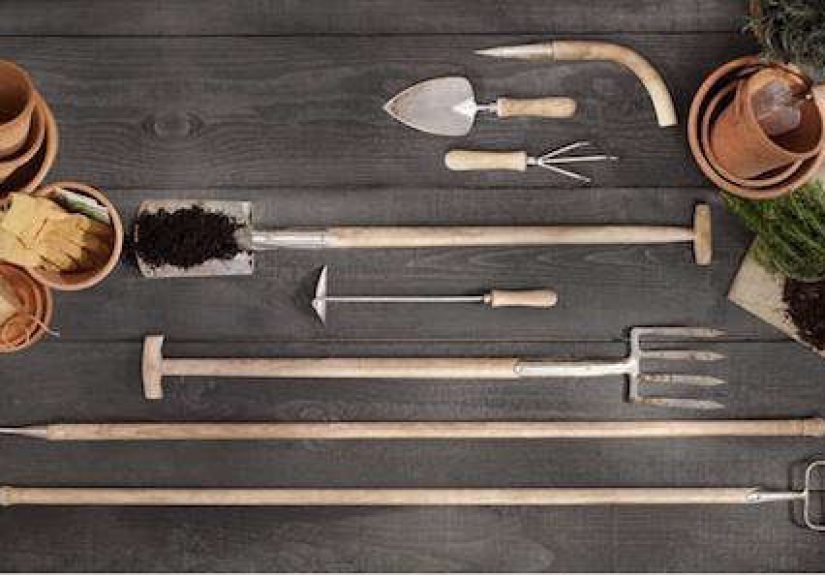
Sneeboer Hand Cultivator
The Sneeboer hand cultivator is the kind of tool that looks slightly medieval but behaves beautifully in a garden bed. Depending on the model, it may feature one tine or three tines, each designed to loosen soil, break up crusted surfaces, aerate around plants, and mix amendments into the top layer of the bed. It is especially useful in tight spaces where a full-size rake or hoe would cause botanical chaos.
Use it before planting lettuce, herbs, annual flowers, or shallow-rooted vegetables. Pull it through the soil to open the surface, then work in compost or organic matter. The tool is also useful for disturbing tiny weeds before they become full-grown freeloaders with deep roots and big ambitions.
Sneeboer Right-Handed Hoe
The right-handed Sneeboer hand hoe is designed for accuracy. Its blade is shaped to slice through weeds just below the soil surface, often with less wrist strain than a generic hand hoe. The asymmetrical shape allows the gardener to work around rows, stems, and tight plantings with more confidence.
This is not the tool for hacking wildly at the earth while muttering about crabgrass. It rewards a smoother technique: place the blade near the surface, draw it toward you, and let the sharpened edge sever young weeds before they steal water and nutrients. Used regularly, it can turn weeding from a punishment into a quick maintenance ritual.
Sneeboer American Rake
The Sneeboer American Rake has appeared in design-oriented coverage of Restoration Hardware’s garden offerings. A rake may sound humble, but in the garden it is a finishing tool, a cleanup tool, and a soil-leveling tool. A quality rake helps prepare seedbeds, remove debris, and smooth compost or mulch. In visual terms, it is the tool that helps a bed look intentional rather than recently visited by raccoons with strong opinions.
Who Should Buy Sneeboer Garden Tools?
Sneeboer garden tools are best for people who garden often enough to appreciate quality. If you plant one supermarket basil on a windowsill every three years, these tools may be more tool than you need. But if you maintain raised beds, grow vegetables, divide perennials, refresh containers, edge borders, or spend weekends happily covered in soil, the upgrade can be meaningful.
They are also excellent for design-conscious homeowners. Many garden tools perform adequately but look like they belong under a tarp behind the garage. Sneeboer tools are attractive enough for open storage on a peg rail, in a potting room, or near a greenhouse bench. This matters in RH-inspired outdoor spaces where every object contributes to the overall feeling.
Gift buyers should pay attention too. A Sneeboer tool makes a thoughtful gift for gardeners because it is personal, useful, and long-lasting. It says, “I respect your hobby,” not “I panicked and bought you a novelty mug shaped like a cabbage.”
How to Choose the Right Sneeboer Tool
Start with the job you do most. If weeding is your weekly battle, choose a hand hoe or weeder. If your soil compacts easily, a cultivator will earn its keep. If you plant bulbs, seedlings, and containers, a trowel or transplanting tool may become your favorite. If you maintain borders and paths, look at edging tools or rakes.
Next, consider your garden scale. A balcony gardener with containers does not need the same toolkit as someone maintaining a large vegetable plot. For containers and raised beds, small hand tools are often more useful than long-handled implements. For larger beds, a combination of hand tools and standing tools reduces fatigue.
Finally, choose based on comfort. Right-handed and left-handed versions matter for some hoes because the blade geometry is designed around body position and cutting direction. If you are left-handed, do not assume a right-handed tool will feel “close enough.” Gardening already includes enough compromise, usually involving weather, squirrels, and your neighbor’s enthusiastic mint.
Care Tips: Make Heirloom Tools Last
Even stainless steel garden tools deserve care. After use, knock off soil with a stiff brush and dry the metal before storage. If sap, clay, or fertilizer residue sticks to the blade, clean it more thoroughly. Moisture and corrosive materials can shorten the life of any tool, even a very good one.
Wood handles should be checked for rough spots or cracks. Light sanding can smooth small splinters, and occasional linseed oil helps keep the wood from drying out. A clean, lightly oiled handle feels better and lasts longer. Store tools off the ground, ideally on hooks, a rack, or a shelf where blades are protected.
Sharpening is also part of good tool ownership. A dull hoe makes weeding harder and encourages you to use more force than necessary. A sharp edge slices cleanly and reduces fatigue. If you are uncomfortable sharpening an expensive tool, ask a professional or a knowledgeable local garden shop. Pride is cheaper than a ruined blade, but only slightly.
Are Sneeboer Garden Tools Worth the Price?
Sneeboer tools usually cost more than mass-market garden tools, and that price difference can be significant. The real question is not whether they are cheap. They are not. The better question is whether they deliver value over years of use.
For occasional gardeners, a basic tool may be enough. But for committed gardeners, cheap tools often create hidden costs. They bend, rust, loosen, blister your hands, or need replacing. A well-made stainless steel tool with a durable handle can become less expensive over time if it replaces several lower-quality versions.
There is also the pleasure factor, which gardeners should not dismiss. Gardening is physical work, but it is also sensory. The smell of soil, the sound of a sharp blade moving through weeds, the feel of a balanced handle, the satisfaction of a cleanly edged bedthese details are part of why people garden in the first place. A tool that improves the experience has value beyond its price tag.
How Sneeboer Fits the RH Outdoor Lifestyle
The RH outdoor aesthetic is not about clutter. It is about calm lines, durable materials, and a sense that every item has been chosen carefully. Sneeboer tools support that idea because they are functional objects with visual dignity. They look good because they are made well, not because someone glued a decorative bird on the handle.
In an RH-style outdoor space, imagine a teak potting bench, terracotta planters, clipped herbs, linen cushions, and a few Sneeboer tools hanging from a simple rail. Nothing feels overdone. The tools become part of the atmosphere: evidence that the garden is not just staged, but actually tended.
That is the sweet spot. The best outdoor spaces invite use. They are not museum exhibits. A good garden has soil under the nails, leaves in the corners, and tools close at hand. Sneeboer brings craftsmanship to that reality. Restoration Hardware brings the design language. Together, they make gardening feel less like a chore and more like a ritual.
Practical Examples: Where These Tools Shine
Raised Vegetable Beds
In raised beds, space is tight and soil quality matters. A hand cultivator can loosen the surface without turning the whole bed upside down. A hand hoe can skim weeds between rows of carrots, lettuce, onions, or herbs. Because raised beds are often planted intensively, precision matters more than brute force.
Perennial Borders
Perennial borders are full of roots, crowns, bulbs, and surprises. A narrow cultivator or hand hoe lets you work around plants without causing unnecessary damage. This is especially helpful in spring, when new growth is emerging and every green shoot may be either a beloved flower or a weed wearing a convincing disguise.
Container Gardens
For patios and balconies, Sneeboer hand tools are almost ideal. They are compact, attractive, and strong enough for refreshing potting mix, removing spent annuals, dividing small plants, or loosening roots before repotting. In container gardening, a full-size shovel is usually ridiculous. A good hand tool is king.
Experience Notes: Living With Sneeboer Tools in an Outdoor Routine
The first thing you notice when using a Sneeboer-style tool is the balance. It does not feel like a flimsy accessory tossed into a gift basket next to seed packets and wishful thinking. It has weight, but not dead weight. The handle sits naturally in the palm, and the metal head feels ready for work. In a small outdoor routinesay, a Saturday morning spent cleaning up containers, edging a herb bed, and rescuing the parsley from weedsthat balance changes the pace.
With a hand cultivator, the experience is almost immediate. You pull the tines through compacted soil and feel the crust break apart. In a container, that means water can penetrate more evenly. In a raised bed, it means compost blends into the top layer without disturbing deeper roots. The tool gives a satisfying scratch-and-lift motion, like combing the soil’s hair before company arrives.
The hand hoe has a different personality. It is quieter and more surgical. Instead of chopping down into the soil, you skim just below the surface. Young weeds detach cleanly. The work becomes rhythmic: reach, pull, slice, move on. After a few minutes, a messy bed looks calmer. You have not wrestled the garden into submission; you have edited it.
That editing feeling is where high-quality garden tools earn loyalty. A cheap tool often makes the gardener compensate. You grip harder because the handle is uncomfortable. You push harder because the edge is dull. You avoid certain jobs because the tool is annoying. A better tool removes some of that friction. It lets the gardener focus on the plant, the soil, and the task rather than the equipment.
In an RH-inspired outdoor setting, the experience also includes storage and visibility. After cleaning the blade and wiping the handle, hanging the tool on a wall or potting bench feels natural. It looks like it belongs there. This may sound minor, but attractive tools are more likely to be cared for. When a tool looks disposable, people treat it that way. When it looks like an object worth keeping, it gets brushed, dried, oiled, and returned to its place.
The most practical benefit shows up over a season. Weeding becomes less dramatic when the right tool is nearby. Soil preparation becomes easier when the cultivator is sharp and sturdy. Planting feels more controlled when the trowel or hoe does not flex under pressure. Even cleanup improves because a good rake or cultivator encourages small, regular maintenance rather than one heroic, back-aching marathon in July.
There is also a small emotional reward. Gardening is full of delays. Seeds take time. Compost takes time. Perennials pretend to be dead before returning like tiny green celebrities. A well-made tool offers instant feedback. It works now. It feels good now. It makes one square foot of the garden better right now. That is why Sneeboer garden tools at Restoration Hardware make sense as more than luxury objects. They support the daily rituals that turn an outdoor space into a living place.
Conclusion: A Beautiful Tool Is Better When It Works Hard
Sneeboer garden tools bring together the qualities that serious gardeners and design-minded homeowners both appreciate: durability, precision, comfort, and understated beauty. Restoration Hardware’s outdoor world is built on refined materials and timeless presentation, and Sneeboer’s hand-forged Dutch tools fit naturally into that setting.
These are not tools for people who want the cheapest option on the shelf. They are for gardeners who value long-term use, clean design, and the quiet satisfaction of owning something made with care. Whether you are tending raised beds, grooming a perennial border, refreshing patio containers, or simply trying to defeat weeds before they unionize, Sneeboer tools offer a more enjoyable way to work outside.
In the end, the best garden tools do not just help you finish chores. They invite you back into the garden. And if they happen to look excellent beside a Restoration Hardware potting bench, well, that is just compost on the cake.







 Close
Close