
Table of Contents >> Show >> Hide
- Why Hannah McAndrew Serving Dishes Became an Object of Desire
- Who Is Hannah McAndrew?
- Understanding Slipware: The Technique Behind the Charm
- The Design Appeal of the Oblong Serving Dish
- How These Serving Dishes Fit Modern Interiors
- How to Style Hannah McAndrew Serving Dishes
- Why Handmade Serveware Is Worth the Investment
- Care Tips for Slipware Serving Dishes
- What Makes Hannah McAndrew’s Work Collectible?
- Buying Guide: What to Look for in a Hannah McAndrew Serving Dish
- Experience Section: Living With an Object of Desire
- Conclusion
Some serving dishes politely sit on the table. Hannah McAndrew’s serving dishes walk in, clear their throat, and become the reason everyone suddenly cares where the carrots are going. The “Object of Desire: Hannah McAndrew Serving Dishes” story is not just about pretty pottery. It is about the strange little magic that happens when a useful household object becomes warm, witty, collectible, and completely alive.
McAndrew is known for slipware: a historic pottery tradition that uses liquid clay, usually in contrasting colors, to decorate earthenware before firing. Her work feels old in the best possible way, like something that might have served a Sunday roast in a farmhouse kitchen, but it also feels fresh enough for a minimalist dining room, a Brooklyn dinner party, or a Thanksgiving table where the turkey deserves more than a sleepy white platter.
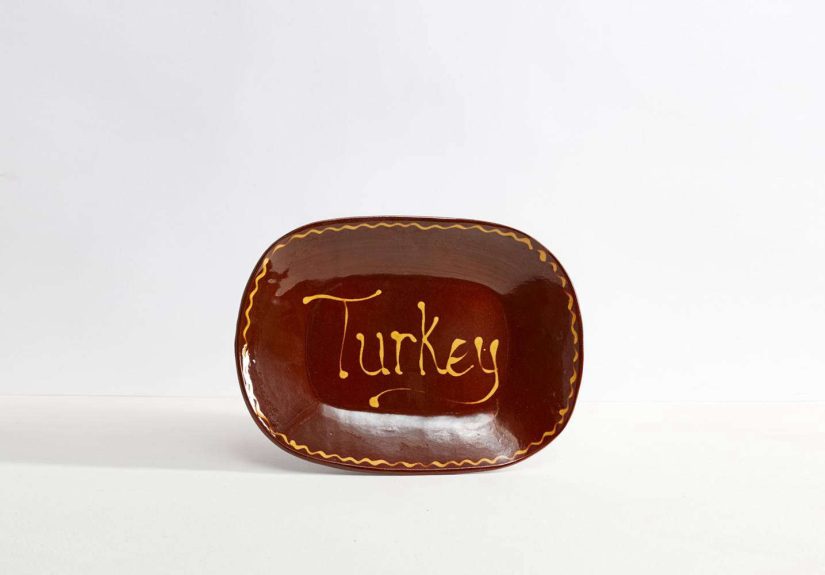
The original serving dishes that captured design lovers’ attention included oblong pieces labeled “Turkey,” “Veg,” and “Meat.” They were made from red earthenware clay, decorated with yellow slip, and shaped with a generous, practical form. In other words, they were not fragile showpieces pretending to be useful. They were useful objects with the confidence of folk art and the charm of a handwritten note.
Why Hannah McAndrew Serving Dishes Became an Object of Desire
The phrase “object of desire” is often used for furniture, fashion, or rare design finds that make people pause mid-scroll. Hannah McAndrew’s serving dishes earn that title because they combine three things that are surprisingly hard to find in one piece: strong function, handmade character, and visual storytelling.
A serving dish has a basic job. It needs to hold food, move comfortably from kitchen to table, and look presentable when the potatoes are doing their best but not quite behaving. McAndrew’s oblong serving dishes go beyond that. Their shape is long enough for roasted vegetables, sliced meats, bread, salads, or festive mains. Their raised edges add practicality. Their decoration adds energy. Their words, such as “Veg” or “Turkey,” add humor without becoming gimmicky.
That balance is the secret. The pieces are playful, but not silly. Traditional, but not dusty. Decorative, but not too precious to use. They feel like the kind of serving dishes that would make guests ask, “Where did you get that?” before reaching for seconds.
Who Is Hannah McAndrew?
Hannah McAndrew is a Scottish potter associated with the rich tradition of British slipware. Alongside Doug Fitch, she works as part of Fitch & McAndrew, a husband-and-wife pottery team based in Dumfries and Galloway, Scotland. Their workshop life is rooted in red clay, traditional methods, wood firing, and a deep affection for historical country pottery.
McAndrew’s background matters because her serving dishes are not designed by committee or stamped out for seasonal shelves. They come from a maker who understands clay as both material and language. Her pots are generally made with purpose in mind: bowls, plates, jugs, chargers, and serving pieces that can be held, used, washed, admired, and returned to the table again.
Her work draws inspiration from historic British slipware, especially the lively pottery traditions associated with 17th- and 18th-century Staffordshire. That influence shows in the bold use of red earthenware, honey-toned glaze, trailing lines, birds, borders, lettering, and rhythmic decoration. Yet McAndrew’s pieces do not feel like museum replicas. They feel like a conversation between then and now.
Understanding Slipware: The Technique Behind the Charm
Slipware is pottery decorated with slip, which is liquid clay mixed with water and often colored with minerals or oxides. Instead of applying decoration after the pot is finished, the potter adds slip while the surface is still receptive. It may be trailed through a small nozzle, painted, poured, combed, or scratched through using a technique called sgraffito.
In McAndrew’s case, the decoration often appears fluid, confident, and full of movement. Lines ripple around borders. Lettering feels handmade rather than typed. The surface has that warm, slightly glossy depth that makes earthenware look like it has been sitting near good food and good conversation for generations.
Why Red Earthenware Works So Well
Red earthenware has a naturally warm tone. When paired with yellow, cream, brown, or honey-colored slip and glaze, it creates a tableware palette that feels earthy rather than sterile. This is one reason Hannah McAndrew serving dishes look so comfortable around food. The clay does not fight the roast vegetables, greens, bread, cheese, fruit, or gravy. It makes everything look more generous.
Why Handmade Decoration Feels Different
Machine-perfect tableware can be beautiful, but it rarely makes you lean closer. Handmade slip decoration invites the eye to wander. A small variation in a line, a slight wobble in a border, or a lively brush of color reminds you that a person made the piece. That human trace is exactly what mass-produced serveware often lacks.
The Design Appeal of the Oblong Serving Dish
The oblong serving dish is one of the most underrated shapes in the kitchen. Round platters are classic, but they can be awkward for long foods. Square dishes are modern, but they sometimes feel stiff. An oblong dish sits neatly in the middle: relaxed, practical, and table-friendly.
McAndrew’s oblong dishes are especially compelling because the form suits the lettering and border decoration. The long center gives the word or motif room to breathe, while the edge becomes a frame. The dish feels composed, almost like a small signboard for the meal. Instead of hiding in the table setting, it introduces the dish with a wink.
For holiday meals, that matters. A platter labeled “Turkey” is not just a container. It is a tiny host. A dish marked “Veg” gives vegetables a proper stage, which, frankly, they need after years of being treated like the opening act. A “Meat” dish brings farmhouse directness to the table. No mystery, no fuss, just good food in a good pot.
How These Serving Dishes Fit Modern Interiors
One reason Hannah McAndrew serving dishes continue to feel relevant is that they bridge multiple interior styles. They can live happily in a rustic kitchen with open shelves, copper pans, and a big wooden table. They can also add soul to a modern white kitchen where every surface is clean, quiet, and perhaps one handmade object away from feeling human.
In a Farmhouse Kitchen
In a farmhouse-style kitchen, McAndrew’s dishes feel right at home. Their red clay, slip decoration, and folk-art spirit echo the warmth of natural wood, linen, stone, and old cutting boards. Displayed on a dresser or hung on a wall, they look collected rather than staged.
In a Minimalist Dining Room
In a minimalist space, the dishes become focal points. A single decorated slipware platter on a plain table can do more visual work than an entire cabinet of anonymous white plates. It adds texture, history, and a little eccentricity without cluttering the room.
In an Eclectic Home
For eclectic interiors, Hannah McAndrew pottery plays well with mismatched plates, colored glassware, antique silver, block-printed napkins, and handmade bowls. Because the pieces are rooted in tradition, they can handle visual company. They do not need everything around them to match; in fact, they often look better when the table has personality.
How to Style Hannah McAndrew Serving Dishes
The easiest way to style these dishes is also the best: use them. Slipware looks most alive when food is involved. A serving dish that says “Veg” should absolutely meet a tangle of roasted carrots, parsnips, onions, and herbs. A “Turkey” dish should carry slices of roast bird, but it could just as easily hold cornbread, squash, or a mountain of biscuits. Pottery is not the boss of you.
For Everyday Meals
Use an oblong dish for salad, roasted vegetables, pasta, fruit, or bread. Pair it with simple dinner plates so the slipware can stand out. Add linen napkins, a wooden board, and clear glasses for an easy table that looks intentional but not overly styled.
For Thanksgiving or Holiday Dinners
These dishes shine during holiday meals because they bring warmth and humor to the table. Place one at the center with the main dish, then surround it with smaller bowls of sides. The handmade surface softens the formal feeling of a big meal and makes the table feel more welcoming.
For Display Between Meals
When not in use, display a serving dish on open shelving, a plate rack, or a kitchen wall. Because McAndrew’s work has strong graphic decoration, it holds up as visual art. A serving dish can become a small daily pleasure, even when dinner is just toast and ambition.
Why Handmade Serveware Is Worth the Investment
Handmade serving dishes usually cost more than factory-made pieces, and Hannah McAndrew’s work sits firmly in the category of collectible functional pottery. The higher price reflects time, skill, material knowledge, individual making, and the reality that no two pieces are exactly alike.
When you buy a handmade serving dish, you are not simply buying a vessel. You are buying the experience of using something with a maker’s hand in it. That experience changes the way a table feels. Food looks less rushed. Guests notice details. Even a simple meal can feel like an occasion.
There is also a sustainability argument for buying fewer, better things. A well-made serving dish can be used for years, repaired if appropriate, treasured, passed down, or kept as part of a personal collection. It resists the disposable logic of trend-based decorating. Instead of “replace next season,” it says, “bring me out again.”
Care Tips for Slipware Serving Dishes
Because pottery varies by maker, glaze, and firing method, always follow the care instructions provided with the specific piece. Some handmade ceramic dishes may be dishwasher safe, while others are best washed by hand. Even when a piece can technically go in the dishwasher, handwashing is often the gentler choice for preserving surface beauty over time.
Use mild soap, warm water, and a soft sponge. Avoid harsh abrasives, sudden temperature shocks, and stacking heavy objects directly on decorated surfaces. If a serving dish is used for oily or strongly colored foods, rinse it soon after the meal. Treat it with respect, not fear. Good pottery likes to be used; it just does not want to be treated like a cafeteria tray at closing time.
What Makes Hannah McAndrew’s Work Collectible?
Collectors often look for pottery that has a recognizable voice. McAndrew’s voice is clear: red earthenware, slip-trailed decoration, lively borders, historic influence, practical forms, and a warm domestic spirit. Her dishes feel rooted in tradition while remaining unmistakably personal.
Collectibility also comes from scarcity. Handmade pottery is limited by the pace of the maker’s hands, the firing process, and the availability of work through galleries, exhibitions, studio sales, and specialist retailers. That limited nature gives each piece a sense of occasion. You cannot always click and replace it, which makes ownership feel more personal.
Most importantly, her work is collectible because it does not forget the table. Some art pottery becomes so refined that using it feels like committing a small crime. McAndrew’s serving dishes invite use. They want bread crumbs, gravy, roasted onions, and laughter nearby. That is their charm.
Buying Guide: What to Look for in a Hannah McAndrew Serving Dish
If you are considering a Hannah McAndrew serving dish or a related slipware piece, start by thinking about how you will use it. A large oblong dish works beautifully for holiday meals, vegetables, meats, or centerpiece styling. Smaller plates and bowls may be easier for everyday use. Decorative chargers or plates can work as wall pieces if you want the visual effect without frequent serving duty.
Look at the Form
Choose a form that fits your lifestyle. If you host often, a generous serving dish makes sense. If you cook mostly for one or two people, a smaller dish or plate may get more use. The best collectible object is the one that actually enters your life.
Study the Decoration
Slipware decoration varies from piece to piece. Look for movement, balance, and personality. Borders, lettering, animals, birds, and abstract patterns can all change the mood of a dish. Pick the piece that makes you smile before you start rationalizing it.
Check Practical Details
Review size, care instructions, glaze information, and whether the piece is intended for functional use. Handmade pottery can be sturdy, but it is still pottery. Measure your cabinet. Measure your table. Measure your enthusiasm, then add a little extra.
Experience Section: Living With an Object of Desire
There is a particular kind of joy in owning a serving dish that refuses to disappear into the background. The first experience is visual. You bring it out, place it on the table, and suddenly the meal has a center. Even before the food arrives, the dish suggests hospitality. It says, “Something worth sharing is about to happen.” That is a lot of emotional labor for a piece of clay, but handmade pottery has always been quietly ambitious.
The second experience is tactile. A handmade slipware dish has presence in the hand. It has weight, surface, and slight irregularity. You feel the difference between an object designed only to look good in a product photo and an object made through repeated physical decisions: how thick the clay should be, how the rim should rise, how the slip should move, when the surface is ready, how the glaze will deepen the color. That process leaves a kind of memory in the object.
Using a Hannah McAndrew-style serving dish also changes the pace of a meal. Instead of tossing food onto whatever plate is nearest, you start thinking about presentation. Roasted vegetables get arranged rather than dumped. Bread gets stacked with a bit of ceremony. A salad looks more abundant. Even leftovers can seem less tragic when served from a dish with character. Yesterday’s potatoes may still be yesterday’s potatoes, but at least they are having a better public relations moment.
Guests notice handmade serveware because it gives them an easy way into conversation. Not everyone wants to discuss glaze chemistry or the history of Staffordshire slipware over dinner, but almost everyone can respond to a dish that looks warm, funny, and unusual. Someone will ask about it. Someone else will touch the rim. Another person will say it reminds them of a grandmother’s kitchen, a country inn, a museum piece, or a shop they once found while traveling. The dish becomes a social object, not just a serving object.
There is also pleasure in seeing the dish when it is not being used. A beautiful serving piece earns its storage space twice: once at the table and once on display. On an open shelf, it adds color and texture. On a wall, it becomes folk art. On a counter filled with fruit, it turns apples and pears into a still life. This is where McAndrew’s work excels. It does not need a formal occasion to justify itself. It can make an ordinary Tuesday kitchen feel collected and considered.
Over time, the best serving dishes become attached to rituals. One platter becomes the holiday turkey dish. Another becomes the summer tomato dish. Another is always used for biscuits, not because it must be, but because everyone has quietly agreed that biscuits deserve it. That is how household traditions form: not from grand declarations, but from repeated small pleasures. A handmade dish helps those pleasures stick.
The final experience is emotional durability. Trends move quickly, but objects with strong craft roots tend to age differently. Hannah McAndrew serving dishes are not desirable because they chase a look. They are desirable because they carry history, humor, and function in one form. They remind us that a table is not only a place to eat. It is a place to gather, notice, pass, serve, laugh, and occasionally defend the last roasted carrot with unreasonable passion.
Conclusion
Hannah McAndrew serving dishes are objects of desire because they understand the true power of tableware. They do not simply hold food; they create atmosphere. Through red earthenware, slip decoration, historic influence, and practical forms, McAndrew turns everyday serveware into something memorable. Her dishes belong to a tradition, but they are not trapped by it. They feel alive, useful, warm, and full of character.
For anyone interested in handmade ceramics, artisanal tableware, or serving pieces that make a meal feel more personal, Hannah McAndrew’s slipware is a beautiful reminder that the best objects in a home are often the ones that do their job well and make people smile while doing it.
Note: This article is written for web publication in original language and synthesizes publicly available information about Hannah McAndrew, Fitch & McAndrew, British slipware, handmade serving dishes, and practical tableware styling. No source links or citation placeholders are included inside the article body.







 Close
Close