
Table of Contents >> Show >> Hide
- What Is a Townhouse?
- What Is a House?
- Townhouse vs. House: The Core Difference
- Ownership: What Do You Actually Own?
- Monthly Costs: The Price Tag Is Not the Whole Story
- Maintenance: Convenience vs. Control
- Privacy and Space
- HOA Rules: Helpful Guardrails or Tiny Government?
- Insurance and Risk
- Resale Value and Long-Term Flexibility
- Who Should Buy a Townhouse?
- Who Should Buy a House?
- Questions to Ask Before You Buy Either One
- Final Verdict: Townhouse vs. House
- Experience Section: What Living in a Townhouse vs. a House Actually Feels Like
- SEO Tags
Choosing between a townhouse and a house sounds simple until your brain starts doing cartwheels in the middle of a listing search. One place has a garage and a tiny patio. Another has a yard big enough for a trampoline, a vegetable garden, and possibly a goat with boundary issues. Both can be great homes. Both can also be expensive lessons if you buy the wrong one for your lifestyle.
The real difference in the townhouse vs. house debate is not just size or price. It comes down to ownership, maintenance, privacy, rules, monthly costs, and how much freedom you want once the keys hit your palm. A townhouse can offer a lower-maintenance path to homeownership, while a house usually gives you more space and control. Neither is automatically better. The best choice depends on how you live, how much upkeep you can handle, and what kind of future you are trying to build.
This guide breaks down the differences in plain English, with practical examples, real-world buying considerations, and a few reality checks the glossy listing photos may not mention.
What Is a Townhouse?
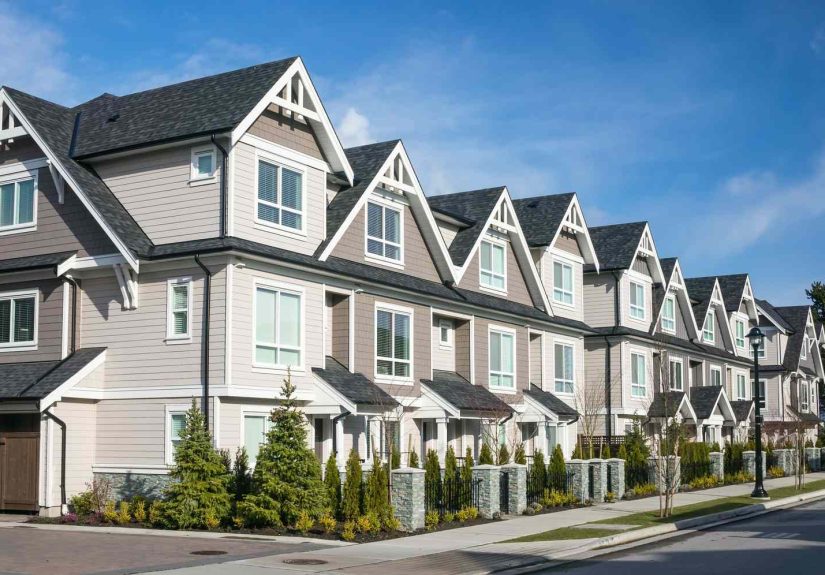
A townhouse, often called a townhome, is usually a multi-story residence that shares at least one wall with a neighboring property. In many cases, you get your own private entrance, your own utilities, and a small slice of outdoor space such as a patio, courtyard, or compact yard. Some townhouses even include a garage, which is a nice bonus if you enjoy the thrill of not scraping frost off your windshield at 6 a.m.
In practical terms, a townhouse often feels like a middle ground between a condo and a detached single-family house. You typically get more independence than a condo owner, but less total privacy and land than a traditional house owner. In many communities, a homeowners association, or HOA, handles at least some exterior maintenance and common-area upkeep.
What Is a House?
When most buyers say “house,” they usually mean a detached single-family home. That means the structure stands on its own lot and does not share walls with neighboring homes. You generally own the building and the land around it, including the yard, driveway, and any detached structures such as a shed or workshop.
A house typically offers more indoor and outdoor space, more privacy, and more flexibility for customization. Want to plant fruit trees, build a deck, or paint the front door an aggressively cheerful yellow? A house usually gives you a better chance of doing that, though some single-family neighborhoods still have HOA rules.
Townhouse vs. House: The Core Difference
The biggest difference between a townhouse and a house is how the property is physically arranged and how ownership responsibilities are divided.
With a townhouse, you usually get:
- An attached home that shares one or two walls
- A smaller lot and less private outdoor space
- HOA dues in many communities
- Some shared responsibility for exterior upkeep or common spaces
- A lower-maintenance lifestyle in many cases
With a house, you usually get:
- A detached structure on its own lot
- More privacy indoors and outdoors
- More responsibility for repairs and yard work
- Fewer shared walls, fewer nearby footsteps, and fewer chances to hear someone’s blender through the wall
- More freedom to renovate or expand, subject to zoning and local rules
That distinction matters because it affects not only your daily life, but also your monthly budget, long-term maintenance plan, and resale strategy.
Ownership: What Do You Actually Own?
This is where many buyers need to slow down and read the fine print.
With a detached house, ownership is usually straightforward. You own the structure and the land beneath and around it. If the fence leans, the roof ages, or the lawn turns into a jungle, that is your problem, your project, and your Saturday.
With a townhouse, ownership can vary by community. In many townhouse setups, you own both the interior and exterior of your unit along with the land under it. In others, especially townhouse-style condominiums, the association may own or insure parts of the exterior while you are responsible for the interior from the drywall in. That distinction affects repairs, insurance, and monthly fees, so buyers should never assume all townhouses work the same way.
In other words, “townhouse” describes a style, but the legal form of ownership can still differ from one development to another.
Monthly Costs: The Price Tag Is Not the Whole Story
A townhouse often comes with a lower purchase price than a detached house in the same market. That is one reason first-time buyers are frequently drawn to townhomes. If your budget is tight, a townhouse can open the door to neighborhoods that might be out of reach for a detached home.
But lower sticker price does not always mean lower total cost.
Townhouse costs often include:
- Mortgage payment
- Property taxes
- Homeowners insurance
- HOA dues
- Possible special assessments
House costs often include:
- Mortgage payment
- Property taxes
- Homeowners insurance
- Full maintenance and repair costs
- Landscaping, pest control, and other upkeep
- HOA dues in some neighborhoods, but not always
A common buyer mistake is focusing on mortgage affordability while forgetting the surrounding financial ecosystem. HOA dues for a townhouse are usually paid separately from the monthly mortgage payment, and they can rise over time. On top of that, some associations charge special assessments for major repairs or reserve shortfalls. That means the “cheaper” property can become less charming when the roof, roads, or shared drainage system suddenly need expensive attention.
By contrast, a detached house may not have HOA dues at all, but the costs you avoid on paper often return wearing work boots. Roof replacement, siding repairs, tree trimming, driveway sealing, and HVAC problems do not politely wait for a better financial season.
Maintenance: Convenience vs. Control
If you love home projects, a house can feel empowering. If you hear “weekend landscaping” and feel a deep spiritual fatigue, a townhouse may sound like a gift from the heavens.
Many townhouse communities include exterior services such as lawn care, snow removal, roof maintenance, or common-area upkeep. That can save time and reduce the stress of arranging contractors. For busy professionals, older adults, frequent travelers, or buyers who simply do not want to own seventeen ladders, this setup can be a major advantage.
A house, however, gives you more say in how maintenance gets done. You choose the contractor. You choose the materials. You choose whether the shrubs stay, go, or are replaced with something dramatic and low-maintenance. The downside is simple: you also pay for it, schedule it, and worry about it.
There is no universal winner here. A townhouse trades some control for convenience. A house gives you more control, but it also hands you the full repair manual and says, “Good luck, champ.”
Privacy and Space
Privacy is one of the clearest differences between a townhouse and a house.
A detached house usually wins on personal space. You are less likely to share walls, hear neighbor noise, or feel closely boxed in. Houses often include larger yards, bigger setbacks, and more room for pets, kids, hobbies, storage, and future additions.
Townhouses can still provide a solid amount of space, especially compared with apartments and many condos. Some offer multiple floors, open living areas, and attached garages. But the footprint is usually narrower, and outdoor space is typically smaller. Storage can also be more limited, so buyers should pay attention to closets, attic access, garage depth, and whether there is space for bicycles, holiday decorations, or that treadmill that now functions as an expensive coat rack.
HOA Rules: Helpful Guardrails or Tiny Government?
One of the biggest lifestyle differences between a townhouse and a house is the role of the HOA.
In townhouse communities, HOA membership is very common. The association may maintain landscaping, community roads, exterior elements, and shared amenities like pools or playgrounds. HOA rules can also govern parking, pet policies, rentals, exterior paint colors, fencing, trash placement, holiday decorations, and more.
Some buyers love this structure because it helps keep the neighborhood orderly and predictable. Others hear “approval process for patio furniture” and begin to sweat.
It is also important to remember that detached houses are not automatically free from HOAs. Many modern single-family subdivisions have them too. So the right comparison is not “townhouse equals HOA, house equals freedom.” The real question is whether the specific property comes with an association, what the dues are, what the rules say, and whether the reserves appear healthy.
Insurance and Risk
Insurance can be more nuanced with a townhouse than with a detached house.
With a house, you generally need coverage for the full structure and your belongings, subject to your policy limits and exclusions. It is more straightforward because the property boundaries and responsibilities are usually clearer.
With a townhouse, the right policy depends on the legal ownership structure and the association’s master insurance policy. In some communities, the HOA covers portions of the exterior or common structures, while the owner covers the interior and personal property. In others, the townhouse owner is responsible for both interior and exterior coverage. Translation: before buying, request the governing documents and insurance summary. Guessing is not a strategy.
Resale Value and Long-Term Flexibility
Both townhouses and houses can appreciate and both can be smart purchases. The better long-term fit depends on location, demand, local inventory, school districts, HOA health, and how well the home matches buyer expectations in that market.
Detached houses often attract buyers who want larger lots, more privacy, and room to grow. That wider appeal can support resale in many areas, especially suburbs where families want yards and flexible living space.
Townhouses can perform well too, especially in walkable neighborhoods, close-in suburbs, and higher-cost markets where buyers prioritize affordability and convenience. A well-located townhouse can be attractive to first-time buyers, downsizers, and investors. But resale can become harder if HOA fees are high, rules are restrictive, parking is limited, or the community has weak reserves and looming special assessments.
In short, do not ask only, “Will this home go up in value?” Ask, “Who will want to buy this later, and what might scare them away?” That is a much smarter question.
Who Should Buy a Townhouse?
A townhouse may be a great fit if you:
- Want to buy in a more affordable price range
- Prefer less exterior maintenance
- Do not need a large yard
- Like community amenities
- Want a property that feels more like a home than an apartment or condo
- Are comfortable reviewing HOA documents and living by community rules
Townhouses are often especially attractive to first-time buyers, busy professionals, smaller households, and downsizers who want ownership without taking on every possible repair headache.
Who Should Buy a House?
A detached house may be the better choice if you:
- Want more privacy and outdoor space
- Need more room for a family, pets, or hobbies
- Value freedom to renovate or expand
- Do not mind yard work and home maintenance
- Want fewer shared walls and fewer shared decisions
- Plan to stay long enough to fully use the extra space and flexibility
A house often suits buyers who see their property as both a home and a long-term lifestyle platform. If you want a workshop, a garden, a playset, a home office addition, or a backyard that can host a dozen relatives and one overconfident grill master, the house usually wins.
Questions to Ask Before You Buy Either One
If you are considering a townhouse:
- How much are the HOA dues, and what do they cover?
- Have there been any recent or pending special assessments?
- Are there rental restrictions, pet rules, or parking limits?
- What exactly am I responsible for repairing?
- How healthy is the HOA budget and reserve funding?
- Is storage adequate for real life, not just listing photos?
If you are considering a house:
- How old are the roof, HVAC system, plumbing, and major appliances?
- What are the realistic yearly maintenance costs?
- Is the lot size actually useful, or just more grass to mow?
- Are there zoning or neighborhood restrictions on additions?
- Will utilities, insurance, and upkeep strain the monthly budget?
- Is there an HOA anyway, even though the property is detached?
Final Verdict: Townhouse vs. House
So, townhouse vs. house: what’s the difference? The short version is this. A townhouse usually offers a lower-maintenance, often more affordable path to ownership, but it often comes with shared walls, HOA dues, and more rules. A house usually offers more space, privacy, and freedom, but it also demands more money, more maintenance, and more responsibility.
If your priority is convenience, manageable upkeep, and buying in a competitive market without setting your wallet on fire, a townhouse may be the smarter move. If your priority is control, room to grow, and long-term flexibility, a detached house may be worth the extra cost and effort.
The best home is not the one that looks fanciest in photos. It is the one that fits your finances, your routines, your tolerance for maintenance, and your future plans. Buy for the life you actually live, not the one you imagine after watching three home makeover shows and one suspiciously optimistic gardening reel.
Experience Section: What Living in a Townhouse vs. a House Actually Feels Like
On paper, the townhouse vs. house decision looks like a checklist. In real life, it feels more like a daily rhythm. That is why buyer experience matters so much.
Townhouse living often feels efficient. The space is usually designed to make the most of every square foot, and many owners appreciate how easy it is to lock the door and leave for the weekend without worrying about mowing a lawn, cleaning gutters, or dealing with a giant yard after every season change. For someone with a busy job, a small household, or a strong preference for “less stuff to maintain,” the experience can be genuinely freeing. Instead of spending Saturday pruning hedges, you might spend it at brunch, at your kid’s soccer game, or doing absolutely nothing productive, which is also valid.
That said, townhouse life can feel more communal than some buyers expect. You may notice neighbor routines more often. There may be shared parking patterns, shared driveways, shared amenities, and shared opinions. If you are the kind of person who wants total silence, total privacy, and total control over every shrub, a townhouse may eventually feel a little tight. Even a beautiful one can feel less personal if the HOA has a long rulebook and a talent for sending reminder emails about trash bins.
House living feels different from day one. The extra breathing room is often the first thing buyers notice. A detached house can feel quieter, more private, and more flexible. You may have room for guests, storage, hobbies, pets, gardening, or future renovations. That extra space often creates a stronger sense of permanence. Many buyers say a house feels like a place they can shape over time instead of simply occupy.
But the detached-house experience comes with a real workload. Even when everything is fine, a house asks for attention. There is always something: a fence board, a leaky spigot, mulch that needs replacing, a tree branch that suddenly looks threatening, or an appliance that chooses chaos at the worst possible moment. Some owners love that sense of stewardship. Others discover they preferred the fantasy of home projects to the invoices.
Emotionally, the experience often comes down to what kind of stress you prefer. Townhouse owners may deal with HOA rules, dues, and shared walls. House owners may deal with bigger repair bills, more upkeep, and the full burden of every exterior problem. Neither path is stress-free. They simply package the stress differently.
Buyers who are happiest with townhouses often value convenience, location, and predictability. Buyers who are happiest with houses often value autonomy, privacy, and room to adapt. The trick is to be honest about your habits. If you rarely use outdoor space, a huge yard is not a lifestyle upgrade. It is cardio with property taxes. If you hate restrictions, an HOA-heavy townhouse community can wear you down no matter how polished the landscaping looks.
In the end, the better experience is the one that supports your real life every day, not just your dream life on moving day.






 Close
Close