
Table of Contents >> Show >> Hide
- Why Fiber Matters More Than People Think
- What Makes a Food a Good High-Fiber Choice?
- Nutritious Foods That Are High in Fiber
- How to Increase Fiber Without Regretting Your Life Choices
- A Simple High-Fiber Day of Eating
- Common Mistakes to Avoid
- What People Often Experience When They Start Eating More Fiber
- Final Thoughts
- SEO Metadata
Fiber does not usually get the celebrity treatment. Protein gets the gym selfies. Vitamins get the glowing headlines. Probiotics get all the gut-health drama. Meanwhile, fiber quietly shows up, does the hard work, and asks for absolutely none of the credit. Rude, honestly.
If you want to eat better without making your life feel like a full-time wellness internship, adding more high-fiber foods is one of the smartest moves you can make. Fiber helps support healthy digestion, can help you feel full longer, and often tags along with other nutritional heavy hitters like vitamins, minerals, antioxidants, and plant compounds. In plain English: high-fiber foods tend to be the foods your body already wishes you would eat more often.
This guide breaks down the most nutritious foods that are high in fiber, why they matter, and how to eat more of them without turning your kitchen into a sad pile of bran dust. We will also look at realistic ways to increase fiber intake, because going from “one lettuce leaf a week” to “I now consume half a forest” is not always a smooth transition.
Why Fiber Matters More Than People Think
Fiber is a type of carbohydrate found in plant foods, but unlike other carbs, your body does not fully digest it. That is part of its magic. Instead of breaking down into sugar the way many carbohydrates do, fiber moves through the digestive system mostly intact and helps with several important jobs along the way.
There are two main types of fiber. Soluble fiber mixes with water and forms a gel-like substance, which can help slow digestion and support healthy cholesterol and blood sugar levels. Insoluble fiber adds bulk to stool and helps food move through the digestive tract more efficiently. Most whole plant foods contain a mix of both, so you do not need to obsess over choosing a team. This is not a fiber civil war.
For many adults, a solid fiber goal is around 25 to 38 grams per day, depending on calorie needs, age, and sex. On Nutrition Facts labels, the Daily Value is 28 grams based on a 2,000-calorie diet. Yet many people still fall short, which is why building meals around naturally high-fiber foods can make such a big difference.
What Makes a Food a Good High-Fiber Choice?
Not every fiber source is equally impressive. A truly nutritious high-fiber food does more than just deliver roughage. The best options also bring useful nutrients to the table, such as potassium, magnesium, folate, healthy fats, antioxidants, or plant-based protein.
That is why foods like lentils, berries, artichokes, oats, chia seeds, and sweet potatoes deserve a standing ovation. They are not just “fiber foods.” They are nutrient-dense foods that help you build better meals overall.
Another helpful rule: whole foods usually beat heavily processed options. Whole fruits generally offer more fiber than juice. Intact whole grains usually bring more fiber than refined grains. Beans generally outperform many snack foods pretending to be healthy because they were baked once and printed with the word “multigrain” on the bag.
Nutritious Foods That Are High in Fiber
1. Lentils, Beans, and Peas
If fiber had an all-star team, legumes would be starting every game. Lentils, black beans, pinto beans, chickpeas, split peas, lima beans, and kidney beans are some of the most efficient ways to get a meaningful amount of fiber in a normal serving.
Lentils are especially convenient because they cook relatively quickly and work in soups, grain bowls, salads, and curries. Beans pull double duty by supplying both fiber and plant protein, which helps make meals more filling. Chickpeas are great in salads, roasted for snacks, or blended into hummus. Green peas are wildly underrated and deserve better public relations.
Examples often highlighted in nutrition references include cooked lentils at around 7.8 grams of fiber per 1/2 cup, pinto beans at about 7.7 grams per 1/2 cup, black beans at roughly 7.5 grams per 1/2 cup, chickpeas at around 6.3 grams per 1/2 cup, and green peas at close to 8.8 to 9 grams per cup.
Easy idea: Add lentils to tomato soup, toss black beans into tacos, or swap half the meat in chili for beans. Your budget will smile, too.
2. Berries, Pears, Apples, and Other Fiber-Friendly Fruits
Fruit is one of the easiest ways to raise fiber intake without feeling like you are “trying.” It is naturally sweet, portable, and significantly more exciting than chewing on plain bran cereal while wondering where joy went.
Raspberries and blackberries are standouts, bringing serious fiber in a single cup. Pears and apples are also strong picks, especially when you keep the skin on. That peel is not there for decoration. It is part of the fiber package. Kiwis, oranges, grapefruit, prunes, and dried figs can also help boost intake.
Some especially impressive examples include raspberries at about 8 grams per cup, blackberries at about 7.6 grams per cup, pears at roughly 5.5 grams each, and apples with skin at about 4.5 to 4.8 grams each.
Easy idea: Stir berries into oatmeal, slice a pear onto a salad, or keep apples around for the snack you are actually likely to eat instead of the theoretical health snack you bought with great optimism three weeks ago.
3. Artichokes, Green Vegetables, and Root Vegetables
Vegetables bring fiber plus vitamins, minerals, and volume, which is a nice way of saying they help meals feel more substantial without making them ridiculously calorie-dense.
Artichokes are one of the highest-fiber vegetables around, but they are not the only good option. Broccoli, Brussels sprouts, sweet potatoes, green peas, carrots, kale, collard greens, spinach, pumpkin, and cauliflower all deserve a place in a fiber-friendly eating pattern. Potatoes and sweet potatoes can contribute more fiber when you eat the skin.
Some examples from commonly cited nutrition charts include artichokes at about 9.6 grams per cup, green peas at about 8.8 to 9 grams per cup, Brussels sprouts at around 4.5 to 6.4 grams per cup, sweet potatoes at about 6.3 grams per cup, and broccoli at roughly 5 to 5.2 grams per cup.
Easy idea: Roast Brussels sprouts with olive oil, add broccoli to pasta, or build a baked sweet potato dinner with beans, salsa, and avocado. Suddenly fiber looks a lot less boring.
4. Oats, Barley, Bulgur, Popcorn, and Other Whole Grains
Whole grains are a practical way to add fiber to meals people already eat. The key word here is whole. Refined grains lose much of the bran and germ during processing, and that means they usually lose a chunk of fiber, too.
Oats are a classic choice because they are affordable, versatile, and rich in soluble fiber. Barley and bulgur are excellent in soups and grain bowls. Brown rice is a better fiber option than white rice. Whole wheat bread and pasta can help, too, especially when the ingredient list clearly says “whole grain” or “whole wheat.” Even popcorn counts, assuming it is not drowned in enough butter to qualify as a liquid event.
Useful examples include high-fiber unsweetened cereal at about 14 grams per 1/2 cup, shredded wheat at about 6.2 grams per cup, popcorn at about 5.8 grams per 3 cups, bulgur at about 4.1 grams per 1/2 cup, and brown rice at about 3.5 grams per serving.
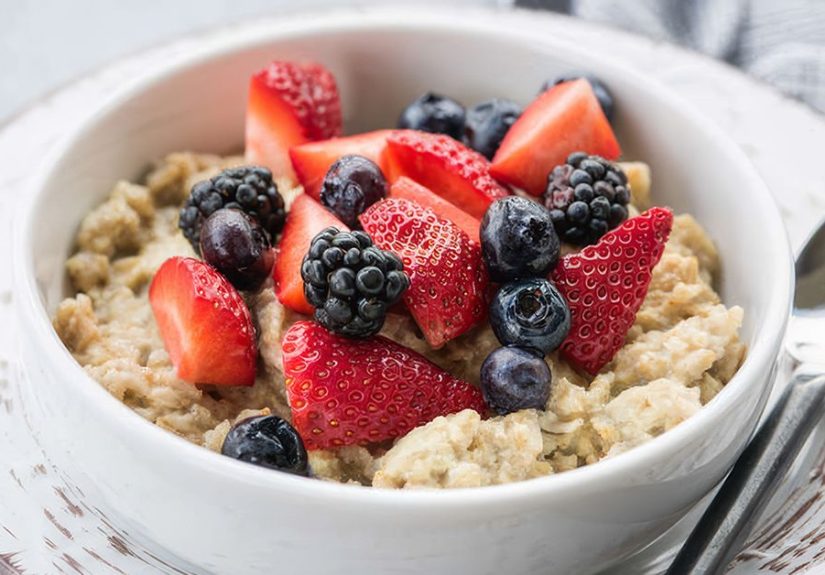
Easy idea: Start breakfast with oatmeal and berries, swap white rice for brown rice once or twice a week, or use popcorn as a crunchy snack that does more for you than a bag of chips pretending to be your friend.
5. Chia Seeds, Flax Seeds, Pumpkin Seeds, and Almonds
Nuts and seeds may be small, but nutritionally they do not mess around. Many provide fiber along with healthy fats, minerals, and a satisfying crunch that can make meals feel more complete.
Chia seeds are particularly efficient because a small spoonful delivers a meaningful amount of fiber. Flax seeds are useful in oatmeal, yogurt, or smoothies. Pumpkin seeds and almonds can add texture to salads, grain bowls, and snacks. The main thing to remember is portion size. These foods are nutritious, but they are calorie-dense, so “sprinkle” and “handful” are usually better strategies than “accidental avalanche.”
For reference, chia seeds provide about 4.1 grams per tablespoon, pumpkin seeds about 5.2 grams per ounce, and almonds about 3.5 grams per ounce.
Easy idea: Add chia seeds to overnight oats, flax to smoothies, or almonds to plain Greek yogurt with fruit.
6. Avocados and Other Sneaky Fiber Boosters
Some foods do not get labeled as “high-fiber superstars,” yet they still contribute meaningfully. Avocados are a great example. They are known for healthy fats, but they also contain fiber, which makes avocado toast feel slightly more virtuous than its social media reputation suggests.
Other sneaky fiber boosters include pumpkin, okra, pears, baked potatoes with skin, edamame, and whole fruit added to breakfast or snacks. These foods may not always dominate a “top 10 fiber foods” list, but they help build a pattern of eating that gets you closer to your target.
How to Increase Fiber Without Regretting Your Life Choices
Yes, fiber is excellent. No, your digestive system does not want you to triple your intake overnight just because you had one productive grocery trip. Increasing fiber too quickly can lead to gas, bloating, cramps, or general stomach rebellion.
The fix is simple: go gradually. Add one or two high-fiber foods at a time. Drink more water. Give your body a little time to adapt. Fiber and fluids work well together, and hydration becomes even more important as intake rises.
Helpful upgrades include:
- Choosing oatmeal or high-fiber cereal instead of sugary refined cereal
- Adding beans to tacos, soups, salads, and pasta dishes
- Keeping fruit visible and easy to grab
- Replacing some refined grains with whole grains
- Adding vegetables to lunch and dinner on purpose, not by accident
- Using nuts and seeds as toppings instead of eating fiber-free meals and hoping for the best
A Simple High-Fiber Day of Eating
Breakfast: Oatmeal topped with raspberries, chia seeds, and chopped almonds.
Lunch: Grain bowl with quinoa or brown rice, roasted broccoli, chickpeas, avocado, and a lemony dressing.
Snack: Apple with peanut butter or plain yogurt with berries and flax.
Dinner: Lentil soup with a side salad and whole grain toast, or a baked sweet potato topped with black beans, salsa, and steamed greens.
That kind of day adds fiber naturally without requiring a personality transplant.
Common Mistakes to Avoid
Relying on One “Healthy” Food
Do not expect one heroic tablespoon of chia seeds to fix an otherwise fiber-light diet. Variety matters. Fiber from fruits, vegetables, legumes, whole grains, nuts, and seeds gives you a broader nutritional payoff.
Ignoring Food Labels
Packaging can be very theatrical. A cracker can look rustic, wholesome, and spiritually enlightened while still offering almost no fiber. Check the label and ingredient list.
Skipping Water
More fiber with not enough fluids is a classic way to feel uncomfortable. Your digestion likes teamwork.
Choosing Juice Over Whole Fruit
Whole fruit usually keeps the fiber. Juice mostly does not. This is one reason eating an orange generally does more for fiber intake than drinking orange juice.
What People Often Experience When They Start Eating More Fiber
One of the most interesting things about high-fiber eating is that the benefits are not always dramatic at first. They tend to show up in small, practical ways. Breakfast becomes more satisfying. Snacks stop feeling like a revolving door. Lunch does not disappear from your stomach in 37 minutes. Dinner feels balanced instead of heavy. The body notices the difference before the mirror does, and that is actually a good thing.
A common early experience is realizing how little fiber many convenience foods contain. Someone might think they are eating “pretty healthy,” then look at a typical day and discover it was mostly refined bread, protein, dairy, and a decorative leaf of romaine. Add oatmeal, berries, beans, vegetables, and whole grains, and suddenly the menu feels more colorful and more filling.
Another very real experience is the adjustment period. When people increase fiber gradually, they often report steadier digestion and fewer “I need a snack right now or I will become a dragon” moments. But when they go too hard, too fast, the result can be bloating, gas, and a sincere desire to file a complaint with chickpeas. That is why slow and steady works better than turning your first high-fiber day into a bean festival.
Many people also notice that fiber helps structure their meals in a more sensible way. Breakfast becomes oatmeal with fruit instead of something sugary and forgettable. Lunch becomes soup with lentils or a salad that actually contains beans, grains, avocado, and vegetables rather than three sad cucumber slices. Dinner becomes easier to balance because adding a vegetable, a bean, or a whole grain automatically improves the plate.
Shopping habits often change, too. People who aim for more fiber tend to buy more produce, more legumes, and more whole grains almost by default. The grocery cart starts looking less like a collection of snack emergencies and more like ingredients for actual meals. Even snacking changes. Fruit, popcorn, nuts, and roasted chickpeas begin to compete with ultra-processed options because they are both satisfying and useful.
Perhaps the biggest experience people report is that eating more fiber feels surprisingly doable once it becomes part of a routine. It is not about chasing one perfect “superfood.” It is about stacking small choices: berries in breakfast, beans at lunch, vegetables at dinner, popcorn or fruit for a snack, and enough water to keep the whole operation running smoothly. That pattern is realistic, affordable, and sustainable. And that is exactly what makes it powerful.
Final Thoughts
Nutritious foods that are high in fiber are not exotic, expensive, or impossible to cook. They are often the familiar basics: beans, lentils, berries, pears, oats, broccoli, sweet potatoes, popcorn, chia seeds, and whole grains. The trick is not finding them. The trick is eating them often enough to matter.
If you want a smarter, easier way to support digestion, fullness, heart health, and overall diet quality, fiber-rich foods are a great place to begin. Start with one upgrade at breakfast, one at lunch, and one at dinner. Your body will likely appreciate the consistency. Your grocery cart may become more colorful. And your bran cereal can finally stop acting like it is the only fiber food in town.







 Close
Close