
Table of Contents >> Show >> Hide
- What You’ll Learn
- What Is a Bakelite Vintage Angled Wall Light?
- Bakelite’s Backstory: The First “Modern” Plastic With Serious Cred
- Why “Angled” Matters: Lighting That Flatters Your Space (and Your Eyeballs)
- How to Spot the Real Deal: Authentic Bakelite + Quality Vintage Construction
- Buying Checklist: What to Inspect Before You Click “Add to Cart”
- Safety & Rewiring: How to Keep “Vintage” From Turning Into “Insurance Claim”
- Placement & Installation Tips: Height, Spacing, and Room-by-Room Wins
- Bulbs, Brightness, and That Vintage Glow (Without the Heat)
- Care & Restoration: Cleaning Bakelite Without Accidentally Making It Weird
- Styling Ideas: How to Make a Bakelite Angled Wall Light Look Intentional
- Quick FAQ
- Conclusion: A Small Fixture With Big Personality
- Experiences People Commonly Have With a Bakelite Vintage Angled Wall Light (The Real-World Stuff)
If lighting could time-travel, the Bakelite vintage angled wall light would be the one showing up to your house with a suitcase full of
mid-century swagger and a “don’t worry, I’ve got this” tilt. It’s part wall sconce, part design flex, and part “why does this corner suddenly look like
a magazine spread?”
In this guide, we’ll unpack what makes Bakelite so iconic, why the angled detail matters more than you think, how to buy the real deal without
getting bamboozled, and how to place it so your room glows instead of glares. We’ll also cover safety and restorationbecause “vintage charm” should never
mean “vintage wiring roulette.”
What Is a Bakelite Vintage Angled Wall Light?
Let’s translate the name into plain English:
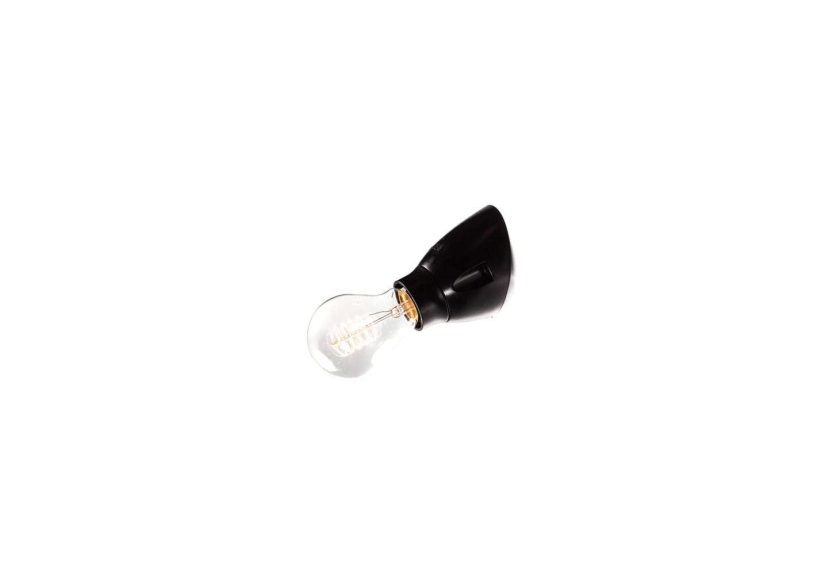
a Bakelite vintage angled wall light is typically a wall-mounted fixture (often a sconce or swing-arm wall lamp) that includes Bakelite
componentscommonly the socket housing, switch, knob, canopy details, or shade holderand a head or arm that aims the light in a specific
direction rather than straight out.
The “angled” part is the secret sauce. It might be a fixed tilt (think: a neat 30–45° downward aim), an adjustable swivel head, a swing arm you can point
at a book, or a rotating shade that behaves like a polite spotlight. In other words: it’s not just pretty. It’s useful.
Where You’ll See Them Most
- Bedside reading sconces (especially in mid-century modern homes)
- Hallway or stair sconces with a directional glow that avoids harsh glare
- Over-a-desk task lighting (because overhead lighting is sometimes emotionally rude)
- Gallery and picture lighting where the angle matters for highlighting art
- Retro kitchens where a small angled sconce adds warmth without taking over the room
Bakelite’s Backstory: The First “Modern” Plastic With Serious Cred
Bakelite is a thermosetting resinoften described as a phenolic plasticfamous for being heat-resistant, durable, and an excellent electrical insulator.
Those traits made it a star in the early days of household electrification, when materials had to handle heat, friction, and electrical components without
melting into a sad puddle of bad decisions.
That’s why vintage lighting frequently features Bakelite parts: socket sleeves, switch knobs, cord grips, and other details that live close to heat and
electricity. You’ll also see it in old radios, telephones, and electrical accessories for the same reason: Bakelite didn’t just look goodit was
practically built for the job.
Why Bakelite Shows Up in Vintage Wall Lights
- Heat tolerance: helpful near incandescent bulbs (which ran hot enough to toast a marshmallow)
- Electrical insulation: safer for sockets, switches, and housings
- Weight and durability: sturdy without feeling clunky
- Color and finish: classic browns, blacks, marbled tones, and that warm “patina glow” collectors love
Why “Angled” Matters: Lighting That Flatters Your Space (and Your Eyeballs)
An angled wall light is the difference between “nice lamp” and “wow, this room feels intentional.” Directional light helps you control glare, shape mood,
and highlight what matterswithout blasting the entire wall like a spotlight at an awkward middle-school dance.
Angled Light = Better Function
- Task lighting: angle it toward a book, desk, or vanity area
- Accent lighting: aim it at art, texture, or architectural details
- Ambient layering: bounce light off a wall for a softer glow
- Glare control: keep bulbs out of direct sightlines (your retinas will send a thank-you note)
The Sweet Spot: Cozy Without Cave-Like
Designers love layered lighting: overhead for general light, lamps for warmth, and sconces for depth. A vintage angled wall sconce is especially good at
“filling in” shadows that make rooms feel flat. Think of it as cheekbone contouring… for your living room.
How to Spot the Real Deal: Authentic Bakelite + Quality Vintage Construction
The vintage lighting market is wonderful… and occasionally full of people who use the word “Bakelite” the way some menus use the word “artisan.”
(Meaning: technically possible, emotionally questionable.)
Clues You’re Looking at Genuine Bakelite Components
- Weight and feel: Bakelite often feels denser than modern plastic
- Aged surface: gentle dulling or “soft shine” from decades of handling
- Color depth: rich browns, blacks, and occasional marbling; not “flat plastic brown”
- Hardware pairing: Bakelite parts often appear with brass, steel, or aluminum typical of mid-century and earlier fixtures
Construction Signs of a Good Vintage Angled Wall Light
- Solid joints: swivel heads that move smoothly (not wobbly like a shopping cart wheel)
- Metal shade mounts: secure fit where the shade or reflector attaches
- Readable markings: older manufacturer stamps, socket type markings, or rating labels
- Serviceable design: parts that can be disassembled for cleaning or rewiring
Tip: “Vintage-inspired” can still be greatespecially if you want the look with modern certification. But if your goal is authentic, focus on
materials, construction, and how the piece has aged.
Buying Checklist: What to Inspect Before You Click “Add to Cart”
Whether you’re buying from an antique mall, an online seller, or your friend’s cousin who “definitely knows what he has,” here’s a practical checklist
to keep you from paying premium prices for a project light that needs a small miracle.
1) The Bakelite Parts
- Look for cracks around the socket housing, switch base, and cord entry points.
- Check for chips near screw holes (stress points can worsen during installation).
- Confirm the switch action feels crisp, not gritty or loose.
2) The Arm and Angle Mechanism
- Swivel joints should hold position without drooping.
- Set screws shouldn’t be stripped or replaced with random “mystery bolts.”
- For swing-arm sconces, confirm the arm extends and retracts smoothly.
3) Shade and Reflector Condition
- Enamel shades may show chipsnormal, but big chips can rust or look rough in bright light.
- Glass shades should be checked for hairline cracks near the fitter.
- Reflectors should be cleanable; heavy corrosion is a negotiation point.
4) Wiring and Socket Reality Check
If the wiring looks brittle, fabric-insulated, cracked, or just “tired,” assume you’ll be updating it.
Budgeting for rewiring is normal for antique and vintage wall fixturesespecially if you plan to use it daily.
5) Mounting Compatibility
- Does it mount to a standard junction box or need an adapter plate?
- Is it plug-in or hardwired?
- Is the canopy deep enough to hide modern connections cleanly?
Safety & Rewiring: How to Keep “Vintage” From Turning Into “Insurance Claim”
Vintage lighting can be perfectly safebut only after the boring (and important) stuff is handled. Electricity is not the place to improvise because
“it looked fine on a tutorial.” If you’re unsure, a licensed electrician or a professional lamp repair shop is the smartest upgrade you can buy.
What Usually Gets Updated on a Vintage Angled Wall Sconce
- Cord or in-wall leads: replaced with modern, correctly rated wire
- Socket: updated if the original is worn, cracked, or unreliable
- Grounding: added where appropriate, depending on fixture design and installation
- Switch: repaired or replaced if it arcs, sticks, or overheats
Look for Safety Marks When You Can
For new components (cords, sockets, replacement parts), look for recognized safety certification marks and rated components.
A UL safety mark, for example, indicates a product has been certified to meet safety standards and is subject to ongoing checks.
That’s the difference between “cheap part” and “cheap part that keeps you up at night.”
Don’t Ignore Shock and Fire Protection
In areas near water (bathrooms, kitchens, laundry areas), protection devices like GFCIs are commonly used to reduce shock risk, while AFCIs help reduce
fire risk from dangerous arcing conditions. Exactly what you need depends on location and local codeso this is another “ask a pro” moment that pays off.
Practical takeaway: If you’re buying a Bakelite vintage angled wall light for daily use, plan to modernize the internals and keep the
vintage beauty on the outside. You get the look, the function, and peace of mindtriple win.
Placement & Installation Tips: Height, Spacing, and Room-by-Room Wins
A gorgeous sconce installed at the wrong height is like a great haircut hidden under a hat. Placement matters.
As a general guideline, many lighting pros place wall sconces around 60 to 72 inches from the finished floor, then adjust based on room,
fixture size, and sightlines.
Room-by-Room Placement Ideas
Bedside Reading
- Choose an angled or swing-arm wall lamp so the light hits the page, not your face.
- Position so the bulb isn’t in direct line-of-sight when you’re lying down.
- Consider a warm LED and a dimmer for “one chapter” nights that become “three chapters.”
Hallways and Entries
- Space sconces evenly to create rhythm and avoid dark patches.
- Angled heads can wash light down the wall for a softer, welcoming feel.
Bathrooms (If the Fixture Is Rated and Installed Properly)
- Use placement that reduces shadows on the faceoften flanking a mirror works best.
- Confirm damp-location requirements and safe installation practices with a professional.
If You’re Going Plug-In
Plug-in sconces are popular because they offer flexibilityno hardwiring needed. They’re also fantastic for renters, gallery walls, and “I want this here
but future-me might want it there” situations. Consider cord management so the look stays intentional, not “charger cable chic.”
Quick Installation Reality Check
Installing a wall sconce (hardwired) typically involves turning off power at the breaker, confirming power is off, making secure connections, and mounting
to the junction box with the correct bracket. If any part of that sentence makes you nervous, you’re not aloneand hiring a pro is a perfectly stylish choice.
Bulbs, Brightness, and That Vintage Glow (Without the Heat)
Vintage fixtures were born in an era of hotter bulbs and fewer options. Today, LEDs let you get the look with far less heatespecially helpful when your
fixture includes Bakelite or vintage shades.
What to Choose
- Warm white: great for cozy rooms, bedrooms, and living spaces
- Neutral white: better for task areas like desks or work corners
- Dimmable LED: ideal if you want one fixture to do “bright task” and “soft ambience”
- Lower-profile bulbs: help reduce glare when the sconce is angled toward eye level
Angled Fixture Tip
If your sconce is aimed downward for reading, you’ll often want less brightness than you think, especially in a bedroom.
A well-aimed beam can feel brighter than a ceiling light because it’s focused exactly where your eyes are working.
Care & Restoration: Cleaning Bakelite Without Accidentally Making It Weird
Bakelite ages beautifully, but it’s not a “throw it in the dishwasher” kind of relationship. A gentle approach keeps the surface rich and avoids dulling or
micro-scratches.
Safe, Practical Cleaning
- Start simple: a soft cloth with mild soap and water for general grime.
- Dry thoroughly: especially around seams, switches, and metal joints.
- Polish carefully: if you choose to polish, test a small hidden area first and use a light touch.
What to Avoid
- Harsh solvents or aggressive scrubbing that can haze the finish.
- Soaking electrical components (even if “it’ll be fine” has never once been a reliable electrical strategy).
- Overheating tests or gimmicks that risk damageespecially on rare or fragile pieces.
Restoration: When to DIY vs. When to Hire Help
Cosmetic cleaning is often DIY-friendly. Electrical restoration is where pros shineespecially for hardwired fixtures. Many restoration shops can
replace cords, update sockets, repair switches, and keep the original look intact. It’s a common path for people who want their vintage wall sconce to be
both beautiful and dependable.
Styling Ideas: How to Make a Bakelite Angled Wall Light Look Intentional
Here’s the fun part. A Bakelite vintage angled wall light can lean into multiple aesthetics, depending on what you pair it with.
Think of it as the one guest who can hang out with both the Art Deco crowd and the minimalist crowd without starting drama.
Mid-Century Modern
- Pair with walnut tones, linen textures, and warm brass accents.
- Use as a reading sconce beside a low-profile bed or a classic lounge chair.
Art Deco / Vintage Glam
- Look for stepped shapes, glossy black Bakelite, and geometric shades.
- Use in pairs flanking a mirror or a doorway for symmetry and drama.
Industrial
- Enamel shades + visible hardware + Bakelite details = instant workshop cool.
- Try a single angled sconce above a kitchen shelf or a bar cart area.
Modern Contrast
- One vintage angled wall lamp against a clean white wall looks intentional and sculptural.
- Keep surrounding decor minimal so the fixture becomes the “vintage punctuation mark.”
Quick FAQ
Are Bakelite wall sconces safe to use today?
Yesif the wiring, socket, and installation are updated or verified safe. The outer materials can be vintage; the internals should meet modern expectations.
When in doubt, consult a licensed electrician or a reputable restoration shop.
Do I need two angled wall lights or is one okay?
One can look great as an accent (reading corner, desk, hallway moment). Two are ideal when symmetry matterslike bedsides or flanking a mirror.
What makes Bakelite different from “just plastic”?
Bakelite is a thermosetting phenolic resin known for heat resistance and electrical insulationexactly why it became popular in early electrical products
and vintage lighting components.
What’s the best bulb type for a vintage angled wall light?
Many people choose LED bulbs for lower heat and better efficiency. Match brightness to function (reading vs. ambience), and consider dimmable options if
the fixture and switch support it.
Conclusion: A Small Fixture With Big Personality
A Bakelite vintage angled wall light isn’t just a wall sconceit’s a design upgrade that also happens to be practical. The Bakelite details
bring warmth and authenticity, while the angled head gives you control over mood, task lighting, and glare. Buy smart, plan for safe electrical updates,
place it thoughtfully, and you’ll get that rare combination: a piece that’s both nostalgic and genuinely useful.
And if anyone asks why you’re suddenly obsessed with angled sconces, tell them the truth: your walls finally learned how to glow with purpose.
Experiences People Commonly Have With a Bakelite Vintage Angled Wall Light (The Real-World Stuff)
The first “experience” usually happens before you even own one: you spot it at an antique mall or online listing and suddenly you’re zooming in like a
detective in a crime show. You’re not looking for fingerprintsyou’re looking for tiny cracks near the socket, the condition of the swivel joint, and
whether the seller’s photos conveniently avoid showing the wiring. This is normal. This is also the exact moment you become a “lighting person.”
Next comes the unexpected emotional attachment. Bakelite has a way of feeling warmer and more “alive” than modern plastic. People often
describe it as having a soft depthespecially when paired with aged brass or enamel shades. You’ll mount the fixture, turn it on, and immediately understand
why vintage lighting collectors talk about “patina” the way foodies talk about sourdough starters. It’s not just old; it has character.
Then comes the practical revelation: angled light changes your routines. A downward-aimed sconce by the bed is the difference between
reading comfortably and holding your book at a weird angle like you’re trying to signal airplanes. In a hallway, an angled wash of light can make the space
feel longer, calmer, and less like a “walk quickly and don’t look at anything” tunnel. Over a desk, it can become your favorite light source because it
illuminates your work without turning your whole room into an interrogation scene.
Many owners also go through the “safety glow-up” phase. The fixture is gorgeous, but the cord might be stiff, the insulation might look suspicious, or the
switch might feel crunchy. The experience here is surprisingly satisfying: getting the internals updated makes the light feel trustworthy again. People
often describe a sense of relieflike restoring a classic car but starting with the brakes instead of the paint. Once it’s rewired or professionally checked,
you stop worrying and start enjoying.
Another common experience is realizing that vintage lighting is a gateway hobby. You install one Bakelite angled wall sconce and suddenly you’re noticing
everything: the bland overhead fixture you tolerated for years, the dark corner that “never worked,” the blank wall that now seems like it’s begging for
a matching pair. You’ll catch yourself measuring 60 to 72 inches from the floor like it’s a sacred ritual. You’ll also start using phrases like “layered
lighting” in casual conversation. Friends may roll their eyes. Ignore themthey live in poorly lit homes.
Finally, there’s the moment every Bakelite owner recognizes: you walk into the room at night, flick the switch, and the light lands exactly where you want
iton the page, on the art, on the texture of the wall. It feels intentional, calm, and just a little cinematic. That’s the real experience. Not merely
“owning a fixture,” but upgrading the way your space feels, one angled beam at a time.







 Close
Close