
Table of Contents >> Show >> Hide
If you think today’s job market is strange, imagine updating your résumé to say: “expert window-tapper,” “professional corpse supplier,” or “certified bottom knocker.” History is packed with old occupations that sound made up, mildly insulting, or like they were invented by a bored novelist with a grudge against workers. But these were real jobs, done by real people, who needed real paychecks.
Many of these weird jobs that no longer exist disappeared for a simple reason: technology got better. Electricity replaced lamplighters. Refrigeration shoved the iceman out of the picture. Automated switching reduced the need for armies of telephone operators. Offset printing, computers, radar, indoor plumbing, and labor reform wiped out entire categories of work that once seemed perfectly normal. In other cases, the job title faded even when the underlying skill survived in a tiny niche, a museum setting, or a heritage craft shop.
That is the key thing to remember while reading this list of obsolete jobs and forgotten careers: “no longer exist” usually means they no longer exist as ordinary, recognizable parts of daily life. You are not likely to scroll past a local listing for a town crier, a powder monkey, or a doorstep milkman on your average job board. And honestly, that is probably for the best.
Why so many old occupations vanished
The story behind extinct professions is really the story of modern life. As cities installed gas lines and then electric streetlights, lamplighters became unnecessary. As households moved from iceboxes to refrigerators, ice cutters and icemen lost their purpose. As telegraphs gave way to telephones, and telephones gave way to automation and digital networks, entire communication jobs shrank or vanished. Printing changed too: hot-metal typesetting and linotype work gave way to faster, cheaper systems, while office work shifted from typewriters and keypunch cards to personal computers.
Some jobs also vanished because society decided they should. Child labor roles such as powder monkey and chimney sweep apprentice fell away as labor laws changed. Pseudoscientific occupations lost credibility as medicine improved. Unsanitary work tied to cesspits and open waste disposal disappeared as sewer systems expanded. In other words, many historical jobs did not just disappear because of convenience. They disappeared because people wanted cleaner cities, safer workplaces, and fewer terrible ways to spend a Tuesday.
58 interesting yet weird jobs that no longer exist
Before machines took over
- Knocker-up Before affordable alarm clocks, these human alarm systems tapped on customers’ windows with long sticks until they got out of bed.
- Town crier Long before push notifications and neighborhood apps, town criers shouted public news, court orders, and announcements in the street.
- Lamplighter In the gaslight era, someone had to walk the streets at dusk to light lamps and return at dawn to extinguish them.
- Linkboy These boys carried flaming torches to guide pedestrians through dark streets, essentially working as portable streetlights with lungs.
- Dispatch rider Before secure radio communication became reliable, riders delivered urgent military messages by motorcycle, horse, or whatever moved fast enough.
- Pony Express rider For a brief but legendary stretch, mail crossed the American West by horseback relay, which sounds romantic until you remember the weather.
- Railway mail clerk These postal workers sorted mail in moving train cars, doing highly skilled and highly stressful work while the floor literally rattled beneath them.
- Elevator operator Early elevators were not “press button and go.” A trained operator controlled the lift, lined up the floor, and often doubled as building greeter.
- Telegraph operator Messages once traveled as dots and dashes, which meant someone had to send, receive, and interpret Morse code with speed and accuracy.
- Telephone operator Early callers did not dial directly. A human operator connected them, managed lines, and often served as the living interface for the system.
- Switchboard operator Entire rooms of operators physically plugged calls into switchboards, turning communication into a fast-paced job of memory and coordination.
- Human computer Before electronic computing took over, people were hired to do advanced calculations by hand in science, engineering, and government work.
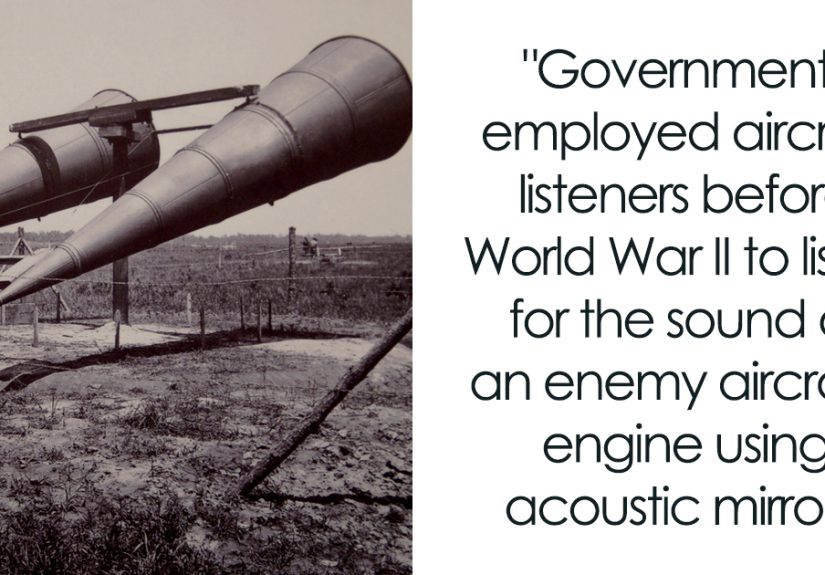
- Aircraft listener Before radar, some military workers listened for approaching aircraft using giant acoustic devices that looked like science fiction built from plumbing parts.
- Lector In cigar factories and other workplaces, a lector read newspapers and literature aloud to keep workers informed and entertained while they labored.
Jobs from the print shop, office, and corner store
- Linotype operator These skilled operators used hot-metal machines to cast whole lines of type, helping newspapers move at a speed earlier printers could only envy.
- Hand typesetter Before linotype and offset printing, compositors arranged individual letters by hand, one tiny piece of metal at a time.
- Typing-pool typist Entire office departments once existed to type letters, reports, and forms for executives who apparently considered keyboards beneath them.
- Keypunch operator Data used to be entered into punch cards by specialists whose accuracy mattered because one wrong hole could wreck a workflow.
- Daguerreotypist Early photographers using daguerreotype equipment practiced a chemically finicky art form that was cutting-edge, expensive, and not especially forgiving.
- Pinsetter Before automatic bowling machines, usually young workers reset pins by hand after every frame, which was repetitive and occasionally hazardous.
- Soda jerk The classic soda fountain worker mixed fizzy drinks, ice cream treats, and pharmacy-counter charm before fast food chains stole the spotlight.
- Milkman Daily doorstep milk delivery was once routine, especially before home refrigeration changed how often households needed fresh dairy.
- Bread delivery man Before supermarket runs became normal, some neighborhoods relied on regular home bread delivery, because convenience existed long before apps.
- Egg man Yes, this was exactly what it sounds like: a person who delivered eggs directly to homes on a predictable neighborhood route.
- Iceman Households with iceboxes depended on the iceman to deliver large blocks of ice, often reading a sign in the window to know the order size.
- Ice cutter Before mechanical refrigeration dominated, workers harvested thick slabs of ice from frozen lakes and stored them for warmer months.
- Herb strewer In less-than-fragrant buildings, herb strewers scattered flowers and herbs to cover smells. It was interior design with a survival edge.
- Book peddler These traveling sellers carried books and illustrations door to door, bringing literature to customers before online retailers learned to stalk our preferences.
Dirty, dangerous, and deeply unpleasant work
- Night soil man Before modern sewer systems, somebody had to remove human waste from privies and cesspits, usually under cover of darkness.
- Gong farmer A wonderfully ridiculous title for a truly awful job: cleaning out latrines and cesspits before sanitation infrastructure improved.
- Tosher Toshers searched sewers for valuables, proving that treasure hunting has always had people willing to ignore basic hygiene.
- Pure finder These workers collected dog droppings for use in the tanning industry. This job wins the award for the least appealing version of recycling.
- Rat catcher In crowded cities and plague-prone times, rat catchers were essential pest control professionals with far less glamorous branding.
- Chimney sweep apprentice Chimneys needed cleaning, and in the worst periods children were sent into narrow flues to do it. History can be grim.
- Leech collector When bloodletting and medicinal leeches were in fashion, people gathered leeches from swamps and ponds for doctors to use.
- Resurrectionist Medical schools needed bodies, and some people met that demand by digging up corpses and selling them. Not a proud chapter.
- Powder monkey Young boys on warships carried gunpowder to cannons during battle, which sounds dangerous because it was incredibly dangerous.
- Phrenologist This now-discredited occupation claimed personality and intelligence could be read from the bumps on a person’s skull.
- Groom of the stool A royal court position that involved attending the king in private moments and somehow still became politically influential.
- Sin-eater In folklore-rich communities, a sin-eater symbolically consumed food over a corpse to take on the dead person’s sins. Strange job, stranger premise.
Specialist trades and titles history pushed to the margins
- Badger A market middleman who bought produce from farmers and resold it in town, part hauler and part hustler.
- Japanner Japanners imitated East Asian lacquer finishes on furniture and decorative goods, turning style imitation into a specialized trade.
- Goldbeater These artisans hammered gold into paper-thin leaf, a painstaking job that demanded patience, precision, and probably excellent forearms.
- Fuller In textile production, fullers cleaned and thickened cloth, sometimes using processes that were messy, smelly, and physically exhausting.
- Saggar maker’s bottom knocker Yes, that was the real title. This pottery-industry worker formed the clay bottoms of protective kiln containers called saggars.
- Wigmaker Once a respectable and even fashionable profession, wigmakers thrived when elaborate hairpieces signaled wealth, status, and social ambition.
- Apothecary The historical apothecary mixed and sold remedies before the modern pharmacy system standardized medicine and drug retailing.
- Cordwainer A cordwainer made new leather shoes; unlike a cobbler, this craftsperson was not mainly repairing old ones.
- Saddler Saddlers made saddles, harnesses, and horse gear when horses were central to travel, labor, and status.
- Cooper Barrels do not make themselves. Coopers specialized in building and repairing casks for food, drink, and storage.
- Wheelwright Before rubber tires and steel rims changed transport, wheelwrights built and repaired wooden wheels for wagons and carts.
- Coachmaker This trade designed and built carriages, a crucial business before automobiles politely bulldozed the profession into history.
- Tallow candler Candles made from animal fat once required their own trade, which became much less central once lighting technology improved.
- Sawyer Before industrial sawmills dominated, sawyers cut timber by hand, often in teams, turning logs into usable boards the exhausting way.
- Public baker In some early communities, designated bakers provided bread production at scale when many households lacked the equipment to do it efficiently.
- Hatter Hat making was once a more common dedicated trade, especially when hats were daily essentials rather than occasional fashion statements.
- Dyer Cloth and thread were often colored by specialists who understood dyes, fibers, and the unpleasant chemistry of making color stay put.
- Weaver Weaving survives as an art, but the stand-alone neighborhood weaver largely disappeared as factory production transformed textiles.
What these forgotten careers reveal about history
The funny thing about old occupations is that they stop sounding funny once you think about what they tell us. Every obsolete job points to a world arranged differently from ours. A milkman reminds us that people bought food more frequently and stored less of it. A switchboard operator reminds us that communication once required human hands in the middle. A lamplighter suggests a city that still went dim at sunset unless someone physically fixed that problem. A pure finder, meanwhile, reminds us that industries once relied on supply chains no sane person would invent from scratch today.
That is why forgotten careers are more than trivia. They are clues. They show how people adapted to the limits of their time, how technology slowly redrew daily routines, and how many “normal” jobs are only normal until the next invention comes along. Yesterday’s respected trade can become today’s museum placard with alarming speed. Somewhere, a future writer is probably already drafting an article about jobs that sounded perfectly ordinary in 2026 and now seem gloriously bizarre.
Experiences related to “58 Interesting Yet Weird Jobs That No Longer Exist”
Trying to imagine these obsolete jobs as lived experiences changes the whole topic. It is one thing to laugh at the title knocker-up. It is another to picture the person actually doing it: walking dark industrial streets before dawn, carrying a stick, memorizing which worker lived in which apartment, tapping one window gently and another one like rent depended on it. Because it probably did. These were not quirky side quests from history. They were ordinary livelihoods woven into the rhythm of daily life.
The sensory details make these old occupations feel even stranger. Think about the iceman, hauling heavy blocks that burned your skin with cold while horses snorted in the street. Think about the lamplighter moving from post to post in evening fog, creating a city one flame at a time. Think about the linotype operator working in heat, noise, ink, and metal, turning breaking news into physical lines of type that people could actually hold. History often looks tidy in hindsight, but many old jobs were loud, messy, repetitive, and brutally physical.
Then there are the jobs that reveal how close older societies lived to things modern people try very hard not to think about. Night soil men, gong farmers, chimney sweeps, and rat catchers worked at the edge of public health. They were essential precisely because everyone else wanted to forget the problem existed. Their labor protected whole neighborhoods, yet it rarely came with glamour or lasting prestige. In that sense, these extinct professions also tell a familiar story: societies depend on workers they do not always respect enough while the work is still being done.
Some of the strangest experiences were probably psychological rather than physical. Imagine being a human computer, knowing that your mind was the machine. Imagine being a telephone operator hearing pieces of strangers’ lives all day long. Imagine being a lector, responsible for keeping an exhausted room of workers mentally awake with news, speeches, and novels. Or imagine being a phrenologist, fully convinced that reading bumps on a skull was sound science. The past was not just different in what people did for money. It was different in what they considered credible, necessary, or normal.
That is what makes weird jobs from the past so fascinating. They collapse the distance between us and earlier people. The job titles sound absurd, but the motives behind them are recognizable: wake people up, move messages faster, keep food fresh, make cities cleaner, sell a skill, survive economic change. Even the oddest extinct profession existed because somebody had a problem and somebody else found a way to charge for solving it. Strip away the old-fashioned tools, and that idea still powers the modern economy. We may not hire a linkboy or a leech collector anymore, but we are still, in our own polished digital way, inventing new jobs that future generations will absolutely mock.







 Close
Close