
Table of Contents >> Show >> Hide
- 18 Design Trends That Defined 2018
- 1. Jewel Tones Replaced Safe Neutrals
- 2. Gray Started Losing Its Throne
- 3. Purple Got a Promotion
- 4. Yellow Made a Cheerful Comeback
- 5. Blue Became the New Calm
- 6. Velvet Was Everywhere
- 7. Stone and Other Tactile Surfaces Took Center Stage
- 8. Artisan-Made Pieces Became More Valuable
- 9. Mixed Metals Stayed in the Game
- 10. Quartz Became a Kitchen Favorite
- 11. Warm Wood Cabinetry and Natural Wood Tones Returned
- 12. Wallpaper Had a Real Renaissance
- 13. Geometric Accents and Tiles Added Structure
- 14. Greenery Became Part of the Decor Plan
- 15. Statement Lighting Got More Sculptural
- 16. A Touch of Glam and Art Deco Energy Returned
- 17. Bathrooms Became Spa-Like Sanctuaries
- 18. Imperfect, Curated Rooms Felt More Modern Than Over-Styled Ones
- How These 2018 Design Trends Worked Together
- Experiences From the 2018 Design Shift
- Conclusion
2018 did not tiptoe into interior design. It showed up in jewel tones, brushed past plain gray walls, tossed a velvet pillow on the sofa, and politely suggested that maybe your home deserved a little more personality. After several years of cool minimalism dominating Instagram feeds and showroom floors, 2018 design trends pushed interiors toward something warmer, richer, and a lot more expressive. In other words, the room finally loosened its tie.
What made design trends for 2018 so interesting was the mix of contrast. Homes were becoming bolder, yet still comfortable. Glamorous, yet grounded. More colorful, but not chaotic. Designers embraced statement materials, dramatic paint, and eye-catching details, while still leaning into the practical realities of everyday life. Kitchens had to work harder. Bathrooms became wellness spaces. Living rooms needed to feel curated, not staged within an inch of their lives.
If you want to understand home decor trends in 2018, the big takeaway is simple: people wanted rooms that looked designed, but also lived in. That meant more texture, more craftsmanship, more mood, and fewer cookie-cutter spaces. Below are the 18 design directions that shaped the year and gave American homes a fresh sense of style.
18 Design Trends That Defined 2018
1. Jewel Tones Replaced Safe Neutrals
One of the clearest 2018 design trends was the rise of jewel tones. Emerald green, sapphire blue, amethyst purple, and deep teal suddenly felt less like special-occasion colors and more like everyday style moves. These shades added depth without making rooms feel heavy, especially when used on velvet upholstery, accent walls, or dining chairs. The effect was dramatic but still polished. In a year that wanted homes to feel more expressive, jewel tones became the design equivalent of speaking up without yelling.
2. Gray Started Losing Its Throne
Gray did not disappear in 2018, but it definitely stopped acting like the only paint chip in the hardware store. Designers began moving away from endless cool grays and toward warmer, moodier, and more individualized palettes. Creamy whites, earthy taupes, dusty rose, muted terracotta, and layered blues started to feel more inviting. This shift mattered because it signaled a broader move away from one-note minimalism. Rooms were beginning to feel human again, which was nice for everyone, including the furniture.
3. Purple Got a Promotion
Thanks in part to the year’s major color forecasts, purple became a serious player. Not just in a grape-soda way, thankfully, but in sophisticated shades like plum, eggplant, and smoky violet. These tones brought energy, creativity, and a little mystery to interiors. A purple accent chair, a set of moody drapes, or even a statement lamp could make a traditional room feel fresher. In 2018, purple was less “kid’s bedroom experiment” and more “adult with excellent taste and a daring paint sample.”
4. Yellow Made a Cheerful Comeback
Yellow re-entered the design conversation with surprising confidence. Instead of reading overly sweet or retro in a bad way, marigold, mustard, and golden yellow added optimism and punch. Designers used it to wake up kitchens, energize entryways, and brighten neutral living rooms. It paired especially well with navy, charcoal, blush, and natural wood. If 2017 often whispered, 2018 sometimes grinned. Yellow was one reason why.
5. Blue Became the New Calm
While bold colors gained traction, softer blues also surged. Hazy blue-gray, muted denim, and spa-like sea tones appeared in bedrooms, bathrooms, and kitchens. These shades answered a growing desire for homes to feel more restorative. Blue worked beautifully on cabinetry, wall paint, tile, and textiles because it could be calming without being boring. It was the design world’s version of taking a deep breath, which many homes badly needed after years of aggressively photogenic interiors.
6. Velvet Was Everywhere
Few interior design trends in 2018 felt as instantly recognizable as velvet. It showed up on sofas, slipper chairs, headboards, benches, and even dining seats. Velvet brought luxury, but it also introduced softness and visual richness. In jewel tones, it looked glamorous. In blush or camel, it felt modern. In deep green, it practically announced itself at the front door. This trend worked because it made rooms feel tactile and layered, which was exactly where the design mood was headed.
7. Stone and Other Tactile Surfaces Took Center Stage
In 2018, texture stopped being a supporting actor and became part of the main plot. Stone, concrete, marble, plaster-like finishes, and heavily grained woods helped rooms feel more grounded and sensory. People wanted homes that looked collected, not slick. That meant using materials with visible character: veining, patina, grain, and imperfections. These surfaces added soul to modern spaces and gave traditional rooms a contemporary edge. Smooth and shiny was still around, but texture was winning the popularity contest.
8. Artisan-Made Pieces Became More Valuable
Mass-produced decor was no longer enough for homeowners who wanted personality. Handmade ceramics, woven lighting, carved side tables, and one-off vintage finds became more desirable because they brought individuality into a room. The trend was not just aesthetic; it reflected a deeper appreciation for craftsmanship and materials. A hand-thrown vase or custom bench could make an otherwise simple room feel designed with intention. In a sea of identical furniture catalogs, artisan work offered the increasingly rare thrill of not looking like everyone else.
9. Mixed Metals Stayed in the Game
By 2018, the idea that every finish in a room had to match exactly was fading fast. Brass, blackened steel, polished chrome, and warm nickel could now coexist without causing a design emergency. The trick was balance: repeat each finish enough to make it feel deliberate, not accidental. Mixed metals helped rooms feel layered and updated, especially in kitchens and bathrooms. This was great news for anyone who had ever fallen in love with a brass faucet and a black pendant in the same week.
10. Quartz Became a Kitchen Favorite
Among the top kitchen design trends of 2018, quartz had a major year. Homeowners loved it because it offered the look of natural stone with easier maintenance and consistent performance. In practical terms, quartz worked for busy kitchens that still wanted to look upscale. Waterfall islands, pale countertops, and clean-lined backsplashes often relied on quartz to deliver that crisp, tailored finish. It fit perfectly with 2018’s design priorities: beautiful, hardworking, and less likely to punish you for spilling coffee before noon.
11. Warm Wood Cabinetry and Natural Wood Tones Returned
After years of ultra-bright white kitchens and graywashed finishes, warmer wood began to make its way back into the spotlight. Walnut, oak, and medium wood tones added richness without feeling dated when paired with modern hardware, sleek counters, and clean silhouettes. This trend helped kitchens and living spaces feel less sterile. It also reflected a larger return to natural materials and visual warmth. Wood was no longer something to hide under paint; it was something to celebrate.
12. Wallpaper Had a Real Renaissance
Wallpaper in 2018 was not about tiny country florals from your aunt’s hallway. It was bolder, larger in scale, and far more confident. Designers used it in powder rooms, bedrooms, dining rooms, and even on ceilings. Botanical prints, abstract motifs, and oversized patterns turned walls into focal points. Wallpaper worked especially well because people were moving away from “safe resale mode” and embracing more identity at home. It was commitment, yes, but stylish commitment. The good kind.
13. Geometric Accents and Tiles Added Structure
Geometry was another standout among home design trends for 2018. Tables with sculptural forms, angular lighting, bold tile layouts, and patterned surfaces gave interiors a crisp graphic quality. These elements kept all that velvet, wood, and color from becoming too soft or nostalgic. A geometric backsplash, hex tile floor, or faceted side table could sharpen a room instantly. It was a useful counterbalance: where some trends added warmth, geometry added clarity.
14. Greenery Became Part of the Decor Plan
Plants were more than accessories in 2018. They became part of the design language. Trailing greenery, oversized potted plants, and even living walls helped interiors feel fresher and more alive. This trend aligned with the year’s growing interest in wellness, nature, and spaces that felt less machine-made. Greenery also softened modern rooms and gave traditional interiors an easy, current touch. A ficus in the corner suddenly did more heavy lifting than some entire gallery walls.
15. Statement Lighting Got More Sculptural
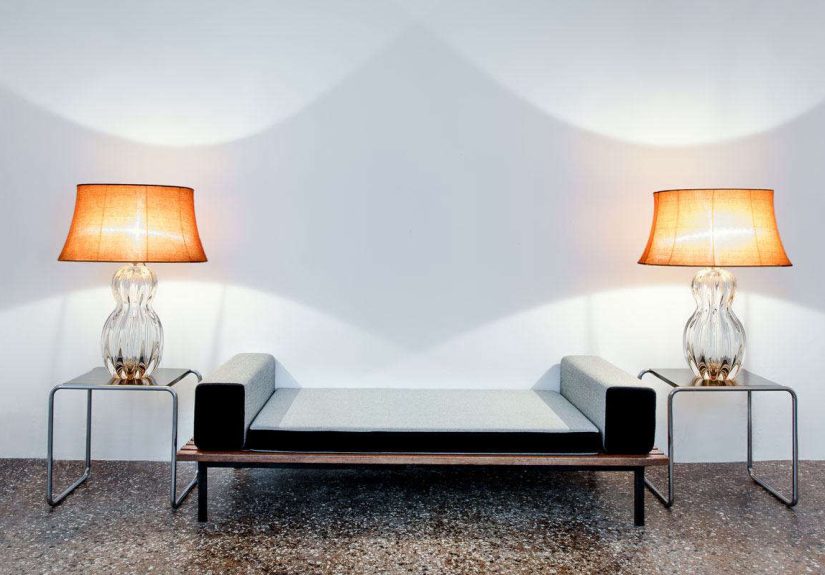
Lighting in 2018 was not content to sit quietly overhead. Homeowners and designers leaned into fixtures that acted like functional art. Oversized pendants, branching chandeliers, custom fixtures, and dramatic sconces helped define a room’s character in seconds. Whether the style was modern, glam, rustic, or eclectic, statement lighting became one of the fastest ways to update a space. If a room had good bones but lacked excitement, a killer fixture was often the design-world answer to “Have you tried turning it off and back on?”
16. A Touch of Glam and Art Deco Energy Returned
2018 had a noticeable appetite for glamour, but not in an over-the-top, crystal-everywhere kind of way. Instead, it came through curved furniture, rich fabrics, brass details, bold color, and subtle Art Deco references. This gave rooms a little drama without tipping into costume. A scalloped chair, a round mirror with a metallic frame, or a bar cart with polished lines could instantly elevate a space. The mood was luxe, but still livable.
17. Bathrooms Became Spa-Like Sanctuaries
The bathroom stopped being purely utilitarian and started acting more like a retreat. Freestanding tubs, concrete details, bold wallpaper, heavier hardware, and brass or black fixtures became strong bathroom design trends in 2018. The goal was to create a room that felt restorative, not just functional. Wellness was a major influence here. Homeowners wanted bathrooms where they could slow down, unplug, and pretend the world was not sending them seventeen notifications a minute.
18. Imperfect, Curated Rooms Felt More Modern Than Over-Styled Ones
Perhaps the most important trend of all was a shift in attitude. In 2018, great rooms started looking less staged and more collected. That meant embracing imperfect beauty, mixing old and new, showing off handmade pieces, and allowing a space to evolve over time. Whether you call it curated minimalism, warm modernism, or a little bit of wabi-sabi spirit, the idea was the same: homes should reflect real lives, not just catalog pages. It was a smart, welcome correction.
How These 2018 Design Trends Worked Together
The best part about these trends was how well they played together. Jewel tones paired naturally with velvet. Warm woods grounded geometric tile. Wallpaper brought energy while artisan decor added soul. Quartz and mixed metals kept kitchens practical but polished. Plants softened strong lines. Spa bathrooms balanced all the drama with calm. 2018 was not about picking one strict style and obeying it like a furniture tax law. It was about combining comfort, personality, and function in a more confident way.
That is also why many of these 2018 decorating ideas still feel familiar today. Not every trend ages gracefully, of course. Some deserve a respectful nod and a quiet retirement. But the larger themes behind 2018, including texture, authenticity, warmth, and individualized design, still influence interiors years later. The specific shades and finishes may shift, yet the desire for homes that feel layered and personal has stayed remarkably strong.
Experiences From the 2018 Design Shift
One of the most interesting experiences related to 2018 design trends was how different homes started to feel almost overnight. People who had spent years playing it safe with beige, gray, and generic furniture suddenly began experimenting with stronger choices. A renter might add an emerald pillow, then a rust throw, then a brass lamp, and before long the entire apartment felt more awake. Homeowners who once feared wallpaper started putting dramatic prints in powder rooms and wondering why they had waited so long. The year encouraged people to trust their eyes a little more and trend anxiety a little less.
For many families, the kitchen became the first testing ground. Instead of redoing everything, they made smaller but smarter updates: a quartz counter, open shelving with metal brackets, new pendant lights, or warmer wood stools to soften an all-white room. These changes did more than improve the look of the space. They changed how the room was used. Kitchens began feeling more social and less clinical. Guests lingered. Morning coffee felt slightly more civilized. Even takeout seemed fancier under better lighting, which is a service design should proudly provide.
Bathrooms were another space where the experience changed dramatically. In earlier years, the goal was often just “clean and neutral.” In 2018, people started wanting a mood. Add a black fixture, a concrete vanity, a patterned wallpaper, or a deep blue wall, and suddenly the bathroom no longer felt like the forgotten room at the end of the hall. It became a reset zone. Homeowners talked more about comfort, self-care, and creating a daily routine that felt less rushed. That emotional shift was just as important as the aesthetic one.
There was also a noticeable difference in how people shopped. Instead of buying matching sets straight off the showroom floor, more consumers looked for pieces with character. They mixed vintage with new, handmade with polished, practical with playful. Someone might pair a modern sofa with a thrifted wood coffee table, then finish the room with a ceramic lamp from a local maker. This made decorating feel more personal and less like following a script. A room could tell a story instead of simply announcing that someone owned a credit card and a measuring tape.
Another memorable experience from 2018 was the growing confidence around color. Once people realized that a room would not collapse under the pressure of navy cabinets or a mustard chair, they became more adventurous. Kids’ rooms got more creative. Dining rooms became moodier. Entryways became bolder. Even people who still preferred neutrals often used richer textures and warmer undertones, which made homes feel more layered. The experience of living in these spaces was different: they felt less flat, more intentional, and far more welcoming.
In the end, 2018 did more than introduce a list of stylish things to buy. It changed how many people related to their homes. Design felt less like a performance for photos and more like a tool for better living. Rooms became softer, more expressive, and more useful. That may be the year’s best design legacy. Yes, velvet had a moment. Yes, brass returned like it had been on a very successful vacation. But the larger shift was toward homes that felt personal, comforting, and confidently imperfect. That is a trend worth remembering.
Conclusion
New Directions: 18 Design Trends for 2018 captured a pivotal moment in interior style. This was the year homes moved away from one-size-fits-all minimalism and toward richer color, stronger texture, more natural materials, and a deeper sense of individuality. From jewel tones and velvet to quartz kitchens, statement lighting, greenery, and spa-inspired bathrooms, 2018 proved that great design could be both stylish and deeply livable. The result was a home that looked less staged, felt more personal, and finally had the nerve to be interesting.






 Close
Close