
Table of Contents >> Show >> Hide
- What Is a Pimple, Exactly?
- How Do Pimples Form?
- What Causes Pimples?
- Types of Pimples and Acne Lesions
- Where Pimples Usually Show Up and Why
- Common Myths About Pimples
- How to Help Prevent Pimples
- When Pimples May Need More Than a Drugstore Cleanser
- What Else Can Look Like a Pimple?
- The Bottom Line on How Pimples Form
- Real-Life Experiences With Pimples: What People Commonly Notice
- SEO Tags
Pimples have a talent for showing up at the worst possible time. Picture day? Hello, forehead volcano. Big date? Welcome, mysterious chin bump. Important presentation? Your nose suddenly decides it wants top billing. But while pimples may seem random, they actually follow a pretty clear process.
At the center of the drama is a tiny structure in your skin called the hair follicle. Each follicle is connected to an oil gland that makes sebum, a natural oil that helps protect and moisturize the skin. Normally, sebum travels up the follicle and out through the pore without causing trouble. Acne starts when that smooth exit turns into a traffic jam.
Dead skin cells, extra oil, bacteria, hormones, irritation, and inflammation can all join the party. The result is a clogged pore, and that clogged pore can turn into different kinds of acne lesions, from blackheads and whiteheads to painful cysts. In other words, a pimple is not just “dirty skin.” It is a mix of biology, timing, oil, inflammation, and bad luck.
This guide breaks down exactly how pimples form, what causes them, the main types of acne, common triggers, myths people still believe for some reason, and what you can do if your skin seems determined to keep things interesting.
What Is a Pimple, Exactly?
A pimple is one visible sign of acne, a skin condition that develops when hair follicles become clogged. Acne most often appears on the face, chest, shoulders, upper back, and sometimes the neck because these areas have more oil glands. Some people get just a few occasional bumps. Others deal with stubborn breakouts that are inflamed, painful, and more likely to leave marks or scars.
Not every pimple looks the same because not every clogged pore behaves the same way. A clogged pore that stays mostly calm may become a whitehead or blackhead. A clogged pore that gets inflamed may become a red bump, a pus-filled pimple, or a deep tender lump under the skin. Same neighborhood, different levels of chaos.
How Do Pimples Form?
Step 1: Your Skin Makes Oil
Your sebaceous glands produce sebum to help keep your skin from drying out. That part is normal and useful. The problem starts when your skin makes too much oil, which often happens during puberty, hormonal shifts, times of stress, or for purely genetic reasons. Some people simply inherit skin that loves to overachieve in the oil department.
Step 2: Dead Skin Cells Don’t Shed Cleanly
Your skin is constantly renewing itself. Old skin cells are supposed to rise to the surface and shed away. In acne-prone skin, those cells can stick together and mix with sebum inside the follicle. Instead of leaving politely, they form a plug.
Step 3: The Pore Gets Clogged
When oil and dead skin cells pile up inside the follicle, the opening becomes blocked. This is the start of a comedone, the basic acne lesion. If the plug stays under the surface, it becomes a whitehead. If the pore opening stays open, the material inside is exposed to air and darkens, creating a blackhead. That dark color is not dirt. It is the result of oxidation, which is much less satisfying than saying “my skin is plotting against me,” but more accurate.
Step 4: Bacteria Multiply
Your skin naturally contains bacteria, including Cutibacterium acnes. In a clogged, oil-rich follicle, these bacteria can multiply more easily. Their presence can trigger the immune system, and now your skin goes from quietly clogged to loudly annoyed.
Step 5: Inflammation Kicks In
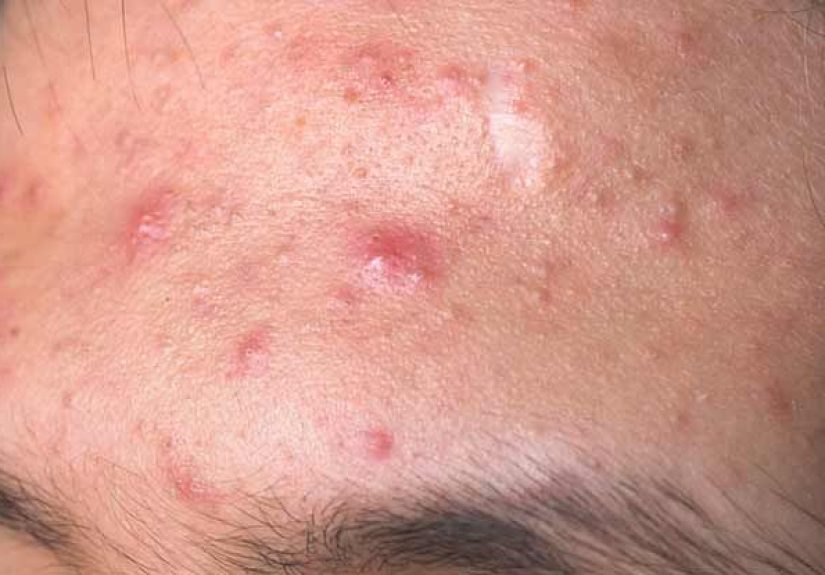
Once the immune system reacts, the area becomes red, swollen, tender, or filled with pus. That is when you get the classic inflamed pimple. If the inflammation stays closer to the surface, you might see a papule or pustule. If it goes deeper, you can end up with nodules or cysts, which are more painful and more likely to scar.
So if you want the quick version, here it is: extra oil + sticky dead skin cells + clogged pore + bacteria + inflammation = pimple. Dermatology in one line.
What Causes Pimples?
Pimples do not come from one single cause. Acne is usually the result of several factors working together.
Hormones
Hormones are major players in acne. During puberty, the body increases androgen activity, which tells oil glands to make more sebum. That is one reason teenagers often break out. Hormonal fluctuations can also trigger acne during menstrual cycles, pregnancy, or other times of hormonal change. Adult acne, especially along the jawline and chin, often has a hormonal pattern.
Genetics
If your parents had acne, you may be more likely to get it too. Genetics can influence how much oil your skin produces, how easily your pores clog, and how your immune system responds to inflammation. Thanks, family tree.
Excess Oil Production
Some skin naturally produces more oil than others. Oily skin is not “bad,” but it can make clogged pores more likely. Heavy or pore-clogging skin care and hair products can add to the issue in some people.
Dead Skin Cell Buildup
When dead skin cells do not shed normally, they can collect inside follicles and contribute to comedones. This is one reason ingredients like retinoids and salicylic acid are commonly used in acne care: they help keep pores clearer.
Bacteria and Inflammation
Bacteria on the skin are normal. The problem is when clogged, oily follicles create an environment that encourages bacterial overgrowth and inflammation. The body reacts, and that reaction can transform a tiny clog into a large, angry bump that feels like it has a personal grudge.
Friction and Pressure
Anything that rubs, traps sweat, or presses against the skin can make breakouts worse in some people. Think helmets, chin straps, tight collars, sports gear, heavy backpacks, and even the constant touching of a phone against your face.
Certain Products
Some cosmetics, sunscreens, pomades, and hair oils can clog pores, especially if they are heavy or not labeled non-comedogenic. Acne around the hairline sometimes has more to do with styling products than with fate.
Some Medications
Certain medicines can worsen acne in some people, including corticosteroids, some hormone-related medications, and a few other drug classes. If breakouts suddenly appear after starting a medication, it is worth asking a healthcare professional whether there could be a connection.
Diet and Stress
Diet is not the sole cause of acne, but it may influence breakouts in some people. Research suggests that high-glycemic diets and some dairy intake may worsen acne for certain individuals. Stress does not magically create a pimple out of thin air, but it can make acne worse by influencing hormones and inflammation. So yes, your final exams and your skin may be in a very rude collaboration.
Types of Pimples and Acne Lesions
Whiteheads
Whiteheads, also called closed comedones, form when the pore is plugged and closed at the surface. They look like small white or flesh-colored bumps.
Blackheads
Blackheads, or open comedones, form when the pore remains open. The material inside oxidizes and turns dark. It is not trapped dirt, even though blackheads enjoy pretending they are.
Papules
Papules are small, red, inflamed bumps without visible pus. They can feel tender and usually signal that inflammation has entered the chat.
Pustules
Pustules are inflamed pimples that contain pus. These are the classic “white-tipped” pimples many people think of first when they hear the word acne.
Nodules
Nodules are larger, deeper, firmer bumps that form under the skin. They can be painful and often need medical treatment because they are less likely to respond to simple over-the-counter products.
Cysts
Cystic acne involves deep, swollen, painful lesions filled with inflammatory material. This is one of the most severe forms of acne and carries a higher risk of scarring. It is definitely not the time for random internet hacks involving toothpaste, lemon juice, or hope.
Where Pimples Usually Show Up and Why
Forehead: Often linked with excess oil, sweat, hats, bangs, or hair products.
Nose: Common site for blackheads because pores here can be more visible and oil glands are active.
Cheeks: May be influenced by touching the face, phones, pillowcases, makeup, or general acne patterns.
Chin and jawline: Frequently associated with hormonal acne.
Chest and back: These areas have lots of oil glands and can break out from sweat, friction, tight clothing, or body products.
Common Myths About Pimples
“Pimples happen because your skin is dirty.”
Nope. Acne starts inside the follicle, not because you forgot to scrub like you were cleaning a frying pan. In fact, harsh scrubbing can irritate skin and make acne worse.
“Blackheads are dirt.”
Also no. The dark color comes from oxidation, not dirt sitting in the pore plotting its next move.
“Only teenagers get acne.”
Definitely false. Adults get acne too, especially women with hormone-related breakouts.
“Sun exposure clears acne.”
Maybe for about five minutes it looks calmer, but too much sun can irritate skin, increase damage, and lead to post-acne marks looking worse.
“Popping pimples makes them heal faster.”
Usually the opposite. Picking can push inflammation deeper, delay healing, and increase the chance of scarring or dark marks.
How to Help Prevent Pimples
You cannot always prevent every breakout, but you can make acne less likely to explode into a full production.
- Wash your face gently twice a day and after heavy sweating.
- Use non-comedogenic skin care, sunscreen, and makeup.
- Avoid harsh scrubs, rough brushes, and over-cleansing.
- Keep hair products away from the face when possible.
- Shower after sports or sweaty workouts.
- Do not pick, squeeze, or “investigate” every bump.
- Be patient with acne treatment products. Many need several weeks to show results.
When Pimples May Need More Than a Drugstore Cleanser
Mild acne often improves with over-the-counter ingredients such as benzoyl peroxide, salicylic acid, or adapalene. But some breakouts deserve a dermatologist’s help. You should consider professional care if:
- your acne is painful, deep, or widespread;
- it leaves scars or dark marks;
- it affects your confidence or mood;
- drugstore products have not helped after a couple of months;
- you think your acne may be related to hormones or medication.
Prescription treatments may include topical retinoids, antibiotics, hormonal treatments, or isotretinoin for severe acne. The right treatment depends on the type of lesions, the severity, your skin type, and whether scarring is already happening.
What Else Can Look Like a Pimple?
Not every bump is acne. Rosacea can cause redness and acne-like bumps. Folliculitis can look like small pimples around hair follicles. Perioral dermatitis can cause rashes around the mouth and nose. Milia are tiny white bumps but are not acne. If your “pimples” are itchy, clustered, sudden, or not responding to acne treatment, you may be dealing with something else entirely.
The Bottom Line on How Pimples Form
Pimples form when a hair follicle becomes clogged with oil and dead skin cells, then bacteria and inflammation make things worse. That basic process can create everything from blackheads to painful cysts. Hormones, genetics, skin products, friction, and stress can all influence the outcome. Acne is common, medical, and extremely annoying, but it is also treatable.
The good news is that once you understand how pimples form, the mystery disappears. Your skin is not “failing.” It is reacting to a set of very real biological processes. And when you know the process, you can choose smarter skin care, avoid common mistakes, and get help sooner if acne starts overstaying its welcome.
Real-Life Experiences With Pimples: What People Commonly Notice
For many people, pimples do not begin as a huge emergency. It often starts with one stubborn bump on the forehead, a cluster of whiteheads near the nose, or a few tiny breakouts across the chin that seem easy to ignore. Then the pattern becomes familiar. The skin looks fine for a few days, then suddenly feels rough, oily, or tender. A person may notice that a pimple seems to form underground first, long before it becomes visible. By the time it shows up on the surface, it already feels like it has been building a secret headquarters under the skin.
Many teenagers describe acne as one of the first big changes of puberty because it feels unpredictable. One week the skin is calm, the next week there are three new breakouts before first period or soccer practice. Adults often describe a different pattern. Instead of random forehead bumps, they may notice painful jawline pimples around the same time each month. That pattern can feel frustrating because it makes the breakout seem scheduled, like your skin put it on the calendar without asking permission.
People also talk about the emotional side. Even mild acne can feel much bigger than it looks in the mirror. A single inflamed pimple can make someone avoid photos, cancel plans, or spend half the day touching their face to “check” whether the bump is still there. It is common for people to think others notice their acne more than they actually do. Skin has a way of becoming the loudest thing in the room, even when no one else is focused on it.
Another common experience is trying too many products too quickly. Someone gets a breakout, panics, uses a harsh scrub, then a drying spot treatment, then a peel, then a random product recommended by a cousin, influencer, roommate, or the mysterious internet. A week later the skin barrier is irritated, the redness is worse, and the original pimples now have backup dancers. This is why consistency usually works better than chaos. Acne treatment often rewards patience, which is deeply unfair but medically true.
People with deeper acne often describe the pain as surprisingly real. Nodules and cysts are not just “bad pimples.” They can throb, feel warm, make washing your face uncomfortable, and linger for weeks. Those are the breakouts most likely to leave marks behind, which adds another layer of stress. Even after the pimple flattens, a dark spot or red mark may stick around like an unwanted souvenir.
There is also the picking cycle. Many people know they should not pop pimples, yet nearly everyone has stood too close to a mirror thinking, “This will go well.” It rarely does. What starts as a tiny blemish can become a bigger, angrier, more obvious one after squeezing. Then comes regret, a patch, and a promise to never do that again until next Tuesday.
On the positive side, people often say the biggest turning point is understanding that acne is a skin condition, not a personal failure. Once they stop blaming themselves and start using a simple routine consistently, things often improve. Gentle cleansing, non-comedogenic products, targeted acne ingredients, and medical help when needed usually beat panic, scrubbing, and wishful thinking. The experience of living with pimples can be annoying, embarrassing, and exhausting, but it can also teach people to be more patient with their skin and with themselves.






 Close
Close