
Table of Contents >> Show >> Hide
- What Is Myocardial Ischemia?
- Common Causes of Myocardial Ischemia
- Symptoms of Myocardial Ischemia
- When to Seek Emergency Help
- Risk Factors for Myocardial Ischemia
- How Myocardial Ischemia Is Diagnosed
- Treatment for Myocardial Ischemia
- Lifestyle Changes That Support Recovery
- Outlook for People With Myocardial Ischemia
- Prevention: How to Lower Your Risk
- Real-Life Experiences and Practical Lessons
- Conclusion
- SEO Tags
Myocardial ischemia sounds like the kind of phrase a cardiologist says while pointing at a chart full of squiggly lines. But the idea behind it is straightforward: your heart muscle is not getting enough oxygen-rich blood. Since the heart is basically the body’s hardest-working engine, it does not appreciate being shortchanged on fuel. When blood flow drops, the heart may complain with chest pressure, shortness of breath, fatigue, or sometimesjust to keep things interestingno obvious symptoms at all.
This condition is closely linked to coronary artery disease, a common heart problem in which plaque builds up inside the coronary arteries. These arteries supply blood to the heart muscle. When they narrow, spasm, or become blocked, oxygen delivery can fall. That reduced blood flow is myocardial ischemia, also called cardiac ischemia. It can be temporary, chronic, silent, or severe enough to trigger a heart attack.
The good news is that myocardial ischemia is treatable. The better news is that many people can improve their outlook with early diagnosis, medication, procedures when needed, and heart-smart lifestyle changes. The less fun news is that ignoring symptoms is a terrible strategy. Your heart is not a mysterious antique machine that fixes itself if you tap the side twice.
What Is Myocardial Ischemia?
Myocardial ischemia happens when blood flow to the heart muscle is reduced. “Myo” refers to muscle, “cardial” refers to the heart, and “ischemia” means a shortage of blood supply. Put together, it means the heart muscle is not getting enough oxygen to meet its needs.
The heart needs oxygen constantly. When you walk upstairs, carry groceries, exercise, feel stressed, or fight your way through a chaotic parking lot, the heart works harder. If narrowed coronary arteries cannot deliver enough blood during those moments, ischemia can occur. Some people feel chest discomfort during activity and feel better with rest. Others may have symptoms during rest, which can be more concerning.
Myocardial ischemia can lead to complications if untreated. A sudden complete blockage can cause a heart attack. Reduced blood flow can also contribute to abnormal heart rhythms, weakened heart muscle, or heart failure. That is why symptoms such as chest pain, pressure, shortness of breath, fainting, or pain spreading to the arm, jaw, neck, shoulder, or back should be taken seriously.
Common Causes of Myocardial Ischemia
Coronary Artery Disease
The most common cause is coronary artery disease. Over time, cholesterol, fat, calcium, and other substances can form plaque inside artery walls. This process is called atherosclerosis. As plaque grows, the artery becomes narrower, and less blood reaches the heart muscle.
Plaque can also rupture. When that happens, the body may form a clot around the damaged plaque. If the clot blocks blood flow, a heart attack can occur. This is why a person can feel “fine” one day and have a major cardiac event the next. Plaque is not dramatic until it suddenly is.
Coronary Artery Spasm
Sometimes an artery tightens suddenly, reducing blood flow even if there is not a major blockage. This is called coronary artery spasm. It can happen at rest and may be linked to smoking, certain substances, stress, cold exposure, or other triggers.
Blood Clots
A clot can partially or completely block a coronary artery. This may occur after plaque rupture or because of other blood-clotting risks. A complete blockage is a medical emergency.
Increased Demand on the Heart
Even if arteries are only moderately narrowed, ischemia may happen when the heart suddenly needs more oxygen. Examples include intense physical exertion, severe emotional stress, uncontrolled high blood pressure, fever, anemia, or rapid heart rhythms.
Symptoms of Myocardial Ischemia
The classic symptom is chest pain or discomfort, often called angina. But “pain” is not always the best word. Many people describe it as pressure, squeezing, tightness, heaviness, burning, or a strange sense of weight in the chest. Some say it feels like an elephant sitting on them. Others say it feels like indigestion wearing a suspicious little hat.
Possible Symptoms Include
- Chest pressure, tightness, pain, or discomfort
- Shortness of breath
- Pain spreading to the arm, shoulder, jaw, neck, back, or upper stomach
- Nausea or vomiting
- Lightheadedness or dizziness
- Unusual fatigue
- Sweating
- Rapid or irregular heartbeat
- Symptoms that appear with exertion and improve with rest
Silent Ischemia
One of the trickiest forms is silent ischemia, which means reduced blood flow occurs without clear symptoms. This is more common in people with diabetes, older adults, and people who have had previous heart attacks. Silent does not mean harmless. It simply means the warning alarm is set to “stealth mode,” which is rude but medically important.
Symptoms May Differ From Person to Person
Not everyone has crushing chest pain. Some people experience vague symptoms such as fatigue, nausea, breathlessness, or discomfort in the jaw, back, or upper abdomen. Women, older adults, and people with diabetes may be more likely to report less typical symptoms. Any new, unexplained, or worsening symptom deserves attention, especially if it happens with activity or stress.
When to Seek Emergency Help
Call emergency services immediately if chest discomfort lasts more than a few minutes, goes away and comes back, or occurs with shortness of breath, sweating, nausea, fainting, or pain spreading to the arm, jaw, neck, back, or shoulder. Do not drive yourself to the hospital. Do not wait to “see if it passes.” Do not ask the internet to vote on it. Heart emergencies are time-sensitive.
Fast treatment can limit heart muscle damage. In a possible heart attack, minutes matter. The sooner blood flow is restored, the better the chance of preserving heart function.
Risk Factors for Myocardial Ischemia
Myocardial ischemia often develops because of risk factors that damage blood vessels over time. Some risks can be changed, while others cannot.
Modifiable Risk Factors
- Smoking or exposure to secondhand smoke
- High blood pressure
- High LDL cholesterol or low HDL cholesterol
- Diabetes or insulin resistance
- Physical inactivity
- Unhealthy diet patterns
- Overweight or obesity
- Chronic stress
- Poor sleep
- Excess alcohol use
Non-Modifiable Risk Factors
- Older age
- Family history of early heart disease
- Previous heart attack or known coronary artery disease
- Certain inherited cholesterol disorders
Having one risk factor does not guarantee a heart problem. Having several risk factors, however, raises the odds. Think of them like unpaid bills. One is annoying. A stack of them becomes a situation.
How Myocardial Ischemia Is Diagnosed
Diagnosis usually begins with a medical history, symptom review, physical exam, and risk assessment. A clinician may ask when symptoms started, what triggers them, what relieves them, and whether you have conditions such as diabetes, high blood pressure, or high cholesterol.
Common Tests
- Electrocardiogram: An ECG records the heart’s electrical activity and may show signs of ischemia, rhythm problems, or previous heart damage.
- Blood tests: Troponin and other markers can help detect heart muscle injury during a suspected heart attack.
- Stress testing: Exercise or medication is used to make the heart work harder while doctors monitor blood flow, rhythm, or imaging results.
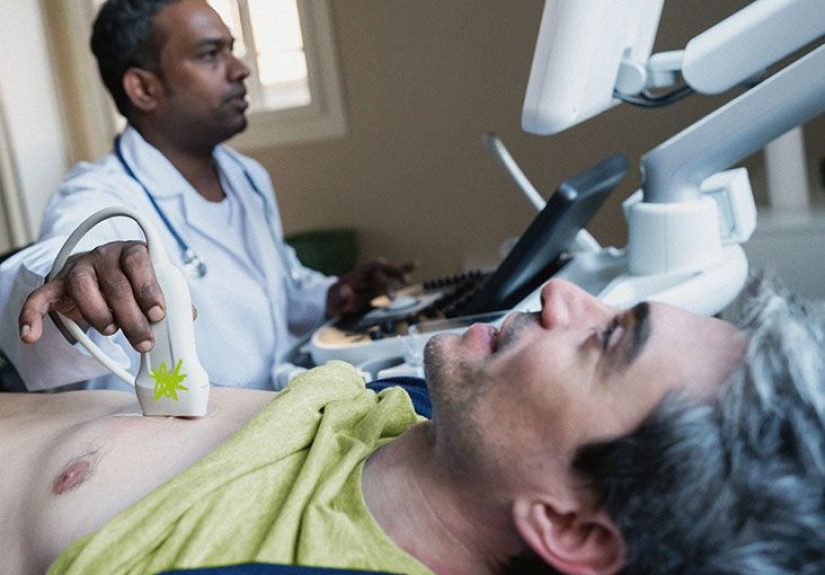
- Echocardiogram: Ultrasound images show how well the heart pumps and whether parts of the heart muscle are moving normally.
- Nuclear stress test: A small amount of tracer helps show areas of reduced blood flow.
- Coronary CT angiography: This imaging test can show narrowed or blocked coronary arteries.
- Coronary angiography: A catheter-based test uses contrast dye and X-rays to see blockages directly.
- Holter monitor: A portable monitor records heart rhythm over time, especially if symptoms come and go.
The right test depends on the person’s symptoms, risk level, and whether the situation appears stable or urgent. Someone with mild exertional chest discomfort may need outpatient testing. Someone with ongoing chest pressure and shortness of breath needs emergency evaluation.
Treatment for Myocardial Ischemia
The main goal of treatment is simple: improve blood flow to the heart muscle and reduce the heart’s workload. The exact plan depends on severity, symptoms, test results, and overall health.
Medications
Doctors may prescribe medications to relieve symptoms, prevent clots, control risk factors, and reduce the chance of heart attack.
- Nitrates: These help widen blood vessels and may relieve angina.
- Beta-blockers: These slow the heart rate and reduce how hard the heart has to work.
- Calcium channel blockers: These may help relax blood vessels and control chest pain, especially in some cases of artery spasm.
- Antiplatelet medicines: Aspirin or other antiplatelet drugs may reduce the risk of clot formation when recommended by a clinician.
- Statins: These lower LDL cholesterol and help stabilize plaque.
- ACE inhibitors or ARBs: These may be used to control blood pressure and protect the heart, especially in people with diabetes, high blood pressure, or reduced heart function.
- Other anti-anginal medicines: Some people need additional therapy when symptoms continue despite standard treatment.
Medication should be taken exactly as prescribed. Stopping heart medicines suddenly can be risky. If side effects happen, the best move is to contact a healthcare professional, not to launch a solo medication experiment.
Angioplasty and Stenting
Angioplasty, also called percutaneous coronary intervention, is a procedure used to open narrowed coronary arteries. A small balloon is inflated inside the artery, and a stent may be placed to help keep it open. This can improve blood flow and relieve symptoms. In emergencies, it can be lifesaving during a heart attack.
Coronary Artery Bypass Grafting
Coronary artery bypass grafting, or CABG, is surgery that creates a new route for blood to flow around blocked arteries. Surgeons use a healthy blood vessel from another part of the body to bypass the blockage. CABG may be recommended for people with multiple severe blockages, left main coronary artery disease, diabetes with extensive coronary disease, or symptoms not controlled by other treatments.
Cardiac Rehabilitation
Cardiac rehabilitation is a supervised program that combines exercise training, education, risk-factor management, and emotional support. It can help people recover after a heart attack, stent, bypass surgery, or diagnosis of significant heart disease. It is not “gym class with a blood pressure cuff.” It is a structured, medically guided program designed to build confidence and reduce future risk.
Lifestyle Changes That Support Recovery
Lifestyle changes are not a cute bonus feature. They are part of treatment. A heart-healthy routine can improve blood pressure, cholesterol, blood sugar, weight, and overall cardiovascular fitness.
Eat for Your Arteries
A heart-friendly diet emphasizes vegetables, fruits, whole grains, beans, lentils, fish, nuts, seeds, and healthy oils. It limits saturated fat, trans fat, heavily processed foods, excess sodium, and added sugars. This does not mean dinner must become a tragic bowl of steamed sadness. It means building meals that support blood vessels instead of bullying them.
Move Safely and Consistently
Physical activity improves heart health, but anyone with symptoms or known heart disease should ask a healthcare professional what level of activity is safe. Many people benefit from walking, cycling, swimming, or structured cardiac rehab. The goal is steady progress, not attempting to become an Olympic athlete by Thursday.
Quit Smoking
Smoking damages blood vessels, reduces oxygen delivery, raises clot risk, and accelerates plaque buildup. Quitting is one of the most powerful steps for improving heart health. People often need more than willpower, and that is perfectly normal. Counseling, medications, nicotine replacement, and support programs can help.
Control Blood Pressure, Cholesterol, and Diabetes
High blood pressure, high cholesterol, and diabetes can quietly damage arteries for years. Regular checkups, lab testing, medication when needed, and daily habits all matter. Numbers such as LDL cholesterol, blood pressure, A1C, and kidney function are not just medical trivia. They are dashboard lights for cardiovascular risk.
Manage Stress and Sleep
Stress does not directly clog an artery in one dramatic moment, but chronic stress can worsen blood pressure, sleep, eating habits, inflammation, and medication consistency. Sleep problems can also affect heart health. Relaxation techniques, therapy, social support, regular routines, and treatment for sleep disorders may all help.
Outlook for People With Myocardial Ischemia
The outlook depends on the cause, severity, how quickly it is treated, and how well risk factors are managed. Some people have mild, stable symptoms that improve with medication and lifestyle changes. Others need stents, bypass surgery, or long-term cardiac care.
Early diagnosis usually improves the outlook. People who follow treatment plans, attend cardiac rehab when recommended, quit smoking, control cholesterol and blood pressure, and stay physically active within safe limits often reduce their risk of future events.
Untreated myocardial ischemia can be dangerous. It may lead to heart attack, heart failure, abnormal rhythms, or sudden cardiac death. But “serious” does not mean “hopeless.” Modern cardiology has many tools, and small daily choices can add up. Your heart does not require perfection. It appreciates consistency.
Prevention: How to Lower Your Risk
Prevention focuses on protecting arteries before symptoms appear. The most effective steps include not smoking, keeping blood pressure in a healthy range, managing cholesterol, staying active, eating a nutrient-rich diet, treating diabetes, maintaining a healthy weight, and getting regular medical care.
People with a family history of early heart disease should discuss screening earlier. Those with diabetes, high cholesterol, high blood pressure, kidney disease, or previous pregnancy-related complications such as preeclampsia may also need closer monitoring.
Prevention is not glamorous. It does not come with fireworks. But it works quietly in the background, like a very responsible friend who reminds you to bring an umbrella.
Real-Life Experiences and Practical Lessons
People who live with myocardial ischemia often describe the experience as confusing at first. One person may feel a heavy pressure in the chest during a brisk walk and assume they are simply out of shape. Another may notice shortness of breath when climbing stairs and blame aging, stress, or a large lunch. Someone else may feel unusual fatigue for weeks and keep pushing through because life is busy and inboxes are rude.
A common lesson is that symptoms are not always dramatic. Movies love the scene where a person clutches their chest and collapses. Real life is often quieter. A person may feel pressure that comes and goes, mild discomfort in the jaw, or a strange tightness during activity. They may sit down, feel better, and decide it was nothing. Then it happens again. That patternsymptoms with exertion that improve with restis worth discussing with a healthcare professional.
Another experience many patients share is fear after diagnosis. Hearing that the heart is not getting enough blood can feel alarming. People may worry about exercise, work, intimacy, travel, or even walking too far from the couch. This is where education and cardiac rehabilitation can make a huge difference. When people learn what symptoms mean, how to use medications, when to seek help, and how to exercise safely, fear often becomes more manageable.
Medication routines can also take adjustment. Some people go from taking no pills to managing several prescriptions. At first, the bottles can look like a tiny pharmacy moved into the kitchen. Over time, pill organizers, phone reminders, refill planning, and clear conversations with clinicians can make the routine easier. The key is understanding why each medication matters. A statin is not just “a cholesterol pill.” It helps reduce future risk. A beta-blocker is not just “a heart pill.” It may reduce the heart’s workload. Knowing the purpose makes adherence feel less like homework and more like self-protection.
Food changes are another real-world challenge. Many people assume a heart-healthy diet means giving up every enjoyable meal. In practice, it is more about patterns than perfection. A person might switch from fried foods most nights to grilled fish, chicken, beans, or vegetable-rich meals. They may keep favorite foods but eat them less often or in smaller portions. A useful mindset is: add before you subtract. Add more fiber, more color, more water, more home-cooked meals, and more planned snacks. The less helpful foods often get crowded out naturally.
Family support matters, too. It is easier to change habits when the household is not treating vegetables like a punishment. Loved ones can help by walking together, preparing healthier meals, learning warning signs, and encouraging follow-up appointments without turning into the “cardiac police.” Support should feel like teamwork, not surveillance.
People also learn to respect their personal warning signs. For one person, it may be chest pressure during cold-weather walks. For another, it may be breathlessness after heavy meals. For someone else, emotional stress may trigger symptoms. Tracking symptoms in a notebook or app can help patients describe patterns clearly to their healthcare team.
The biggest practical lesson is simple: do not ignore your heart. Myocardial ischemia is serious, but it is also a condition where action matters. Getting evaluated, following treatment, attending rehab, improving daily habits, and asking questions can change the path forward. The goal is not to live in fear of every heartbeat. The goal is to understand the condition well enough to live wisely, confidently, and with fewer surprises from the organ that has been working overtime since before you were born.
Conclusion
Myocardial ischemia occurs when the heart muscle does not receive enough oxygen-rich blood. It is commonly caused by coronary artery disease, but artery spasm, blood clots, and increased heart demand can also play a role. Symptoms may include chest pressure, shortness of breath, fatigue, nausea, sweating, dizziness, or pain spreading to the arm, jaw, neck, shoulder, or back. Some people have silent ischemia with few or no symptoms.
Treatment focuses on restoring or improving blood flow, reducing the heart’s workload, preventing clots, and lowering future risk. Options may include medications, angioplasty and stenting, bypass surgery, cardiac rehabilitation, and lifestyle changes. The outlook is best when myocardial ischemia is identified early and managed consistently.
Your heart is not asking for perfection. It is asking for attention. Listen to symptoms, keep up with care, and make daily choices that help blood flow where it needs to go.






 Close
Close