
Table of Contents >> Show >> Hide
- What Counts as Delicate Laundry?
- How to Wash Delicates in the Laundry: 12 Steps
- Step 1: Read the Care Label Before Anything Else
- Step 2: Sort Delicates by Color, Fabric, and Weight
- Step 3: Check for Stains and Treat Them Gently
- Step 4: Close Hooks, Zippers, Buttons, and Ties
- Step 5: Turn Delicate Clothes Inside Out
- Step 6: Place Items in a Mesh Laundry Bag
- Step 7: Choose a Gentle Detergent
- Step 8: Use Cold Water
- Step 9: Select the Delicate, Gentle, or Hand-Wash Cycle
- Step 10: Keep the Load Small
- Step 11: Remove Delicates Promptly After Washing
- Step 12: Air-Dry the Right Way
- Machine Washing vs. Hand Washing Delicates
- Common Mistakes to Avoid When Washing Delicates
- How Often Should You Wash Delicate Clothes?
- Special Tips for Different Types of Delicates
- Experience-Based Laundry Notes: What People Learn After Ruining One Too Many Nice Shirts
- Conclusion
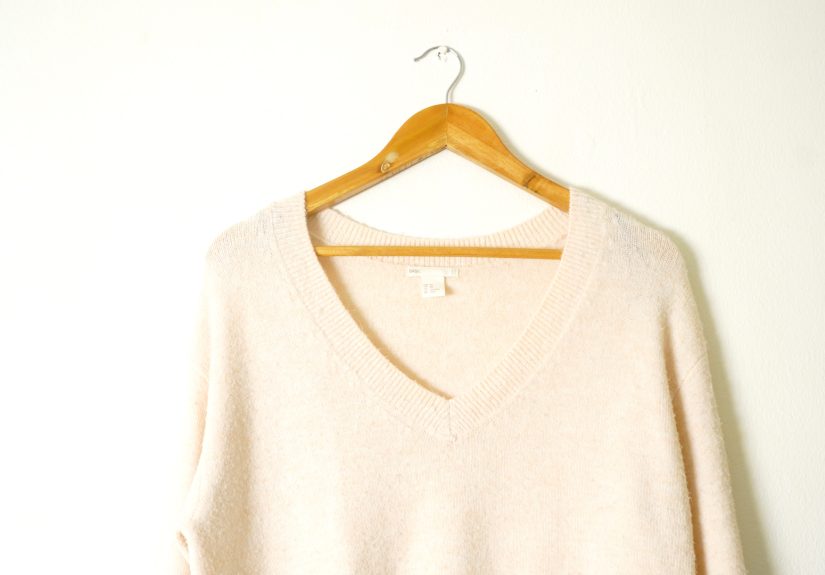
Delicate clothes are the drama queens of the laundry basket. Toss a lace camisole, silk blouse, bra, cashmere sweater, or thin knit top into a regular wash with jeans and towels, and suddenly laundry day becomes a courtroom case: Who stretched the sweater? Who murdered the lace?
The good news is that learning how to wash delicates in the laundry is not complicated. It simply requires a slower, gentler routine than the “dump, detergent, start button, hope for the best” method. Delicate fabrics usually dislike three things: heat, friction, and aggressive spinning. When you control those, you can clean fragile garments without turning them into doll clothes, tangled noodles, or mystery fabric pancakes.
This guide walks you through 12 practical steps to wash delicate clothes safely at home. You will learn how to read care labels, sort fabrics, choose the right detergent, use a mesh laundry bag, set the correct washer cycle, dry delicates properly, and avoid the tiny mistakes that cause shrinking, snagging, fading, and stretching.
What Counts as Delicate Laundry?
Delicate laundry includes garments and fabrics that can be damaged by heat, rough agitation, heavy loads, high-speed spinning, or harsh products. Common examples include silk, lace, lingerie, bras, sheer fabrics, satin, cashmere, wool, rayon, viscose, thin knits, embroidered pieces, embellished clothing, swimsuits, and some baby clothes.
Sometimes a garment is delicate because of the fabric. Other times, it is delicate because of the construction. A cotton dress with beadwork may need gentler care than a plain cotton T-shirt. A synthetic bra may look sturdy, but its elastic, hooks, cups, and straps can stretch or warp if washed roughly. In short, if the garment looks like it would lose a fight with a bath towel, treat it as delicate.
How to Wash Delicates in the Laundry: 12 Steps
Step 1: Read the Care Label Before Anything Else
The care label is not just a tiny itchy tag designed to annoy your neck. It is the garment’s instruction manual. Before washing delicates, check whether the label says machine wash, hand wash, dry clean, dry clean only, cold water, lay flat to dry, do not bleach, or do not tumble dry.
If the label says “dry clean only,” proceed carefully. Some garments are labeled that way because the fabric, dye, lining, structure, or embellishments may not survive water washing. When a piece is expensive, sentimental, structured, lined, heavily embellished, or made from unknown fabric, professional cleaning is usually the safer choice.
If the label allows machine washing or hand washing, continue with the steps below. The goal is to clean the item while reducing stress on the fibers.
Step 2: Sort Delicates by Color, Fabric, and Weight
Sorting laundry is not glamorous, but neither is discovering that your ivory silk blouse has turned “accidental strawberry milk” because it sat next to a red scarf. Separate light colors, dark colors, and bright colors. Wash new, deeply dyed items alone the first time, especially reds, navies, blacks, and jewel tones.
Also sort by fabric weight. Delicates should not be washed with jeans, towels, hoodies, canvas, heavy sweatpants, or anything with rough zippers and Velcro. Heavy items create friction, pull on fragile fibers, and can crush softer garments during the spin cycle. Keep delicates with delicates, like a tiny VIP laundry club.
Step 3: Check for Stains and Treat Them Gently
Before washing, inspect collars, cuffs, underarms, straps, hems, and front panels. Delicate fabrics often show body oil, makeup, deodorant marks, food spots, or perfume residue. Treat stains before washing because a gentle cycle may not be strong enough to remove them later.
Use a mild stain remover or a small amount of gentle liquid detergent diluted with cool water. Dab the stained area with your fingers or a soft cloth. Do not scrub aggressively. Scrubbing lace, silk, or thin knits is like using sandpaper on a butterfly. Let the pretreatment sit briefly according to the product instructions, then wash.
Step 4: Close Hooks, Zippers, Buttons, and Ties
Hooks and zippers can snag delicate fabrics. Before washing, fasten bra hooks, zip zippers, button buttons, and tie loose strings. This prevents garments from tangling, twisting, or catching on one another.
For bras, fastening the hooks is especially important. An open bra hook can attack lace like a tiny pirate hook. For wrap tops, dresses, or anything with long ties, loosely knot the ties so they do not wrap around other garments during washing.
Step 5: Turn Delicate Clothes Inside Out
Turning delicates inside out helps protect the outer surface from friction, fading, pilling, and snags. This is especially useful for dark items, printed fabrics, silk-like materials, embellished tops, and fine knits.
If the item has embroidery, sequins, beading, or decorative stitching, inside-out washing gives the details a little extra protection. It will not make a fragile garment indestructible, but it gives it a better chance of coming out looking like clothing rather than a craft project gone sideways.
Step 6: Place Items in a Mesh Laundry Bag
A mesh laundry bag is one of the simplest tools for washing delicates. It allows water and detergent to circulate while reducing stretching, snagging, and tangling. Use small or medium bags for bras, underwear, socks, lace items, silk scarves, and thin tops. Use larger bags for sweaters or lightweight dresses, but do not overstuff them.
The garment should have room to move inside the bag. If you pack five delicate tops into one bag like laundry sardines, they will not rinse as well and may stay wrinkled. A good rule: one structured item per bag, or two to three very lightweight items if they are similar in color and fabric.
Step 7: Choose a Gentle Detergent
Use a mild liquid detergent designed for delicates, sensitive skin, or gentle washing. Liquid detergent dissolves easily in cold water and is less likely to leave powdery residue. Avoid using too much. More detergent does not mean cleaner clothes; it often means extra residue, dull fabric, and a rinse cycle that quietly judges your decisions.
For wool, cashmere, or silk, choose a detergent made for delicate fibers when possible. Avoid chlorine bleach on delicates unless the care label specifically allows it. Bleach can weaken fibers, damage elastic, yellow certain fabrics, and ruin dyes.
Step 8: Use Cold Water
Cold water is usually the safest choice for washing delicate clothes. It helps reduce shrinking, fading, dye bleeding, and fiber stress. Warm or hot water can be too harsh for silk, wool, lace, rayon, viscose, elastic, and many thin knits.
There are exceptions. Some washable cotton or synthetic delicates may tolerate warm water if the care label allows it. However, when you are unsure, cold water is the safer default. Think of cold water as the calm friend who keeps everyone from making dramatic laundry decisions.
Step 9: Select the Delicate, Gentle, or Hand-Wash Cycle
Set your washing machine to the delicate, gentle, or hand-wash cycle. These cycles typically use lower agitation and slower spin speeds than a normal cycle. That gentler movement helps protect fragile fabrics from stretching, twisting, and tearing.
If your washer allows custom settings, choose cold water, low soil level, low spin, and gentle agitation. If your machine does not have a delicate cycle, use the mildest available cycle with cold water and the lowest spin option. Avoid heavy-duty, bulky, towel, sanitize, or high-spin cycles for delicate laundry.
Step 10: Keep the Load Small
Delicates need space. A crowded washer increases friction, prevents proper rinsing, and can twist garments into tight knots. Wash small loads so each item can move gently through the water.
As a practical example, wash three to six lightweight delicate items together, depending on size. For bras, two to four per load is usually plenty. For sweaters, wash one or two at a time. Your washer should look lightly filled, not like a suitcase packed five minutes before a vacation.
Step 11: Remove Delicates Promptly After Washing
When the cycle finishes, remove delicates right away. Letting wet garments sit in the washer can cause wrinkles, color transfer, mildew odors, and fabric stress. Wet delicates are also heavier and more vulnerable to stretching.
Handle each item gently. Do not yank straps, pull sleeves, or wring fabric. If an item is dripping wet, press it between clean towels to remove excess moisture. Rolling a garment in a towel works well for silk, sweaters, lingerie, and thin knits.
Step 12: Air-Dry the Right Way
Air-drying is usually best for delicates. Heat from a dryer can shrink fibers, weaken elastic, damage lace, warp cups, and fade fabric. Lay sweaters and knits flat on a clean towel or drying rack so they keep their shape. Hang lightweight woven items on padded hangers if the label allows it.
Never hang heavy wet knits from the shoulders. They can stretch into strange shapes, and nobody wants a sweater with sleeves long enough to wave at neighbors from across the street. Keep delicates away from direct sunlight and high heat, which can fade colors and weaken fibers.
Machine Washing vs. Hand Washing Delicates
Many delicates can be machine washed safely if the care label allows it and you use cold water, gentle detergent, a mesh bag, and the delicate cycle. Machine washing is convenient for washable bras, synthetic lingerie, camisoles, slips, some silk items, and lightweight knits.
Hand washing is better for very fragile items, loosely knitted sweaters, antique garments, delicate lace, items with beadwork, structured lingerie, or anything labeled hand wash. To hand wash, fill a clean basin with cool water and a small amount of gentle detergent. Submerge the garment, gently swish it, soak briefly, rinse with cool water, and press out moisture with a towel. Do not twist or wring.
Common Mistakes to Avoid When Washing Delicates
Using Too Much Detergent
Extra detergent can cling to delicate fibers and leave them stiff, dull, or itchy. Use a small amount, especially for small loads.
Washing Delicates with Towels or Jeans
Heavy fabrics create friction and can damage fragile garments. Keep rough items away from delicate laundry.
Using Hot Water
Hot water can shrink, fade, or weaken delicate fabrics. Cold water is usually the safest choice.
Skipping the Mesh Bag
A mesh bag protects straps, lace, hooks, and thin fabric from tangling or snagging inside the washer.
Putting Delicates in the Dryer
High heat is one of the fastest ways to ruin elastic, shrink knits, and damage fragile fibers. Air-dry whenever possible.
How Often Should You Wash Delicate Clothes?
How often you wash delicates depends on the garment and how close it sits to your skin. Underwear, socks, and sweaty items should be washed after each wear. Bras can often be worn more than once unless they are sweaty, stretched, or exposed to heavy body oil. Silk blouses, camisoles, and sweaters may not need washing after every wear if they were worn briefly and stayed clean.
Overwashing can age delicate clothes faster. When possible, air out lightly worn garments between wears. Use a steamer or fabric-safe freshening method if the item only needs light refreshing. However, do not store dirty delicates long-term. Body oils, deodorant, perfume, and stains can become harder to remove over time.
Special Tips for Different Types of Delicates
Bras and Lingerie
Fasten hooks, place bras in a structured mesh bag, use cold water, and air-dry. Avoid the dryer because heat can damage elastic and reshape cups.
Silk
Check the label first. Some silk items are washable, while others need professional care. Use cold water, gentle detergent, and avoid wringing. Dry flat or hang carefully away from sunlight.
Wool and Cashmere
Use cold water and a wool-safe detergent. Avoid agitation and heat. Lay flat to dry so the garment keeps its shape.
Lace
Wash lace in a mesh bag or by hand. Keep it away from zippers, hooks, Velcro, and rough fabrics.
Swimwear
Rinse swimwear after use to remove chlorine, salt, sunscreen, and body oils. Wash gently in cool water and air-dry away from direct heat.
Experience-Based Laundry Notes: What People Learn After Ruining One Too Many Nice Shirts
Most people become careful with delicate laundry only after one tragic laundry incident. Maybe a favorite sweater shrinks into something that could fit a teddy bear. Maybe a bra comes out with one strap wrapped around three shirts like it was trying to form a band. Maybe a silk blouse survives the washer but meets the dryer and returns with the texture of regret.
The first practical lesson is that “delicate” does not always mean expensive. A $12 lace-trim camisole can need more careful washing than a sturdy $120 cotton jacket. Fabric weight, construction, trim, dye, and elasticity matter more than price. Thin straps, open weaves, decorative stitching, and soft knits are warning signs. When a garment looks fragile in your hands, believe what your eyes are telling you.
The second lesson is that mesh bags are helpful, but they are not magic force fields. They reduce damage, but they do not cancel out a bad load. A lace bra in a mesh bag can still suffer if it is washed with towels, jeans, or a jacket covered in metal hardware. Mesh bags work best when paired with a small load, cold water, gentle detergent, and low spin.
The third lesson is that drying matters just as much as washing. Many delicates survive the washer and lose the battle in the dryer. Heat can relax elastic, shrink fibers, wrinkle silk, and change the shape of knits. When in doubt, air-dry. A collapsible drying rack is one of the best laundry tools you can own. It takes up little space and saves clothes from unnecessary heat.
The fourth lesson is to stop treating all stains like they need a wrestling match. Gentle pretreatment is better than aggressive scrubbing. Dab, soak briefly, rinse, and repeat if needed. Delicate fibers do not respond well to panic. If you rub hard enough to distort the fabric, you may remove the stain but leave behind a damaged patch that looks worse.
The fifth lesson is to build a small “delicates routine” instead of making decisions from scratch every time. Keep mesh bags near the hamper. Use one gentle detergent. Wash delicates once or twice a week in small batches. Set the washer to cold and delicate by default. Lay flat anything stretchy. Hang only lightweight items that will not pull out of shape. Simple habits prevent expensive mistakes.
Finally, trust your hesitation. If you hold a garment and think, “Hmm, this feels risky,” do not toss it into a normal cycle just because you are tired. Hand wash it, test a hidden area, or take it to a professional cleaner. Laundry confidence does not mean washing everything the same way. It means knowing when to be gentle, when to slow down, and when to let the bath towels live in a separate, rougher world.
Conclusion
Washing delicates in the laundry is all about reducing stress on fragile fabrics. Read the care label, sort carefully, treat stains gently, use a mesh bag, choose cold water, select the delicate cycle, keep the load small, and air-dry properly. Once you understand the basics, delicate laundry becomes less mysterious and much less terrifying.
The best approach is simple: protect the fabric, avoid heat, limit friction, and never let lace fight denim. With the right routine, your favorite bras, silk tops, sweaters, lingerie, and fine knits can stay clean, soft, and wearable for much longer.





 Close
Close