
Table of Contents >> Show >> Hide
- The TV appearance that felt more like a sleepover than a press tour
- Why people cared so much about one little acne sticker
- This was not random for Millie Bobby Brown
- The bigger beauty story: imperfection is becoming more visible
- What pimple patches do, and what they definitely do not do
- Drew Barrymore was the perfect host for this kind of moment
- Why this matters for celebrity beauty standards
- The smartest part of the whole thing: it looked easy
- What everyday experience makes this moment feel so relatable
- Conclusion
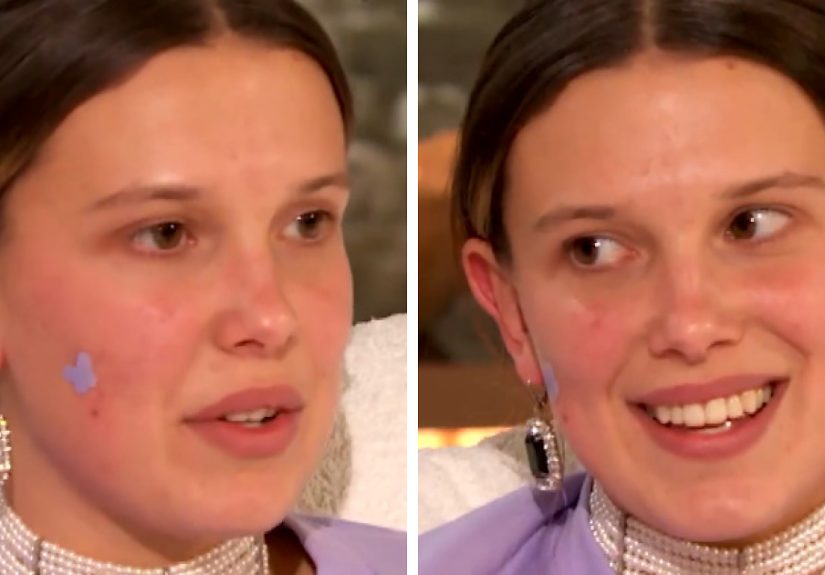
There are celebrity beauty moments designed to stun, and then there are celebrity beauty moments designed to make everyone in America whisper, “Wait… are we allowed to do that?” Millie Bobby Brown’s appearance on The Drew Barrymore Show landed firmly in the second category. Instead of rolling in with full glam, a contour map, and enough highlighter to signal aircraft, she showed up fresh-faced, relaxed, and wearing a visible pimple patch.
It was one tiny sticker with one giant message: skin is skin. Sometimes it is smooth, sometimes it is moody, and sometimes it has the audacity to break out right before you are due on national television. Brown did not seem interested in pretending otherwise. She leaned into the moment, paired the acne patch with a cozy purple outfit, and somehow made the whole scene feel less like a polished press stop and more like a real-life conversation between two people who understand that beauty can be glamorous, casual, experimental, and imperfect all at once.
That is why this moment traveled so quickly across entertainment and beauty coverage. It was not just about a pimple patch. It was about what the patch represented: a shift away from impossible perfection and toward a more honest version of self-presentation. In a media culture that still loves a flawless close-up, Brown’s choice felt quietly rebellious. Not loud. Not preachy. Just honest.
The TV appearance that felt more like a sleepover than a press tour
Part of the appeal was the setting. Brown and Drew Barrymore appeared in coordinated purple lounge looks, which gave the segment the energy of a very chic slumber party rather than a high-pressure celebrity interview. Brown’s butterfly-shaped pimple patch matched the soft, lilac mood of the outfit, turning what could have been read as a skin-care emergency into something surprisingly intentional.
And that is what made the styling so smart. The look was casual without feeling careless. She skipped foundation but still wore statement jewelry. The hair was relaxed, but the overall presentation still looked camera-ready. In other words, the moment did not reject beauty culture entirely. It simply refused to follow the old rule that a visible breakout must be hidden at all costs.
That distinction matters. Brown was not saying, “Nobody should wear makeup.” She was saying something far more interesting: makeup is an option, not a requirement. If you want to wear it, great. If you want to wear a pimple patch and call it a day, also great. That flexibility is probably one reason the moment resonated beyond celebrity-watchers and into the wider beauty conversation.
Why people cared so much about one little acne sticker
On paper, this might sound like a very small story. An actor went on a talk show wearing a pimple patch. End scene. But cultural moments are often small on the surface and bigger underneath. Brown’s appearance touched a nerve because acne is one of the most common, ordinary, emotionally annoying experiences in modern life. Plenty of people feel confident until one breakout appears at exactly the worst time, usually before a party, a meeting, a photo, or an event where lighting seems personally offended by your existence.
Seeing a famous person decline to hide that experience can be strangely powerful. It lowers the temperature. It interrupts the fantasy that everyone else has perfect skin and only the rest of us are negotiating with an angry chin breakout on a Wednesday morning. When Brown wore a patch openly on television, she made acne look less like a personal failure and more like what it actually is: a common skin issue that does not deserve a dramatic soundtrack.
There is also a practical reason the moment clicked. Pimple patches are no longer niche. They have become a recognizable part of everyday skin care, especially for younger consumers who are comfortable mixing treatment with style. A visible patch now reads less like “I gave up” and more like “I am taking care of this and moving on with my day.” Brown’s look fit that modern attitude perfectly.
This was not random for Millie Bobby Brown
What made the appearance feel authentic instead of gimmicky is that Brown has been publicly open about her skin for years. She did not suddenly invent an interest in acne positivity because there happened to be a camera nearby. Her beauty brand, Florence by Mills, has long been tied to messaging around feeling comfortable in your own skin, and Brown has spoken before about dealing with breakouts, figuring out what works for her face, and learning that skin can be unpredictable.
That history matters because audiences are pretty good at sniffing out performance. If this had come from someone who spent years selling only polished perfection, the response might have been more skeptical. But Brown has built a public image that includes beauty entrepreneurship, skin-care experimentation, and occasional honesty about acne. So the pimple patch read as consistent with her existing message, not a sudden rebrand.
There is a subtle but important difference between marketing authenticity and actually being consistent. Yes, it is fair to note that Brown wore a patch from her own brand. She is a founder, and this was not an accident. But it is also fair to note that she has repeatedly shown an interest in normalizing imperfect skin. Both things can be true at the same time. Celebrity image, after all, is rarely one pure motive wrapped in a lavender bow.
The bigger beauty story: imperfection is becoming more visible
Brown’s Drew Barrymore moment did not happen in a vacuum. It arrived during a broader period in which celebrities and beauty media have become more willing to show texture, breakouts, bare skin, and real-life skin-care routines. That does not mean the age of glam is over. Far from it. Red carpets still sparkle, and full-beat makeup remains alive, well, and contouring.
What has changed is the cultural permission structure. A visible blemish no longer has to be treated like a crisis. A pimple patch can appear in a selfie, at an airport, or even on a talk show without instantly being coded as embarrassing. The beauty standard is not exactly disappearing, but it is getting more flexible around the edges. That is meaningful progress, even if it arrives one tiny hydrocolloid sticker at a time.
Brown’s appearance also works because it rejects the old either-or framing. The message was not “natural is good, glam is fake.” That binary is tired. The interesting part is the freedom to move between the two. Brown can show up ultra-polished one day and bare-faced the next. She can wear couture for a premiere and sweats with a skincare patch on daytime TV. That range is more reflective of how real people actually live.
What pimple patches do, and what they definitely do not do
Let us give the humble acne patch its moment. Hydrocolloid pimple patches have earned their popularity for a reason. They can help protect a surface-level blemish, absorb fluid, reduce the temptation to pick at the area, and support healing. In other words, they are part treatment, part barrier, part “please stop touching your face” reminder. That last feature may be doing some very heavy lifting for humanity.
Still, they are not magic. They are most useful for certain types of pimples, especially ones closer to the surface. They are less effective for deep, painful cystic acne. They also do not solve the underlying causes of acne on their own. If someone has persistent breakouts, they usually need a broader routine or professional guidance rather than expecting one cute patch to handle the entire situation like an overworked intern.
That is part of what makes Brown’s appearance so effective symbolically. A pimple patch is not a disguise. It is a visible sign of care. It says, “Yes, there is a breakout. I see it too. I am treating it, and we are all going to continue living.” That is a healthier energy than the old panic-and-conceal cycle many people grew up with.
Drew Barrymore was the perfect host for this kind of moment
Drew Barrymore’s talk show has built much of its identity around warmth, curiosity, and emotional accessibility. It is not a cold, late-night setup built around sharp punchlines and polished distance. It is a couch, a conversation, a little chaos, and a lot of sincerity. That made it the ideal environment for Brown’s makeup-free appearance.
Barrymore herself has often embraced vulnerability in the way she speaks about beauty, aging, relationships, and everyday life. So when Brown sat down in a pimple patch and sweats, the mood did not feel jarring. It felt on-brand for the show’s softer, more human style. The matching outfits helped, too. Instead of spotlighting Brown as “the celebrity with a breakout,” the segment visually communicated comfort, relatability, and ease.
That context helped the look land as charming rather than provocative. It was not a stunt designed to shock viewers. It was a fresh-faced choice that fit the room. Sometimes that is exactly why a celebrity moment becomes memorable: not because it screams, but because it feels natural enough to slip past people’s defenses.
Why this matters for celebrity beauty standards
For years, the celebrity beauty machine operated like a factory for polished unreality. Flawless skin, invisible pores, strategic lighting, emergency touch-ups, and enough retouching to make a real forehead seem like folklore. Audiences were expected to admire the final product without asking too many questions about what it cost in time, money, stress, or self-esteem.
Moments like Brown’s do not destroy that machine, but they do disrupt its illusion. They remind viewers that public figures also deal with breakouts, irritation, hormones, bad skin days, and the occasional betrayal of their T-zone. More importantly, they suggest that those realities do not need to disqualify anyone from being seen, photographed, interviewed, or admired.
That is especially relevant for younger audiences who have grown up in the era of filters, high-definition cameras, and social media comparison. A visible patch on national television sends a message that polished presentation and honest skin can coexist. You do not need to earn visibility by achieving poreless perfection first. That is not just a beauty message. That is a confidence message.
The smartest part of the whole thing: it looked easy
The most effective celebrity moments often feel accidental, even when they are not. Brown’s appearance had that quality. It looked easy. It looked comfortable. It looked like the kind of thing someone might actually wear while running out to grab coffee, minus the national audience and the diamond earrings.
That sense of effortlessness is exactly what made the moment aspirational in a modern way. Not “I wish I had airbrushed skin and a glam team.” More like, “I wish I felt that relaxed about my face.” That is a very different kind of aspiration, and arguably a healthier one. Instead of chasing flawlessness, people are drawn to the confidence to be seen while imperfect.
And maybe that is the real headline here. Not that Millie Bobby Brown wore a pimple patch on TV. Not even that she did it without makeup. The bigger story is that she treated visible skin care as normal, and normal is surprisingly refreshing in a culture that often performs perfection like it is a full-time job.
What everyday experience makes this moment feel so relatable
The breakout-before-anything-important phenomenon
One reason this story resonated is because almost everyone understands the strange timing of skin trouble. Breakouts have a talent for appearing right before job interviews, class pictures, birthday dinners, presentations, weddings, reunions, and random moments when you simply wanted peace. It is almost impressive. If pimples were employees, they would be terrible at boundaries and exceptional at punctuality.
That is why Brown’s appearance felt bigger than celebrity fashion coverage. It mirrored a real emotional experience. Most people have stood in front of a mirror and negotiated with their own face like it was a difficult landlord. You try concealer. You try lighting. You turn your head slightly left because that side feels emotionally safer. You consider canceling plans. Then you remember the world is still spinning and your skin did not file a formal request to ruin your life.
The growing confidence of going out anyway
There is also a particular kind of confidence that develops when people stop treating every breakout like a scandal. It usually does not happen all at once. It starts small. You wear the patch to the grocery store. Then to school pickup. Then maybe on a walk, during a video call, or while answering the door. Eventually you realize something important: most people are not nearly as focused on your skin as you are.
That realization can be liberating. Not because appearance stops mattering, but because it stops running the whole meeting. You can care about your skin and still refuse to let it dictate whether you show up. That is the energy Brown’s Drew Barrymore moment captured so well. She did not frame the patch as a statement piece. She simply wore it. The quietness of that choice is what made it powerful.
Why visible skin care feels modern
For a lot of people, pimple patches represent a practical shift in how beauty is approached. Older beauty rules often centered on concealment: cover the spot, hide the irritation, never let anyone know. Newer attitudes lean more toward management: treat it, protect it, and keep moving. That does not mean embarrassment disappears overnight, but it does mean the script is changing.
Visible skin care can also feel oddly comforting. A patch is proof that you are doing something helpful instead of poking the problem, making it worse, and later pretending you have no idea how that happened. It creates a sense of control. Even if the blemish is still there, it no longer feels like an unmanaged emergency. It is now a task in progress.
That is probably why so many people connect emotionally with celebrities who show their real skin. It validates a lived experience that often goes unspoken. Acne can be frustrating, inconvenient, and occasionally rude, but it is also ordinary. Seeing someone famous acknowledge that reality without drama can reduce shame in a way that expensive marketing campaigns often fail to do.
In that sense, Brown’s pimple patch was not just a beauty detail. It was a familiar little symbol of everyday resilience. It represented the decision to participate in life before your skin is perfect. And honestly, that may be one of the healthiest beauty messages to go mainstream in a long time.
Conclusion
Millie Bobby Brown’s makeup-free appearance on The Drew Barrymore Show was memorable because it made a very ordinary skin-care choice feel culturally significant. She did not arrive as a flawless fantasy. She arrived as a young celebrity who understands that skin has moods, cameras exist, and life goes on.
The butterfly patch, the matching sweats, the fresh face, and the easy confidence all added up to more than a cute daytime-TV look. They created a moment that challenged old beauty expectations without turning the whole thing into a lecture. Brown did not need a grand speech. The visual did the work.
In an era still obsessed with filters and polish, that honesty felt refreshing. Maybe that is the real legacy of the look: not that it made acne glamorous, but that it made acne unremarkable. And for a lot of people, that kind of normalization is exactly what beauty culture needed.







 Close
Close